

We may earn a commission when you buy through links on this page, at no extra cost to you. Learn more.
Augusta wine comes from the Augusta American Viticultural Area, a small wine region entirely inside Missouri, about 40 miles west of St. Louis. It was established in 1980 and was the first AVA designated in the United States. The area is known for Norton, the state’s official grape, along with hybrid varieties such as Chambourcin and Vidal Blanc and a smaller number of vinifera grapes like Cabernet Franc and Chardonnay.
Most American wine drinkers think of California, Oregon, or Washington when they think of wine, which makes Augusta an interesting exception. The region sits on the Missouri River in St. Charles County, and its wines reflect a very different set of conditions from the Pacific coast. If you have seen Augusta on a label or heard it mentioned on a trip through the Midwest, this guide explains what the name means, what grows in the area, and how to taste the wines when you visit.
Where the Augusta Wine Region Sits
The Augusta AVA covers about 9,600 acres in St. Charles County, centered on the small town of Augusta. The region is roughly 40 miles west of St. Louis, which makes it an easy day trip for people living in the metro area. Surrounding hills form a bowl-like setting, and that landscape helps set the local climate apart from the flatter country nearby.
The designation was made by the Bureau of Alcohol, Tobacco and Firearms on June 20, 1980. It was the first American Viticultural Area ever designated, so it holds a historic place in the country’s wine geography. The petition that led to the designation was submitted by Clayton W. Byer and Lucian W. Dressel, who worked to establish the region’s identity on the map.
Soil, Climate, and Growing Season
The soil in the region is shaped by loess and glacial till, which are fine, wind-blown and glacially deposited sediments. The main soil type is a loam known as Hayne silt loam. Clay is more common near the river, while silt dominates the higher ground where most vineyards are planted. That difference in soil gives growers a range of drainage and texture to work with across the AVA.
The climate is humid, with a growing season of about 188 days, more than 20 inches of annual precipitation, and a USDA hardiness zone of 6b. Those conditions are very different from the dry summers of California, and they explain why the region leans toward grapes that handle humidity and disease pressure well. Many of the most important varieties here are hybrids and native American grapes rather than European vinifera.
| Feature | Augusta AVA |
|---|---|
| Location | St. Charles County, Missouri, about 40 miles west of St. Louis |
| Area | About 9,600 acres |
| Established | June 20, 1980, the first U.S. AVA |
| Growing season | About 188 days |
| Soil | Loess and glacial till, with Hayne silt loam |
| State grape | Norton, the official grape of Missouri |
The Grapes of the Augusta Region
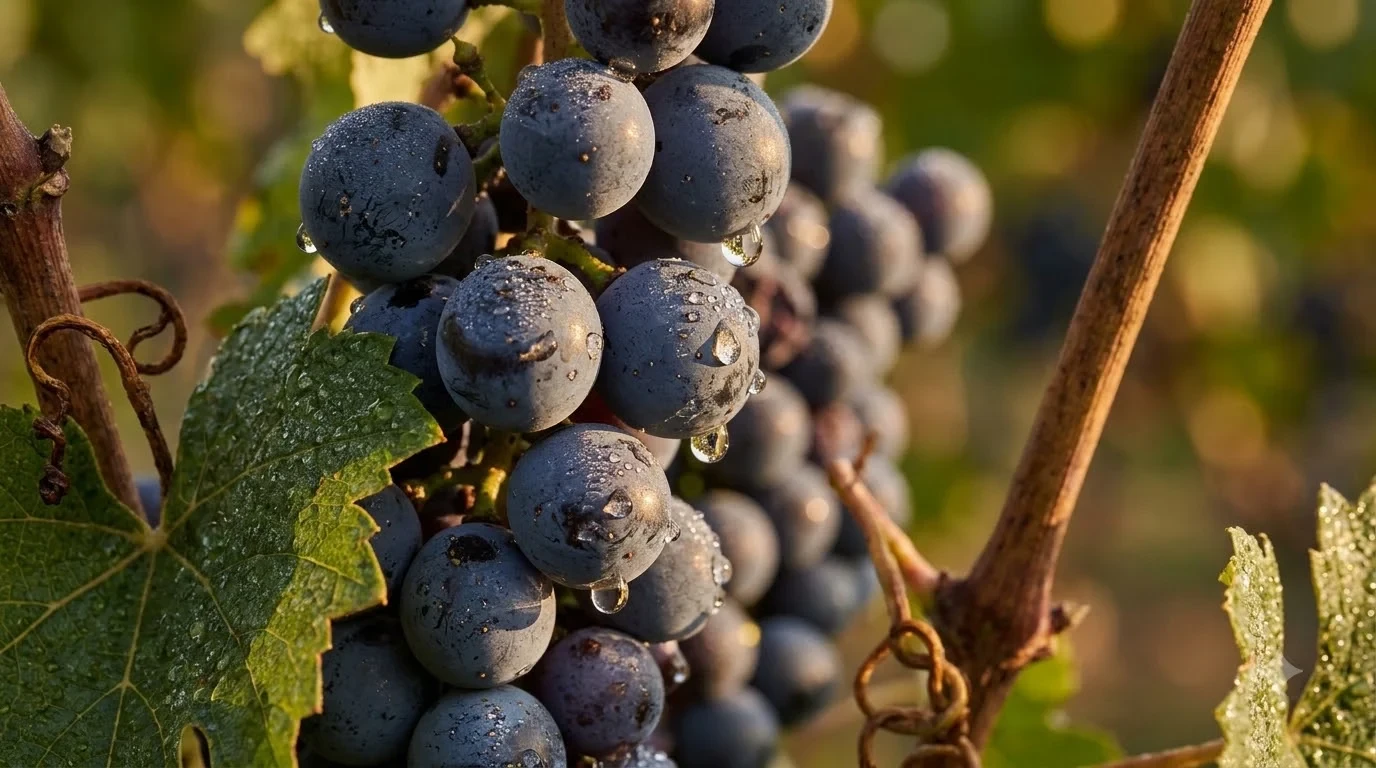
Norton is the grape most closely linked to Missouri. It is a native American variety that produces deeply colored, dry red wines with bold fruit and a firm structure. Its character is very different from Cabernet or Merlot, and many visitors find it a rewarding introduction to the state’s wine culture. Norton is often the first Missouri red that tasters ask about.
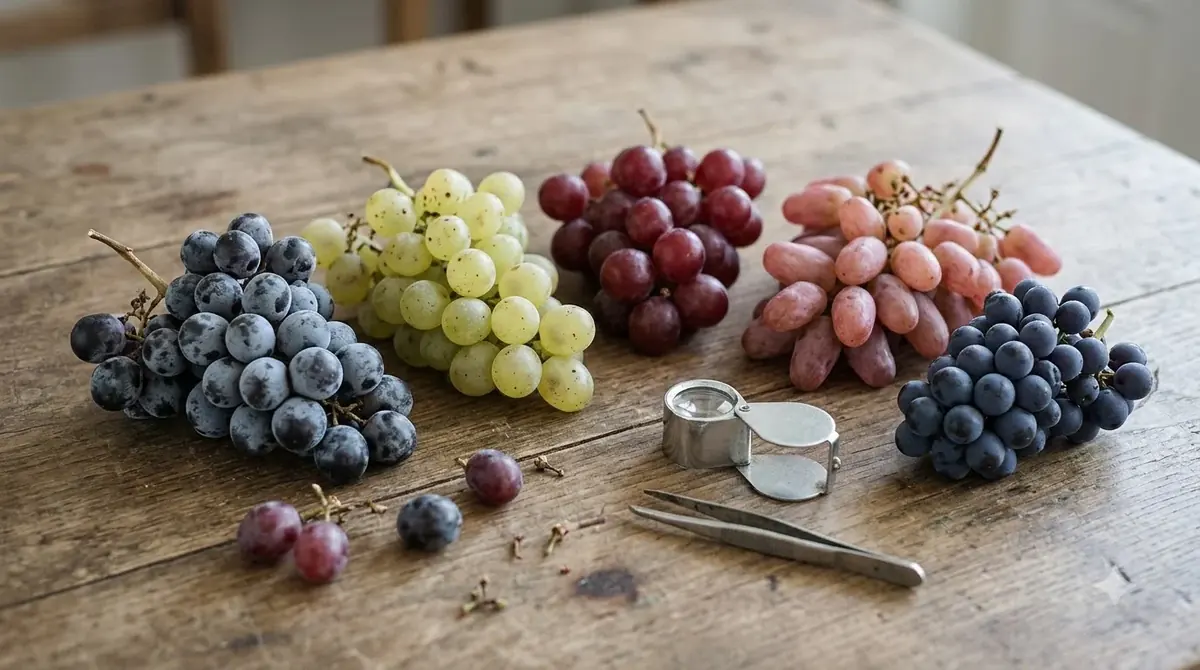
The region also grows Chambourcin, Chardonel, Seyval blanc, St. Vincent, and Vidal blanc, along with Vignoles and Traminette at some producers. Among the vinifera grapes, Cabernet Franc, Cabernet Sauvignon, and Chardonnay are planted in the area. Hybrid varieties are common because they resist the local humidity and cold winters better than many European grapes.
A History Shaped by Rivers, Floods, and Prohibition
The town of Augusta was founded in 1836 by Leonard Harold as a riverboat landing on the Missouri River. Germans came to the area in the decades that followed, and in 1859 German immigrants Georg and Friedrich Muench founded Mount Pleasant Winery. Vineyards spread across the hills in the 1880s, and the region became a center of Missouri wine making.
The history was not smooth. An 1872 flood shifted the course of the river, and that change left a distinct soil type between the town and the river. Prohibition later closed the wineries and uprooted many vines, which set the industry back for decades. The area’s wineries reopened during the 1960s revival, and the wine culture that visitors see today grew out of that return.
Visiting Augusta Winery and the Tasting Room Experience
Augusta Winery, at 5601 High Street, is one of the best-known producers in the region. It has been making wine since 1988 and describes its wines as small-batch, reflecting the local terroir. The winery is open daily from 11 a.m. to 5 p.m., and its tasting room offers a set of hand-selected wines along with a wine and beer garden. Live music runs on weekends from April through October, which makes the spring and summer seasons especially lively.
The winery’s lineup shows the range of the region. Its whites include Vidal Blanc, Vignoles, Traminette, an icewine, a dessert-style Fine Old Tawny, and a barrel-fermented Chardonel. The Chardonel earned a gold medal at Dan Berger’s International Wine Competition for the 2016 vintage. Its reds include Norton, Chambourcin, and a Cabernet Franc aged two years in American oak. Wines can also be bought online for delivery.
How to Taste Augusta Wine
Start with a dry white, such as a Vidal Blanc or a Chardonel, to get a sense of the region’s acidity and freshness. Then move to a red like Norton, which will show you the bolder, more tannic side of native American grapes. Hybrids and native varieties can taste fruitier and more tart than a typical European wine, so keep an open mind as you go.
When comparing the wines, think about climate. Humid summers and cold winters push growers toward grapes that stay healthy in those conditions, which gives the region a style that is distinct from both California and the Old World. If you want a broader comparison, our guide to bordeaux wine shows how a classic European region is built around a different set of grapes and soils.
Visitors who want a bigger picture of the region should look at the whole Augusta landscape, not just one tasting room. The valley is compact enough to see in a single day, and the mix of river towns, rolling farmland, and small producers gives a good sense of how the wine economy fits into the local community. Stopping at a winery near the town of Augusta, then continuing on the river road for a view of the surrounding countryside, is a simple way to see both the wine and the place that shaped it.
Many people also find it useful to plan around the season. Spring and early summer bring the most activity in the tasting room and the most reliable live music, while fall is when the harvest is active and the countryside is at its most colorful. Winter visits are quieter, which can be a good time to ask detailed questions about the wines and the vineyards. Whatever season you choose, arriving with a list of the wines you want to try will help you make the most of the visit.
Frequently Asked Questions
Where is Augusta wine made?
Augusta wine comes from the Augusta American Viticultural Area in St. Charles County, Missouri, about 40 miles west of St. Louis.
What is Norton wine?
Norton is a native American grape and the official grape of Missouri. It makes dry, deeply colored red wines with bold fruit and firm structure.
Why is the Augusta AVA important?
It was designated on June 20, 1980, and was the first American Viticultural Area in the country. That gives it a historic place in U.S. wine geography.
Can I visit Augusta wineries?
Yes. Augusta is a short drive from St. Louis, and Augusta Winery is open daily with a tasting room and wine and beer garden. Check the hours before you go, since they can change by season.
Augusta wine is a good example of how a small region can build a strong identity around native grapes and local history. Start with a Norton or a Chardonel, visit the tasting room, and you will see why the area has held its own for nearly half a century as a recognized American appellation. For more regions to compare, explore our Wine Regions section and see how other places build their wine culture.
More in Wine Regions
 Willcox Wine Trail: Discover Arizona’s High-Elevation Wine CountryUpdated Nov 20, 2026
 Yakima Valley Wine Region: Find the Best Styles to TryUpdated Nov 20, 2026
 Vosne Romanee Wine Tasting: Identify Aromas and Choose Better PairingsUpdated Nov 20, 2026
 Yakima Valley Wine Festival: Find the Best Seasonal Wine EventsUpdated Nov 20, 2026
 Wales Vineyards: Discover Cool-Climate Wines and Where to VisitUpdated Nov 20, 2026
 Yountville Wine Festival: Discover Napa Wines and Local FoodUpdated Nov 20, 2026