

We may earn a commission when you buy through links on this page, at no extra cost to you. Learn more.
Barefoot Riesling alcohol content is listed at 8% ABV, which makes it one of the lighter wines in the Barefoot lineup. That figure is shown on retailer listings and reviews for the standard Riesling bottle. It places the wine well below the reds and most dry whites in the brand’s range.
This guide explains where the 8% number comes from, how it compares with other Barefoot wines and budget bottles, and what it means for serving size. It also covers why a sweet Riesling can be lower in alcohol and how to check the figure on your own bottle.
What Is the Alcohol Content of Barefoot Riesling?
Barefoot Riesling is listed at 8% alcohol by volume. Retailers and independent reviewers report the same figure, so it is one of the most consistent numbers in the brand’s range. The wine is a white, lightly sweet style made from Riesling grapes.
The number is easy to find, but it is still a manufacturer-level figure. Barefoot does not publish an ABV on every product page, so the 8% number comes from third-party listings and reviews. Your bottle’s label is the final word, especially if you are buying a newer release.
If you want to see how this wine fits into the wider picture, the Wine Brands section covers how major producers position their bottles by style and strength. That context helps when you compare a 8% Riesling with a 13% red on the same shelf.
Barefoot Riesling ABV by Bottle Size
The Riesling is sold in more than one size, and the listings we reviewed point to the same strength across them. The most common format is the 750 ml bottle. A 1.5 L bottle is also available, and a retailer listing for that size shows the same 8% figure.
The retailer product page for the 1.5 L bottle lists the alcohol at 8.00% and describes the wine as a light, slightly sweet white. Reviewers also mention a 4-pack of smaller personal bottles. Because the strength is the same across formats, the bottle size mainly changes how many pours you get, not how strong each pour is.
Bottle size and alcohol are separate questions. A larger bottle holds more total alcohol simply because it holds more wine. Check the size on the label, then use the ABV on that same label to work out how much you are pouring. Packaging and strength can change from one release to the next, so the printed label should always be your reference.
How Barefoot Riesling Compares to Other Budget Wines
Among the Barefoot wines with a published ABV, Riesling sits near the low end of the scale. Only the Lower Calorie Pinot Grigio is listed lower, and the sweeter Moscato is only slightly higher. The table below uses the figures reported for the brand’s core range.
| Barefoot wine | Style | Reported ABV |
|---|---|---|
| Lower Calorie Pinot Grigio | White | 6% |
| Riesling | White | 8% |
| Moscato | White | 9% |
| Sweet Red Blend | Red | 10.5% |
| Sauvignon Blanc | White | 11% |
| Pinot Grigio | White | 11.5% |
| Cabernet Sauvignon | Red | 13% |
| Merlot | Red | 13.5% |
| Pinot Noir | Red | 13.5% |
Compared with the wider budget market, the Riesling stays on the lighter side. Many supermarket reds and oaked whites sit in the 12 to 14 percent range, so an 8% bottle is noticeably gentler. That makes it a practical choice if you want a glass that is easy to finish over a long afternoon or an early dinner.
The comparison also shows why label reading matters. A Barefoot red can be more than half again as strong as the Riesling. If you are choosing between several bottles at a party, the ABV tells you more about the pour than the price or the label design. Look at the number first, then decide how many glasses you want to pour.
Why Riesling Sweetness and Alcohol Level Are Linked
Sweetness and alcohol are closely connected in wine. Yeast turns the natural sugar in grape juice into alcohol during fermentation. When winemakers stop that process early, some sugar remains and the wine tastes sweeter with a lower strength.
According to Vinovest’s 2026 Barefoot ABV guide, the sweeter whites keep some natural grape sugar, so less of it becomes alcohol. That is why the Riesling and the Moscato sit below the drier whites in the same range. The guide describes Riesling as refreshingly sweet and un-oaked, which fits this pattern.
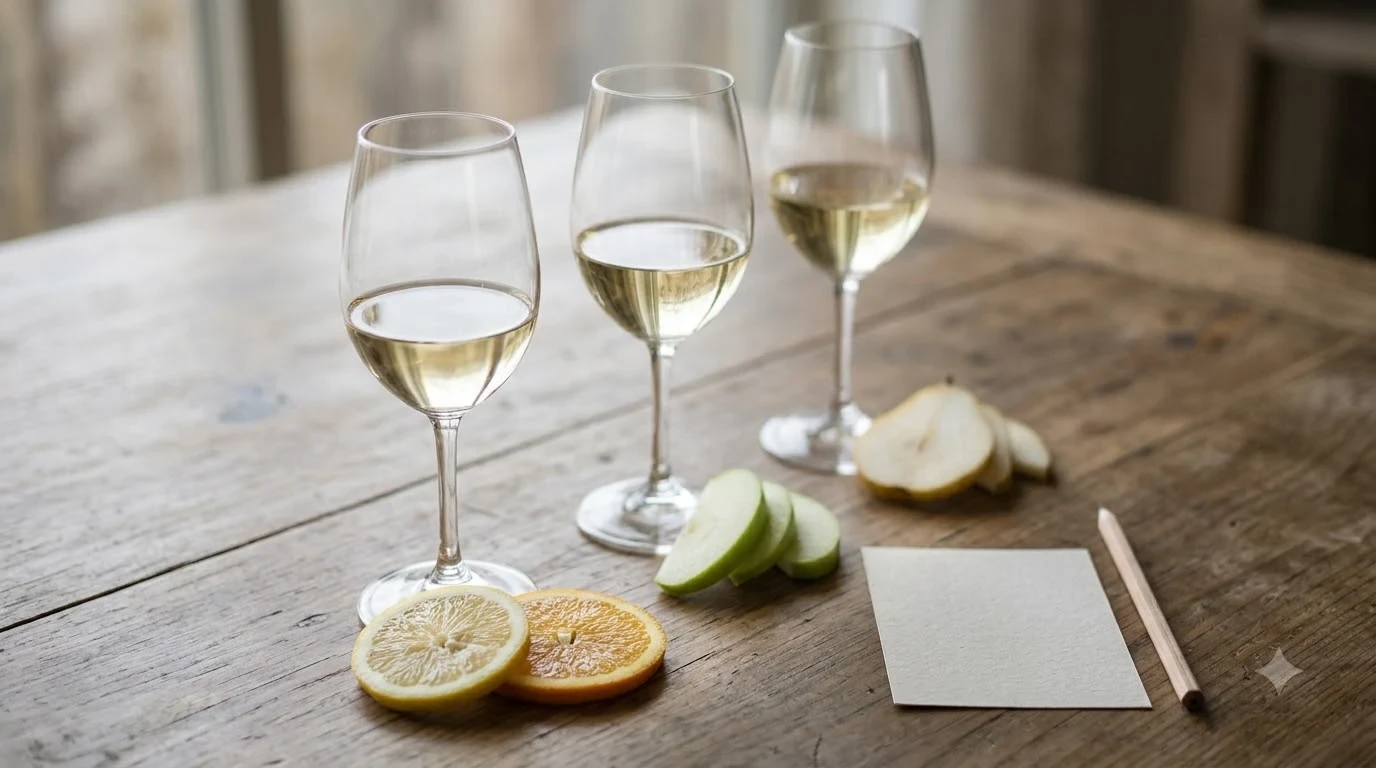
Riesling is a naturally aromatic grape with high acidity, so it can taste fresh even when it is sweet. Reviewers describe the Barefoot version with citrus, apple, and pear notes. Acidity and fruit balance the sweetness, which is one reason a lower-alcohol Riesling does not feel thin in the glass.
Standard Drink Count per Bottle and Glass
A standard drink in the United States contains about 14 grams of pure alcohol. The reference pour is a 5-ounce glass of wine at 12% ABV. Measuring the Riesling against that baseline shows how it compares with other bottles.
At 8% ABV, a 5-ounce glass of Barefoot Riesling is about two-thirds of a standard drink. That is less than the reference pour, so the same glass size delivers less alcohol. A 13.5% Merlot or Pinot Noir, by contrast, is a little more than one standard drink in the same pour size.
Think about the difference over a whole evening. A Riesling and a red poured at the same size will not deliver the same alcohol, so pouring size and ABV work together. If you want to compare sweeter styles, the barefoot pink moscato alcohol content guide covers a related bottle in the same sweet white family.
Tip: Pour a measured 5-ounce glass the first time you open a new bottle. Once you know how it fills your glass, you can judge your pours more accurately.
Food Pairings That Suit a Lower-ABV Riesling
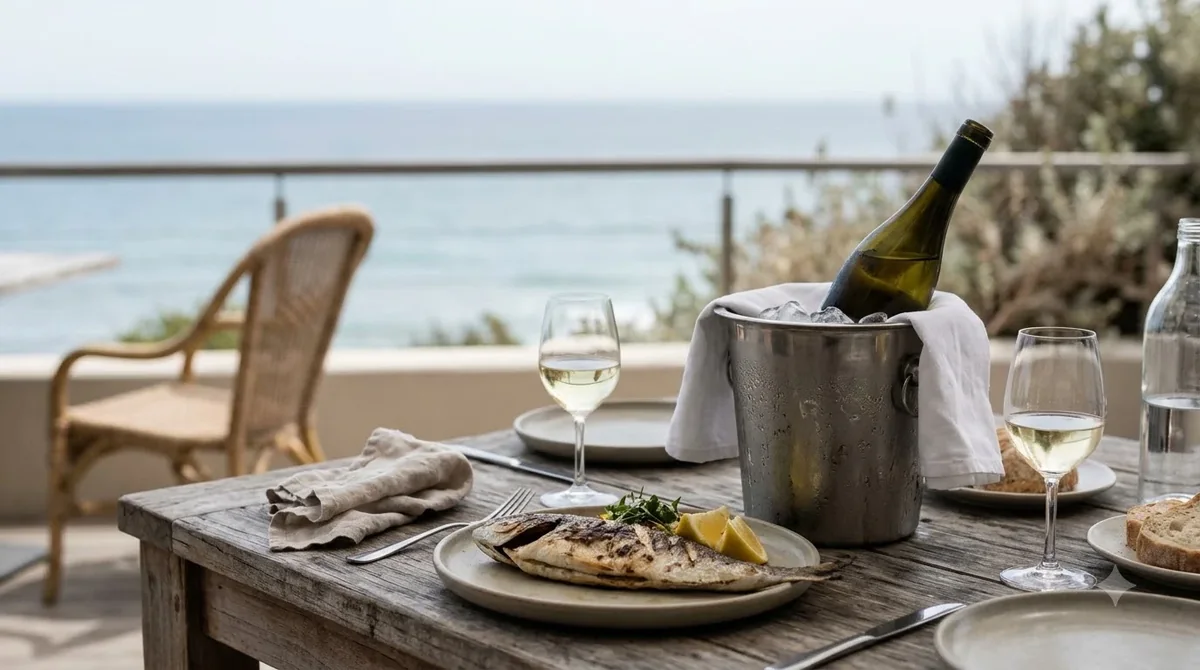
A lighter Riesling works well with food because its sweetness and acidity pair with spicy, salty, and fruity dishes. Lower strength also means it stays refreshing alongside a meal. Pairing is often the best reason to choose this style.
Reviewers and retailers commonly suggest spicy Asian dishes, shellfish, pork, and fruit-based desserts. The sweetness softens heat, so a bottle works well with spicy noodles or curry. The same sweetness balances salty seafood and roasted pork without overwhelming them.
For cheese and fruit, mild white cheeses and fresh fruit plates are a natural match. A simple board of apple, pear, and a soft white cheese brings out the wine’s fruit. Serve the bottle chilled, and the flavors stay bright. One retailer recommends serving Riesling at 45-50°F (7-10°C) in a standard white wine glass.
If you are building a menu with several drinks, the la marca prosecco alcohol content page is useful for comparing a sparkling option. Pairing the lighter Riesling with a richer dish and a sparkler with appetizers gives your guests a range without changing the strength much.
Storage and Serving Tips for Barefoot Riesling
Storage and serving keep a light white at its best. Keep the bottle cool and out of direct sun, and chill it before pouring. Warm wine tastes flatter, and a cold glass keeps the fruit lively for longer.
Reviewers note that many Barefoot wines use screw caps. That makes reopening easy, and it can help you finish a bottle over several days. Once opened, recork or recap the bottle, refrigerate it, and drink it within a few days for the best fruit character.
Serving also affects how the alcohol feels. A smaller pour in a standard white wine glass helps you pace the drink. Pair it with food, drink water between glasses, and avoid driving after drinking. Responsible pacing is the simplest way to enjoy a light wine without overdoing it.
If you enjoy sweet, lighter bottles, the stella rosa wine alcohol content guide offers another example of how strength varies within the sweet wine category.
Frequently Asked Questions
What is the alcohol content of Barefoot Riesling?
Barefoot Riesling is listed at 8% alcohol by volume. Retailer listings and reviews report the same figure. Because labels can vary slightly between releases, check the bottle in front of you for the final number.
Is Barefoot Riesling stronger than Barefoot Moscato?
No. Moscato is listed at 9% ABV, which is slightly stronger than the 8% Riesling. Both are sweet white wines, so the difference is small. The gap is more noticeable when you compare either bottle with a 13% or 13.5% Barefoot red.
How many standard drinks are in a glass of Barefoot Riesling?
A 5-ounce glass of Barefoot Riesling at 8% ABV is about two-thirds of a US standard drink. A standard drink is about 14 grams of pure alcohol. Smaller pours contain less alcohol, so measuring your glass helps you track intake.
Does Barefoot Riesling need to be chilled before serving?
Chilling is recommended for most white wines, including Riesling. One retailer suggests serving Riesling at 45-50°F (7-10°C). A chilled glass keeps the fruit fresh and the sweetness balanced, especially on a warm day.
Barefoot Riesling sits at 8% ABV, which makes it a lighter, easy-drinking choice among Barefoot wines. Check the label on your bottle, measure your pours, and pair it with spicy or fruity dishes. For more on the brand’s strengths across styles, explore the wine brand guides on this site.
More in Wine Brands
 Underwood Wine Price: Compare Bottles, Cans, and Pack SizesUpdated Nov 21, 2026
 Zenato Wine Price: Compare Styles and Choose the Right BottleUpdated Nov 21, 2026
 Zuccardi Wine Price: Compare Bottles and Find the Right RangeUpdated Nov 21, 2026
 Yellow Tail Moscato Review: Taste, Sweetness and Serving TipsUpdated Nov 21, 2026
 Wolf Blass Yellow Label Review: Choose Your Best StyleUpdated Nov 21, 2026
 Wolffer Estate Rose Review: Choose the Right Bottle for Your TableUpdated Nov 21, 2026