

We may earn a commission when you buy through links on this page, at no extra cost to you. Learn more.
Rosé wine is a pink wine made from red grapes by keeping the juice in contact with the skins for only a short time, so it picks up color without the deep tannins of a red. It is not a mix of red and white wine in most regions. Rosé can be bone dry, fruity, sparkling, or sweet, and it is usually meant to be enjoyed young and chilled.
This guide covers how rosé is made, why its color varies so much, the main styles you will find on shelves, how to serve it, and which foods go with it. It is written for anyone who wants to move past the pink label and choose a bottle with confidence.
How Rosé Gets Its Color
Red wine gets its color from the skins of black grapes. In a red wine, the juice ferments with the skins for days or weeks, which pulls out deep color and firm tannin. Rosé is made by stopping that process much earlier. Winemakers leave the juice on the skins for a short period, often a few hours to a day, then press off the skins before fermentation really gets going. The longer the contact, the darker the wine. The Wikipedia entry on rosé describes these routes in more detail.
Rosé can also be made without skin contact at all. Some producers press red grapes directly so the juice takes only a whisper of color, producing very pale wines sometimes called vin gris. Blending red and white wine is uncommon, and in most of Europe it is not allowed for still rosé. Champagne is the notable exception, where a small amount of red wine may be blended into the base for certain styles.
Why Rosé Ranges From Pale to Nearly Purple
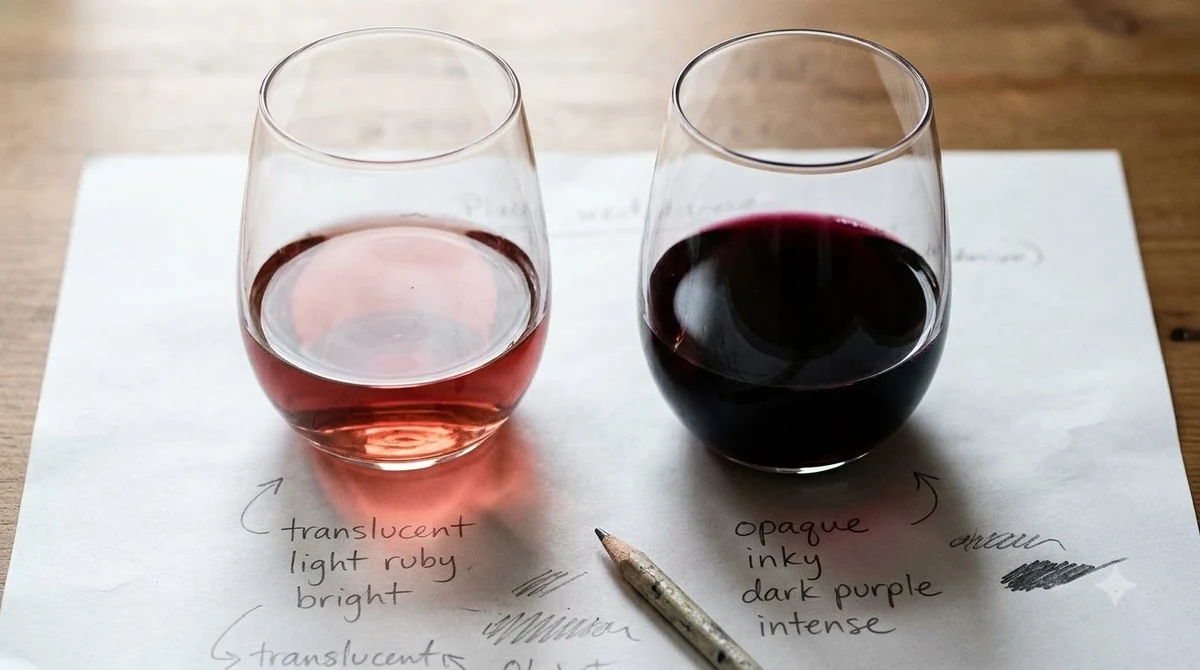
The color of a rosé depends on the grape variety, how long the skins stay in contact with the juice, and how the winemaker presses the grapes. Colors run from pale onion skin orange to a bright, almost purple pink. A pale wine is not automatically drier or lower in quality, and a deep color does not guarantee richness. Color is a guide to the style, not a grading system.
The aromas follow the grape and the region. A Provence rosé often shows melon, peach, redcurrant, and citrus, while a rosé from a warmer region may lean toward ripe strawberry, watermelon, and mango. Because so much of the flavor comes from the fruit itself, tasting notes on the back label are often the most useful clue.
Color can also reflect a deliberate style. VinePair notes that Italy’s Ramato is a copper-hued rosé made with skin contact from Pinot Grigio, and that Cerasuolo d’Abruzzo, made from Montepulciano, tends to be fuller-bodied. Those examples show that a rosé’s color is a signal about how it was made and about the grape behind it, as the VinePair rosé guide explains.
The Main Styles of Rosé
Rosé covers a wide range of wines. Dry still rosés from southern France are light, savory, and crisp. Sparkling rosés add fine bubbles and often red berry flavors. Off-dry and sweet blush wines, such as the style known as White Zinfandel, sit at the sweet end of the spectrum and are a separate category for many drinkers.
Look for the style that matches your mood. A sparkling rosé is a festive choice for celebrations, while a still, dry rosé works better with a meal. Pale, delicate wines show their freshness best when young, and deeper rosés can carry more body into a dinner.
| Style | Typical flavors | Sweetness | Good for |
|---|---|---|---|
| Dry still, Provence style | Melon, peach, citrus, herbs | Dry | Seafood, salads, grilled vegetables |
| Sparkling rosé | Strawberry, raspberry, toast | Dry to brut | Celebrations, brunch, fried foods |
| Rosé from Tavel | Red berry, spice, body | Dry | Richer dishes, roast chicken |
| Blush or White Zinfandel | Candy-like strawberry and melon | Sweet | Spicy food, casual sipping |
Tip: Rosé has a short shelf life compared with many reds. Most bottles are meant to be drunk within a year or two of release, so check the vintage before you buy.
How to Serve Rosé
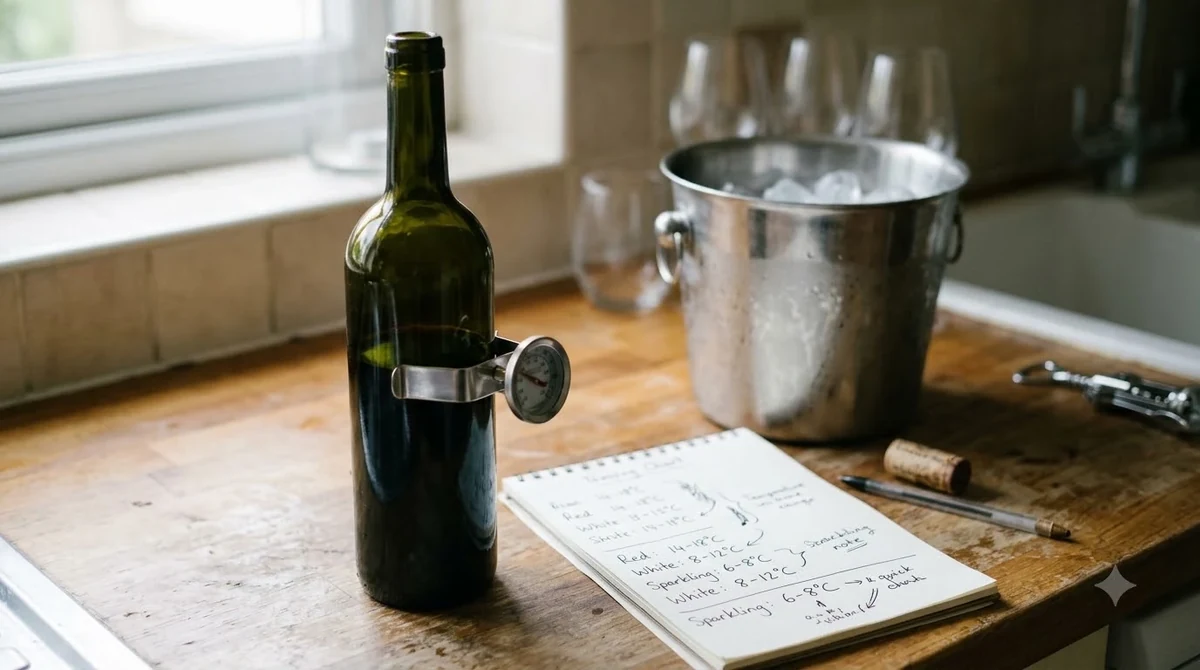
Serve rosé well chilled but not ice cold. Most sources place still rosé in a range of about 46 to 54°F, which keeps the fruit lively without hiding the aroma. Very cold wine tends to taste thin and sharp, so take a bottle out of the fridge for a few minutes before pouring if it is closer to freezing.
A standard white wine glass works well, because the narrower bowl concentrates the aroma. Rosé does not need decanting, and it is best opened and enjoyed in the same session. A leftover bottle can be recorked and refrigerated, but the fresh fruit will fade over the next day or two.
Food Pairings for Rosé
Rosé is one of the most flexible wines at the table. Its acidity and fruit cut through rich food, and it can handle dishes that would overwhelm a delicate white or a firm red. Dry Provence rosés pair naturally with Mediterranean food, including grilled fish, tomato-based dishes, and aioli.
Sparkling rosé suits brunch, fried chicken, and salty snacks, while a sweeter blush works with spicy Thai or Mexican dishes that need a little sugar to calm the heat. Deeper, more structured rosés can stand up to roast chicken, pork, and mushroom dishes. For a complete pairing approach, see the wider collection in Wine by Type.
How to Choose a Good Bottle
Start with the style you want. If you like crisp, dry wine, look for a pale rosé from southern France or a similar region and read the label for words such as dry, bone dry, or Provence. If you want something fruity and easy, a rosé from California, Oregon, or Spain may suit you better, since those wines often show riper fruit. Sparkling rosé tends to be the most food friendly of all the styles.
Rosé is also a good place to try wines made from grapes you may already know. A rosé from a grape such as cabernet sauvignon is typically more structured and bolder than a Provence pink, which makes it a useful bridge to red wine drinkers.
Frequently Asked Questions
Is rosé just red wine mixed with white wine?
Usually not. Most rosé is made by briefly leaving red grape juice on its skins and then pressing them off. Blending red and white wine is generally not allowed for still rosé in Europe, although some sparkling rosé from Champagne can be blended.
Is rosé always sweet?
No. Many rosés are dry, especially the pale styles from southern France. Sweetness ranges from bone dry to sweet blush wines, so check the label or the producer’s description if you prefer a drier glass.
How long does rosé last after opening?
Rosé is best consumed soon after opening. Recork it, keep it refrigerated, and drink it within a day or two so the fresh fruit does not fade. Sparkling rosé will lose its bubbles faster once opened, so use a sealed stopper.
Can rosé be aged?
Most rosés are made to be drunk young, usually within a year or two of the vintage. A few structured styles, such as some rosés from the Loire region, can age for several years, but these are exceptions rather than the rule.
Rosé rewards a curious drinker. Pick a style that matches your meal, serve it cool, and remember that color only tells part of the story. Once you know how the wine is made, the pink bottles on the shelf become much easier to read.
More in Wine Types & Grapes
 Zinfandel Sugar Content: Dry Red vs. White Zinfandel GramsUpdated Nov 21, 2026
 Best Zinfandel Substitute Options for Sipping and CookingUpdated Nov 21, 2026
 Zweigelt Food Pairing: Best Dishes, Cheeses, and Serving TipsUpdated Nov 21, 2026
 Zinfandel Tannins Explained: How Structure Shapes Every BottleUpdated Nov 21, 2026
 Zinfandel Sweetness Level: Dry Red vs. Sweet White Zin ExplainedUpdated Nov 21, 2026
 Xinomavro Food Pairing: Best Dishes, Styles, and Serving TipsUpdated Nov 21, 2026