

We may earn a commission when you buy through links on this page, at no extra cost to you. Learn more.
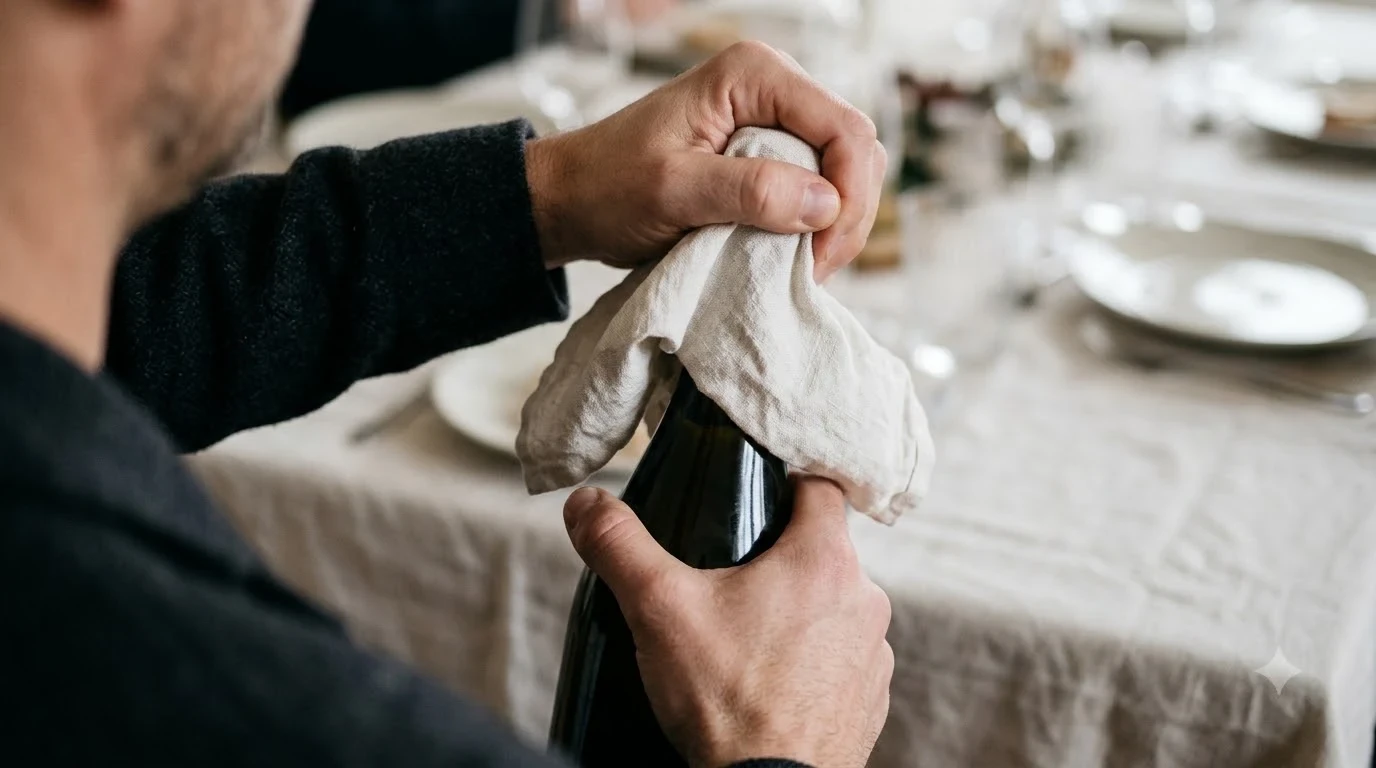
Domaine Carneros wine comes from a Napa Valley estate founded in 1987 by Champagne Taittinger, and it is best known for traditional-method sparkling wine. The winery sits in the Los Carneros AVA, a cool southern corner of Napa Valley that reaches down toward San Pablo Bay. Alongside its sparkling range, the estate also makes Pinot Noir from its own vineyards, so the brand covers both bubbly and red wine.
This guide explains where the brand comes from, how its sparkling wines are made, what to expect from its Pinot Noir, and how to serve and pair a bottle. It is written for shoppers who keep seeing the name on restaurant lists and wine shop shelves and want to know what they are getting.
Where Domaine Carneros Comes From
Domaine Carneros is a winery in the Los Carneros AVA of Napa Valley, California. A reference overview of the estate says Champagne Taittinger established it to make California sparkling wine. The winery is now a joint venture between Champagne Taittinger and Kobrand Corporation, which is why the house describes its sparkling wine in the language of Champagne.
The estate covers about 138 acres on a slope at elevations of roughly 120 to 260 feet, with views over San Pablo Bay. The château-style winery building was modeled on Taittinger’s Château de la Marquetterie in the Champagne region, a visible reminder of the family link. The producer’s own homepage calls the estate a small grower-producer of méthode traditionnelle sparkling wine and estate Pinot Noir, which points to a focus on its own vineyards rather than a large-volume operation. You can read the winery’s own account of the estate on the Domaine Carneros website.
How the Sparkling Wines Are Made
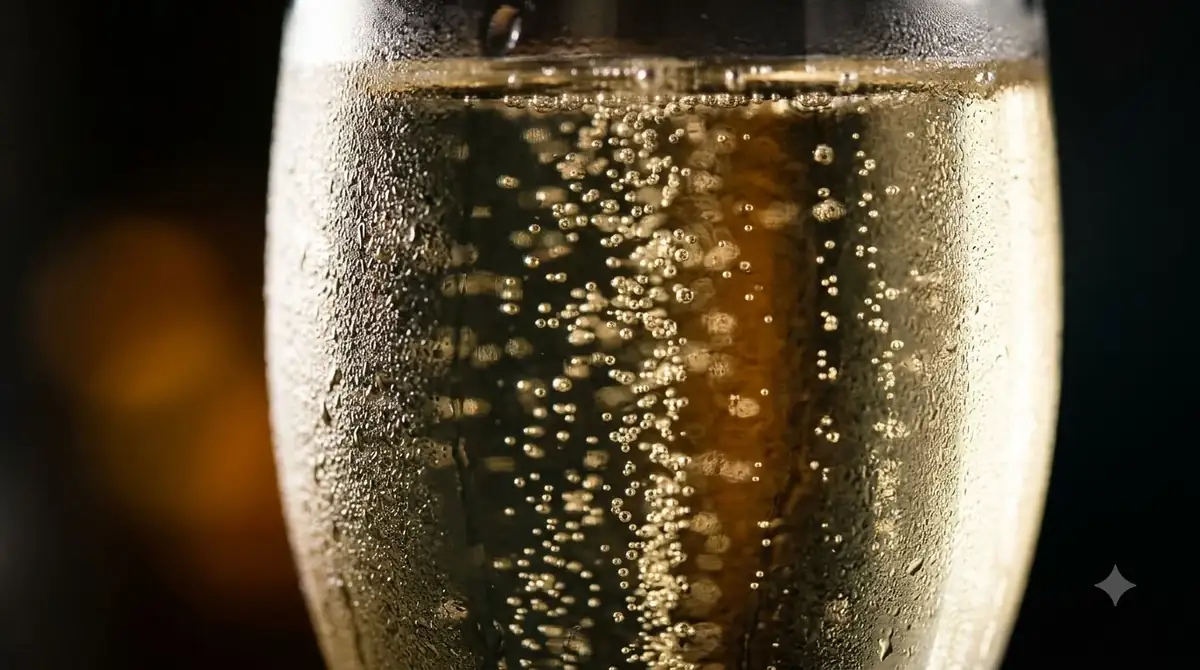
The sparkling wines are produced using the traditional method, the same basic process used for Champagne. The second fermentation happens inside the bottle rather than in a tank, and that is what creates the fine, persistent bubbles. After that stage, the wine rests on its lees, the spent yeast cells, for a period before it is disgorged and finished. That rest is one reason traditional-method sparkling wine often shows toasty, biscuity notes as it ages.
The timing of each stage is a decision the winemaking team makes for each release, and the sources used for this guide do not publish exact durations for the house’s bottles. If you want that detail for a specific wine, the back label or the producer’s technical sheet is the best place to check. For a shopper, the practical takeaway is simple: the method is the same as Champagne’s, but the fruit and the climate are Californian, so the wines usually read as fresher and more fruit-forward than a typical Champagne of the same age.
What the Estate Pinot Noir Brings to the Range
Pinot Noir is the house’s main still wine, and it shares the estate’s cool-climate character. Wine Folly’s grape overview notes that Pinot Noir prefers intermediate climates with long, cool growing seasons, which is why it often thrives in protected valleys and near large bodies of water. The same overview says Pinot Noir is a core component of Champagne, alongside Chardonnay and Pinot Meunier, so the grape has a natural link to sparkling production as well as red winemaking. You can compare the grape’s general profile in Wine Folly’s Pinot Noir guide.
In practice, that means the estate’s red wine tends to show the grape’s classic traits: red fruit, a light to medium body, and a silky texture when the vineyard is cool enough to hold acidity. Drinkers who enjoy Pinot Noir from other cool regions, such as the Willamette Valley or Burgundy, will recognize the same family resemblance here, although the Napa setting gives the wine its own warmth and ripeness.
Flavor Profile and Common Styles
Most people shopping for Domaine Carneros wine are choosing between a sparkling bottle for a celebration and a red for dinner, so the two categories are worth comparing side by side. The table below summarizes what to expect from each, based on the grape and method notes above.
| Style | What to expect | Good moment to open |
|---|---|---|
| Traditional-method sparkling | Fine bubbles, citrus and orchard fruit, and toasty notes that deepen with age | Celebrations, brunch, or an aperitif before a meal |
| Estate Pinot Noir | Red fruit such as strawberry and raspberry, earthy spice, and a silky finish | Roast chicken, mushrooms, salmon, or a relaxed dinner with friends |
Sparkling wine from the house is dry in its general style, so it works well with foods that have salt, fat, or acidity. Red wine from a cool vineyard tends to stay lighter on its feet than a big Napa Cabernet, which makes it a versatile dinner wine for mixed menus.
Tip: If you are comparing a Domaine Carneros sparkling wine with a Champagne, look at the vintage and the aging note on the label. Two bottles made the same way can taste very different depending on how long they rested on their lees.
How to Serve Domaine Carneros Wine
Serving temperature matters more for sparkling wine than most people expect. Serve the bubbles well chilled rather than ice cold, because a slightly warmer glass lets the aromas open up while the wine keeps its lift. A tulip-shaped glass concentrates the aromatics better than a wide saucer, and it keeps the bubbles lively for longer.
The estate Pinot Noir should be served cool rather than at room temperature. A short time in the refrigerator before pouring is usually enough to bring out the red fruit and keep the wine from tasting heavy. Pour a modest glass first, give it a few minutes in the glass, and then decide whether it needs more air.
Food Pairings and When to Open a Bottle
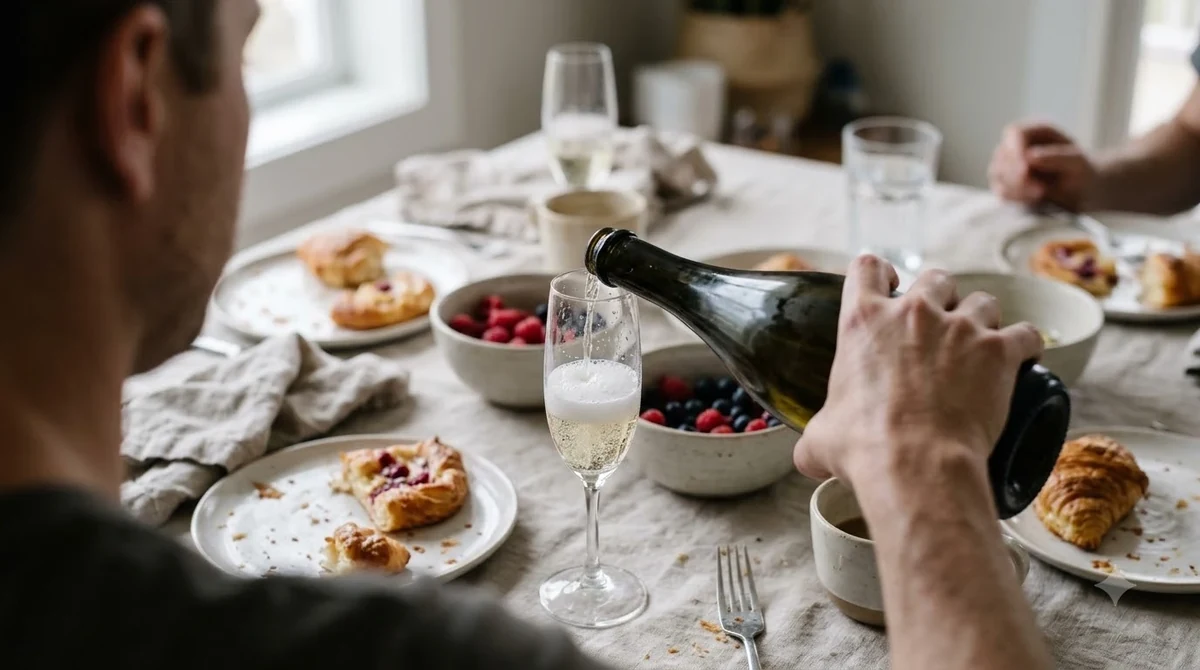
The sparkling wine fits best at the start of a meal or with dishes that have a bit of richness to cut through. Fried foods, oysters, soft cheeses, and crisp salads are all classic partners because the acidity and bubbles refresh the palate between bites. It is also a strong choice for brunch, where eggs and smoked fish match the wine’s bright fruit.
The Pinot Noir works with roasted poultry, mushroom dishes, seared salmon, and tomato-based pasta with herbs. Its red fruit and lighter structure make it easier to match with food than a bolder red. If you are hosting, a sparkling bottle at the door and a red for the main course is an easy plan that covers most menus.
Frequently Asked Questions
Is Domaine Carneros a Champagne house?
No. The winery is in California’s Napa Valley, not in Champagne. Champagne Taittinger founded it to make California sparkling wine, and the estate uses the traditional method that Champagne is known for.
Where is the winery located?
The estate is in the Los Carneros AVA of Napa Valley. The vineyard sits on a slope overlooking San Pablo Bay, which gives the region its cooler conditions compared with the warmer northern parts of Napa.
Does Domaine Carneros make still wine as well as sparkling?
Yes. The producer’s homepage describes the estate as a maker of estate Pinot Noir alongside its sparkling wines, so shoppers can find both categories from the same winery.
Is a Domaine Carneros sparkling wine a good first bottle for beginners?
It can be. Traditional-method sparkling wine has clear, familiar flavors of citrus and fresh fruit, and it pairs easily with simple foods. Beginners who want to learn the style can taste it next to a Champagne to see how the climate and ageing change the wine.
Domaine Carneros is a useful example of a California estate that borrows a French method and adapts it to its own vineyards. If you are exploring the brand, start with the sparkling style for a celebration and try the Pinot Noir with dinner. For more background on the brands we cover, visit the Wine Brands guide, and compare this estate with another Napa-area house in our Domaine Serene wine overview.
More in Wine Brands
 Underwood Wine Price: Compare Bottles, Cans, and Pack SizesUpdated Nov 21, 2026
 Zenato Wine Price: Compare Styles and Choose the Right BottleUpdated Nov 21, 2026
 Zuccardi Wine Price: Compare Bottles and Find the Right RangeUpdated Nov 21, 2026
 Yellow Tail Moscato Review: Taste, Sweetness and Serving TipsUpdated Nov 21, 2026
 Wolf Blass Yellow Label Review: Choose Your Best StyleUpdated Nov 21, 2026
 Wolffer Estate Rose Review: Choose the Right Bottle for Your TableUpdated Nov 21, 2026