

We may earn a commission when you buy through links on this page, at no extra cost to you. Learn more.
Texas Hill Country wine is made in a federally recognized appellation in central Texas, where limestone hills, a long growing season and warm days support both Bordeaux-style blends and Mediterranean grape varieties. The Texas Hill Country American Viticultural Area was approved in 1991 and is the state’s fourth appellation of that kind. Its wines range from bold reds and rich blends to crisp whites, and the region is the center of Texas wine production.
Many American wine drinkers think of wine in terms of California, France or Italy, so Texas often gets left out of the conversation. That is a shame, because the Hill Country has a distinct character shaped by its climate, its soils and the grapes winemakers have chosen to plant. This guide explains where the region is, how its growing conditions affect the wine, which styles you are most likely to find, and how to choose a bottle that fits your taste.
What Texas Hill Country Wine Is
Texas Hill Country wine comes from a large appellation in the central part of the state, west of Austin and around towns such as Fredericksburg and Johnson City. The name refers to a legal growing area with set boundaries, so a bottle labeled with the appellation has to be made from grapes grown inside it. According to the Texas Hill Country AVA entry, the appellation covers roughly 9.6 million acres, although only a small fraction of that land is planted to vines.
The planted area is modest compared with the total size of the appellation. Reference works describe more than 2,000 acres of vineyards and roughly 100 wineries and vineyards operating in the region. That combination of a large legal area and a relatively small planted acreage is one reason the Hill Country still feels like a place where new wineries are being founded.
Climate, Soil and Growing Conditions
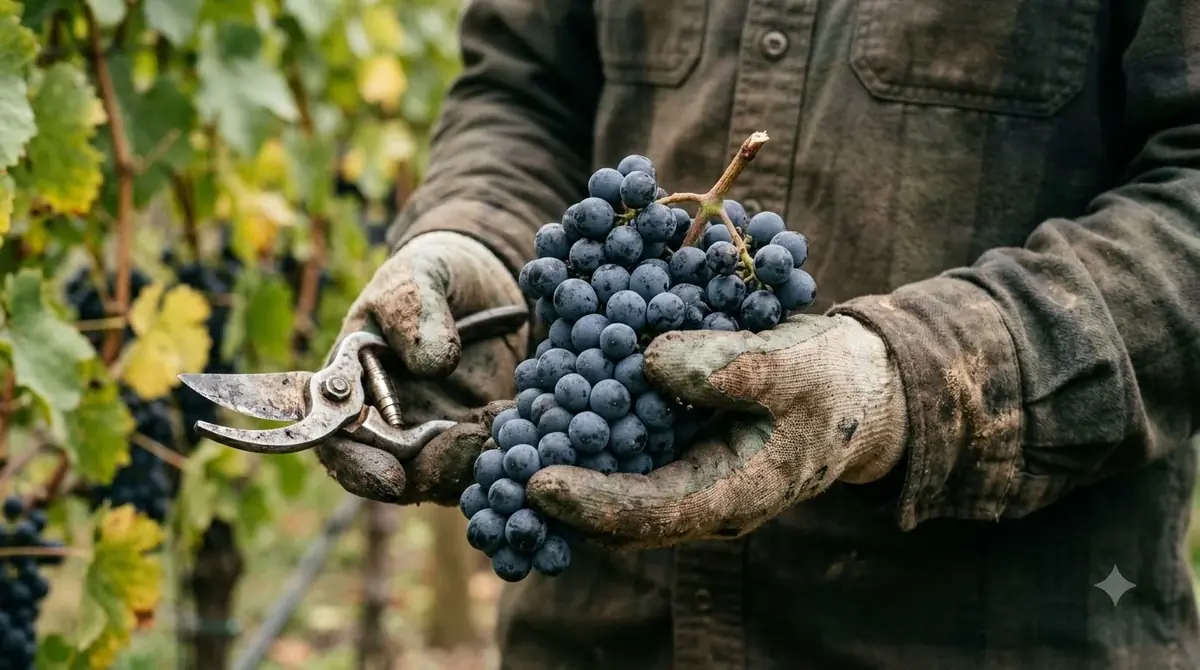
The climate here is warmer and drier than in many traditional wine regions. The growing season is long, and the region’s hardiness zones fall roughly between 8a and 9a. Rainfall is higher in the Hill Country than in the drier country to the west, and nights tend to be cooler and drier than in the humid areas to the east and south. Those differences matter because they set the pace of ripening and the balance between sugar, acid and flavor in the grapes.
The soils are just as important. Hills in the region are mostly limestone, sandstone or granite, while the valleys hold sandy and clay loams. Many vineyards sit on thin, rocky ground that drains quickly, which tends to limit vine vigor and concentrate the fruit. Winemakers often describe the wines as more structured and more mineral than the fruit-forward reds of hotter, flatter places.
| Factor | What it means for the wine |
|---|---|
| Growing season | Long, which gives grapes time to ripen fully |
| Rainfall | Higher than the Edwards Plateau to the west, so disease pressure needs management |
| Nights | Cooler and drier than the humid areas east and south, which helps preserve acidity |
| Soils | Shallow limestone and rocky ground on the hills, sandy and clay loams in valleys |
Grapes and Wine Styles You Will Find
Hill Country vineyards grow dozens of grape varieties, and most of them come from France, Italy and Spain. The region is especially known for Bordeaux-style red blends built around Cabernet Sauvignon and Merlot. Mediterranean varieties such as Tempranillo, Sangiovese and Mourvèdre are also common, and they suit the warm, dry conditions well.
White wines are less dominant in the region, but they are part of the picture. Crisp, aromatic whites and blends can be found alongside the reds. Many producers make several styles from the same vineyard, so the same winery may offer a light, fruity red, a firm Bordeaux-style blend and an aged reserve. That variety is one reason visitors often find something they like at almost any tasting room.
Reds Are the Common Starting Point
If you are new to Texas wine, a Hill Country red is a good place to start. Tempranillo tends to show red cherry and savory notes, while Sangiovese offers bright acidity and firm tannins. Bordeaux-style blends usually bring dark fruit, spice and a structured finish. Each style reflects the same climate, but the grape changes the flavor and texture noticeably.
How to Serve Texas Hill Country Wine
Serving temperature and glassware make a difference, especially with bold reds. Warmer climates can push the alcohol and fruit forward, so many people find that a red served slightly cooler than room temperature tastes more balanced. Whites and rosés should be served chilled, though not so cold that the aromas disappear. Give the wine a few minutes in the glass before judging it, since the aromas open as the temperature rises.
A wide-bowled glass suits full-bodied reds, while a smaller glass works well for lighter whites. Decanting a young, tannic red for about half an hour can soften the grip of the tannins. Most Hill Country reds are made to be enjoyed within a few years of release, though the more structured blends from top producers can improve with additional bottle age.
Tip: Ask the tasting room staff which wines are meant to be drunk young and which are reserves. The answer tells you how long to keep a bottle before opening it.
Food Pairings for Hill Country Wine
Texas wine pairs well with the regional cooking that surrounds it. Barbecue, grilled meats and smoky sausages suit bolder reds because their acidity and structure can stand up to rich, fatty food. Tempranillo and Sangiovese style reds are often a good match for grilled vegetables, roast chicken and tomato-based dishes, while crisp whites work with lighter fare such as seafood, fresh salads and goat cheese.
When you are unsure, match weight with weight. A light, bright wine works with light food, and a firm, structured wine needs something with enough richness to balance it. Acidity is also useful for cutting through salt and fat, which is why many Texas reds handle a plate of brisket better than people expect.
How to Choose a Hill Country Bottle
Start with the grape on the label and then consider the style. A Tempranillo or Sangiovese will show different fruit and acidity than a Cabernet-based blend, so the grape tells you a lot before you taste. Read the back label or the winery website for notes on whether the wine is meant to be drunk young or aged. A winery’s own description is a useful guide, even if it is written to be appealing.
Price is not always a sign of quality in this region, and the best choice depends on what you want from the bottle. If you are buying for a dinner, choose a wine that matches the food. If you are exploring, try two or three styles from the same producer to see how the grape and the winemaking change the result. You can also learn more from the hill country wine guide and from the broader Wine Regions section of this site.
Frequently Asked Questions
Is Texas Hill Country wine a real wine region?
Yes. The Texas Hill Country is a federally recognized American Viticultural Area, approved in 1991, and it is the center of Texas wine production. Its wineries make a range of styles from many grape varieties.
What grapes are grown in the Hill Country?
Common grapes include Cabernet Sauvignon, Merlot, Tempranillo, Sangiovese and Mourvèdre, along with several Italian and Spanish varieties. Bordeaux-style blends are a regional specialty.
How is the Hill Country climate different from California?
The Hill Country is generally warmer and more humid, with higher rainfall than many California regions. Its limestone soils and cooler nights help keep acidity in the grapes, so the wines often have more structure than their climate might suggest.
Should I drink Texas wine young or let it age?
Most everyday bottles are meant to be enjoyed within a few years of release. More structured reds from established producers can age longer, so check the label or ask the winery for guidance before you store a bottle.
Texas Hill Country wine rewards curiosity. Start with one red and one white, note how the grape and climate show up in the glass, and then compare a few producers. For more background on where this wine fits among others, the Italian wine guide on this site is a useful comparison point, since many Hill Country grapes come from the same Mediterranean traditions.
More in Wine Regions
 Willcox Wine Trail: Discover Arizona’s High-Elevation Wine CountryUpdated Nov 20, 2026
 Yakima Valley Wine Region: Find the Best Styles to TryUpdated Nov 20, 2026
 Vosne Romanee Wine Tasting: Identify Aromas and Choose Better PairingsUpdated Nov 20, 2026
 Yakima Valley Wine Festival: Find the Best Seasonal Wine EventsUpdated Nov 20, 2026
 Wales Vineyards: Discover Cool-Climate Wines and Where to VisitUpdated Nov 20, 2026
 Yountville Wine Festival: Discover Napa Wines and Local FoodUpdated Nov 20, 2026