

We may earn a commission when you buy through links on this page, at no extra cost to you. Learn more.
What is Beaujolais? It is a light, fruity red wine from the Beaujolais area of France, made mainly from the Gamay grape. The name refers to a place and a style, not a single grape variety. The wines are usually low in tannin and high in acidity, so they feel fresh and easy to drink.
This guide explains where Beaujolais comes from, how the Gamay grape shapes the wine, and how the main categories differ. It also covers how Beaujolais compares with Pinot Noir from Burgundy, plus practical advice on serving, pairing and buying.
What Is Beaujolais?
Beaujolais is a French wine name that describes a region, an appellation and a style of red wine. Most bottles are red, and the region is known for wines that are lighter in body than many well-known reds. Only a small share of the output is white, and that white is mostly made with Chardonnay according to the Wikipedia entry on the region.
The easiest way to think about Beaujolais is as a family of wines rather than one product. A basic bottle, a village wine, a cru wine and a young nouveau can all carry the Beaujolais name. Each one differs in fruit intensity, structure and how long it is meant to age, so reading the label helps you know what to expect.
Many people first meet Beaujolais through the young nouveau that appears every November. That wine is only one part of the category. Because of that, a bottle from a named village or cru can taste quite different from the nouveau you may have tried at a seasonal event.
Where Beaujolais Comes From
The Beaujolais region lies in France and is administratively part of the Burgundy wine region. It sits north of Lyon, and the vineyards run along hillsides and valleys between the city and the Mâconnais. Its climate is closer to that of the Rhône, which helps explain why the wines feel different from Burgundy’s classic reds.
According to the Beaujolais entry on Wikipedia, the region’s soils include granite, schist, clay and sandstone. The northern half has rolling hills with granite and schist, where most of the cru villages are found. The southern half, called Bas Beaujolais, has flatter land and richer sandstone and clay soils.
These soil differences matter for the wine. Gamay grown on granite and schist in the north tends to produce more structured, complex wines. Gamay from the south usually tastes lighter and fruitier. That contrast is why a single grape can yield such a wide range of styles across one region.
The Gamay Grape Behind Beaujolais
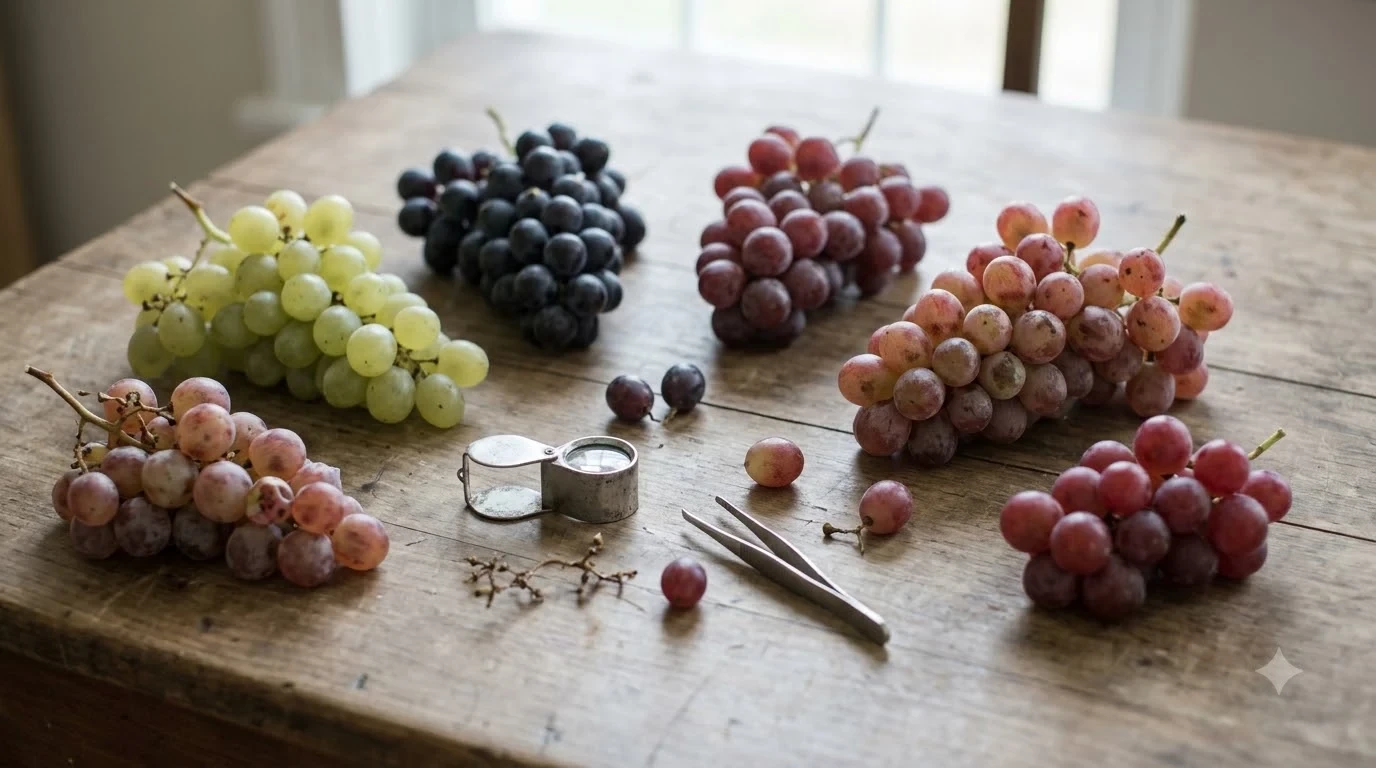
Red Beaujolais is made mostly from Gamay, a grape with a thin skin and low tannin. Low tannin means the wine feels soft in the mouth rather than drying or grippy. Gamay also gives bright fruit flavors and naturally high acidity, which keeps the wine lively.
Beaujolais is often compared with Burgundy Pinot Noir, and the two are different in important ways. Pinot Noir is the main red grape of Burgundy and often gives wines with more fine tannin and a silkier structure. Gamay wines from Beaujolais usually show brighter fruit and less grip, so they can taste lighter even when the alcohol level is similar.
Winemakers use a method called carbonic maceration for many Beaujolais wines. Whole grape clusters ferment inside a sealed container filled with carbon dioxide. The process emphasizes fruit and softens the tannins, which is one reason Beaujolais can be enjoyed young. You can read more about the grape and its history in the wine types overview on this site.
Beaujolais Crus, Villages and Nouveau Explained
Beaujolais labels fall into three main levels, and each one signals a different style. The basic Beaujolais appellation covers the largest share of wine. Beaujolais-Villages comes from named villages in the northern part of the region, and cru Beaujolais comes from ten named villages with their own appellations.
| Category | Where it comes from | Typical style |
|---|---|---|
| Beaujolais | Wide regional appellation, much of it from the south | Light, fresh and fruit-forward |
| Beaujolais-Villages | Named villages in the northern part of the region | Slightly richer with more depth |
| Cru Beaujolais | Ten named crus with their own appellations | Structured, complex and suited to some aging |
| Beaujolais Nouveau | Young wine from the same region, released each year | Bright, fruity and meant for early drinking |
Beaujolais nouveau is the most famous style. The Wikipedia article on nouveau explains that it is a vin de primeur, fermented only a few weeks before its release on the third Thursday of November. The UHD event page Beaujolais and Blues tasting announcement describes the wine as designed to be consumed within six months of release.
Cru Beaujolais works differently. These wines are made to be more serious and are often aged longer in oak before release, according to descriptions of the region. A cru bottle usually shows more depth and structure than a nouveau, so it suits a slower dinner rather than a quick celebration.
How Beaujolais Tastes and Serves
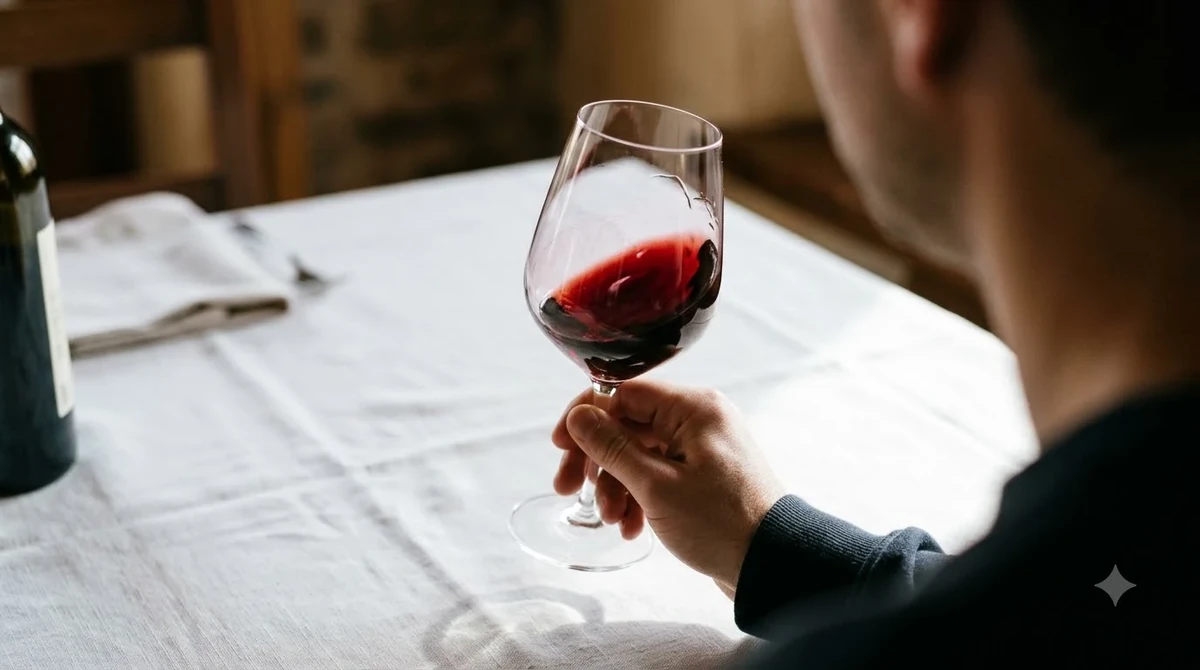
Beaujolais tastes bright, juicy and light on its feet. Nouveau often shows strawberry, raspberry and cherry notes, while crus can add earthier and spicier layers. The wine usually has high acidity and low tannin, so it feels crisp rather than heavy.
Serve most Beaujolais slightly chilled. The nouveau guidance on Wikipedia suggests about 13 °C (55 °F), and many people find that a short time in the refrigerator works well for lighter bottles. Cru wines can be served a little warmer, which lets their structure show more clearly.
Glassware matters less than temperature, but a medium-sized red wine glass helps concentrate aromas. Pour a moderate amount, leave room to swirl, and enjoy the wine with food. As with any alcohol, drink responsibly and pace yourself.
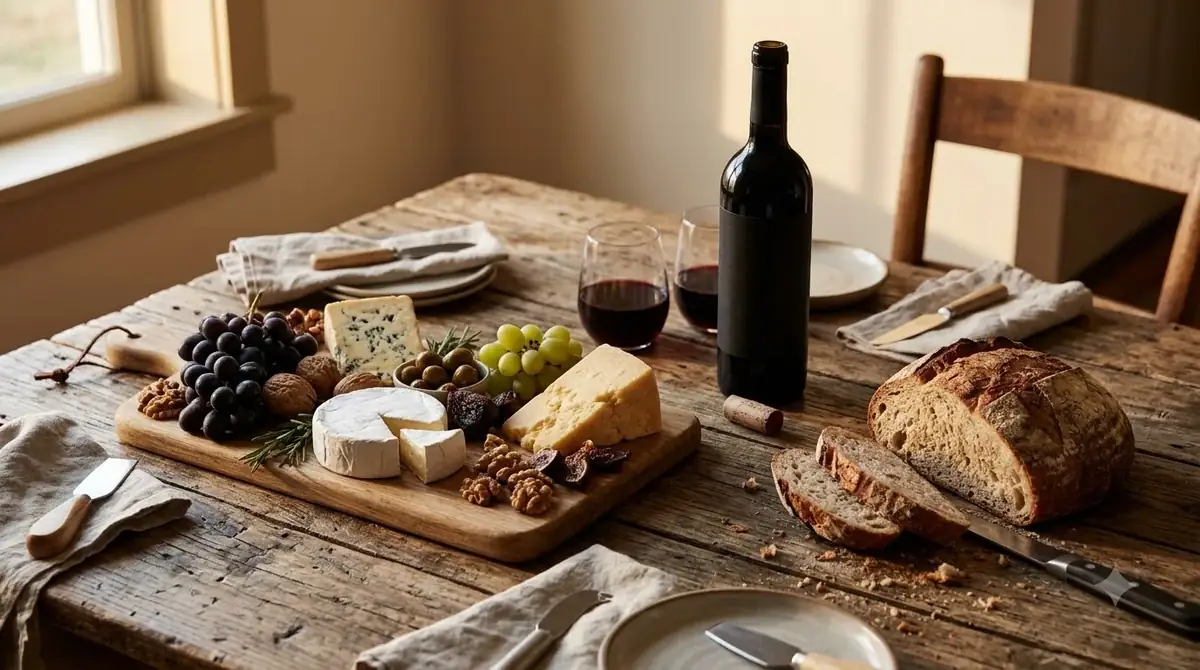
Food pairings work well because Beaujolais has bright acidity and soft tannin. It goes well with charcuterie, roast chicken, grilled sausages, mushroom dishes and soft cheeses. Its freshness also suits salads with vinaigrette and lighter bistro fare. Heavier steaks often call for a bolder red, so Beaujolais is a better fit for everyday meals than for very rich cuts.
Buying and Storing Beaujolais
Start by reading the label. A Beaujolais bottle tells you the level, such as Beaujolais, Beaujolais-Villages or a named cru, and a nouveau is usually labeled as such. The level gives a quick clue about whether the wine is meant for young drinking or some aging.
For nouveau and basic Beaujolais, buy within the recent vintage and drink soon after purchase. Nouveau is designed for early enjoyment, so older bottles rarely improve. Cru wines can reward some storage, so check the producer’s notes or the wine shop’s advice before setting one aside.
Store bottles on their side in a cool, dark place with a fairly steady temperature. Avoid heat near kitchens, windows or appliances. If you want to explore the category further, the Chianti grape guide offers a useful comparison with another light, acidic red from a different country.
Frequently Asked Questions
Is Beaujolais a grape or a region?
Beaujolais is primarily a region and an appellation in France. Most red Beaujolais is made from the Gamay grape, but the name on the label refers to where the wine comes from. Reading the level on the label, such as Beaujolais-Villages or cru, tells you more about the style.
Is Beaujolais the same as Pinot Noir?
No. Beaujolais is usually made from Gamay, which has thinner skins and lower tannin than Pinot Noir. Burgundy Pinot Noir often feels silkier and more structured, while Beaujolais tends to taste brighter and lighter on the palate.
Should Beaujolais be served chilled?
Many Beaujolais wines taste best slightly chilled. The Wikipedia guidance on nouveau suggests about 13 °C (55 °F) for that style. Cru wines can be served a little warmer to show more structure.
How long does Beaujolais nouveau last?
Beaujolais nouveau is meant for early drinking, and the UHD event announcement describes it as designed to be consumed within six months of release. It does not usually improve with age, so buy it for the season rather than for long storage.
Beaujolais is a versatile red once you understand its levels and the Gamay grape behind it. Start with a village or cru bottle to see how the region’s soils change the wine. For a broader look at styles, visit the Wine by Type hub and compare your favorites.
More in Wine Types & Grapes
 Zinfandel Sugar Content: Dry Red vs. White Zinfandel GramsUpdated Nov 21, 2026
 Best Zinfandel Substitute Options for Sipping and CookingUpdated Nov 21, 2026
 Zweigelt Food Pairing: Best Dishes, Cheeses, and Serving TipsUpdated Nov 21, 2026
 Zinfandel Tannins Explained: How Structure Shapes Every BottleUpdated Nov 21, 2026
 Zinfandel Sweetness Level: Dry Red vs. Sweet White Zin ExplainedUpdated Nov 21, 2026
 Xinomavro Food Pairing: Best Dishes, Styles, and Serving TipsUpdated Nov 21, 2026