


We may earn a commission when you buy through links on this page, at no extra cost to you. Learn more.
Relax Riesling is a white wine from the Relax brand, a label whose site credits the wine to Schmitt Soehne USA in Manteca, California. Riesling as a grape is known for high acidity, light body and a wide sweetness range, from bone-dry to very sweet, so the style on any given label depends on how much sugar the winemaker leaves in the bottle. This guide explains what Riesling is, how to tell where a Relax bottle falls on that range, how to serve it, and which foods suit it.
Riesling is one of the most versatile white grapes, but the label on the front of the bottle does not always tell you how sweet the wine will be. If you are choosing a Relax Riesling for a party, a weeknight dinner or a gift, it helps to understand the grape first. Once you know what to look for, you can pick a bottle that matches your taste.
Who Makes Relax Wine
The Relax brand’s website lists Schmitt Soehne USA of Manteca, California, as the company behind its wines. The site describes the range as fruit-forward, with crisp acidity and soft tannins, and it also promotes Relax Zero, a line of alcohol-removed wines for people who want the taste of wine without the alcohol. The brand does not give a founding date or a detailed history on its homepage, so the most useful information for a shopper is the style of the wine in the glass.
Because the company does not describe a specific vineyard or sweetness level for its Riesling on the homepage, the best way to judge the bottle is to read the back label and compare it with the general profile of the grape. That profile is the same whether the wine comes from New York, Washington or Germany.
What Riesling Tastes Like
Riesling is aromatic and bright. Typical flavors include lime, green apple, white peach and honeysuckle, and some older or more mature bottles develop notes of beeswax, jasmine and a petrol-like character. The acidity is high, and that acidity is what keeps a sweeter Riesling from tasting heavy. Most Riesling is light-bodied, has no tannins to speak of, and comes in under 10 percent alcohol by volume, according to the Wine Folly guide to Riesling.
Sweetness is the variable that matters most. The grape can make wines from bone-dry to very sweet, and many bottles fall in the off-dry middle, where a touch of sugar balances the sharp acidity. If a label says dry, expect a crisp, citrus-led wine. If it says sweet or late harvest, expect honey and stone fruit with the same bright finish.
| Riesling style | What you taste | Good starting point |
|---|---|---|
| Dry | Lime, green apple, wet stone, sharp finish | Grilled fish, fresh salads |
| Off-dry | Lime, peach, honeysuckle, gentle sweetness | Spicy takeout, pork, a casual porch glass |
| Sweet | Honey, apricot, ripe pear, lively acid | Blue cheese, fruit desserts |
If you want to see how other Riesling producers handle the same grape, the Chateau Ste. Michelle Riesling guide shows an American take on the style, and the Dr. Loosen Riesling page covers a German example with a different sweetness profile.
How to Serve Relax Riesling
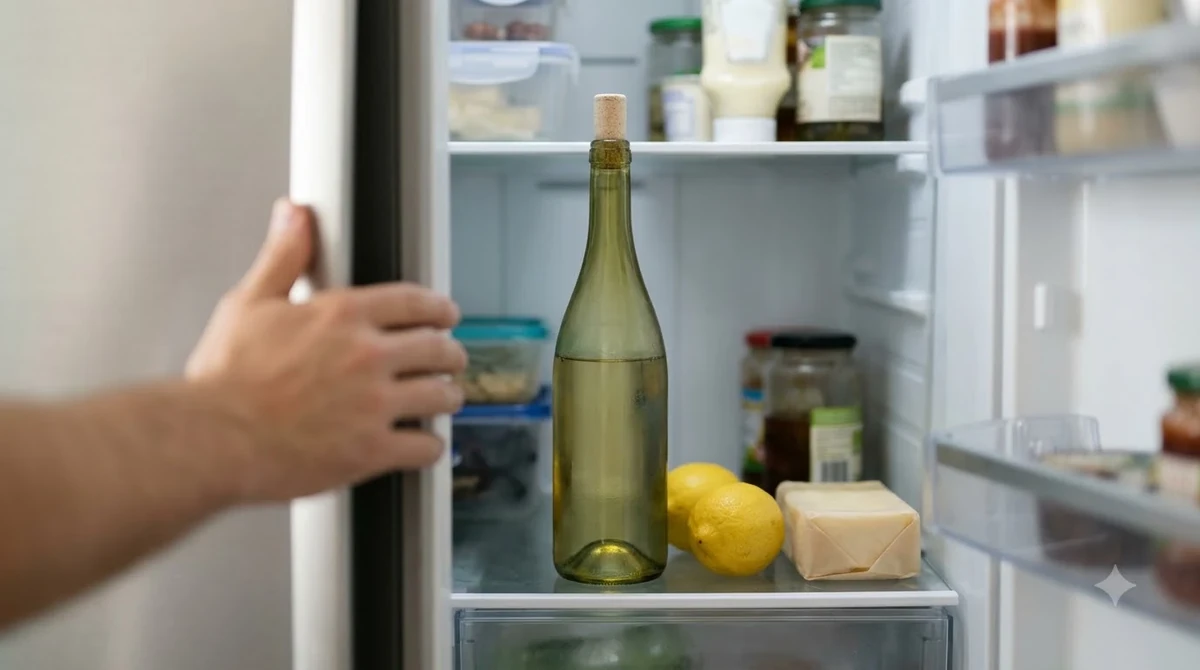
Riesling is best served cold. A temperature of about 38 to 45 F (3 to 7 C) brings the acidity into balance and keeps the aromas lifted. Serve it in a white wine glass, and skip decanting, since the wine is meant to be enjoyed fresh. Keep the bottle in the refrigerator until you pour, and return any leftovers to the fridge with the cork or cap in place.
Riesling holds up better than many whites once opened. A bottle kept cold and sealed will still taste fresh the next day, which makes it a practical choice for a meal where you want a glass or two rather than the whole bottle.
Food Pairings for Riesling
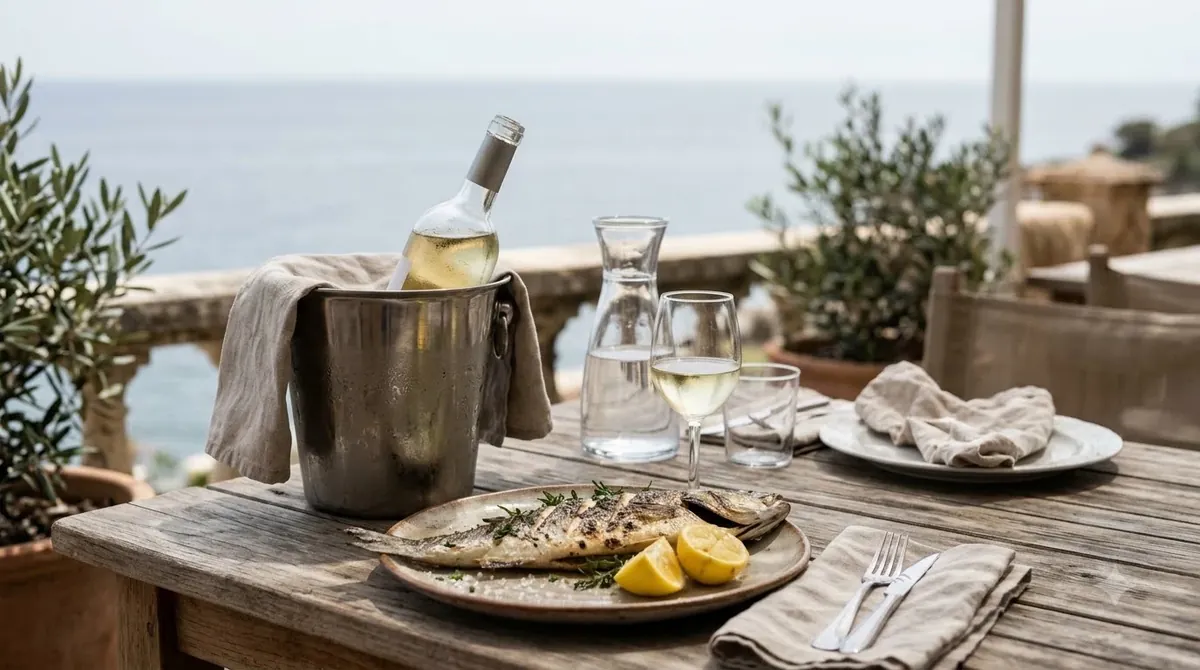
The bright acidity of Riesling makes it a flexible partner at the table. Lighter dishes such as grilled chicken, pork, roast turkey and seafood like halibut, crab or salmon all work well. Riesling also suits spicy food, since the sweetness and acidity help cool the heat. Thai, Vietnamese and other herb-driven cuisines are natural matches, as are dishes with fresh herbs like mint, dill, basil and chive.
Off-dry styles are especially good with pork, ham and sausages, and a sweeter bottle can handle blue cheese or fruit-based desserts. Avoid heavy red-sauce dishes or big, tannic reds next to a Riesling, because the wine will taste thin beside those flavors.
Common Mistakes When Buying and Serving Riesling
The most common mistake is assuming all Riesling tastes sweet. Many people who think they dislike sweet wine have never tried a dry or off-dry Riesling, and they often change their minds once they taste one with food. Read the sweetness level on the label, or ask at the shop, before you choose a bottle for a guest who has specific preferences.
Another mistake is serving Riesling too warm. At room temperature, the acidity can taste flat and the fruit can fade into a heavy, syrupy note. Chill the bottle well before opening, and remember that the wine will warm up in the glass, so pour smaller amounts and return the rest to the fridge.
People also often pair Riesling with the wrong dishes. A delicate, dry Riesling can get lost beside a heavily sauced steak, while a bold red wine can make the same bottle taste sour. Match the wine to the food’s weight and flavor, using the pairing ideas above as a starting point rather than a strict rule.
Finally, do not judge the whole grape by one bottle. Riesling is grown in many regions and made in many styles, so a single disappointing glass is not a reliable guide. Try a few bottles at different sweetness levels to find the one that suits your palate.
Riesling also rewards a little patience at the table. Its aromas are often most noticeable in the first few minutes after pouring, when the glass is cold and the scent of citrus and blossom is at its sharpest. Taking a moment to smell the wine before the first sip helps you pick out the lime, apple or floral notes that define the grape, and it gives you a clearer sense of whether the bottle is dry, off-dry or sweet before you taste.
For a group, offering two Rieslings at different sweetness levels is an easy way to please everyone. A dry glass can sit beside an off-dry one, and guests can compare the two as they eat. It is an inexpensive way to turn a simple dinner into a small tasting, and it shows how much the grape can change from one bottle to the next.
Frequently Asked Questions
Is Relax Riesling sweet or dry?
The brand’s homepage does not state the sweetness level for the Riesling. Check the back label or the bottle description for a dry, off-dry or sweet designation, and use that to set your expectations before you open it.
Who makes Relax wine?
The Relax brand’s website credits Schmitt Soehne USA, based in Manteca, California, as the company behind its wines. The brand also offers Relax Zero, an alcohol-removed line.
What temperature should I serve Riesling at?
Serve Riesling cold, at about 38 to 45 F (3 to 7 C). That range keeps the acidity crisp and makes the fruit aromas easier to notice.
What food goes well with Riesling?
Riesling pairs well with light proteins, spicy Asian dishes and fresh herbs. Off-dry styles also work with pork and sausages, while sweeter bottles can match blue cheese or fruit desserts.
Relax Riesling is worth a try if you enjoy a fresh, fruit-forward white. Check the sweetness on the label, serve it cold, and pair it with lighter food. From there, the wine brands section can help you compare other Riesling producers and find the style you like best.
More in Wine Brands
 Underwood Wine Price: Compare Bottles, Cans, and Pack SizesUpdated Nov 21, 2026
 Zenato Wine Price: Compare Styles and Choose the Right BottleUpdated Nov 21, 2026
 Zuccardi Wine Price: Compare Bottles and Find the Right RangeUpdated Nov 21, 2026
 Yellow Tail Moscato Review: Taste, Sweetness and Serving TipsUpdated Nov 21, 2026
 Wolf Blass Yellow Label Review: Choose Your Best StyleUpdated Nov 21, 2026
 Wolffer Estate Rose Review: Choose the Right Bottle for Your TableUpdated Nov 21, 2026