

We may earn a commission when you buy through links on this page, at no extra cost to you. Learn more.
Charles Shaw Two Buck Chuck wine is a California wine line that the producer says is made from California-grown grapes and sold for everyday drinking. The brand is part of Bronco Wine Company, a family-owned, vertically integrated producer. Its lineup spans bold reds such as Cabernet Sauvignon and Merlot, crisp whites such as Chardonnay and Sauvignon Blanc, and a few easy-drinking options.
This guide explains where Charles Shaw wine comes from, what the lineup includes, how the nickname fits into the brand’s story, and how to serve and pair these wines. It also covers what to check on the label, since a bargain-style wine can vary from bottle to bottle.
Where Charles Shaw Wine Comes From
The Charles Shaw brand describes its wines as made exclusively from grapes grown in California, sourced from the northern hills across to the Central Valley. The company behind the brand, Bronco Wine Company, presents itself as family-owned and says it oversees production from the vineyard to the bottle. That vertical approach gives the company control over each step of production.
The brand’s own materials describe it as established in 1979 and say it has been part of California wine culture for decades. The parent company also holds several certifications, including organic certification from California Certified Organic Farmers and California Sustainable Winegrowing certification. Those credentials describe the company’s farming and production standards, not the taste of a specific bottle.
Where the Nickname Comes From
The name Two Buck Chuck is a nickname shoppers gave the wine, and it has stuck for years. It reflects how the brand has been positioned: an accessible California wine that many people buy for weeknight dinners, parties, and gatherings. The nickname is not part of the brand’s formal lineup naming, so you will usually see the Charles Shaw name on the label instead.
Because the nickname is so widely used, it can be confusing. Some shoppers search for Two Buck Chuck and find a range of Charles Shaw bottles at different prices and styles. Focus on the varietal and vintage printed on the label, rather than the nickname, when you are choosing a bottle.
The Charles Shaw Lineup
The range covers several styles. The bold reds include Cabernet Sauvignon, Merlot, Shiraz, and a red blend. The crisp whites include Chardonnay, Sauvignon Blanc, and Pinot Grigio. The brand also offers easy-drinking options such as White Zinfandel and a rosé, and a limited-release Nouveau Red Wine that appears from time to time.
Varieties differ in weight and flavor, so a short guide helps. Cabernet Sauvignon and Shiraz are the fuller reds, with darker fruit and more structure. Merlot is softer and easier to drink on its own. The whites follow a similar pattern: Chardonnay has more body, while Sauvignon Blanc and Pinot Grigio are lighter and more citrusy.
| Style | Varieties | What to expect |
|---|---|---|
| Bold red | Cabernet Sauvignon, Shiraz | Darker fruit, firmer tannins, pairs with grilled meat |
| Soft red | Merlot, red blend | Rounder texture, easy for a casual dinner |
| Full white | Chardonnay | Richer body, pairs with roast chicken |
| Crisp white | Sauvignon Blanc, Pinot Grigio | Bright acidity, light and refreshing |
| Easy-drinking | White Zinfandel, rosé | Softer and fruitier, good for groups |
Tip: Check the varietal on the front label first. The style is usually clear from the grape name, and it tells you more about the wine than the nickname does.
How to Serve Charles Shaw Wine
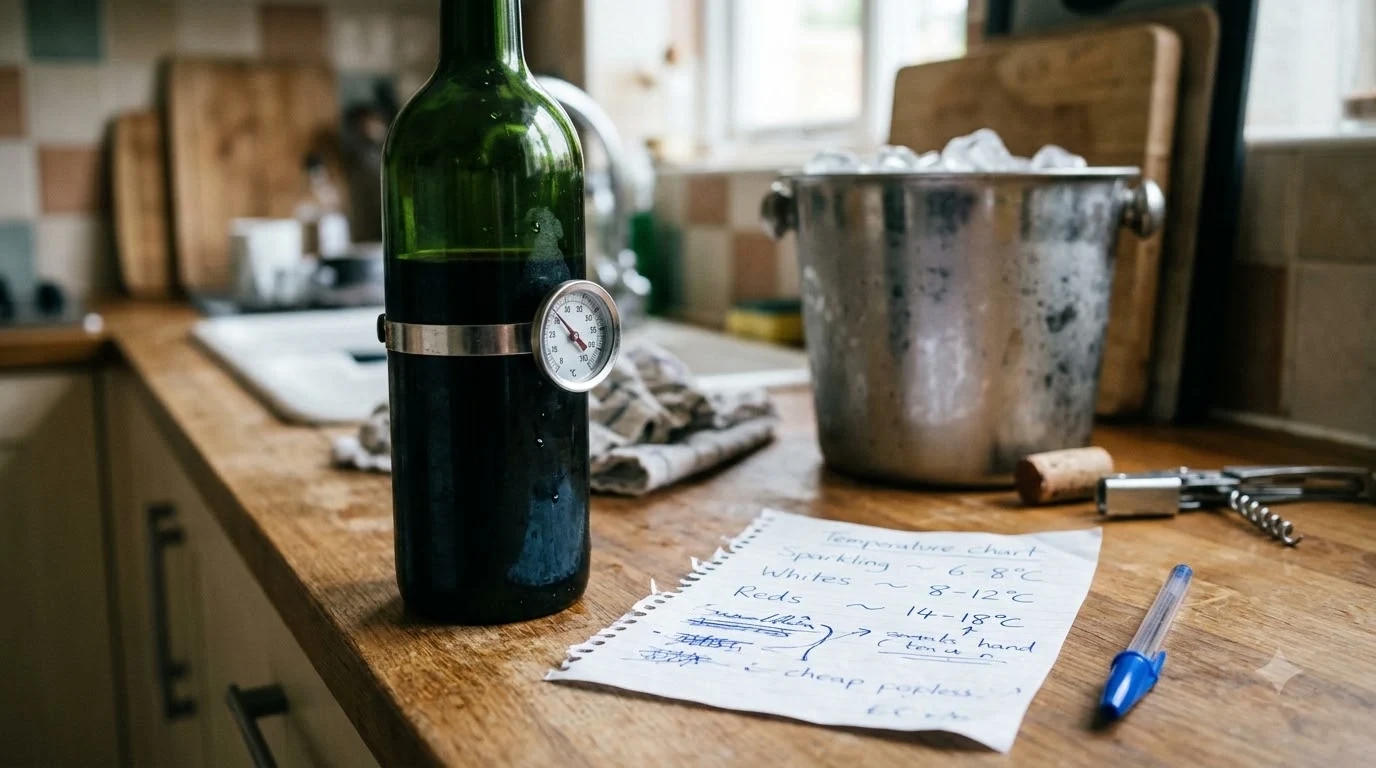
Serving temperature has a real effect on an everyday wine. White wines such as Chardonnay, Sauvignon Blanc, and Pinot Grigio taste best well chilled, which keeps them fresh and lively. Serve the reds a little cooler than room temperature rather than straight from a warm kitchen. A short time in the refrigerator is enough for most bottles.
Glassware is less important, but a medium glass with room to swirl makes the aroma easier to notice. You do not need a decanter for a wine in this style. If a red tastes tight when first opened, let it sit in the glass for ten or fifteen minutes before you judge it.
Food Pairing Ideas
Pairing is one of the easiest ways to get more from a bottle in this range. Cabernet Sauvignon works with grilled steak, pizza with sausage, and hearty burgers. Shiraz is a good partner for barbecue and smoky meats. Merlot suits burgers, roast poultry, and casual pasta dinners, where its softer tannins stay out of the way.
On the white side, Chardonnay is a sensible match for roast chicken, creamy sauces, and Sunday dinners. Sauvignon Blanc is a natural pick for tacos, salads, and fresh herbs, and Pinot Grigio goes well with soft cheeses and light seafood. For a group, a red blend fits roasted salmon or a shared platter of mixed dishes.
The producer’s materials also suggest pairings for each style, from Pad Thai with White Zinfandel to a charcuterie board with the Nouveau Red. Those ideas are a useful starting point, but feel free to adjust them to the dishes you enjoy most.
Comparing Charles Shaw With Other Everyday Wines
Shoppers often compare Charles Shaw with other value-focused wines before choosing a bottle. If you are looking for a fruit-forward white with a little sweetness, our barefoot wine guide covers a similar everyday style. For a light, bubbly option at a casual gathering, the la marca prosecco guide explains how a sparkling wine differs from a still white.
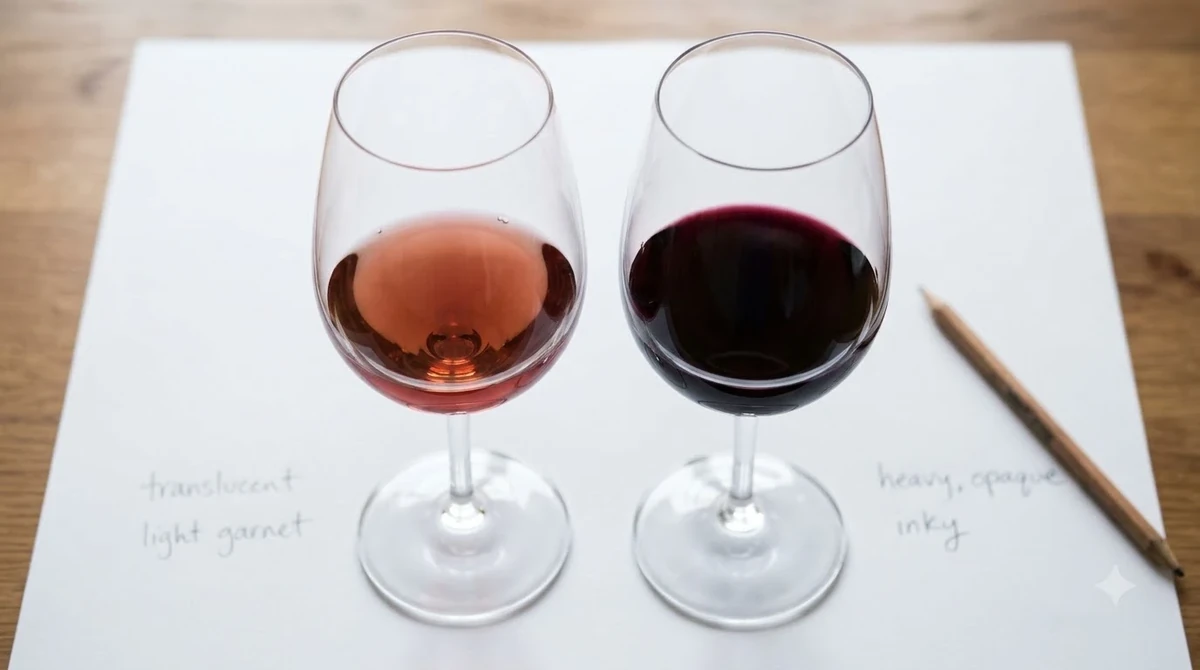
Comparing bottles side by side is the best way to learn your own preferences. Buy one red and one white from the same line, taste them with the same dinner, and note which one you reach for again. That simple test tells you more than any reputation or nickname.
What to Check on the Label
The front label gives the varietal, and the back label usually describes the style and any residual sweetness. Vintage matters less for an everyday line, but it can still tell you when the wine was bottled. If you prefer dry wine, look for descriptions that call the bottle dry or structured. If you prefer a softer glass, look for words such as fruity, smooth, or easy-drinking.
Storage matters too. Keep bottles in a cool, dark place, and avoid leaving them near a stove or in a hot car. Once opened, store white wines in the refrigerator with the cork back in, and drink them within a few days. Reds keep reasonably well for a day or two when kept cool.
For more on the brand itself, the Charles Shaw winery website describes the producer’s approach and lineup. If you want to see how this wine fits into the wider category, the Wine Brands section of this site groups popular labels by style so you can compare them quickly.
Frequently Asked Questions
Where is Charles Shaw wine made?
The brand says its wines are made from California-grown grapes, sourced from northern California hills to the Central Valley. The producer is Bronco Wine Company, a family-owned company.
What does Two Buck Chuck refer to?
Two Buck Chuck is a nickname shoppers use for Charles Shaw wine. It is not the formal name on the label, so check the varietal and vintage printed on the bottle when you buy.
Is Charles Shaw wine a good choice for beginners?
It can be. The lineup includes easy-drinking options such as White Zinfandel and rosé, along with approachable Chardonnay and Merlot, which give new drinkers a range of styles to compare.
What food goes best with Charles Shaw Cabernet Sauvignon?
Grilled steak, pizza with sausage, and hearty burgers are strong matches. The wine’s firmer structure stands up to fat and char, so it is a good choice for smoky, savory dishes.
Charles Shaw wine gives everyday drinkers a broad range of California styles without a complicated shopping routine. Read the varietal on the label, serve each wine at a sensible temperature, and match the style to the dinner. With those steps, a bottle from this line can be a reliable part of a relaxed meal.
More in Wine Brands
 Underwood Wine Price: Compare Bottles, Cans, and Pack SizesUpdated Nov 21, 2026
 Zenato Wine Price: Compare Styles and Choose the Right BottleUpdated Nov 21, 2026
 Zuccardi Wine Price: Compare Bottles and Find the Right RangeUpdated Nov 21, 2026
 Yellow Tail Moscato Review: Taste, Sweetness and Serving TipsUpdated Nov 21, 2026
 Wolf Blass Yellow Label Review: Choose Your Best StyleUpdated Nov 21, 2026
 Wolffer Estate Rose Review: Choose the Right Bottle for Your TableUpdated Nov 21, 2026