

We may earn a commission when you buy through links on this page, at no extra cost to you. Learn more.
Zinfandel food pairing works best with hearty, smoky, and well-seasoned dishes, such as barbecue ribs, pulled pork, grilled chicken, burgers, and aged cheddar. Zinfandel is a bold, full-bodied red with ripe fruit and firm tannins, so it needs food with enough weight and spice to keep pace. Lighter dishes tend to taste thin beside it.
This guide explains why zinfandel matches so well with rich, smoky food, which dishes to try first, and which pairings to avoid. It also covers how to serve the wine so its fruit and spice come through at the table.
Why Zinfandel Pairs Well With Rich Food
Zinfandel is a dark, generous red. Reference guides describe its typical flavors as blackberry, strawberry, peach preserves, cinnamon, and sweet tobacco, with more black fruit and baking spice in wines from warmer climates. The style is dry and full-bodied, with medium-high tannins and fairly low acidity. That combination means the wine can stand up to fat and char, but it can also taste heavy next to delicate food.
The practical rule is to match weight with weight. A roast or grilled dish with some fat and caramelized edges gives the tannins something to soften against. Without that richness, a zinfandel can feel dry and hot on the palate, especially if the wine is higher in alcohol.
Best Meats to Serve With Zinfandel
Hearty meats are the strongest match for zinfandel, and barbecue is the classic choice. Smoky ribs, pulled pork with a tangy sauce, and grilled chicken with a charred crust all share the wine’s roasted and spiced character. Burgers with sharp toppings also work well, since the wine handles the beef fat without getting lost.
Roast lamb is another good option, especially when it is seasoned with garlic and rosemary. Lamb’s gamey richness lines up with the wine’s dark fruit. If you are serving a leaner cut, such as chicken breast, add a glaze or a smoky spice rub so the food carries enough flavor to meet the wine.
| Dish | Why it works | Ideal zinfandel style |
|---|---|---|
| Barbecue ribs or pulled pork | Smoke and sweet sauce echo the wine’s spice and jammy fruit | Bold California zinfandel |
| Grilled burgers | Beef fat softens the tannins | Full-bodied, fruit-forward red |
| Roast lamb | Rich meat with herbs matches dark fruit | Structured, medium-to-full zinfandel |
| Aged cheddar or smoked gouda | Salt and smoke balance ripe fruit | Any zinfandel with enough body |
Tip: Hot sauces and vinegar-heavy marinades can overpower a zinfandel. Pick one bold flavor for the plate, such as smoke or spice, and let the wine carry the rest.
Vegetables and Spices That Suit Zinfandel
Zinfandel is not only a meat wine. Vegetables with deep, caramelized flavor pair well with it, including caramelized onions, roasted tomatoes, grilled eggplant, and sautéed mushrooms. These dishes share the wine’s savory side, so they make a good meat-free option for a dinner party.
Spices are where zinfandel can surprise people. Cajun seasoning, cumin, black pepper, and cinnamon all sit comfortably beside the wine’s spice notes. Moroccan and Turkish spice blends, which are often built on cumin and cinnamon, are a natural fit as well. Keep the heat moderate, because very hot chili can make the alcohol feel sharper than it is.
Cheese and Charcuterie Matches
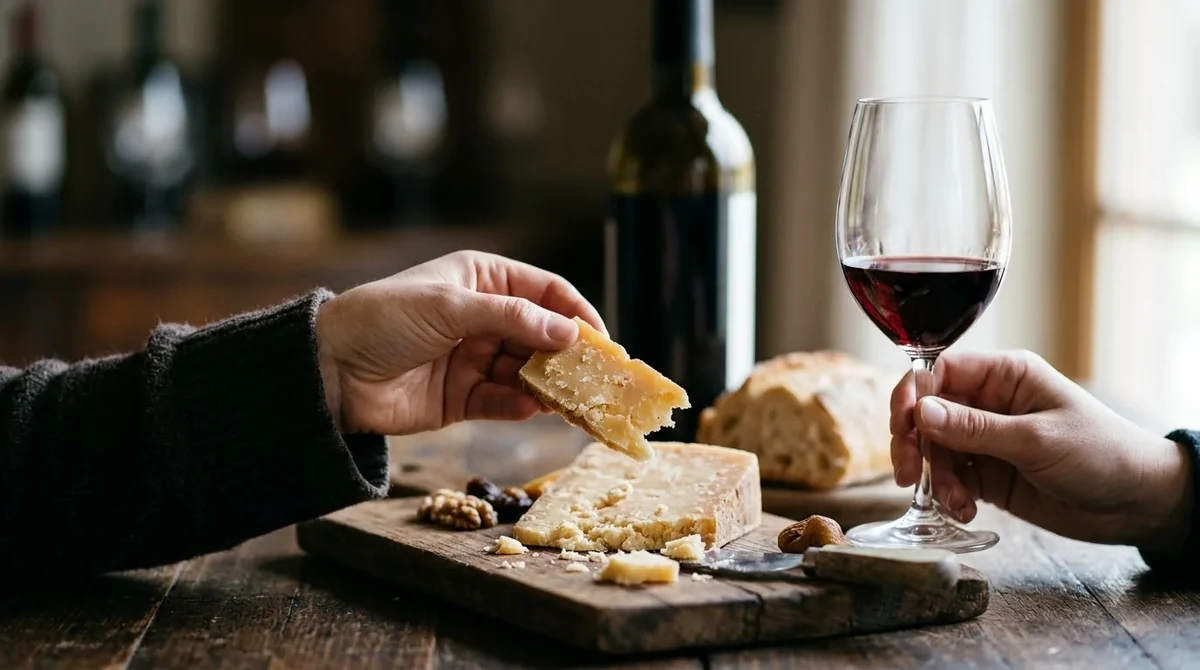
Cheese works when it has a firm texture and a clear flavor. Sharp cheddar and smoked gouda are reliable choices, and grilled halloumi is a good pick for a vegetarian platter because the browning brings out savory notes that match the wine. Soft, mild cheeses tend to disappear next to a full-bodied red, so save those for a lighter bottle.
For charcuterie, cured meats with smoke or pepper are the most reliable companions. Salami with black pepper, smoked sausage, and peppered salami all echo the zinfandel’s spice without fighting its fruit.
How to Serve Zinfandel With Dinner
Temperature has a large effect on how zinfandel tastes with food. Reference guides suggest serving it at roughly 60 to 68 degrees Fahrenheit, which is cooler than many people expect for a red. A bottle that sits too long in a warm dining room can taste hot and heavy, while a short time in a cool spot or the refrigerator brings the fruit forward.
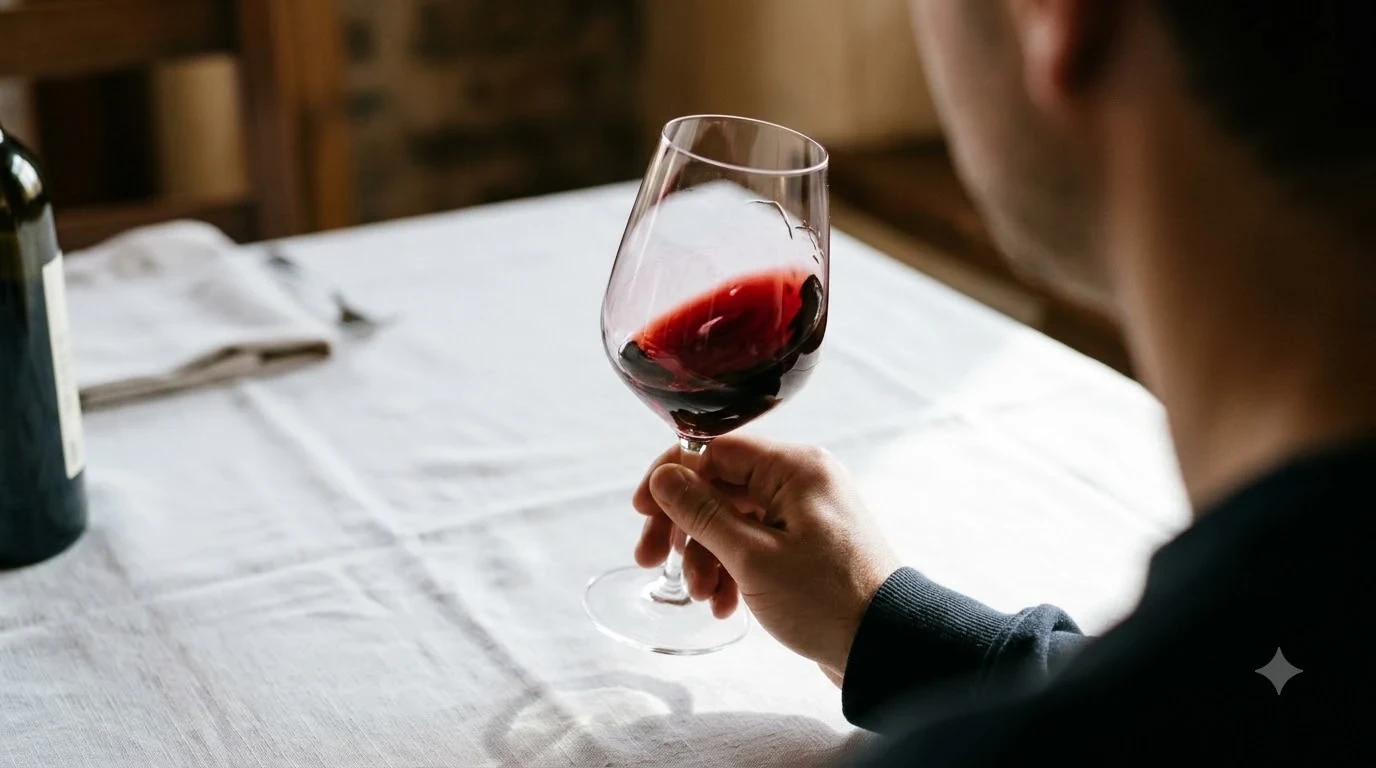
Open the bottle a little before the meal if the wine tastes tight at first. Zinfandel often opens up as it breathes, and the fruit and spice become more defined within half an hour. A large glass with room to swirl helps the aroma reach you, which matters when the wine is this aromatic.
Foods to Avoid or Pair With Care
Some foods make zinfandel harder to enjoy. Delicate fish, such as sole or light trout, gets lost beside a bold red. Very sweet desserts can make the wine taste sharp, although a fruit-based dessert such as berry crisp can work if the wine is also fruit-forward. Dishes built on lemon or vinegar can clash with the wine’s soft acidity and make it taste flat.
Spicy food needs care. Wine can intensify heat, so a mild spice blend is safer than a fiery curry or a sauce loaded with chili. If you want a hot dish, pour a slightly cooler zinfandel and keep the food’s heat moderate.
Choosing a Zinfandel for Your Meal
Not all zinfandels are built the same way. Wines from cooler areas lean toward red berries and brighter acidity, which makes them easier to match with lighter meats and vegetable dishes. Wines from warmer climates show deeper black fruit and more pepperiness, so they suit barbecue and big roasts. Italian versions made from primitivo, the same grape under another name, often run lighter or sweeter depending on the style, so read the bottle carefully before you pair it.
If you are choosing a bottle for a broader group, a medium-bodied red with soft tannins is a safer bet than the most intense zinfandel on the shelf. For ideas on how other red wines fit into a family dinner, see our Wine Brands section, and compare a similar style in our apothic red wine guide.
The source for the grape’s typical flavors, serving range, and pairings is the Wine Folly zinfandel guide, which is a good next read if you want more detail on the grape’s history and regional styles.
Frequently Asked Questions
What food goes best with zinfandel?
Barbecue ribs, pulled pork, grilled burgers, and roast lamb are the strongest matches. Smoky, savory dishes with some fat let the wine’s tannins soften, and they echo its spice and dark fruit.
Can you serve zinfandel with chicken?
Yes, especially grilled or roasted chicken with a smoky rub or a barbecue glaze. Plain poached chicken is too light for most zinfandels and tends to taste thin beside the wine.
Should zinfandel be served chilled?
A light chill is usually better than serving it warm. Reference guides suggest a range of about 60 to 68 degrees Fahrenheit, so a short time in the refrigerator or a cool room can make the fruit more noticeable.
Is zinfandel a good wine for spicy food?
It can work with moderate spice, such as smoky or cajun seasoning. Very hot chili dishes tend to intensify the heat and the alcohol, so a cooler, lighter red is usually the better choice for fiery food.
Zinfandel rewards bold, savory food. Pick a hearty main, add a smoky or caramelized side, serve the wine at a sensible temperature, and avoid dishes that are too delicate or too sour. With those choices, the wine’s fruit and spice will sit comfortably at the center of the meal.
More in Wine Brands
 Underwood Wine Price: Compare Bottles, Cans, and Pack SizesUpdated Nov 21, 2026
 Zenato Wine Price: Compare Styles and Choose the Right BottleUpdated Nov 21, 2026
 Zuccardi Wine Price: Compare Bottles and Find the Right RangeUpdated Nov 21, 2026
 Yellow Tail Moscato Review: Taste, Sweetness and Serving TipsUpdated Nov 21, 2026
 Wolf Blass Yellow Label Review: Choose Your Best StyleUpdated Nov 21, 2026
 Wolffer Estate Rose Review: Choose the Right Bottle for Your TableUpdated Nov 21, 2026