

We may earn a commission when you buy through links on this page, at no extra cost to you. Learn more.
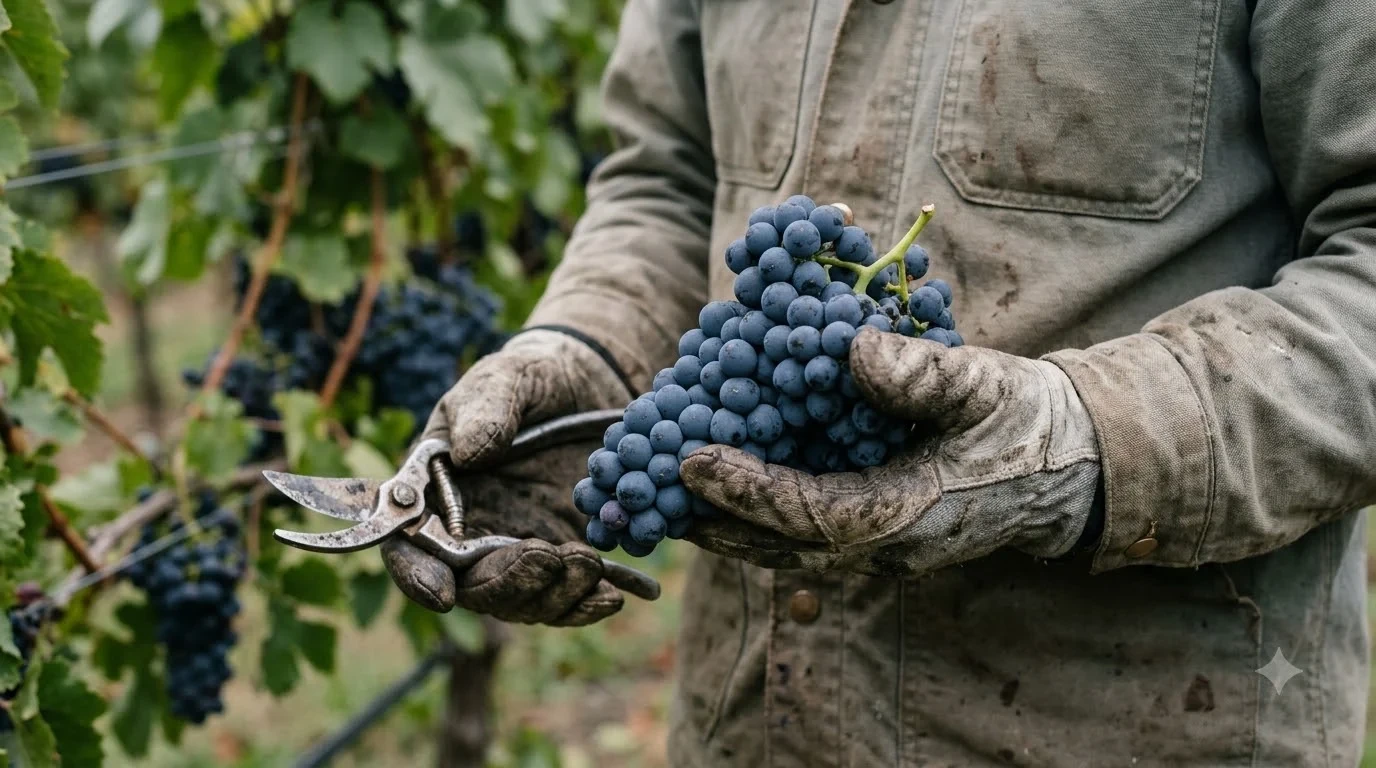
A primitivo grape is a dark-skinned red wine grape grown mainly in Italy’s Puglia region, and it is genetically the same grape family as California’s Zinfandel. Both names describe clones of one Croatian variety, so the two wines share a common identity. Primitivo wines are usually fruit-forward and deeply colored, though their style shifts with the vineyard and winemaker.
This guide explains where the primitivo grape came from, why it is linked to Zinfandel, and how the style changes between southern Italy and California. It also helps you read Puglia-labeled bottles and choose the right Primitivo for your table.
What Is Primitivo?
Primitivo is a red grape best known from the Puglia region in the heel of Italy. The grape is used mostly for red wine, and it has a long history in the region. Its name in Italy is different from the names used in other countries, which is one reason many American drinkers have never connected it with Zinfandel.
DNA work changed how experts see the grape. According to the Foundation Plant Services variety record at UC Davis, DNA analysis established that Zinfandel and Primitivo match each other, and that both are linked to the Croatian grape Crljenak kaštelanski. The same record lists many other synonyms, including Tribidrag and Pribidrag, which appear in Croatian sources.
The first recorded presence of the grape in Italy is placed around 1800 in Gioia del Colle, a small town in Puglia. One theory holds that the vine crossed the Adriatic from Croatia in the 1700s. Some writers also say early Italian growers noticed that it ripened sooner than other vines, which may explain its name.

Primitivo and Zinfandel: Same Grape, Different Styles
Primitivo and Zinfandel are close relatives in the strict sense: they are different clones of one variety. A clone is a naturally occurring genetic subtype that growers can propagate from a vine they prefer. Small genetic changes can affect berry size, cluster shape and ripening time, but they do not make a new grape by themselves.
The names can be confusing in the United States. Dr. Vinny, the wine columnist at Wine Spectator’s Q&A column on this question, notes that U.S. labeling rules do not let American wineries use the two names interchangeably. That is why a bottle blending Primitivo and Zinfandel is possible: it combines two clones of the same grape. European labels handle the names differently.
Research at UC Davis, cited by the Shades of Grape newsletter, found that the Primitivo clone reached maturity earlier than the Zinfandel clone. The reported sugar levels were 24 degrees Brix for Primitivo and 26 for Zinfandel. Because sugar and ripeness drive alcohol, this timing difference can shape the final wine, though terroir and winemaking matter just as much.
Where Primitivo Grows: Puglia and Beyond
Puglia is the most important home for Primitivo today. The region stretches along the Adriatic and Ionic coasts and is an important area for both wine and table grapes. Primitivo shares the vineyard setting there with Sangiovese, Negroamara and Trebbiano, and it is one of the region’s leading red grapes.
Outside Italy, California grows the most Primitivo-linked vines, which are labeled Zinfandel. A Shades of Grape article cites about 16,000 hectares of Zinfandel in California in 2020. The grape also reached New York’s Long Island in 1829 and was used for table grapes and wine in the eastern United States before the West Coast boom.
If you see Puglia on a label, you are looking at a southern Italian wine that may be labeled Primitivo. Some bottles name a specific subzone or producer, and a few use local names from the region. Check the back label or the producer’s website for the grape and place details, since these vary by bottle.
Flavor Profile and Typical Style
Primitivo is known for ripe, dark fruit and a warm, generous feel. The style depends on where the grapes grew and how long the wine spent in oak. Southern Italian examples often lean toward juicy fruit with moderate structure, while California Zinfandel is often bolder and more concentrated.
| Feature | Typical southern Italian Primitivo | Typical California Zinfandel |
|---|---|---|
| Fruit character | Red and dark cherry, plum, sour cherry | Jammy blackberry, raspberry, ripe plum |
| Body | Medium to full, depending on producer | Often full and rich |
| Tannins | Moderate, sometimes with a chalky texture | Can be firm and grippy in bolder bottlings |
| Spice and oak | Baking spice, cocoa, earth, varies with oak use | Pepper, vanilla and sweet oak in many examples |
| Alcohol level | Varies by vintage and harvest timing | Often higher in warm sites |
Tasting notes from one Puglia Primitivo shared by a Canadian wine retailer describe strawberry, rhubarb, cherry, blueberry, cocoa and a hint of leather. That combination shows how Primitivo can mix bright fruit with savory and spicy notes. Expect more fruit in a young bottle and more earthy character as the wine ages.
Quality varies widely. A lighter, early-harvested Primitivo can taste fresher and less heavy, while a late-harvested bottle from a warm vineyard may feel jammy. Read producer notes, and compare the stated style with the wine you usually enjoy, such as lighter reds or bold, fruity reds.
Food Pairing and Cooking With Primitivo
Primitivo pairs well with food that has plenty of flavor and some fat. Its fruit and moderate tannins work with grilled meat, tomato-based dishes and aged cheeses. Lighter Primitivo styles can also suit pizza and casual Italian dinners.
The same retailer suggested BBQ ribs, brisket, cheeseburgers, pizza, spicy food and aged cheeses such as Parmigiano-Reggiano or Pecorino. For a practical starting point, pair a bolder Zinfandel-style bottle with smoky barbecue and a fresher southern Italian bottle with tomato sauce, sausage or roasted vegetables.
Primitivo also works in the kitchen. Use a modest amount in braises, tomato sauces or stews, and cook it down so the alcohol fades and the fruit concentrates. Choose a bottle you would be happy to drink with the meal. For broader ideas, browse the Wine by Type section of this site.
How to Buy and Store Primitivo
Buying Primitivo is easier when you know which label details to check. Look for the grape name, the country and region, and the producer. If you want a Zinfandel-style wine, a California bottle labeled Zinfandel is the right choice. If you want a southern Italian style, look for Primitivo and a Puglia reference on the label.
- Check whether the label names Primitivo or Zinfandel, since U.S. rules control how those names appear.
- Read the producer’s notes on oak use and harvest timing for a clearer style guide.
- Compare vintage information, since a warm year can make the wine richer.
- If you are new to the grape, start with a mid-priced bottle and compare it with a Zinfandel from California.
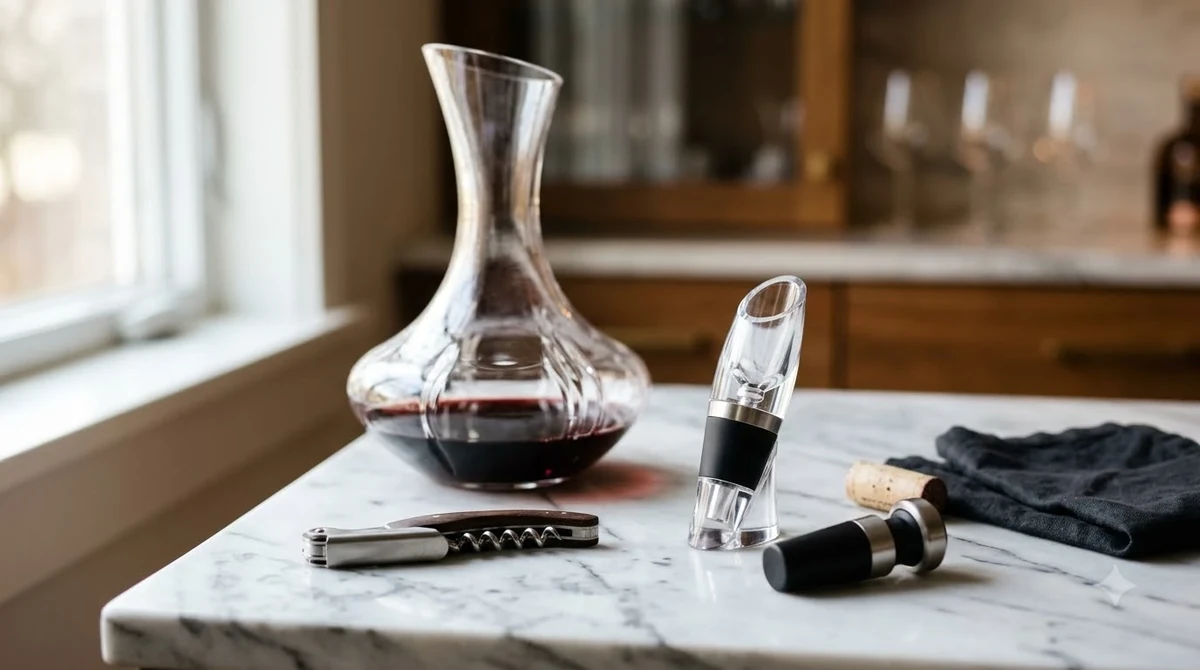
Store unopened bottles in a cool, dark place away from heat and sunlight. Most Primitivo is meant for drinking within a few years, though bolder examples can age longer. Once opened, reseal the bottle and refrigerate it for a short time if you need to keep it. Let red wine warm slightly before serving, and avoid leaving it near a hot stove.
Tip: If you enjoy Primitivo, try related Italian and crisp white styles for variety, such as the chianti grape or the catarratto grape. The colombard grape is a useful contrast for a lighter, fresher white.
Frequently Asked Questions
Is Primitivo the same as Zinfandel?
Primitivo and Zinfandel are different clones of the same grape variety, according to DNA research cited by UC Davis. The wines can taste different because of climate, winemaking and clone differences. U.S. labels may not use the names interchangeably.
Where is Primitivo grown most?
Primitivo is most closely associated with Puglia in southern Italy. California also grows large amounts of the same grape under the Zinfandel name. Check the label or producer website to confirm the region of a specific bottle.
What does Primitivo taste like?
Primitivo usually tastes of ripe dark fruit, such as cherry, plum or blackberry, with spice and some earthy notes. Southern Italian styles often feel brighter, while California Zinfandel can be richer and bolder. Your experience will depend on the producer and vintage.
What foods go well with Primitivo?
Primitivo pairs well with grilled meats, barbecue, tomato-based dishes, pizza and aged cheeses. Its fruit and moderate tannins balance rich, savory food. Serve it with a meal rather than on its own for the best match.
Primitivo is a grape worth knowing because it links Italy’s Puglia region with California’s Zinfandel. Start by reading labels for grape name, region and producer, then match the style to the food you plan to serve. For more background on grape families, explore the Wine by Type guides.
More in Wine Types & Grapes
 Zinfandel Sugar Content: Dry Red vs. White Zinfandel GramsUpdated Nov 21, 2026
 Best Zinfandel Substitute Options for Sipping and CookingUpdated Nov 21, 2026
 Zweigelt Food Pairing: Best Dishes, Cheeses, and Serving TipsUpdated Nov 21, 2026
 Zinfandel Tannins Explained: How Structure Shapes Every BottleUpdated Nov 21, 2026
 Zinfandel Sweetness Level: Dry Red vs. Sweet White Zin ExplainedUpdated Nov 21, 2026
 Xinomavro Food Pairing: Best Dishes, Styles, and Serving TipsUpdated Nov 21, 2026