

We may earn a commission when you buy through links on this page, at no extra cost to you. Learn more.
Carricante wine is a crisp, dry white wine made from an indigenous Sicilian grape grown almost exclusively on the high volcanic slopes of Mount Etna. Celebrated for its electric acidity, citrus-and-green-apple aromas, and unmistakable salty, crushed-rock finish, it serves as the backbone of Italy’s Etna Bianco DOC appellation. Most bottlings sit around 12% to 13% ABV and develop complex notes of honey, toasted almond, and even Riesling-like petrol after several years in the bottle.
Long overshadowed by Sicily’s bold red wines and bulk white production, this mountain-grown white has earned a devoted following among sommeliers and collectors looking for white wine types with serious structure and aging potential. Understanding how volcanic soils, extreme altitude, and careful cellar work shape the grape makes it far easier to pick the right bottle for dinner or the cellar.
What Is Carricante Wine?
Carricante is a white wine grape native to eastern Sicily, where growers have cultivated it on the flanks of Mount Etna for centuries. Its name derives from the Italian word for “cart,” a nod to the vine’s generous natural yields that historically filled wooden harvest wagons to the brim. Today, quality-focused estates prune the vines aggressively to keep yields low, concentrating the grape’s natural aromatics and piercing acidity.
Under Italian wine law, Carricante is the mandatory lead grape in Etna Bianco DOC, where regulations require it to make up at least 60% of the blend. The remaining percentage typically comes from Catarratto, Sicily’s most widely planted white grape, along with small additions of Minnella Bianca to soften the palate. When producers source fruit exclusively from the eastern village of Milo and use at least 80% Carricante, the bottle qualifies for the prestigious Etna Bianco Superiore designation.
Unlike light-bodied Colombard or soft Mediterranean whites meant solely for poolside sipping, Carricante behaves much more like a classic northern European white. Winemakers often compare its linear drive and longevity to dry German Riesling or Chablis, making it one of southern Italy’s most distinctive table wines.
Flavor Profile and Wine Styles
In its youth, carricante wine delivers a razor-sharp bouquet of lemon peel, grapefruit pith, crunchy green apple, and white orange blossom, layered over a distinct whiff of wet stone and sea spray. On the palate, it is bone-dry and medium-bodied with brisk acidity and a long, mouthwatering, saline finish that leaves a tingly mineral impression.
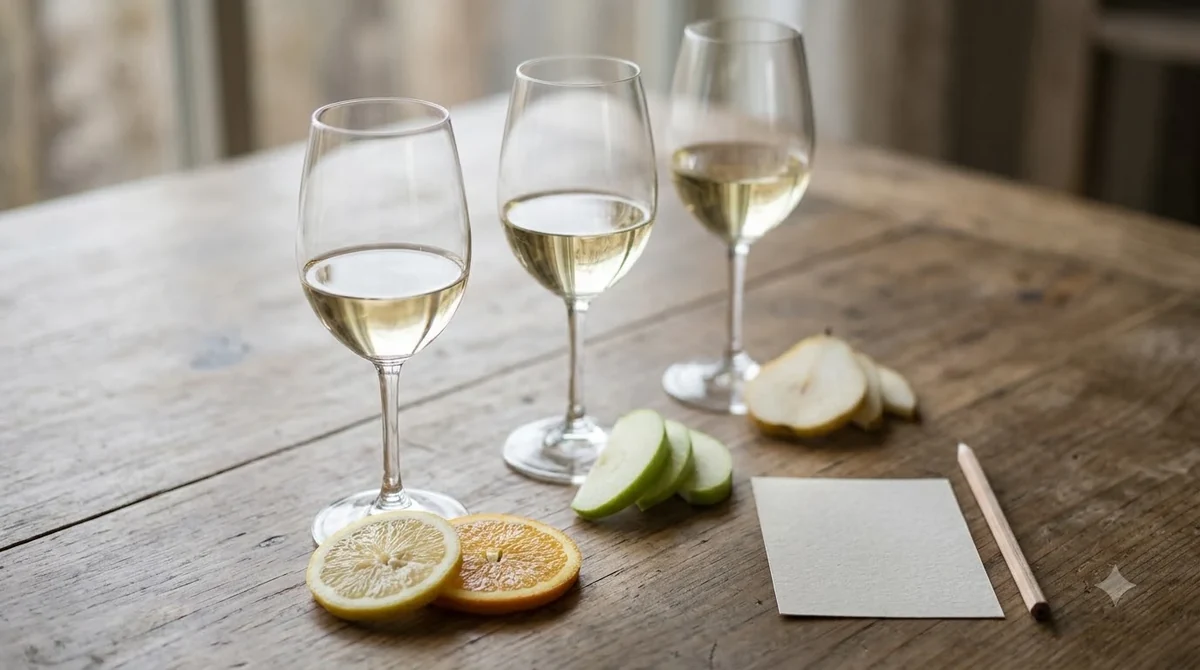
According to Wine Folly’s Sicily grape guide, cellaring a well-made bottle transforms its profile dramatically over five to ten years. As the wine matures, bright citrus gives way to richer yellow apple, just-ripe peach, chamomile, and beeswax, accompanied by a subtle kerosene or petrol aroma. That distinctive scent comes from TDN, a naturally occurring aroma compound that also gives aged Riesling its classic bouquet.
Producers generally vinify Carricante in one of two stylistic directions depending on the vineyard site and intended drinking window:
- Stainless-Steel Unoaked Styles: Fermented and aged in neutral tanks with several months on fine lees, these bottlings highlight pure citrus, green herbs, and crunchy volcanic minerality for immediate enjoyment.
- Oak-Aged and Contrada Bottlings: Single-vineyard (contrada) wines or Etna Bianco Superiore releases often spend time in large neutral oak casks or tonneaux, gaining creamy mid-palate texture, toasted almond notes, and greater cellar longevity.
Where Carricante Grows
While small experimental plantings exist elsewhere in Sicily—including around Ragusa at roughly 400 meters above sea level—Carricante’s spiritual and commercial home is Mount Etna. Vineyards wrap around the northern, eastern, and southern slopes of Europe’s largest active volcano in a crescent-shaped amphitheater, climbing from 400 meters to more than 1,000 meters in elevation.

At these extreme heights, Carricante thrives where red varieties such as Nerello Mascalese and Sangiovese would struggle to ripen fully. As Wine Scholar Guild notes, persistent mountain breezes, intense high-altitude sunlight, and dramatic swings between warm days and cold nights allow this late-ripening grape to develop complex aromatics without losing its signature acidity.
Beneath the vines lies a patchwork of ancient lava flows, volcanic ash, sand, and decomposed pumice. Because the volcanic ash is coarse and free-draining, phylloxera—the root louse that devastated European vineyards in the nineteenth century—cannot easily survive here. Consequently, several Etna estates still farm ungrafted, pre-phylloxera bush vines (known locally as alberello) that are over 80 to 100 years old.
| Appellation / Label Tier | Minimum Carricante | Key Geographical Rule | Typical Style & Aging |
|---|---|---|---|
| Etna Bianco DOC | 60% minimum | Grown within designated Etna DOC slopes | Crisp, citrus-driven, unoaked; best within 1–5 years |
| Etna Bianco Superiore DOC | 80% minimum | Exclusively from the commune of Milo (east slope) | Structured, deeper mineral complexity; ages 5–12+ years |
| Terre Siciliane IGT | Up to 100% (varietal) | Sourced anywhere across Sicily outside Etna DOC | Softer fruit, rounder palate, approachable early |
How to Serve Carricante Wine
Serving temperature makes a noticeable difference with Carricante because chilling the wine too aggressively mutes its delicate floral and stone-fruit aromatics. Aim for a cool cellar chill of 46°F to 52°F (8°C to 11°C)—roughly 20 to 30 minutes out of a standard kitchen refrigerator before pouring.
Pour the wine into a standard white wine glass with a medium-sized tulip bowl rather than a narrow flute. The wider bowl concentrates citrus blossom and crushed-rock aromas toward the rim while directing the wine cleanly across the palate so its lively acidity stays balanced.
Tip: If you open a young single-vineyard Etna Bianco Superiore and it tastes tight or overly stony on the first sip, decant it for 30 minutes—a little air opens up hidden notes of white peach, wild fennel, and chamomile.
Food Pairing Ideas
Carricante’s combination of high natural acidity and subtle sea-salt minerality makes it one of the most versatile white wines at the dinner table. Its crisp edge slices cleanly through rich, fried, or oily dishes while echoing savory herbal flavors.
Traditional Sicilian coastal cuisine offers natural regional matches, particularly raw crudo, oysters, grilled swordfish with lemon and oregano, and pasta alle vongole (spaghetti with clams). Reviewers at VinePair also point out that its smoky, stony undertones pair remarkably well with roasted porcini mushrooms, herb-breaded stuffed sardines, and golden fried arancini.
Beyond Italian cooking, Carricante excels alongside vibrant Southeast Asian dishes. Mild Thai green curries, lemongrass-marinated shrimp, and Vietnamese spring rolls play off the wine’s lime-zest brightness without clashing with gentle chili heat.
How to Choose a Quality Bottle
Shopping for carricante wine becomes straightforward once you know which geographic cues to look for on the front label. Start by checking the appellation: bottles labeled Etna Bianco DOC deliver the classic high-elevation volcanic profile, while Etna Bianco Superiore signals stricter sourcing from Milo and higher Carricante percentages.
Look closely for a contrada name—single-district designations such as Calderara Sottana, Santo Spirito, or Pietrarizzo—if you want a more nuanced, age-worthy bottle. Producers like Benanti (whose Pietra Marina bottling pioneered modern single-vineyard Carricante in 1990), Tenuta delle Terre Nere, Planeta, and Barone di Villagrande consistently showcase how different lava flows shape the grape.
Finally, match the vintage to your plans for the bottle. Choose releases from the past one to three years when you want pure citrus snap and refreshing salinity, or seek out four- to seven-year-old vintages from top Milo producers if you prefer rounder honeyed texture and mature mineral complexity.
Frequently Asked Questions
What does carricante wine taste like?
Carricante wine tastes crisp, dry, and intensely mineral, with bright flavors of lemon zest, grapefruit, green apple, and white blossom. It finishes with a distinctive salty, flinty sensation driven by high natural acidity and volcanic soils, developing richer notes of yellow peach, honey, and toasted almond as it ages.
Is Etna Bianco made from 100% Carricante?
Not always, though many top estates bottle 100% Carricante. Under Etna DOC rules, standard Etna Bianco must contain at least 60% Carricante, while Etna Bianco Superiore requires a minimum of 80%, with the remainder usually blended from Catarratto or Minnella Bianca.
Can you age carricante wine?
Yes, high-elevation Carricante—especially Etna Bianco Superiore and single-contrada bottlings—ages remarkably well for 7 to 12 years or longer. Its naturally low pH and high acidity preserve freshness while allowing complex aromas of preserved lemon, beeswax, and Riesling-like petrol to emerge.
How is Carricante different from Catarratto?
Carricante grows primarily on the high volcanic slopes of Mount Etna and produces leaner, higher-acid wines with pronounced citrus and saline minerality. Catarratto grows across all of Sicily, offering fuller body, lower acidity, and riper notes of tropical fruit, ripe lemon, and almond.
Whether poured alongside simple grilled seafood on a weeknight or tucked away in a cool cellar for a special occasion, carricante wine offers a compelling window into Mount Etna’s volcanic terroir. Paying attention to village designations, vintage age, and serving temperature will ensure every bottle shows the grape at its vibrant best.
More in Wine Types & Grapes
 Zinfandel Sugar Content: Dry Red vs. White Zinfandel GramsUpdated Nov 21, 2026
 Best Zinfandel Substitute Options for Sipping and CookingUpdated Nov 21, 2026
 Zweigelt Food Pairing: Best Dishes, Cheeses, and Serving TipsUpdated Nov 21, 2026
 Zinfandel Tannins Explained: How Structure Shapes Every BottleUpdated Nov 21, 2026
 Zinfandel Sweetness Level: Dry Red vs. Sweet White Zin ExplainedUpdated Nov 21, 2026
 Xinomavro Food Pairing: Best Dishes, Styles, and Serving TipsUpdated Nov 21, 2026