

We may earn a commission when you buy through links on this page, at no extra cost to you. Learn more.
There is no single “amarone grape”—Amarone della Valpolicella is a dry Italian red wine made from a blend of native Veneto varieties led by Corvina, Corvinone, and Rondinella. Under Italy’s DOCG rules, winemakers combine 45% to 95% Corvina (with Corvinone allowed to substitute for up to half of that share) alongside 5% to 30% Rondinella and small amounts of local grapes like Molinara and Oseleta. The defining trait of the wine is not one secret cultivar, but the traditional appassimento drying process that dehydrates these thick-skinned grapes for months before fermentation.
Shoppers browsing an Italian wine aisle often assume Amarone is a single grape variety, much like Merlot or Cabernet Sauvignon. In reality, Amarone takes its name from the Italian word amaro (bitter)—a nod to its dry, savory finish compared to its sweet sibling, Recioto della Valpolicella. Understanding the distinct grapes in the bottle explains why this northern Italian red delivers intense dark fruit, high alcohol, and silky structure all at once.
What Is the Amarone Grape?
Rather than relying on a single variety, Amarone della Valpolicella DOCG is built on a regulated blend of indigenous northern Italian red grapes that thrive in the hills around Verona. Corvina serves as the aromatic and acidic backbone, supported by Corvinone and Rondinella.
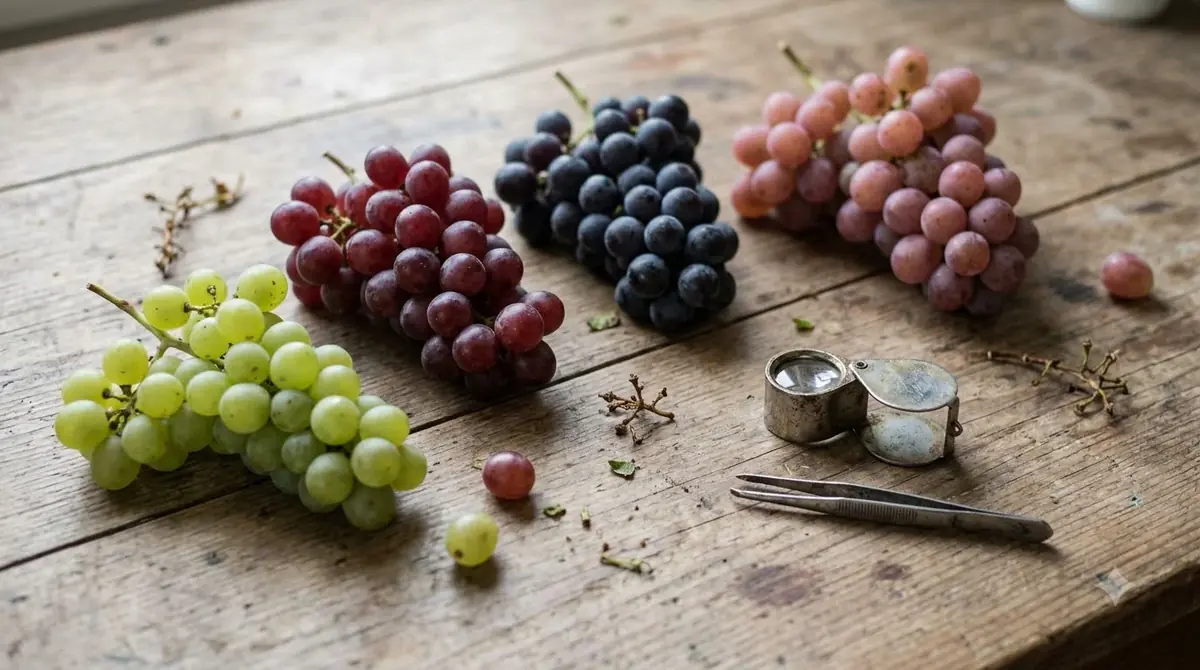
Corvina (also called Corvina Veronese) is the undisputed star of the blend. Its thick, elastic skins resist rot during months of post-harvest air-drying, while its naturally brisk acidity prevents the finished wine from feeling heavy or syrupy. When vinified fresh, Corvina yields light, tart-cherry reds, but drying transforms it into a concentrated powerhouse layered with black cherry, cinnamon, and bitter almond.
Corvinone was long mistaken for a clone of Corvina until ampelographers classified it as an independent variety in 1993. Producing larger clusters and berries, Corvinone ripens slightly later on hillside vineyards and contributes mid-palate weight, spice, and balsamic depth. Rondinella rounds out the core trio—accounting for 5% to 30% of the blend—by adding deep ruby color, floral aromatics, and dependable disease resistance in the vineyard.
Winemakers may also include up to 25% of other authorized local red grapes. Molinara, once a staple of the region, still appears in small quantities to lift freshness and acidity, while ancient, deeply pigmented varieties like Oseleta and Croatina bring extra tannic grip and dark-fruit complexity.
How the Appassimento Method Shapes Flavor and Styles
While the grape varieties provide the raw blueprint, the appassimento drying technique is what turns ordinary Valpolicella fruit into Amarone. After hand-harvesting only healthy, unblemished bunches, producers lay the grapes on bamboo racks or shallow ventilated crates for roughly three to four months, allowing them to lose around 40% of their water weight.
As water evaporates from the berries, natural sugars, acids, and phenolic compounds concentrate dramatically. According to Wine Folly’s guide to Amarone winemaking, fermentation takes 35 to 50 days—far longer than standard table wines—converting nearly all of that concentrated sugar into alcohol. By law, Amarone must reach at least 14% ABV, and most bottles land between 15% and 16.5% ABV while still finishing dry with a faint, velvety hint of residual richness.
| Amarone Blend Grape | Permitted Share | Key Flavor & Structural Role |
|---|---|---|
| Corvina (Corvina Veronese) | 45%–95% (combined with Corvinone) | Thick skins for drying; sour and black cherry, violet, brisk acidity, bitter almond finish |
| Corvinone | Up to 50% of the Corvina quota | Larger berries; adds body, structure, dark spice, and balsamic complexity |
| Rondinella | 5%–30% | Deep color, floral perfume, soft tannins, and reliable drying resilience |
| Molinara, Oseleta & Local Reds | Up to 25% total | Molinara adds crisp acidity; Oseleta and Croatina boost pigment and tannic structure |
Depending on aging and house philosophy, Amarone splits into distinct stylistic expressions. Traditional producers dry grapes in naturally ventilated lofts and mature the wine in large Slavonian oak casks, highlighting dried cherry, fig, leather, and dried herbs. Modern producers often use climate-controlled drying rooms and smaller French oak barriques, emphasizing plush blackberry, cocoa, vanilla, and sweet baking spices. Standard Amarone requires two years of aging from the January following harvest, whereas Amarone Riserva ages for at least four years.
The exact same grapes also power the rest of Valpolicella’s wine hierarchy, which shares a broader Italian tradition of regionally bound indigenous varieties much like the chianti grape in Tuscany. Fresh-pressed fruit makes light, vibrant Valpolicella Classico; re-fermenting young Valpolicella over leftover Amarone grape skins creates medium-bodied Valpolicella Ripasso; and halting fermentation early on dried grapes produces sweet Recioto della Valpolicella.
Where Amarone Grapes Grow
Every true bottle of Amarone comes from the Valpolicella appellation in northeastern Italy’s Veneto region, situated in the foothills between Lake Garda and the city of Verona. Across roughly 20,000 acres of vineyard land, cooling breezes from Lake Garda and the Lessini Mountains moderate warm summers, preserving the crisp natural acidity that keeps Corvina-based wines balanced.
As Decanter notes in its overview of Amarone sub-zones, terroir shifts noticeably across Valpolicella’s three geographical areas. The historic Classico zone—spanning hillside communes such as Fumane, Marano, Negrar, Sant’Ambrogio, and San Pietro in Cariano—is prized for producing the most aromatic, finely structured, and age-worthy bottles.
Just east of the Classico heartland lies the Valpantena valley, where cooler air currents yield slightly lighter, brighter, and more fruit-driven expressions. Further east toward the Soave border sits the Extended (Est) zone, encompassing valleys like Illasi, Mezzane, and Tregnago, where warmer exposures frequently produce fuller, higher-alcohol, and more muscular styles. Outside Veneto, Corvina exists only in tiny experimental plantings—fewer than 50 acres combined across Argentina and Chile—making Amarone a strictly northern Italian specialty.
How to Serve Amarone
Because Amarone combines high alcohol with dense aromatics, serving temperature and glassware make a noticeable difference in how balanced the wine tastes. Serving it too warm exaggerates alcoholic heat, while serving it too cold mutes its layered bouquet.
Aim to pour Amarone slightly below room temperature, ideally between 60°F and 64°F (16°C to 18°C). A 20- to 30-minute chill in the refrigerator before opening brings a room-temperature bottle right into the sweet spot. Use oversized, wide-bowled red wine glasses—similar to Burgundy or balloon stems—so volatile aromas of dried rose, cherry liqueur, and spice have room to open up.
Decanting is strongly recommended for nearly every vintage. Young Amarone benefits from one to two hours in a decanter to soften tight tannins and blow off primary alcohol vapors, while bottles aged 10 to 20 years need 30 to 60 minutes of gentle aeration to awaken tertiary notes of leather, tobacco, and dried fig.
Tip: If you want the dried-fruit richness of Amarone for a weeknight dinner without opening a heavy 16% ABV bottle, look for Valpolicella Ripasso—it uses the exact same grapes and is re-fermented on leftover Amarone skins for extra body at a lighter weight.
Food Pairing Ideas
Amarone’s combination of velvety body, brisk Corvina acidity, high alcohol, and subtle bitter-almond finish calls for rich, slow-cooked, umami-heavy dishes rather than delicate fare. In contrast to crisp, high-acid whites like the catarratto grape or colombard grape—which shine alongside light seafood and citrus—Amarone thrives next to deeply browned proteins and aged dairy.
In Verona, the classic regional match is risotto all’Amarone (creamy risotto simmered with the wine itself and finished with aged Monte Veronese cheese) or braised beef cheek and ossobuco. The wine’s concentrated dark-cherry fruit cuts cleanly through gelatin-rich braised meats, wild boar ragù, venison, and herb-crusted lamb shanks.
For simpler pairings, serve Amarone alongside flame-grilled portobello or porcini mushrooms, dry-aged ribeye steak, or a cheese board anchored by crumbly 24-month Parmigiano-Reggiano, aged Pecorino, and Gorgonzola. Avoid fiery chili heat and sugary glazes, both of which clash with the wine’s elevated alcohol and natural tannins.
How to Choose a Bottle
Reading the front label closely helps you predict whether an Amarone will taste sleek and savory or plush and opulent before you pull the cork. Start by checking the regional designation: bottles labeled Amarone della Valpolicella Classico come from the historic hillside heartland and generally deliver brighter acidity and floral lift, while wines from Valpantena or the broader DOCG zone often lean riper and rounder.
Next, check the alcohol percentage and aging tier on the label. Bottles closer to 15% ABV tend to emphasize red cherry, dried herbs, and food-friendly vibrancy, whereas bottles pushing 16% or 16.5% ABV signal longer grape drying and a fuller, more chocolate-and-raisin profile. If you enjoy complex tertiary flavors of cedar, forest floor, and balsamic spice, seek out a Riserva bottling or an older vintage with at least eight to ten years of bottle age.
Frequently Asked Questions
Is Amarone a grape or a wine style?
Amarone is a wine style and protected Italian appellation (Amarone della Valpolicella DOCG), not a single grape variety. It is produced from a traditional blend of native Veneto grapes—primarily Corvina, Corvinone, and Rondinella—that are partially dried after harvest before being fermented dry.
What is the main grape in Amarone?
Corvina (also known as Corvina Veronese) is the primary grape in Amarone. DOCG regulations require Corvina and Corvinone together to make up 45% to 95% of the blend, providing thick skins suited for drying, vibrant cherry fruit, and refreshing natural acidity.
Is Amarone a sweet or dry red wine?
Amarone is a dry red wine, even though it is made from semi-dried, raisined grapes. Winemakers allow fermentation to run for several weeks so yeast consumes nearly all the concentrated grape sugar, leaving high alcohol (14% to 16.5% ABV) and a rich, velvety mouthfeel rather than dessert-level sweetness.
What is the difference between Amarone and Valpolicella Ripasso?
Both wines are made from the exact same Corvina-based grape blend in Veneto, but their winemaking differs. Amarone is fermented exclusively from grapes dried for three to four months, whereas Valpolicella Ripasso is made by re-fermenting fresh, lighter Valpolicella wine over the leftover grape skins from Amarone production.
Knowing that the “amarone grape” is really a collaborative trio of Corvina, Corvinone, and Rondinella makes tracking down the right Italian bottle far easier. Whether you open a sleek Classico bottling with braised meats or explore lighter expressions across our guide to Wine by Type, this historic Veneto blend offers remarkable depth in every glass.
More in Wine Types & Grapes
 Zinfandel Sugar Content: Dry Red vs. White Zinfandel GramsUpdated Nov 21, 2026
 Best Zinfandel Substitute Options for Sipping and CookingUpdated Nov 21, 2026
 Zweigelt Food Pairing: Best Dishes, Cheeses, and Serving TipsUpdated Nov 21, 2026
 Zinfandel Tannins Explained: How Structure Shapes Every BottleUpdated Nov 21, 2026
 Zinfandel Sweetness Level: Dry Red vs. Sweet White Zin ExplainedUpdated Nov 21, 2026
 Xinomavro Food Pairing: Best Dishes, Styles, and Serving TipsUpdated Nov 21, 2026