

We may earn a commission when you buy through links on this page, at no extra cost to you. Learn more.
South dakota wine is a cold-climate American wine tradition built on winter-hardy hybrid grapes, native prairie fruits, and honey rather than traditional European Vitis vinifera vines. Commercial winemaking in the Mount Rushmore State began in 1996 following the passage of the Farm Winery Bill, and today wineries span from the Black Hills in the west to the Missouri River valley in the southeast. Because winter temperatures regularly plunge far below zero, local vintners rely on University of Minnesota and South Dakota State University cultivars like Marquette, Frontenac, and Brianna to produce crisp whites, bright reds, sparkling wines, and fruit-driven pours.
While coastal states dominate national production headlines, exploring Wine Regions across the northern Plains reveals how viticultural science adapts to extreme continental weather. South Dakota’s wineries pair agricultural resilience with Midwestern hospitality, turning short, sunny summers and dramatic seasonal temperature swings into bottles with lively acidity and distinct regional character.
Overview
South Dakota is one of the youngest commercial wine states in the country, having launched its modern industry in 1996 after state lawmakers passed the Farm Winery Bill allowing agricultural producers to ferment and sell up to fifty thousand gallons annually. Despite its recent commercial start, the state draws on deep homestead traditions of fermenting wild chokecherries, rhubarb, and riverbank grapes to preserve summer harvests through harsh winters.
Before 1996, commercial grape wine production was virtually nonexistent in the state because classic European varieties such as Cabernet Sauvignon and Chardonnay cannot survive South Dakota’s dormant winter lows. Once legal barriers lifted, pioneering growers planted cold-hardy interspecific hybrids bred specifically for the Upper Midwest. According to WineAmerica’s state profile on South Dakota wine country, the industry officially began when Valiant Vineyards opened its doors in Vermillion in 1996, quickly inspiring a wave of farm wineries and tasting rooms across both halves of the state.
Today, South Dakota lacks federally designated American Viticultural Areas, meaning bottles are typically labeled under the broader South Dakota state appellation or regional geographic names. Winemakers operate mostly on a small, estate-focused or locally sourced model, blending estate-grown hybrid grapes with fruit sourced from neighboring Plains orchards and apiaries. This dual identity—part serious cold-climate viticulture, part specialty fruit and honey winemaking—defines what visitors encounter in almost every tasting room.
Sub-Regions
South Dakota’s wine scene divides naturally into two primary geographic hubs separated by hundreds of miles of rolling prairie and the Missouri River: the Black Hills in the far west and the southeastern river valleys near Sioux Falls and Vermillion. Each area offers a distinct growing environment, tourism rhythm, and winery layout.
In the eastern third of the state, particularly around Vermillion, Brandon, Garretson, and Volga, vineyards benefit from deeper glacial soils, warmer summer heat accumulation, and proximity to the Big Sioux and Missouri rivers. Exploring south dakota vineyards in this southeastern corridor highlights true agricultural estates where rows of trellised vines sit alongside working farms and historic barns. The southern half of the state generally offers the longest frost-free growing window, making it the primary zone for commercial grape cultivation.
Across the state in the Black Hills, cities like Hill City, Rapid City, and Sturgis anchor a high-traffic tourism corridor surrounded by ponderosa pine forests and granite peaks. Because higher elevations and mountainous microclimates bring cooler nights and shorter growing seasons, several Black Hills wineries supplement local harvests with grapes grown in eastern South Dakota or partner vineyards while emphasizing specialty fruit wines, sparkling cuvées, and small-batch blends for travelers visiting Mount Rushmore and Custer State Park.
Key Grapes and Styles
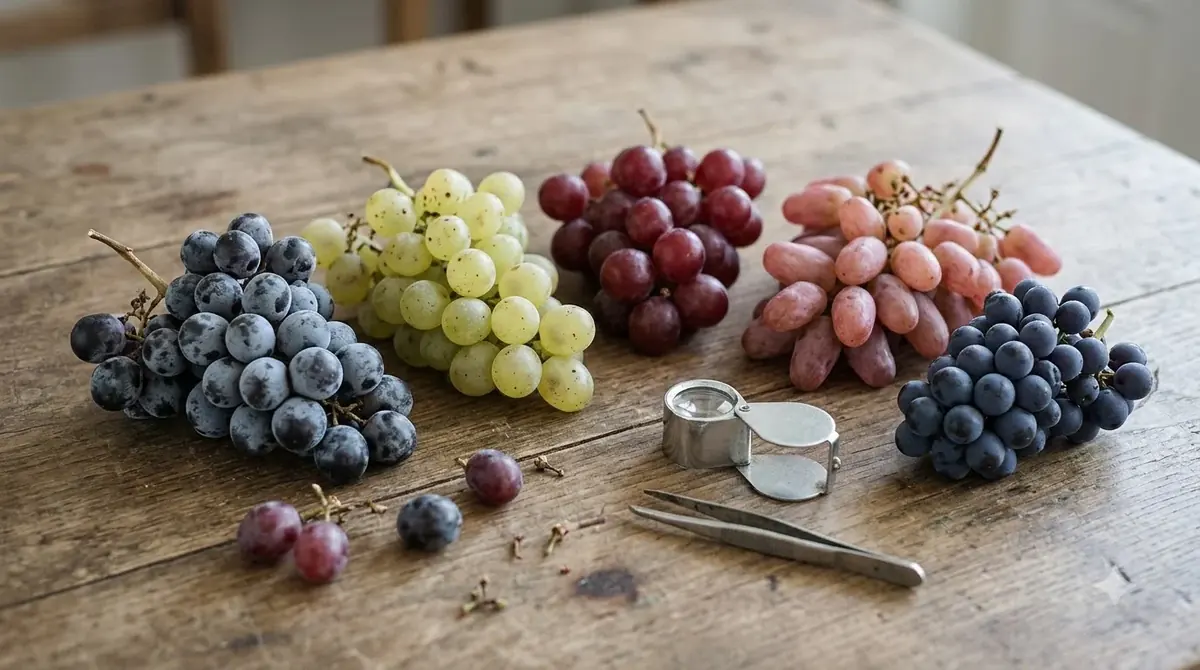
Because dormant winter temperatures in South Dakota frequently drop below minus twenty degrees Fahrenheit, growers plant cold-hardy hybrid grapes developed by the University of Minnesota and South Dakota State University rather than fragile European vines. As noted in Wine Folly’s 50 States of Wine guide, passionate local growers focus on resilient cultivars including Marquette, Frontenac, Prairie Star, and Landot Noir, alongside white and pink-skinned hybrids like Brianna, La Crescent, and Frontenac Gris.
These northern hybrids share ancestry with Vitis riparia, the native riverbank grape that grows wild along South Dakota waterways, giving them the genetic toughness to withstand subzero cold without winter kill. In the cellar, they tend to ripen with high natural sugar levels paired with brisk, mouthwatering acidity. Winemakers manage that bright acid through malolactic fermentation, oak aging, or slight residual sugar, resulting in styles that range from bone-dry barrel-aged reds to aromatic, off-dry patio whites and traditional-method sparkling wines.
Alongside grape wines, fruit wines and meads remain foundational pillars of the local catalog. Rhubarb, chokecherry, raspberry, strawberry, aronia berry, and local wildflower honey are fermented either on their own or blended with hybrid grapes. Rather than tasting syrupy, the best examples balance natural fruit sweetness with crisp tartness, offering a direct agricultural snapshot of the northern Plains.
| Grape / Fruit Variety | Type | Cold Hardiness & Origin | Typical Wine Style & Flavor Notes |
|---|---|---|---|
| Marquette | Red hybrid | University of Minnesota; handles severe subzero cold | Medium-bodied dry red with ruby color, moderate tannins, cherry, black pepper, and spice |
| Frontenac | Red hybrid | University of Minnesota; high vigor and disease resistance | Deep garnet red, rosé, or port-style wine with bold cherry, plum, and black currant notes |
| Frontenac Gris | Gray-pink hybrid | Color mutation of Frontenac; equally winter-hardy | Crisp white, amber, or rosé with bright peach, apricot, and citrus aromatics |
| Brianna | White hybrid | Bred by Elmer Swenson; very early ripening | Semi-sweet or off-dry aromatic white showing tropical pineapple, mango, and floral notes |
| La Crescent | White hybrid | University of Minnesota; high natural acidity | Vibrant off-dry white or dessert wine with intense apricot, mandarin orange, and peach |
| Valiant | Blue-black hybrid | Developed at South Dakota State University; ultra-hardy | Fruity, approachable red and sweet table wine with classic grape and berry character |
| Rhubarb & Prairie Berries | Non-grape fruit | Hardy perennial crops grown statewide | Tart-sweet specialty wines featuring rhubarb, chokecherry, raspberry, or aronia berry |
Notable Producers
South Dakota’s winery directory features family-owned estates, historic downtown tasting rooms, and specialized sparkling houses that showcase both regional grapes and local fruit harvests. Because production volumes remain modest, most bottles reflect attentive vineyard farming and small-batch cellar decisions.
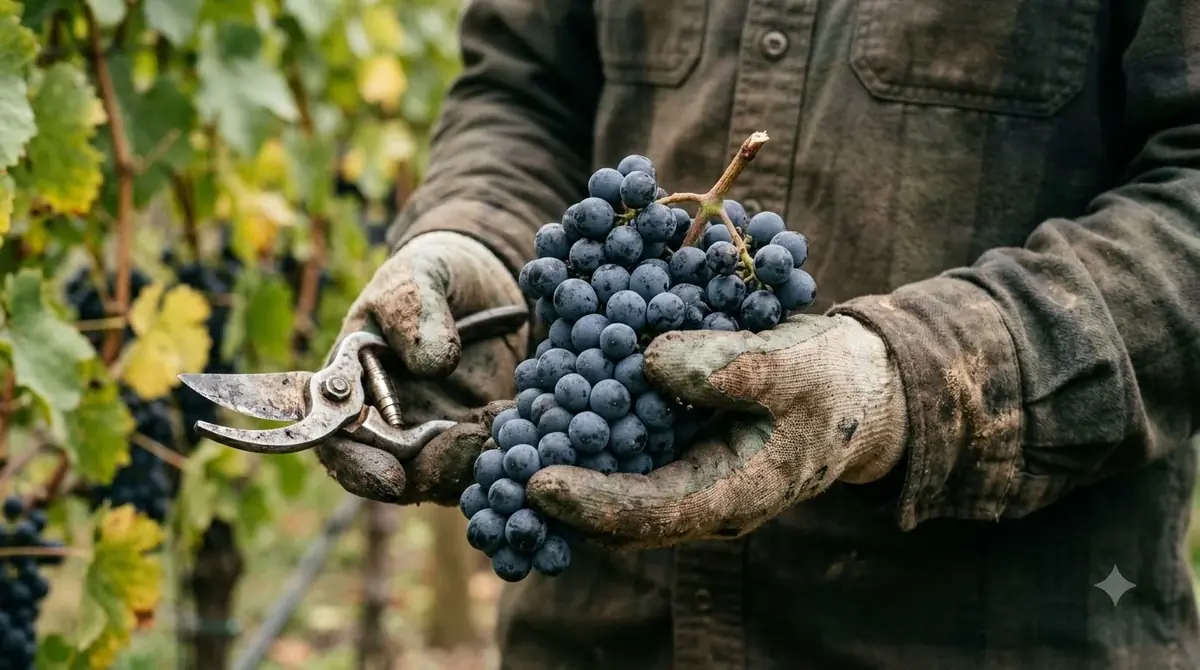
In the southeast, Valiant Vineyards in Vermillion stands as the state’s original bonded winery, established in 1996 overlooking the Missouri River valley with estate hybrid vines, barrel-aged reds, and an on-site bed and breakfast. Near Sioux Falls, Wilde Prairie Winery in Brandon operates out of a repurposed 1911 dairy barn, focusing on wines crafted from South Dakota-grown grapes, local fruits, and honey, while Schadé Vineyard in Volga welcomes visitors for estate tastings and seasonal harvest events among cold-hardy vines.
Out west in the Black Hills, Belle Joli Winery Sparkling House in Sturgis—alongside its tasting room in Deadwood—has earned recognition for traditional Méthode Champenoise sparkling wines made from regional grapes. In Rapid City, Firehouse Wine Cellars pours small-batch Midwestern blends and crisp whites inside a historic downtown firehouse, while Hill City has long been a major stop on the Black Hills wine trail known for rhubarb, berry, and hybrid grape bottlings.
Tip: When tasting cold-climate red hybrids like Frontenac or Marquette, ask the server if the wine saw oak aging or malolactic fermentation—both techniques soften high natural acidity and add warm spice notes that appeal to fans of classic dry reds.
Visiting Tips
Planning a tasting route across South Dakota requires accounting for wide distances, as driving from Sioux Falls in the east to Rapid City in the west takes roughly five hours on Interstate 90. Grouping your stops into either an eastern river-valley loop or a Black Hills circuit makes for a relaxed day without spending hours behind the wheel.
Late spring through early autumn offers the most rewarding scenery, when vineyard canopies are lush and outdoor patios open up for live music and weekend events. September is especially lively at estate properties like Schadé Vineyard, where harvest season sometimes includes community grape-picking or stomping celebrations. If you visit between November and April, double-check tasting room schedules ahead of time, as several rural farm wineries shift to reduced winter hours.
Approach flights with an open palate rather than expecting heavy Napa-style structure. If you usually prefer full-bodied reds such as cahors wine or structured mountain Cabernet from calistoga wine, start with a dry, oak-aged Marquette or Petite Pearl before moving into crisp Frontenac Gris whites and tart rhubarb pours so sweeter styles do not overwhelm your palate early in the flight.
How to Buy
Because most South Dakota wineries produce small annual quantities under farm winery licenses, national distribution outside the Upper Midwest is limited. Buying directly at the winery tasting room remains the best way to access single-vineyard releases, seasonal fruit batches, and sparkling cuvées that rarely reach out-of-state shelves.
Within South Dakota, specialty wine shops, grocery liquor departments, and local restaurants in Sioux Falls, Rapid City, Vermillion, and Brookings stock flagship bottles from established producers. Many wineries also offer direct-to-consumer online shipping to eligible states, allowing travelers to reorder favorite bottles after returning home. When shopping labels, look for specific grape names like Marquette, Brianna, or La Crescent if you want pure grape wine, or check the back label to see if local honey or orchard fruit was blended into the cuvée.
Frequently Asked Questions
Does South Dakota have any official AVAs?
No, South Dakota does not currently have any federally recognized American Viticultural Areas (AVAs). Wineries instead label their bottles under the broader South Dakota state appellation or reference specific local valleys and towns on their labels.
Why do South Dakota wineries grow hybrid grapes instead of Cabernet Sauvignon or Pinot Noir?
Classic European Vitis vinifera vines suffer severe bud and trunk damage when winter temperatures fall below zero, which happens regularly across South Dakota. Cold-hardy hybrids bred with native Vitis riparia genetics survive temperatures down to minus thirty or minus forty degrees Fahrenheit while still ripening reliably during short summers.
Are all South Dakota wines sweet?
No, while sweet fruit wines and semi-sweet whites are popular, many South Dakota producers make bone-dry reds, crisp dry whites, and traditional-method sparkling wines. Grapes like Marquette, Itasca, and Petite Pearl are frequently vinified completely dry and aged in oak barrels.
What is the oldest winery in South Dakota?
Valiant Vineyards in Vermillion is the oldest commercial winery in South Dakota, opening in 1996 after its founders helped champion the state’s Farm Winery Bill. It remains an active producer of cold-climate grape wines along the Missouri River.
From resilient University of Minnesota hybrids thriving in southeastern river valleys to sparkling pours and rhubarb specialties in the Black Hills, south dakota wine proves that great regional bottles come from working with local climate rather than fighting it. Whether you are planning a road trip through the Mount Rushmore State or exploring cold-climate American viticulture from home, these prairie and mountain wineries offer a genuine taste of the northern Plains.
More in Wine Regions
 Willcox Wine Trail: Discover Arizona’s High-Elevation Wine CountryUpdated Nov 20, 2026
 Yakima Valley Wine Region: Find the Best Styles to TryUpdated Nov 20, 2026
 Vosne Romanee Wine Tasting: Identify Aromas and Choose Better PairingsUpdated Nov 20, 2026
 Yakima Valley Wine Festival: Find the Best Seasonal Wine EventsUpdated Nov 20, 2026
 Wales Vineyards: Discover Cool-Climate Wines and Where to VisitUpdated Nov 20, 2026
 Yountville Wine Festival: Discover Napa Wines and Local FoodUpdated Nov 20, 2026