

We may earn a commission when you buy through links on this page, at no extra cost to you. Learn more.
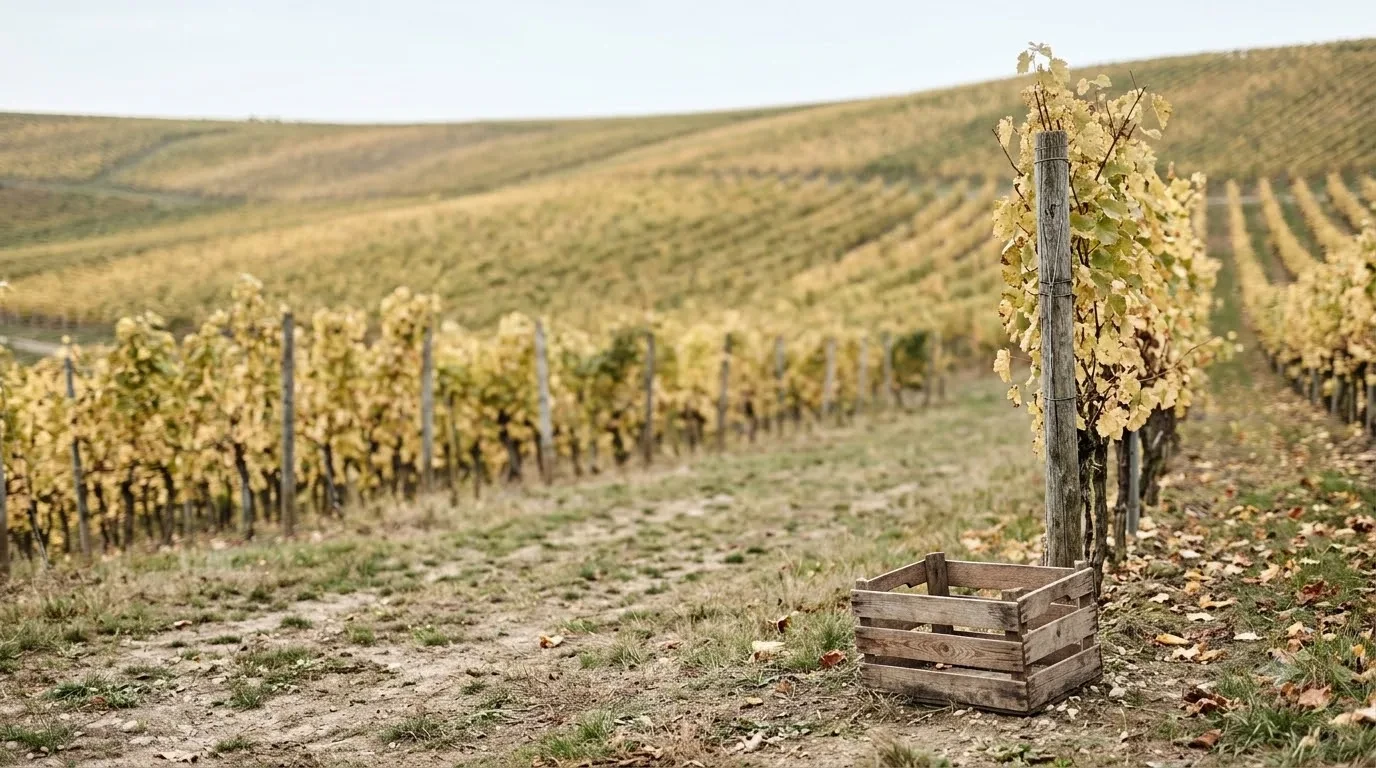
South Dakota vineyards cultivate cold-hardy hybrid wine grapes across the eastern prairie plains and the western Black Hills, forming one of the youngest commercial wine industries in the United States. Commercial winemaking in the state officially began in 1996 when Valiant Vineyards opened in Vermillion, and today roughly 15 bonded wineries operate across the state. Because severe winter temperatures regularly drop well below freezing, local growers rely on interspecific crosses developed by the University of Minnesota and South Dakota State University rather than traditional European varieties.
Understanding how grape growing functions in the Mount Rushmore State requires looking at how northern viticulture adapts to short summers and harsh winters. Whether you are planning a tasting route from Sioux Falls to Rapid City or curious about what grows in continental soils, exploring south dakota wine reveals a resilient agricultural community built on cold-climate science and local fruit traditions.
Overview of South Dakota Viticulture
South Dakota viticulture operates without any federally designated American Viticultural Areas, meaning all estate bottles carry the state-level appellation. Growers manage a continental climate characterized by warm summer days, dramatic diurnal temperature shifts, and extreme winter lows that challenge standard vine survival.
Historically, native riverbank grapes (Vitis riparia) grew wild along the Missouri River and its tributaries, providing early settlers with fruit for homemade jellies and country wines. Modern commercial grape farming did not take root until the mid-1990s, when pioneering growers proved that newly bred cold-hardy cultivars could survive sub-zero prairie winds without requiring labor-intensive winter burying.
Today, vineyard acreage remains concentrated in small family-owned plots ranging from half-acre hobby plantings to multi-acre commercial estates. According to WineAmerica, the state ranks among the youngest wine regions in the country, yet its producers have carved out a distinct identity by pairing estate-grown cold-climate grapes with regional fruits like chokecherries, rhubarb, and honey.
Soil profiles vary markedly across the state’s 77,116 square miles, directly influencing vine vigor and fruit chemistry. Eastern vineyards benefit from deep, fertile glacial till and loess soils deposited along the Big Sioux and Missouri river valleys, while western sites sit on thinner, well-drained limestone and shale formations near the foothills of the Black Hills.
Key Growing Sub-Regions
Although the state lacks formal sub-appellations, South Dakota vineyards cluster into two primary geographic corridors separated by the Missouri River and hundreds of miles of open grassland. Each corridor presents distinct elevation levels, frost dates, and tourism infrastructure for wine travelers.
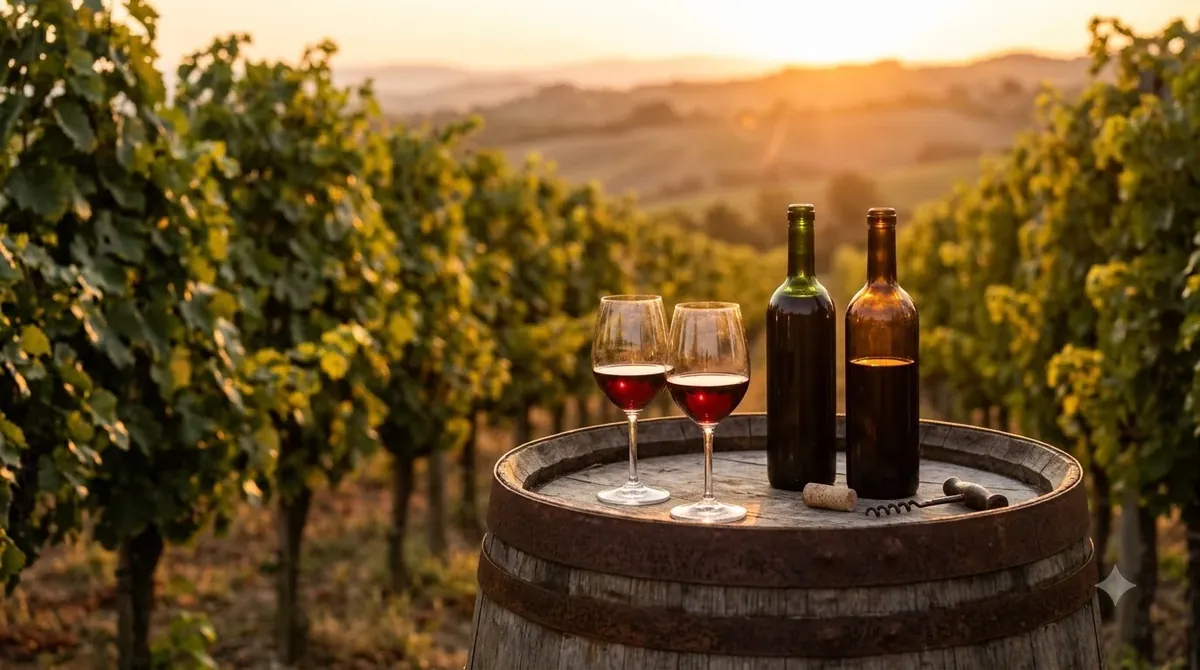
The Eastern Prairie and River Valleys: Stretching from Vermillion in the southeast up through Sioux Falls, Garretson, Volga, and Watertown, this region holds the state’s oldest vineyards. The lower elevation and slightly longer growing season along the Missouri and Big Sioux rivers allow grapes to accumulate higher sugar levels before autumn frosts arrive. Vineyards here sit amid rolling agricultural land, where growers often coordinate closely with neighboring row-crop farmers to protect vines from herbicide drift.
The Black Hills and Western Foothills: Located on the western edge of the state around Rapid City, Hill City, Sturgis, and Piedmont, this mountainous corridor sits at significantly higher elevations. Cooler nights preserve crisp natural acidity in the fruit, though late spring freezes and sudden hailstorms require vigilant canopy management. Because the Black Hills draw millions of visitors annually to Mount Rushmore and Custer State Park, wineries in this region enjoy strong tasting room traffic alongside scenic pine-forested backdrops.
Comparing these northern prairie vineyards to warmer Wine Regions highlights how latitude and elevation dictate viticultural strategy. While coastal growers focus on moderating summer heat, South Dakota vineyard managers prioritize winter hardiness, early bud-break protection, and rapid autumn ripening.
Cold-Hardy Grapes and Wine Styles
Traditional European Vitis vinifera vines such as Cabernet Sauvignon or Chardonnay cannot survive South Dakota winters, so local vineyards plant specialized cold-hardy hybrids bred to withstand temperatures down to minus 30 degrees Fahrenheit or lower. These cultivars combine European wine quality with the winter resilience of native North American species.
| Grape Variety | Color | Primary Flavor Profile | Common Wine Styles |
|---|---|---|---|
| Marquette | Red | Cherry, black pepper, plum, subtle spice | Dry to off-dry medium-bodied red, oak-aged blends |
| Frontenac | Red | Tart cherry, blackberry, cassis | Dry red, sweet rose, fortified port-style wine |
| St. Croix | Red | Red currant, plum, dark berries | Smooth, low-tannin table red, blended reds |
| Frontenac Gris | Grey/Pink | Peach, apricot, citrus peel | Off-dry white, crisp rose, dessert wine |
| Brianna | White | Pineapple, tropical fruit, floral notes | Semi-sweet white, aromatic summer sippers |
| La Crescent | White | Apricot, tangerine, blossom | Crisp off-dry white, sweet late-harvest styles |
| Itasca | White | Pear, melon, subtle honey, mineral | Dry, crisp, lower-acid white wine |
According to agricultural research published by South Dakota State University Extension, red cultivars like Marquette and Frontenac dominate commercial plantings because they ripen reliably by mid-to-late September. Marquette is particularly prized by winemakers for its balanced sugar-to-acid ratio and moderate tannin structure, allowing it to take well to small oak barrel aging without losing its bright red-fruit core.
On the white wine side, Brianna and Frontenac Gris thrive across both eastern and western sites. Brianna ripens early in September to a golden hue, delivering pronounced tropical aromas that appeal to fans of aromatic white wines, while Frontenac Gris produces medium-sweet white and rose bottlings rich in stone-fruit character. Newer releases like Itasca have also gained traction among growers seeking lower malic acid levels for dry white table wines.
Beyond grape varietals, South Dakota wineries maintain a strong tradition of fruit winemaking. Many estates ferment locally harvested chokecherries, black currants, raspberries, and rhubarb, either as standalone country wines or blended with grape wine to add depth and regional character.
Notable Vineyards and Wineries
While vineyard acreage across the state remains boutique in scale, several established estates have shaped the reputation of South Dakota winemaking through consistent viticulture and hospitality. The producers below represent key stops documented by regional wine guides and state tourism boards.
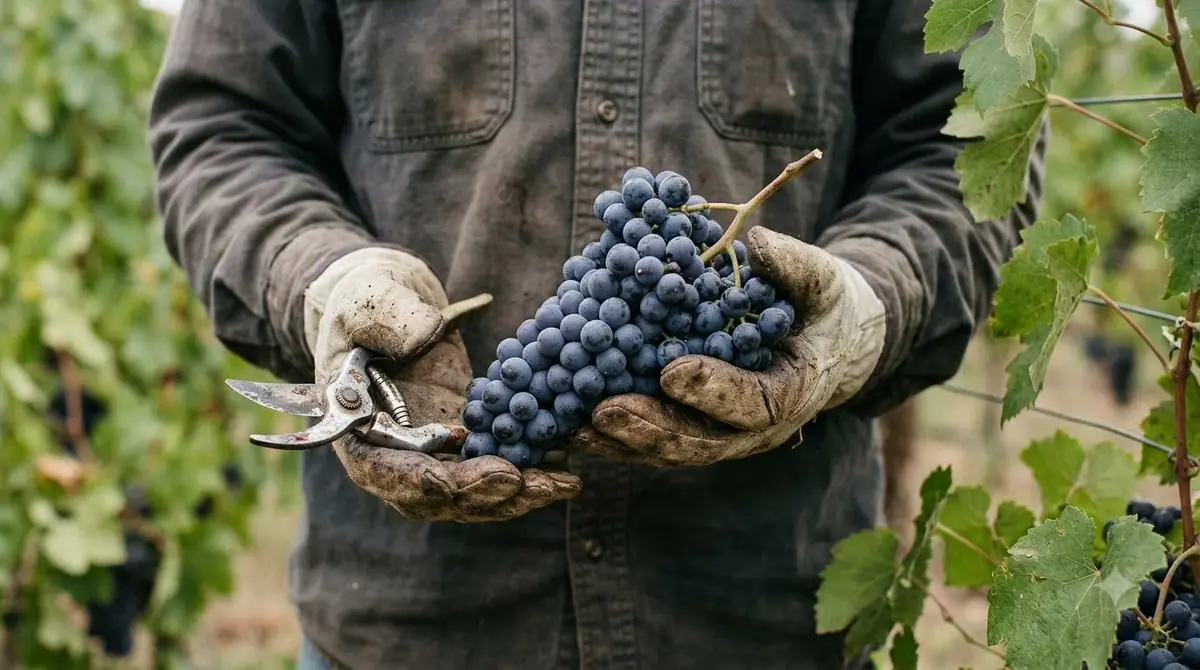
Valiant Vineyards (Vermillion): Founded in 1996 overlooking the Missouri River valley, Valiant Vineyards holds the distinction of being South Dakota’s oldest commercial winery. The estate helped pioneer cold-climate grape growing in the southeast corner of the state, producing dry reds, sweet fruit wines, and regional blends while offering bed-and-breakfast accommodations alongside its tasting room.
Belle Joli Winery Sparkling House (Sturgis): Located in the northern Black Hills foothills, Belle Joli operates a five-acre estate vineyard planted to cold-hardy varietals alongside a dedicated sparkling wine facility. The winery specializes in traditional method sparkling wines crafted from northern grapes, offering visitors a distinct style rarely produced at scale in the Upper Midwest.
Prairie Berry Winery (Hill City): Situated in the heart of the Black Hills, Prairie Berry traces its roots back five generations of family winemaking traditions. Known widely for blending South Dakota grapes with regional wild fruits—most notably its signature chokecherry wine—the estate operates a major destination tasting room near Mount Rushmore.
Schade Vineyard and Winery (Volga): Positioned in eastern South Dakota near Brookings, Schade Vineyard focuses on estate-grown cold-hardy cultivars such as Frontenac, Brianna, and Frontenac Gris. The winery is well known for hosting community harvest events and grape-stomping festivals that connect visitors directly with the agricultural cycle of prairie viticulture.
Wilde Prairie Winery (Brandon) and Firehouse Wine Cellars (Rapid City): Just outside Sioux Falls, Wilde Prairie Winery produces small-batch grape and fruit wines in a rural farm setting, while Firehouse Wine Cellars brings urban tasting room culture to downtown Rapid City using fruit sourced from Black Hills and regional growers.
Tips for Visiting South Dakota Vineyards
Planning a vineyard tour across South Dakota requires accounting for vast driving distances and highly seasonal weather patterns. Most tasting rooms welcome casual drop-in guests, though rural estates often operate on reduced hours between November and April.
Late summer through early October offers the best window to see active canopies heavy with ripening fruit and experience harvest festivities. Because many vineyards sit off gravel county roads or on working family farms, checking seasonal schedules ahead of time ensures tasting rooms are open and staffed for guided flights.
Tip: If you are visiting wineries in Sturgis or the northern Black Hills in early August, check schedules carefully—several boutique vineyards pause public wine tastings during the annual Sturgis Motorcycle Rally due to local traffic and staffing constraints.
Unlike warmer coastal destinations such as diamond mountain vineyards in Napa Valley or historic grapevine vineyards in Texas, South Dakota tasting rooms emphasize relaxed, unpretentious Midwestern hospitality. Tasting fees are modest, pours are generous, and you will frequently find the vineyard owner or winemaker pouring behind the bar and discussing winter pruning strategies.
How to Buy South Dakota Wine
Because total annual wine production in South Dakota remains relatively small, most bottles are sold directly through winery tasting rooms or distributed within state borders. Visitors looking to bring bottles home will find the widest selection—including small-lot estate Marquette and limited fruit releases—at the cellar door.
Within South Dakota, specialty wine shops, grocery stores, and regional liquor retailers in Sioux Falls, Rapid City, Brookings, and Aberdeen carry flagship labels from major producers like Prairie Berry, Valiant Vineyards, and Firehouse Wine Cellars. Restaurants in tourist hubs around Custer State Park and downtown Sioux Falls also feature local pours by the glass.
For out-of-state wine enthusiasts, direct-to-consumer shipping is available from several licensed South Dakota wineries, subject to individual state alcohol shipping laws. Joining a winery club or ordering mixed cases online directly from producer websites remains the most reliable way to source cold-climate prairie wines outside the Upper Midwest.
Frequently Asked Questions
Are there any official AVAs in South Dakota?
No, South Dakota does not currently have any federally recognized American Viticultural Areas (AVAs). All wines produced from grapes grown within the state are labeled under the broader South Dakota state appellation, though growers informally distinguish between the eastern prairie river valleys and the western Black Hills.
What types of grapes grow best in South Dakota vineyards?
Cold-hardy French-American and University of Minnesota hybrid grapes perform best in South Dakota’s sub-zero winter climate. Leading red varieties include Marquette, Frontenac, and St. Croix, while top white and grey-skinned cultivars include Brianna, Frontenac Gris, La Crescent, and Itasca.
How many wineries are in South Dakota?
South Dakota is home to roughly 15 active commercial wineries spread across the eastern plains and the western Black Hills. The modern commercial industry began in 1996 with the opening of Valiant Vineyards in Vermillion, making it one of the youngest wine-producing states in the nation.
Are South Dakota wines all sweet?
No, while sweet fruit wines and semi-sweet whites like Brianna remain popular, South Dakota winemakers produce a full spectrum of dry styles. Dry oak-aged Marquette reds, crisp dry Itasca whites, and traditional method sparkling wines have earned strong regional recognition for balanced acidity and structure.
South Dakota vineyards demonstrate how modern grape breeding and determined farming can turn an extreme northern climate into a welcoming wine destination. From historic Missouri River bluffs to the pine-covered foothills of the Black Hills, exploring these estates rewards curious drinkers with distinctive cold-climate wines and genuine local hospitality.
More in Wine Regions
 Willcox Wine Trail: Discover Arizona’s High-Elevation Wine CountryUpdated Nov 20, 2026
 Yakima Valley Wine Region: Find the Best Styles to TryUpdated Nov 20, 2026
 Vosne Romanee Wine Tasting: Identify Aromas and Choose Better PairingsUpdated Nov 20, 2026
 Yakima Valley Wine Festival: Find the Best Seasonal Wine EventsUpdated Nov 20, 2026
 Wales Vineyards: Discover Cool-Climate Wines and Where to VisitUpdated Nov 20, 2026
 Yountville Wine Festival: Discover Napa Wines and Local FoodUpdated Nov 20, 2026