

We may earn a commission when you buy through links on this page, at no extra cost to you. Learn more.
A santorini wine tasting centers on bone-dry, high-acid volcanic white wines led by Assyrtiko, alongside oak-aged Nykteri, sun-dried Vinsanto, and rare island reds. Grown in ash-and-pumice soils from ungrafted vines woven into ground-hugging baskets, these wines show sharp citrus, flinty minerality, and distinct sea-salt character. Whether sampled at a cliffside cellar door or poured at home, a well-paced flight highlights how wind, drought, and ancient viticulture shape one of the Mediterranean’s most distinctive wine islands.
Most wine travelers know Santorini for its whitewashed villages perched above a flooded volcanic crater, yet the island’s agricultural identity runs far deeper than tourism. Winemaking has continued here without interruption for more than 3,000 years, survived the phylloxera louse that devastated mainland Europe, and produced white wines that sommeliers regularly compare to Chablis and Sancerre. Understanding the grapes, vineyard architecture, and tasting progression helps you get far more out of every pour.
Overview of Santorini’s Volcanic Terroir
Santorini’s vineyards grow on a harsh, waterless landscape of volcanic ash, pumice, and basalt created by ancient eruptions, producing low-yielding grapes packed with acidity and saline minerality. Because the sandy volcanic soil—locally called aspa—cannot support the phylloxera root louse, Santorini remains home to ungrafted vines that are frequently 70 to 200 years old.
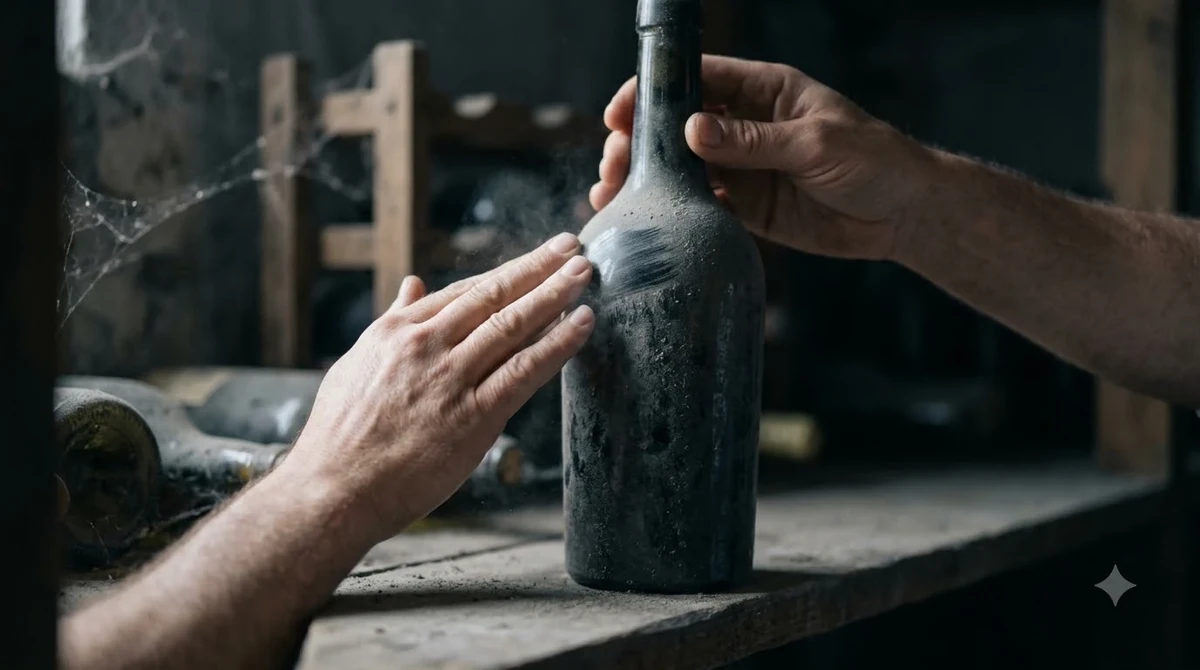
Instead of training vines upward on trellises, local growers weave the canes into low, circular baskets known as kouloura. These coiled nests sit directly on the ground, shielding developing grape clusters from fierce Aegean winds and intense summer sun while trapping overnight sea mist. That marine moisture acts as a vital water source on an island with almost no summer rainfall.
Recent years have tested this ancient farming model. Reporting by Decanter notes that consecutive drought years, aging vines, and pressure from hotel development have pushed island yields to historic lows, prompting some estates like Vassaltis to experiment with trellised, irrigated plantings using desalinated water. Even so, traditional basket-trained dry-farmed parcels remain the benchmark for classic Santorini character.
Key Grapes and Signature Wine Styles
While white varieties account for the vast majority of Santorini’s vineyard acreage, a complete tasting spans dry stainless-steel whites, oak-aged reserves, sweet amber dessert wines, and small-production reds. Knowing the four core styles keeps a flight balanced from crispest to richest.
| Wine Style | Primary Grapes | Typical Profile | Aging & Structure |
|---|---|---|---|
| Santorini Assyrtiko | Assyrtiko (often 100%, or blended with Athiri and Aidani) | Lime, lemon peel, passion fruit, flint, and sea salt | High acidity, 13.5–15% ABV, unoaked or lightly lees-aged |
| Nykteri | Assyrtiko (with small shares of Athiri and Aidani) | Lemon brûlée, pineapple, fennel, honey, and baked crust | Night-harvested, oak-aged, fuller body and rounder texture |
| Vinsanto | Sun-dried Assyrtiko and Aidani | Dried apricot, caramel, roasted nuts, and warm baking spice | Deep amber color, rich sweetness balanced by electric acidity |
| Island Reds | Mavrotragano and Mandilaria | Blackberry, dark cherry, cracked pepper, and dried herbs | Medium-to-full body with firm, grippy tannins |
Assyrtiko is the undisputed anchor of the island. According to Wine Folly’s guide to Assyrtiko, the grape is prized for retaining razor-sharp acidity even when fully ripe in warm Mediterranean sunshine, delivering flavors of lime, beeswax, flint, and saline alongside 13.5% to 15% ABV. Growers also blend small amounts of softer indigenous whites—floral Athiri and aromatic Aidani—to round out Assyrtiko’s angular edge.
Nykteri takes the same white grapes in a richer direction. Named after the Greek word for “working the night,” Nykteri grapes are harvested and pressed under cool nighttime temperatures to preserve freshness, then matured in oak barrels for a creamier mid-palate with notes of fennel, vanilla, and toasted brioche. At the end of a flight, Vinsanto showcases Assyrtiko and Aidani dried in the sun for up to two weeks before fermentation and extended barrel aging, creating an amber wine with startling sweet-and-savory tension.
Red wines make up a tiny fraction of production, yet they reward curious tasters. Mavrotragano, a native red rescued from near-extinction, yields dense, peppery wines with dark fruit and aging potential, while Mandilaria contributes bright acidity and structured tannins.
Sub-Regions and Notable Producers
Santorini’s vineyards cluster primarily across the central and southern slopes of the island—around Pyrgos, Megalochori, Episkopi Gonia, and Akrotiri—where gentle inclines face the Aegean breezes rather than the sheer caldera cliffs. Only a couple of winery terraces sit directly on the caldera rim; most working cellars occupy historic villages inland or near the eastern coast.
Several benchmark estates shape modern Santorini winemaking and appear regularly on international wine lists:
- Estate Argyros: Founded in 1903 in Episkopi Gonia, the estate farms some of the island’s oldest ungrafted parcels and is widely praised for single-vineyard Assyrtiko and long-aged Vinsanto.
- Domaine Sigalas: Based near Oia on the northern plains, Sigalas helped define contemporary varietal Assyrtiko and single-village bottlings, alongside serious Mavrotragano.
- Gaia Wines: Located right on the eastern beach between Kamari and Monolithos, Gaia produces coastal-influenced Assyrtiko labels including Thalassitis and Wild Ferment.
- Vassaltis Vineyards: A newer winery in Vourvoulos known for crisp, modern stainless-steel Assyrtiko, barrel-fermented expressions, and forward-looking vineyard management.
- Santo Wines: The island’s large grower cooperative in Pyrgos, representing roughly 1,200 local farming families and offering broad tasting flights from a dramatic cliffside terrace.
- Gavalas Winery & Boutari: Historic names in Megalochori; Gavalas preserves rare local varieties like Voudomato, while Boutari helped introduce Santorini wines to global markets.
As Wine Enthusiast notes in its coverage of Santorini Assyrtiko, winemakers and oenologists frequently compare top island bottlings to white Burgundy for their layered texture, volcanic minerality, and ability to evolve in bottle over a decade.
How to Structure a Santorini Tasting Flight
Because Santorini wines combine high natural acidity with substantial alcohol and intense mineral extract, tasting them in the wrong order can quickly fatigue your palate. Following a progressive sequence from crispest to sweetest keeps every glass distinct.
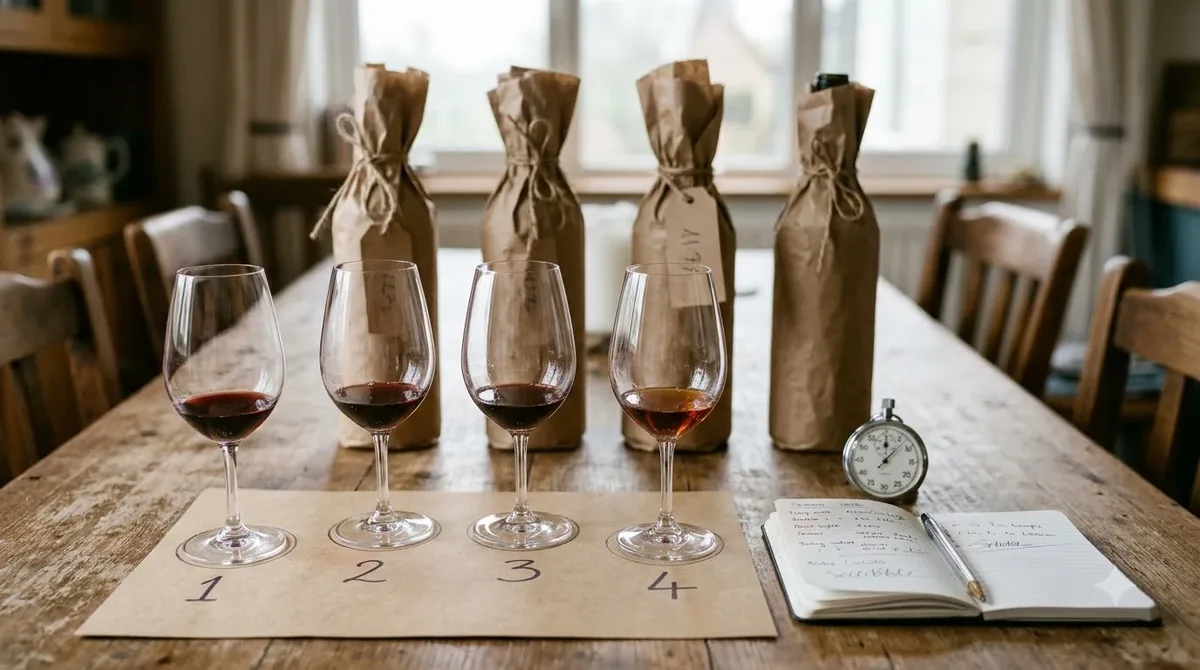
- Start with young, unoaked Assyrtiko: Pour chilled stainless-steel Assyrtiko first to calibrate your palate to the grape’s signature lime-zest acidity and salty finish.
- Move to lees-aged or single-vineyard Assyrtiko: Sample older-vine or extended-lees bottlings next to notice the added weight, beeswax texture, and deeper stone-fruit notes.
- Transition to oak-aged Nykteri: Serve Nykteri slightly warmer so its toasted oak, fennel, and baked-fruit aromatics open up without losing freshness.
- Taste island reds (Mavrotragano or Mandilaria): Introduce dry reds after the full-bodied whites so their firm tannins do not overwhelm delicate citrus nuances.
- Finish with Vinsanto: Always pour sun-dried Vinsanto last; its concentrated caramel, dried fig, and nut flavors will coat the palate and dominate anything served afterward.
Serving temperature matters just as much as sequence. Wine Folly recommends serving crisp Assyrtiko chilled between 38°F and 45°F (3°C to 7°C) without decanting, while richer Nykteri and cellar-aged bottlings show more aromatic complexity closer to 48°F to 52°F. For Vinsanto, a cool cellar temperature around 50°F keeps its sweetness bright rather than syrupy.
Tip: Keep plain breadsticks or unsalted crackers and plenty of water on hand during a Santorini flight—the combination of razor-sharp acidity and 14%+ ABV can feel intense on an empty stomach.
Visiting Tips for Cellar Doors on the Island
Planning an in-person santorini wine tasting requires booking ahead, especially between May and October when cruise ships and summer travelers fill small tasting rooms. Most boutique estates limit group sizes and run seated, sommelier-led flights rather than walk-up bar pours.
Late morning or late afternoon slots offer the best experience. Midday summer heat in July and August can dull your sense of smell on exposed terraces, whereas a 10:30 AM appointment lets you walk a vineyard parcel before temperatures peak. If you visit in early-to-mid August, you may even catch the island’s early harvest underway at dawn.
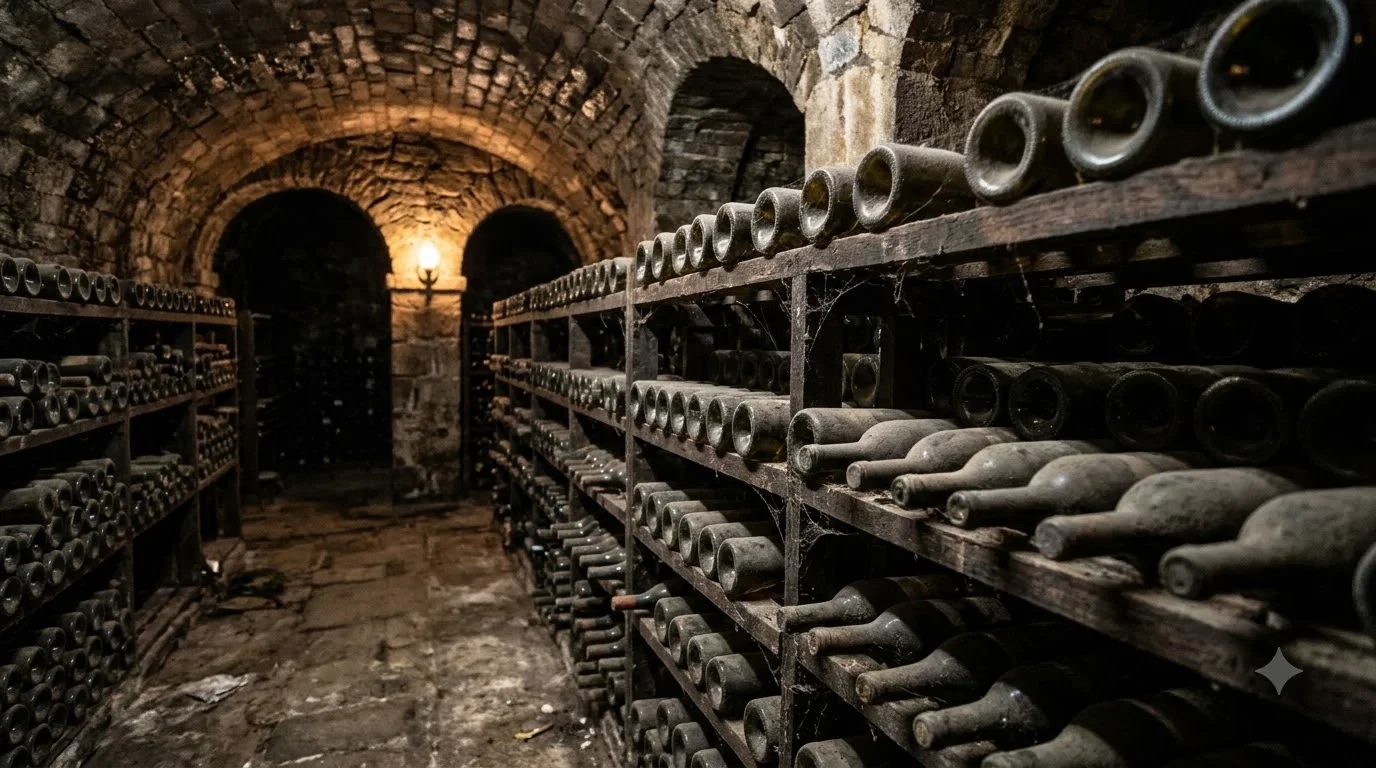
Skip driving between wineries if you plan to taste full flights. Santorini’s village roads are narrow, parking near traditional canavas (historic vaulted stone cellars) is tight, and local wine tours or pre-arranged taxis make it easy to visit three estates in a single half-day loop without rushing.
How to Buy and Pair Santorini Wines at Home
If you are recreating a tasting at home in the US, look for the Protected Designation of Origin (PDO) Santorini designation on the label. Wines labeled simply “Assyrtiko” or “PGI Cyclades” may blend fruit from mainland Greece, which tends to be softer and fruitier than true volcanic Santorini bottlings.
At the dinner table, Santorini whites shine alongside coastal dishes that mirror their salinity. Grilled octopus, seared scallops, oysters, whole roasted branzino, and classic Greek tomato-and-feta salad all play off Assyrtiko’s high acidity. Oak-aged Nykteri pairs effortlessly with roast chicken, pork tenderloin, or creamy pasta, while Vinsanto complements aged sheep’s-milk cheeses, dark chocolate, and baklava.
Readers who enjoy exploring distinct American coastal and cool-climate appellations—from monterey wine tasting along California’s wind-cooled coast to finger lakes wine tasting for high-acid Riesling, or broader Wine Regions across the globe—will recognize how strongly climate and soil dictate what ends up in the glass.
Frequently Asked Questions
What is the most famous wine to try during a santorini wine tasting?
Dry white Assyrtiko is Santorini’s flagship wine, prized for its electric citrus acidity, volcanic flint minerality, and subtle sea-salt finish. Alongside classic stainless-steel Assyrtiko, most tastings also feature oak-aged Nykteri and Vinsanto, a sweet amber dessert wine made from sun-dried grapes.
Why are grapevines in Santorini grown in baskets on the ground?
Growers weave the vines into low, circular baskets called kouloura to protect the grapes from fierce Aegean winds and intense summer sun. Keeping the canopy close to the volcanic soil also helps trap overnight sea mist, providing vital moisture on an island with almost no summer rain.
Does Santorini produce red wine as well as white wine?
Yes, though red grapes represent only a small portion of island plantings. Mavrotragano produces dense, spicy, full-bodied reds with dark berry flavors, while Mandilaria yields brighter, structured reds with firm tannins.
How long can you age Santorini Assyrtiko?
Thanks to its naturally high acidity and concentrated phenolic structure, quality Santorini Assyrtiko ages remarkably well. According to Wine Folly, well-made bottles can cellar for 5 to 10 years, developing richer notes of beeswax, honey, and toasted nuts over time.
Whether you are booking a seated flight overlooking the Aegean or opening a bottle of PDO Santorini Assyrtiko with seafood at home, tasting these wines offers a direct window into one of the world’s most resilient vineyard landscapes. Paying attention to grape blends, oak aging, and serving temperature will help you spot the subtle differences between coastal and inland parcels in every glass.
More in Wine Regions
 Willcox Wine Trail: Discover Arizona’s High-Elevation Wine CountryUpdated Nov 20, 2026
 Yakima Valley Wine Region: Find the Best Styles to TryUpdated Nov 20, 2026
 Vosne Romanee Wine Tasting: Identify Aromas and Choose Better PairingsUpdated Nov 20, 2026
 Yakima Valley Wine Festival: Find the Best Seasonal Wine EventsUpdated Nov 20, 2026
 Wales Vineyards: Discover Cool-Climate Wines and Where to VisitUpdated Nov 20, 2026
 Yountville Wine Festival: Discover Napa Wines and Local FoodUpdated Nov 20, 2026