

We may earn a commission when you buy through links on this page, at no extra cost to you. Learn more.
A finger lakes wine tasting trip works best when you pick one lake, choose a handful of wineries, and plan your visit around the season. The region is known for cool-climate wines, especially Riesling, and its deep lakes shape how the vines grow. Planning a clear route keeps the day enjoyable instead of rushed.
This guide explains what makes the region distinct, which grapes you are likely to taste, and how to choose towns, trails and wineries. It also covers practical habits that help a first visit go smoothly, from reservations to cash and cell service.
What Makes the Finger Lakes a Unique Wine Region
The Finger Lakes are a group of long, narrow lakes in central New York, and the lakes themselves are a big part of the story. Their depth stores summer warmth and releases it slowly into the cooler months. According to the region’s official planning site, Seneca Lake is the largest and most winery-dense of them, and it reaches a depth of 618 feet.
Cool temperatures slow ripening, which helps grapes keep their acidity. That acidity gives many local wines their freshness and their ability to age. Soils also vary from hillside to hillside, with a mix of shale, slate, limestone and glacial till. Two wineries on the same lake can therefore produce wines that taste quite different from each other.
The region is also a place where many producers focus on a few well-suited grapes rather than trying to grow everything. For a visitor, that means tasting rooms often have a clear point of view. You can learn a lot about the area simply by comparing how one lake’s wines differ from another’s.
Top Grape Varieties Tasted in the Finger Lakes
Riesling is the signature grape, and most visitors should taste it first. It is made in a wide range of styles, from dry and crisp to lightly sweet, so ask the pourer which version the winery produces. Other varieties also appear on tasting menus across the region.
Tasting menus commonly include a mix of white and red wines. The table below summarizes the varieties named in regional trail materials, along with the general style you can expect to encounter. Styles vary by producer, so use the list as a starting point rather than a rule.
| Variety | Color | What to expect in the glass |
|---|---|---|
| Riesling | White | Crisp acidity, from bone dry to off-dry |
| Pinot Gris | White | Fuller body with a softer, rounder finish |
| Gewurztraminer | White | Aromatic and floral, often with a richer texture |
| Cabernet Franc | Red | Herbal notes with bright fruit and firm structure |
| Merlot | Red | Softer tannins and plummy, approachable fruit |
| Cabernet Sauvignon | Red | Deeper color and structure in warmer vintages |
Ask about dry and sweet styles before you commit to a full pour. Many tasting rooms will happily describe a wine’s sugar level or pair it with a local cheese. If you enjoy aromatic whites, the region’s Gewurztraminer and Riesling are an excellent way to compare styles side by side.
Best Towns and Wine Trails to Visit
Your base town shapes your day as much as the wineries do. Corning, home of the Corning Museum of Glass, sits on the western side of the region and works well as a starting point. Watkins Glen, at the southern tip of Seneca Lake, offers gorge hiking steps from tasting rooms. Penn Yan sits at the head of Keuka Lake, and Hammondsport is at its southern tip.
The region is organized around several wine trails. The Seneca Lake Wine Trail is the largest, with 35 member wineries, and it suits first-time visitors who want many options. The Keuka Lake Wine Trail has fewer wineries, and many of them are worth a dedicated stop. The Cayuga Lake Wine Trail was first established in 1983, and the Canandaigua Lake Wine Trail offers an easy day trip from Fairport to Naples. For trail maps and listings, the Finger Lakes Tourism Alliance trail page is a useful place to compare options.
How to Plan Your Finger Lakes Tasting Route
A good route is built around one lake and a realistic number of stops. Most trails have many more wineries than one day can handle. Planning in advance also helps you match your tastings to the season and to your group’s pace.
- Choose your season first. Late spring brings uncrowded tasting rooms and strong waterfalls, while late summer and fall bring full schedules.
- Pick one lake for a weekend visit, and give it at least two full days if you can.
- Select three to five wineries that match your interests, such as Riesling, reds, or a tour of the vineyards.
- Check each winery’s hours for the day you plan to visit, since many close on some weekdays outside peak summer.
- Book tasting reservations for popular rooms, especially on summer weekends and during fall harvest.
- Download maps and save addresses offline before you leave town, because cell service can be spotty in the lake valleys.
- Plan a designated driver or a ride service for the afternoon, and pace your tastings with food and water.
For more detail on picking a season and an itinerary, the regional planning guide from Finger Lakes Wine Country lays out seasonal breakdowns and suggested day routes. If you are also comparing a trip to the West Coast, the monterey wine tasting guide describes a very different pace.
What to Expect and How to Behave at a Tasting Room
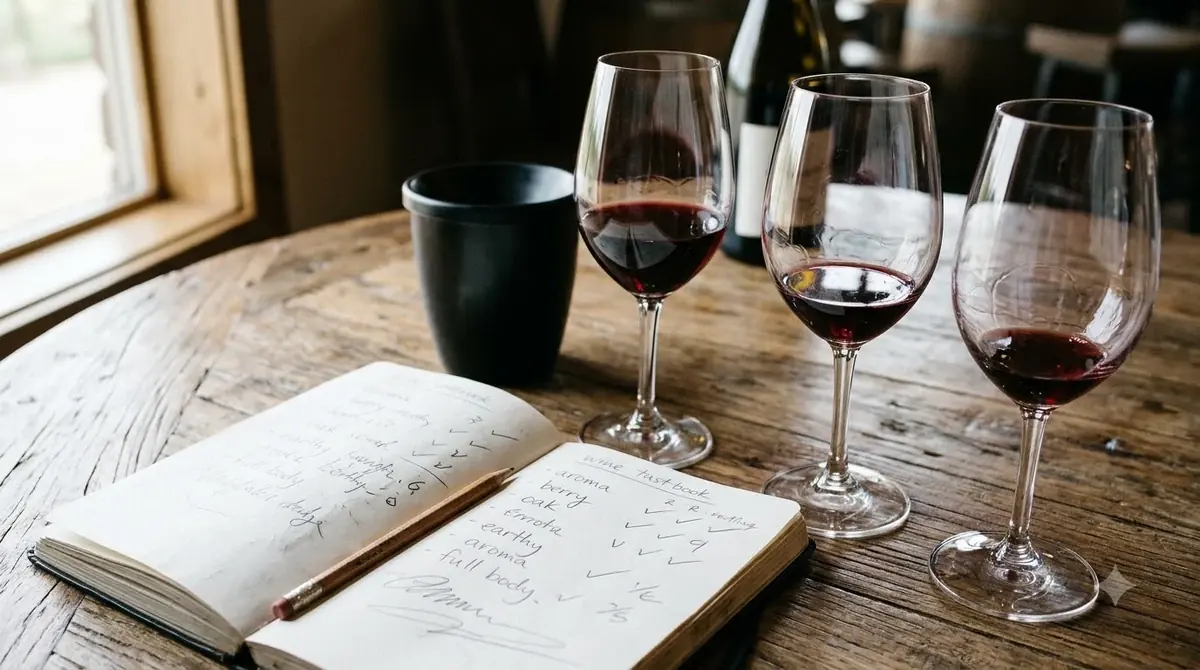
Most tasting rooms offer a flight of several wines for a set fee, and many let you keep the glass. Staff are often happy to talk about the vineyard, the vintage, or the winemaking. Ask questions, and listen when someone wants to explain the harvest or a particular hillside.
Etiquette is simple. Arrive on time for reservations, stay in the tasting area, and keep your group size in mind. Spitting is acceptable at many tasting rooms, but ask the staff what they prefer. Bring cash for small farm stands, since some roadside sellers do not accept cards. Tip servers and staff when you buy a bottle or receive extended service.
Pace matters more than the number of stops. A long conversation with a winemaker often teaches more than a rushed run through a trail. If the afternoon slows down, that is usually a sign you are getting the most out of the visit.
Where to Buy and Ship Finger Lakes Wines
Buying directly at the tasting room gives you the widest selection and the chance to ask about a bottle before you take it home. Many wineries sell limited releases on site, and those are often the bottles you cannot find elsewhere. Staff can also suggest which wines age well and which are best opened soon.
Shipping rules differ by state and by winery, so check the producer’s shipping policy before you order. Some wineries offer shipping to their home state only, and others arrange delivery through a licensed service. Keep your receipts, and plan a cooler or padded bag if you are carrying bottles on a long drive.
If you prefer to shop before you travel, look at the winery list on the trail website and note which producers interest you. That way you can focus your tasting time on the wines you most want to try.
Frequently Asked Questions
What is the best time for a Finger Lakes wine tasting trip?
Late spring, from May to June, offers waterfalls at full flow and tasting rooms that have just opened for the season. Fall, from September to October, is harvest season and the time when foliage usually peaks in mid-October. Summer is the busiest time, so book ahead if you visit then.
Do I need reservations for Finger Lakes wineries?
Reservations are strongly recommended on peak summer weekends and during fall harvest. Many popular tasting rooms fill up quickly, and larger groups often need a booking. Call ahead or check each winery’s website before you travel.
How many wineries should I visit in one day?
Three to five wineries is a comfortable number for a full day. Trails often have ten or more stops, so trying to cover them all usually leaves little time to taste carefully. Choose a few and spend real time at each one.
What grape is the Finger Lakes best known for?
Riesling is the region’s signature grape, and it is produced in dry, off-dry and sweeter styles. The cool climate helps the grape keep its acidity. Visitors also find Pinot Gris, Gewurztraminer and several red varieties on many tasting menus.
A finger lakes wine tasting trip rewards planning, but it also rewards slowing down. Pick one lake, choose a few wineries that match your tastes, and book ahead when the season is busy. For more background on cool-climate growing areas, the wine regions guide is a helpful next read.
More in Wine Regions
 Willcox Wine Trail: Discover Arizona’s High-Elevation Wine CountryUpdated Nov 20, 2026
 Yakima Valley Wine Region: Find the Best Styles to TryUpdated Nov 20, 2026
 Vosne Romanee Wine Tasting: Identify Aromas and Choose Better PairingsUpdated Nov 20, 2026
 Yakima Valley Wine Festival: Find the Best Seasonal Wine EventsUpdated Nov 20, 2026
 Wales Vineyards: Discover Cool-Climate Wines and Where to VisitUpdated Nov 20, 2026
 Yountville Wine Festival: Discover Napa Wines and Local FoodUpdated Nov 20, 2026