

We may earn a commission when you buy through links on this page, at no extra cost to you. Learn more.
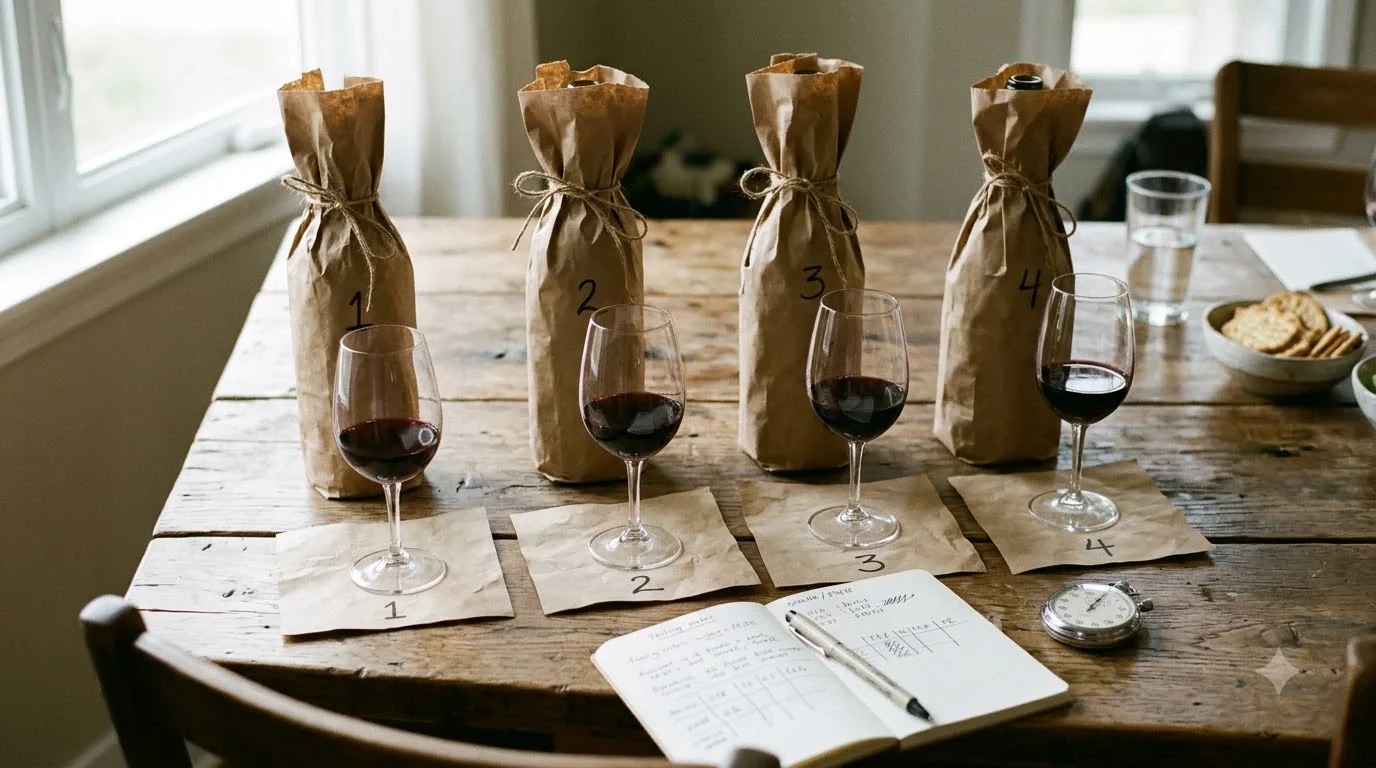
Monterey wine tasting centers on cool-climate Pinot Noir and Chardonnay from Monterey County, where fog and ocean breezes shape the flavors in each glass. The county counts ten American Viticultural Areas as of 2025, so one day can cover very different styles. Most visitors focus on the Santa Lucia Highlands, Carmel Valley and Chalone, which each offer a distinct climate. This guide explains where to go, what to pour, and how to plan a relaxed, responsible day.
Monterey County is large, and its wineries are spread across long drives through farmland and hills. A little planning helps you choose fewer stops, enjoy each tasting, and get home safely. The sections below cover the region’s character, the grapes you will see most often, the main tasting areas, and practical steps for etiquette, reservations and buying wine to take home.
What Makes Monterey County a Distinct Wine Region
Monterey County is a cool-climate wine region shaped by the Pacific Ocean. Sources on the county’s wine history describe it as one of the popular strongholds of cool-climate viticulture, largely because of its closeness to the coast. Cool air moves inland through the valley, and that airflow is a major reason the wines taste so fresh and structured.
The climate is not uniform. The Monterey County wine association describes a range of microclimates, from fog-cooled northern slopes to warmer southern valleys where daytime heat can climb sharply. That variety means two wineries only a short drive apart can produce wines with noticeably different character. Visitors often notice this when they taste a crisp coastal white and then a richer red from a warmer sub-region.
Soil matters too. Many vineyards sit on sandy loams and gravelly alluvial soils, and some sites have limestone or granite. According to regional appellation notes, these well-drained soils limit vine vigor and help concentrate flavor. For a visitor, the practical lesson is simple: the same grape can taste different depending on where it was grown, so ask pourers which sub-region each wine comes from.
Key Grape Varieties to Taste in Monterey
Chardonnay and Pinot Noir dominate the conversation, and for good reason. Monterey County’s own association notes that Chardonnay accounts for a large share of vines in the broad Monterey AVA. Cooler northern areas are also known for Pinot Noir and Riesling, so expect a wide range of white and red styles during a single trip.
| Grape | Typical style in Monterey | Where you are likely to taste it |
|---|---|---|
| Chardonnay | Crisp to rich, with varying oak influence | Found across many sub-regions, including Chalone |
| Pinot Noir | Bright, aromatic and cool-climate in feel | Cooler northern sites and the Santa Lucia Highlands |
| Riesling | Aromatic, often with lively acidity | Cooler northern areas |
| Cabernet Sauvignon and Merlot | Fuller, more structured reds | Warmer southern valleys and some Carmel Valley sites |
| Syrah and Petite Sirah | Bold, dark-fruited reds | Warmer areas, including Salinas Valley zones |
Rhone varieties also deserve attention. Regional descriptions of the Hames Valley AVA mention that its shale soils and warm climate suit bold, intense Rhone-style wines. If you want to try something beyond the classic Pinot Noir and Chardonnay pairing, ask a tasting room which Rhone or Bordeaux-style bottles it pours.
Chalone is worth a specific mention for white wine lovers. Regional sources note that Chalone holds some of the oldest producing vines in the county. Its wines are often described as having strong varietal character, which makes it a good place to compare styles side by side.
Top Tasting Areas: Carmel Valley, Santa Lucia Highlands, and Chalone
Three areas give most visitors a good overview of the county. Each one has a clear identity, and you can reach them without crossing the entire region. Plan to focus on one or two areas per day, because driving between distant sub-regions takes longer than the map suggests.
Carmel Valley sits in a sheltered area with varied terrain. According to the county association, some vineyards there rise above the fog line, which exposes grapes to warmer afternoons and cooler nights. The temperature swings lengthen the growing season, and the region is known for fuller reds such as Cabernet Sauvignon and Merlot. Many tasting rooms are close to the village, so you can walk between a few stops.
The Santa Lucia Highlands sit on terraces above the Salinas River Valley. Regional sources describe morning sun and afternoon maritime breezes, which together give the grapes a long, even ripening period. This is one of the best places to taste Pinot Noir and Chardonnay side by side. Expect a rural drive and plan for winery stops that are spread out along country roads.
Chalone is the county’s most unusual area, set against the Gabilan Mountains near Pinnacles National Park. Its high elevation and limestone and granite soils set it apart from the valley floor. Visitors who enjoy comparing a mountain-grown white with a coastal Chardonnay will find Chalone a useful contrast. Because it sits farther from the main towns, check hours before you go.
If you want a broader view, you can also visit the Arroyo Seco area. Its vineyards sit along a creek near the Salinas River, and regional descriptions say its maritime climate suits cool-climate grapes. For more background on how these areas differ, the Monterey County association’s AVA guide lays out each region’s climate and soils in plain terms.
How to Plan a Monterey Wine Tasting Day
A good tasting day starts with a short list of stops. Choose one main area, then add two or three wineries that offer different styles. This approach keeps your palate fresh and your driving manageable. It also gives you time to talk with winemakers and staff, which is often the best part of the visit.
- Pick one primary area, such as the Santa Lucia Highlands or Carmel Valley, and build your route around it.
- Check each winery’s hours and tasting schedule, since many rooms close early or require appointments.
- Book reservations ahead, especially for weekends and seasonal events, when popular rooms fill quickly.
- Arrange a designated driver, a ride service, or an overnight stay before you start tasting.
- Plan a meal or snack between stops so you are not tasting on an empty stomach.
- Leave time for a relaxed final stop, and avoid rushing from one tasting room to the next.
Weather is worth checking. The county’s coastal fog often clears by afternoon in some areas, but conditions vary by sub-region. Bring layers, since the air can feel cool even on a bright day. Comfortable shoes help too, because many estates have gravel paths and outdoor patios.
Tasting Etiquette, Fees, and Reservations
Tasting etiquette in Monterey is relaxed, but a few habits make visits smoother. Arrive on time for reservations, and tell staff if you are running late. Ask before taking photos of the tasting room or the vineyard. Pourers are usually glad to explain the wines, so ask questions about the vineyard, the vintage and the winemaking style.
Tasting fees differ from winery to winery, and they can change over time. Check each tasting room’s website or call ahead rather than assuming a fee or a waiver. Some rooms credit the tasting fee toward a bottle purchase, while others do not. Confirm the policy before you order. The same goes for group sizes, glass rules and whether children or pets are welcome.
Spit buckets are common at serious tasting rooms. You do not have to finish every pour, and you can ask for water between wines. Keep track of how many pours you have had, and pace your visit. Responsible drinking keeps the day enjoyable for you and everyone you share the road with.
Pairing Monterey Wines with Local Seafood
Monterey’s coastal location makes seafood a natural match for local wine. Cool-climate Chardonnay and Pinot Noir tend to show balance with fresh fish, shellfish and lightly prepared dishes. The acidity in many coastal wines helps refresh the palate between bites, which is useful when you are eating and tasting in the same afternoon.
As a rough guide, lighter whites suit delicate fish and shellfish, while fuller Chardonnays pair well with richer, buttery dishes. Pinot Noir works with salmon and other oilier fish, and it can also suit grilled dishes with herbs. Ask the restaurant or tasting room staff what they recommend, since local chefs often know which wines match their menus.
If you plan a seafood meal, order it near the middle of the day rather than at the end of a long tasting session. That order helps you notice the wine’s flavors more clearly. For another regional comparison, the finger lakes wine tasting guide shows how a different cool-climate region approaches its tasting rooms and food pairings.
Buying and Shipping Wine Home from Monterey
Many visitors want to bring bottles home, and most tasting rooms can help you pack them. Ask whether the winery offers shipping, and confirm which states it can ship to. Shipping rules for alcohol vary by state, and they can change, so check the rules for your home state before you buy. Some wineries offer club memberships that include shipments, but read the terms carefully.
If you cannot ship, plan for carry-on or checked luggage. Wrap bottles securely and keep them upright. Remember that airlines and local laws may limit how much alcohol you can carry. Ask the winery for padded cases if they sell them, and keep receipts in case you need to show a purchase date.
For background on the county’s wine history and sub-regions, the Monterey County wine entry on Wikipedia gives a helpful overview before you plan your buying list. You can also explore broader regional guides in the Wine Regions section to compare Monterey with other areas.
Frequently Asked Questions
What is Monterey wine tasting known for?
Monterey wine tasting is known for cool-climate wines, especially Pinot Noir and Chardonnay. The region’s proximity to the Pacific and its fog-cooled air shape wines that are often fresh and aromatic. Visitors also find warmer areas that produce bolder reds, so the range of styles is wide.
How many areas should I visit in one day?
Most visitors do best with one main area and two or three wineries. Distances between sub-regions can be longer than they look on a map. Focusing on a single area keeps your schedule realistic and gives you time to enjoy each stop.
Do I need reservations for Monterey wineries?
Many wineries recommend or require reservations, especially on weekends and during busy seasons. Check each tasting room’s website for its current policy. Booking ahead also helps you confirm hours, since some rooms close earlier than expected.
Can I ship wine home from Monterey?
Many wineries offer shipping, but they can only ship to states where the sale is permitted. Shipping rules for alcohol vary and can change. Confirm the winery’s policy and your state’s rules before you buy.
A Monterey wine tasting day rewards a clear plan and a curious palate. Pick one area, compare two or three wineries, and ask staff about the vineyards behind each bottle. Arrange a safe ride home, and enjoy the coastal scenery between stops.
More in Wine Regions
 Willcox Wine Trail: Discover Arizona’s High-Elevation Wine CountryUpdated Nov 20, 2026
 Yakima Valley Wine Region: Find the Best Styles to TryUpdated Nov 20, 2026
 Vosne Romanee Wine Tasting: Identify Aromas and Choose Better PairingsUpdated Nov 20, 2026
 Yakima Valley Wine Festival: Find the Best Seasonal Wine EventsUpdated Nov 20, 2026
 Wales Vineyards: Discover Cool-Climate Wines and Where to VisitUpdated Nov 20, 2026
 Yountville Wine Festival: Discover Napa Wines and Local FoodUpdated Nov 20, 2026