

We may earn a commission when you buy through links on this page, at no extra cost to you. Learn more.
Madiran wine is a bold, full-bodied red wine produced in Southwest France and made primarily from the Tannat grape. Established as an Appellation d’Origine Contrôlée (AOC) in 1948, the region requires every bottle to contain between 60% and 80% Tannat, blended with Cabernet Franc, Cabernet Sauvignon, or Fer Servadou. Known for its near-black color, dense dark fruit flavors, and firm tannic grip, it is built to pair with rich meats and age gracefully for a decade or more.
Tucked into the foothills of the Pyrenees mountains south of Bordeaux, Madiran flies under the radar compared to France’s more famous appellations. Yet for drinkers who appreciate structured, cellar-worthy reds with serious character, few regions deliver as much intensity per glass.
What Is Madiran Wine?
Madiran wine is an appellation-controlled red wine from Southwest France whose identity centers on Tannat, one of the wine world’s most tannic and deeply pigmented red grape varieties. Under French appellation rules, white and rosé wines cannot carry the Madiran label, making it an exclusively red wine territory.
The name Tannat itself comes from the Occitan word for “tanned,” a nod to both the brownish hue of the vine’s leaves and the hefty dose of natural tannins locked inside its fruit. According to Wine Folly’s guide to Tannat, the grape possesses unusually thick skins and up to five seeds per berry rather than the standard two or three. Because grape skins and seeds are the primary sources of tannins and color compounds in red wine, Tannat yields a glass that looks almost opaque ruby-black and feels noticeably grippy on the palate.
Historically, Madiran served as a blending partner to add color and backbone to lighter Bordeaux vintages shipped down the Garonne river. Today, the appellation stands on its own. French law mandates that a bottle labeled Madiran AOC must consist of at least 60% Tannat, with the remaining 20% to 40% filled out by Cabernet Franc, Cabernet Sauvignon, or Fer Servadou (known locally as Pinenc). Blending is not an afterthought here; those supporting grapes soften Tannat’s angular edges and bring lifted aromatics to the finished wine.
Modern cellar practices have also reshaped what Madiran tastes like in the glass. In 1991, local winemaker Patrick Ducournau pioneered micro-oxygenation, a technique that introduces tiny, controlled amounts of oxygen to the wine during and after fermentation. By encouraging tannins to bind together earlier in the winemaking process, micro-oxygenation smooths out harsh astringency while preserving the grape’s dark fruit core, making younger releases far more approachable than their mid-century predecessors.
Flavor Profile and Wine Styles
In the glass, Madiran wine delivers concentrated aromas of blackberry, black currant, and damson plum layered over savory notes of licorice, black pepper, smoke, and dried herbs. It is consistently dry, full-bodied, and anchored by moderately high acidity alongside its signature tannic structure.
Alcohol levels typically land between 13.5% and 14.5% ABV, though cooler hillside sites occasionally finish closer to 13%. Despite that weight, Madiran rarely feels sluggish or jammy. The natural acidity of the Pyrenees foothills keeps the palate fresh, giving the dense black fruit flavors a crisp, savory edge rather than a sweet finish.
While every bottle shares the same Tannat backbone, producers craft Madiran in two distinct stylistic camps depending on how they handle oak, blending, and maceration:
| Style Attribute | Traditional Age-Worthy Madiran | Modern Fruit-Forward Madiran |
|---|---|---|
| Tannat Proportion | 75% to 80% (often old-vine fruit) | 60% to 70% (higher Cabernet share) |
| Cellar Technique | Extended skin maceration and 12–18 months in French oak barrels | Micro-oxygenation and shorter aging in cement or neutral oak |
| Primary Flavors | Blackberry, cedar, leather, tobacco, dark chocolate, and smoke | Red berries, violet, black cherry, plum, and gentle baking spice |
| Texture & Grip | Firm, muscular tannins that demand air or cellar time | Supple, rounded tannins approachable right after release |
| Drinking Window | 5 to 15+ years from vintage | 2 to 6 years from vintage |
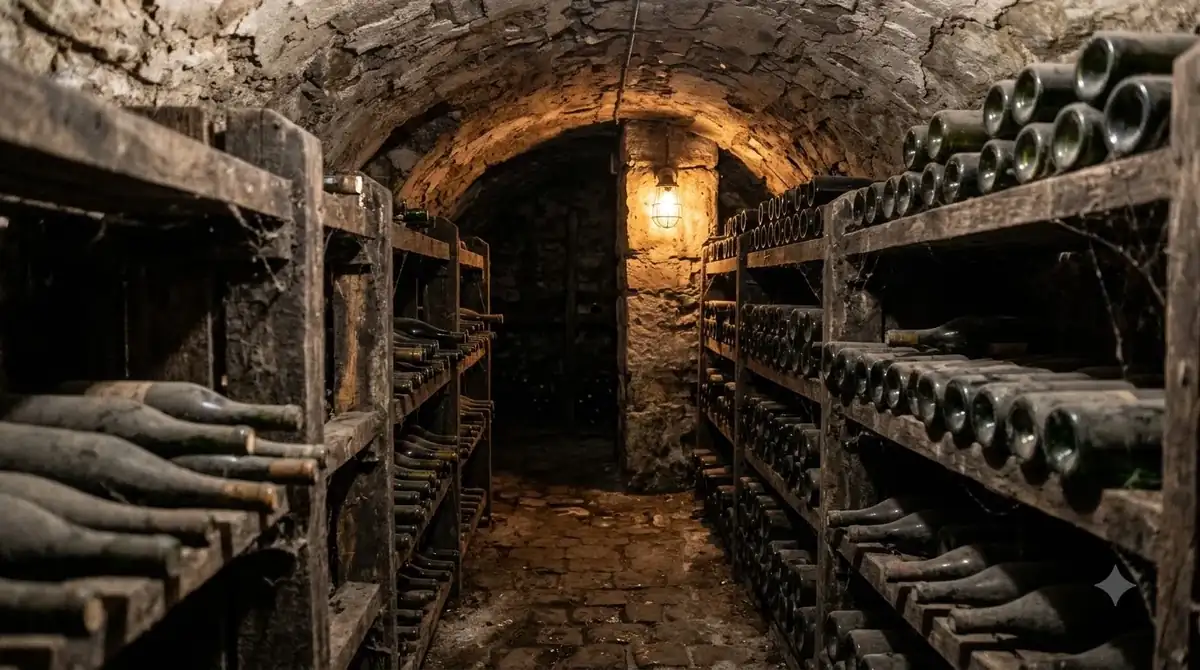
As a traditional bottle matures in the cellar, its primary black fruit gradually gives way to tertiary aromas of shoe leather, cigar box, cured meat, and earthy forest floor. Meanwhile, the newer wave of unoaked or lightly oaked bottlings highlights violet florals and brambly berry notes, offering a vivid introduction to the region without requiring a decade of patience.
Where Madiran Grows
The Madiran appellation spans rolling hills in Southwest France’s Adour river basin, straddling the departments of Gers, Hautes-Pyrénées, and Pyrénées-Atlantiques. Positioned roughly halfway between the Atlantic Ocean and the Pyrenees mountain range, the region sits south of Bordeaux and west of cahors wine country.
This geography creates a distinct microclimate. Moisture-laden winds blowing inland from the Atlantic bring reliable rainfall through spring and summer, while the nearby Pyrenees block harsh southern heat and promote cool nighttime temperatures. Crucially, autumn in the Adour basin tends to be warm, sunny, and dry, giving late-ripening Tannat grapes the extended hang time needed to reach full phenolic maturity without losing their natural acidity.
Vineyards are planted across varied slopes and exposures—most notably in the historic Vic-Bilh district—where soil composition dictates the personality of each cuvée. Well-drained clay-limestone ridges produce structured, deeply aromatic wines with fine-grained tannins, while stony, gravel-rich terraces absorb daytime warmth and yield richer, fuller-bodied expressions.
Beyond its French homeland, Tannat has also become the signature red grape of Uruguay, where Basque immigrants introduced the vine in the nineteenth century. As Decanter notes in its Tannat overview, Uruguay’s humid maritime climate coaxes softer tannins and riper dark fruit out of the grape, whereas French Madiran retains a tighter, more savory and mineral-driven profile. Exploring both side by side is one of the clearest ways to see how climate shapes a single variety across different Wine Regions.
How to Serve Madiran Wine
Serve Madiran wine slightly below room temperature, between 60°F and 68°F (15°C to 20°C), and give younger bottles at least one hour in a decanter before pouring. Serving it too warm exaggerates the alcohol, while skipping aeration leaves the tannins feeling tight and astringent.
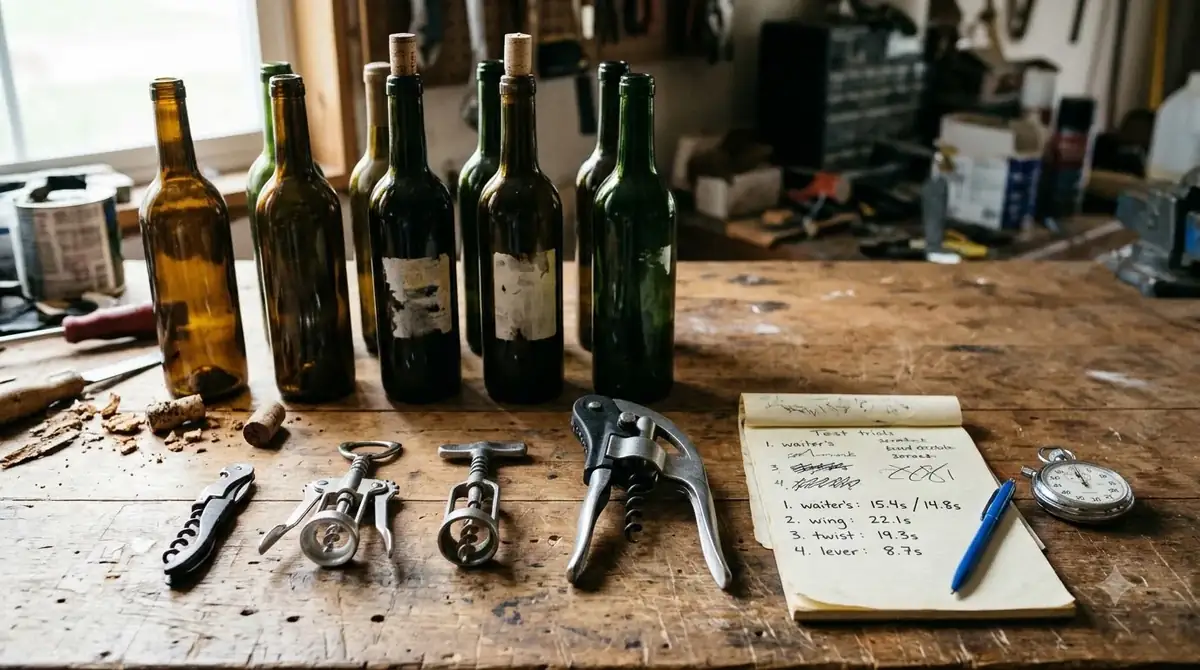
Pour the wine into an oversized, wide-bowled Bordeaux-style stemware glass. A generous bowl allows oxygen to swirl across the surface of the wine and gives complex aromas of dark fruit, smoke, and dried herbs room to open up. If your bottle has been stored at standard room temperature, place it in the refrigerator for 20 to 30 minutes prior to opening so it hits the ideal serving range.
Decanting strategy depends heavily on bottle age. For bottles under five years old, a vigorous pour into a wide-bottomed decanter one to two hours before dinner softens the tannic grip and unlocks hidden berry and spice notes. For older vintages aged ten years or more, stand the bottle upright for several hours before opening so sediment settles to the bottom, then decant gently off the deposit about 30 minutes before serving so delicate aged aromas do not fade.
Tip: If you open a bottle of Madiran on a whim without time to decant, pour a splash into a large glass and swirl it vigorously for two minutes, or pass the wine through an inline aerator straight into the glass.
Food Pairing with Madiran
Madiran wine pairs best with rich, fatty, and protein-heavy dishes that neutralize its firm tannins and match its bold flavor intensity. In the culinary world, tannins bind to dietary proteins and fats, which physically softens the wine’s drying sensation on your tongue while cleansing your palate between bites.
At home in Southwest France, the classic regional match is Gascon cassoulet—a slow-baked casserole of white beans, duck confit, pork belly, and garlic sausage. The rendered duck fat and savory meat juices tame Tannat’s astringency effortlessly, while the wine’s brisk acidity cuts through the richness of the stew so the meal never feels heavy.
Outside traditional French fare, Madiran shines alongside smoky, flame-kissed meats and hearty umami-driven dishes:
- Grilled and roasted red meats: Medium-rare ribeye or T-bone steak, braised beef short ribs, herb-crusted rack of lamb, and smoky barbecue brisket.
- Game and poultry: Roast duck breast, venison loin, wild boar ragù, or pan-seared sausages with caramelized onions.
- Vegetarian umami dishes: Charred portobello or porcini mushrooms, black lentil stew, and eggplant parmesan.
- Aged and pungent cheeses: Ossau-Iraty (a traditional sheep’s milk cheese from the nearby Pyrenees), Roquefort, aged Comté, or sharp mature cheddar.
Avoid pairing Madiran with delicate seafood, spicy chili-heavy dishes, or light vinaigrettes. High capsaicin heat amplifies alcohol burn and makes tannins taste bitter, while light fish gets completely overwhelmed by the wine’s weight.
How to Choose a Bottle of Madiran
When shopping for Madiran wine, look at the blend percentage, oak aging notes, and vintage age on the label to match the bottle to your timeline. Because producers balance Tannat differently, a quick read of the back label tells you whether a bottle is ready for tonight’s dinner or built for the cellar.
If you plan to open the wine right away, look for bottles blended with 25% to 40% Cabernet Franc or Cabernet Sauvignon, or seek out labels from recent vintages made by progressive producers such as Plaimont, Famille Laplace, or Vignobles Marie Maria. These bottlings emphasize supple texture, bright blackberry fruit, and integrated tannins that shine alongside a weeknight steak without needing years of bottle age.
If you want a traditional, cellar-worthy centerpiece, look for cuvées dominated by 75% to 80% old-vine Tannat aged in French oak barrels from benchmark estates like Château Montus, Château Bouscassé, Domaine Berthoumieu, or Château Peyros. Collectors who already enjoy muscular New World reds—such as mountain-grown Cabernet from calistoga wine estates—often gravitate toward these structured old-vine Madirans for their concentrated dark fruit and long aging curve.
Frequently Asked Questions
Is Madiran wine dry or sweet?
Madiran wine is almost always fully dry, with minimal residual sugar. Its concentrated blackberry and plum aromas can create an impression of fruit richness on the mid-palate, but firm tannins and brisk acidity leave a crisp, savory finish. For sweet wines from the exact same vineyards, look for neighboring Pacherenc du Vic-Bilh, which uses white grapes harvested late in autumn.
What grape is used to make Madiran wine?
Madiran wine is made primarily from Tannat, which must account for 60% to 80% of every blend under French appellation law. Winemakers round out the remaining 20% to 40% with Cabernet Franc, Cabernet Sauvignon, or Fer Servadou (locally called Pinenc). These blending partners add floral lift and soften Tannat’s naturally grippy tannins.
How long can you age Madiran wine?
Traditional, oak-aged Madiran wine easily matures for 10 to 15 years in a cool cellar, and top old-vine cuvées from benchmark vintages can evolve for two decades or more. Modern, fruit-forward styles crafted with higher proportions of Cabernet and micro-oxygenation are built for earlier enjoyment within 2 to 6 years of the harvest.
Is Madiran the same as Tannat?
Madiran is the name of the French wine appellation in Southwest France, whereas Tannat is the primary red grape variety grown there. While all Madiran AOC wines are Tannat-dominant blends, not all Tannat wines come from Madiran—Uruguay, Argentina, and California also produce varietal Tannat wines with distinctly softer, riper fruit profiles.
Whether you are pulling a bottle of Madiran from the cellar after a decade or decanting a younger blend for a weekend roast, few French reds offer such unmistakable character. Once you experience how its dark fruit and savory grip come together at the dinner table, it quickly earns a permanent spot in your rotation.
More in Wine Regions
 Willcox Wine Trail: Discover Arizona’s High-Elevation Wine CountryUpdated Nov 20, 2026
 Yakima Valley Wine Region: Find the Best Styles to TryUpdated Nov 20, 2026
 Vosne Romanee Wine Tasting: Identify Aromas and Choose Better PairingsUpdated Nov 20, 2026
 Yakima Valley Wine Festival: Find the Best Seasonal Wine EventsUpdated Nov 20, 2026
 Wales Vineyards: Discover Cool-Climate Wines and Where to VisitUpdated Nov 20, 2026
 Yountville Wine Festival: Discover Napa Wines and Local FoodUpdated Nov 20, 2026