

We may earn a commission when you buy through links on this page, at no extra cost to you. Learn more.
Kansas vineyards span more than 40 farm wineries concentrated primarily in the rolling hills of northeastern Kansas, cultivating cold-hardy French-American hybrids and native North American grapes. Known for varieties such as Chambourcin, Vignoles, Norton, and Traminette, the state produces dry reds, crisp aromatic whites, and sweet fruit-forward bottles. While Kansas does not yet have a federally designated American Viticultural Area, growers across the Kaw Valley, Glacial Hills, and Flint Hills rely on limestone-laced soils and long, sunny summers to craft regionally expressive wines.
Long before Prohibition halted commercial winemaking across the plains, Kansas stood alongside neighboring Missouri as one of the leading wine-producing states in nineteenth-century America. Today, a dedicated community of family-owned estates and research-driven vintners is rebuilding that legacy from the ground up, offering wine travelers an approachable alternative to crowded coastal tasting rooms.
Overview of Kansas Viticulture
Modern winegrowing in Kansas is defined by resilience, agricultural diversification, and an emphasis on estate-grown fruit. Rather than attempting to force delicate coastal grapes into extreme continental weather, local growers plant winter-hardy cultivars built to withstand sub-zero winters, spring frosts, and humid summers.
History shapes much of the state’s current wine identity. According to Wine Enthusiast, nineteenth-century European immigrants settled in the Midwest and discovered thriving native vines, helping Kansas and Missouri account for roughly eighty percent of American wine production during that era. However, Kansas enacted a statewide alcohol ban in 1880—nearly four decades before national Prohibition—which dismantled commercial vineyards for roughly a century.
The modern revival began in earnest after the Kansas Farm Winery Act lowered licensing barriers and the Kansas wine industry revival gained momentum through grower coalitions formed in the late 1980s. While the state still lacks an official American Viticultural Area, winemakers collaborate closely with university extension programs to identify clones and rootstocks suited to prairie winds and fluctuating harvest rainfall.
Unlike massive commercial Wine Regions dominated by corporate estates, Kansas viticulture operates on an intimate, small-acreage scale. Many farmers view wine grapes as a high-value specialty crop, turning three- to ten-acre vineyard blocks into boutique tasting rooms where visitors meet the people who pruned the vines and fermented the vintage.
Sub-Regions and Wine Trails
Although vineyards operate across all corners of the state, the highest density of wineries sits in northeastern Kansas, where glacial soils and river valleys create favorable microclimates. Travelers typically explore the state through established regional wine trails rather than a single centralized valley.
| Trail or Region | Geographic Focus | Soil & Landscape | Signature Wine Styles |
|---|---|---|---|
| Kaw Valley Wine Trail | Northeast Kansas (Lawrence to Kansas City area) | Alluvial river valley loams and rolling hills | Dry Chambourcin, Vignoles, and award-winning fruit wines |
| Glacial Hills Wine Trail | Topeka and Lawrence corridor | Fertile glacial drift, wooded hills, and valleys | Crisp hybrid whites, Norton reds, and semi-sweet blends |
| Somerset Wine Trail | Miami County (south of Kansas City) | Gently rolling limestone and clay hills | Estate red blends, dry whites, and hard ciders |
| Flint Hills & Central Kansas | Manhattan to Whitewater | Tallgrass prairie over limestone-rich soils | Bold dry reds, aromatic whites, and rosés |
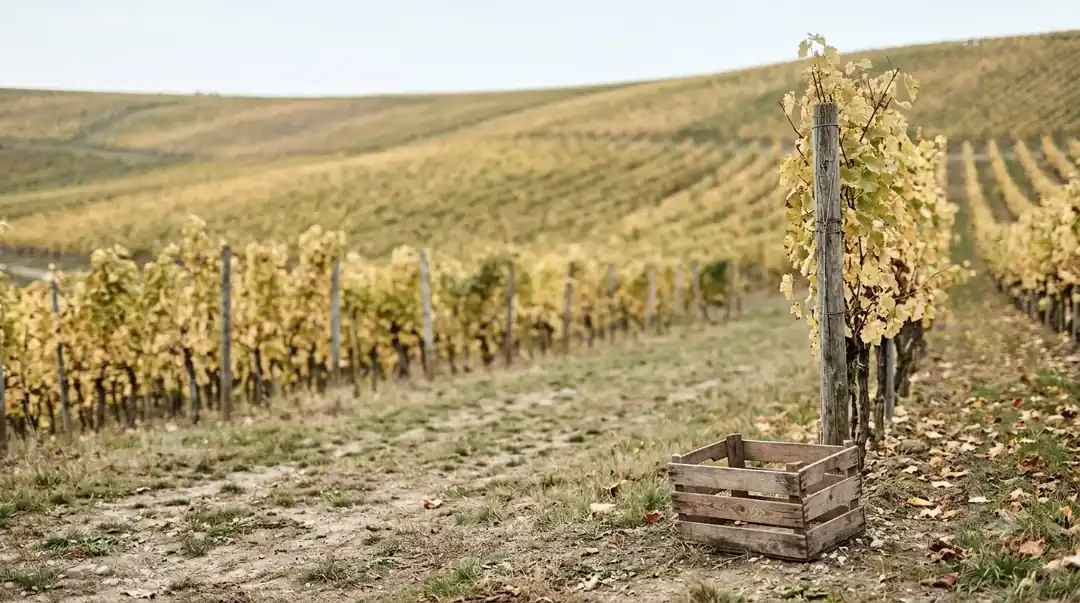
The Travel Kansas wineries directory highlights three primary trails in the northeast that together account for roughly thirty wineries. The Kaw Valley Wine Trail stretches across sixteen stops between the Kansas City metro area and the college town of Lawrence, offering easy weekend itineraries along scenic country roads. Nearby, the Glacial Hills Wine Trail winds through wooded ridges north of the Kansas River, where retreating Ice Age glaciers left behind mineral-rich soils that retain moisture without waterlogging vine roots.
Just twenty miles south of the Kansas City metropolitan area, the Somerset Wine Trail clusters four farm wineries along a twelve-mile stretch in Miami County. Meanwhile, vineyards further west in the Flint Hills—around Manhattan and Whitewater—sit amid sweeping tallgrass prairie and rocky limestone outcrops that impart bright natural acidity to the grapes.
Key Grapes and Wine Styles
Kansas winemakers rely primarily on French-American hybrids and native Vitis aestivalis cultivars that thrive in continental climates where classic European Vitis vinifera vines struggle. Expect vibrant acidity, expressive fruit aromatics, and food-friendly textures rather than heavy oak extraction.
Among red grapes, Chambourcin serves as the workhorse of Kansas vineyards. This French-American hybrid produces deep ruby wines with bright black cherry, plum, and earthy spice notes, moderate tannins, and enough versatility to shine as a dry barrel-aged red, a crisp rosé, or a chilled summer table wine. Alongside it stands Norton (also called Cynthiana), a historic American heritage grape known for inky color, dark berry concentration, peppery spice, and higher natural acidity.
White wine production centers on aromatic hybrids bred for cold climates. Vignoles delivers lush aromas of pineapple, apricot, and citrus backed by zesty acidity, allowing winemakers to craft it anywhere from bone-dry to luscious late-harvest dessert styles. Traminette, an offspring of Gewürztraminer, brings floral lychee, rose petal, and baking spice aromas, while Seyval Blanc and Vidal Blanc yield clean, crisp, stainless-steel-fermented whites that appeal to fans of Pinot Grigio or Sauvignon Blanc.
A smaller number of experimental growers also tend hardy pockets of European varieties such as Cabernet Franc, Riesling, and Grüner Veltliner on protected hillside sites. Across the state, tasting menus intentionally span the sweetness spectrum—pairing dry, structured estate bottlings alongside semi-sweet blends and fruit wines made from local blackberries, elderberries, and apples.
Notable Kansas Producers
Because most Kansas wineries operate on small family farms, visiting tasting rooms offers direct insight into how individual growers interpret local soil and climate. Several established estates anchor the state’s reputation for quality-driven winemaking.
Holy-Field Vineyard & Winery in Basehor stands as one of the state’s longest-running modern pioneers, earning nineteen Jefferson Cup awards for wines crafted from estate-grown hybrids. Further south in Paola, Somerset Ridge Vineyard & Winery farms over eight thousand vines in the rolling hills of Miami County, pairing handcrafted dry reds and whites with weekend live music and harvest events.
In the Flint Hills, Prairie Fire Winery near Paxico emphasizes a strict estate philosophy—growing, fermenting, and bottling exclusively Kansas-grown grapes that reflect the region’s rocky soils. Near Whitewater, Grace Hill Winery draws crowds for both dry and sweet estate wines, while Liquid Art Winery and Estate in Manhattan combines scenic hilltop views with modern winemaking. Around Lawrence and Eudora, Bluejacket Crossing Vineyard and Winery and Crescent Moon Winery round out the eastern corridor with welcoming, community-focused tasting rooms.
Practical Tips for Visiting
Planning a trip through Kansas wine country requires a slightly different approach than touring high-volume coastal destinations like diamond mountain vineyards or suburban hubs like grapevine vineyards. Because estates are spread across rural counties, mapping your route in advance ensures a relaxed pace.
Tip: Many Kansas farm wineries keep extended hours Friday through Sunday and offer reduced schedules midweek, so check tasting room hours before driving out to rural estates.
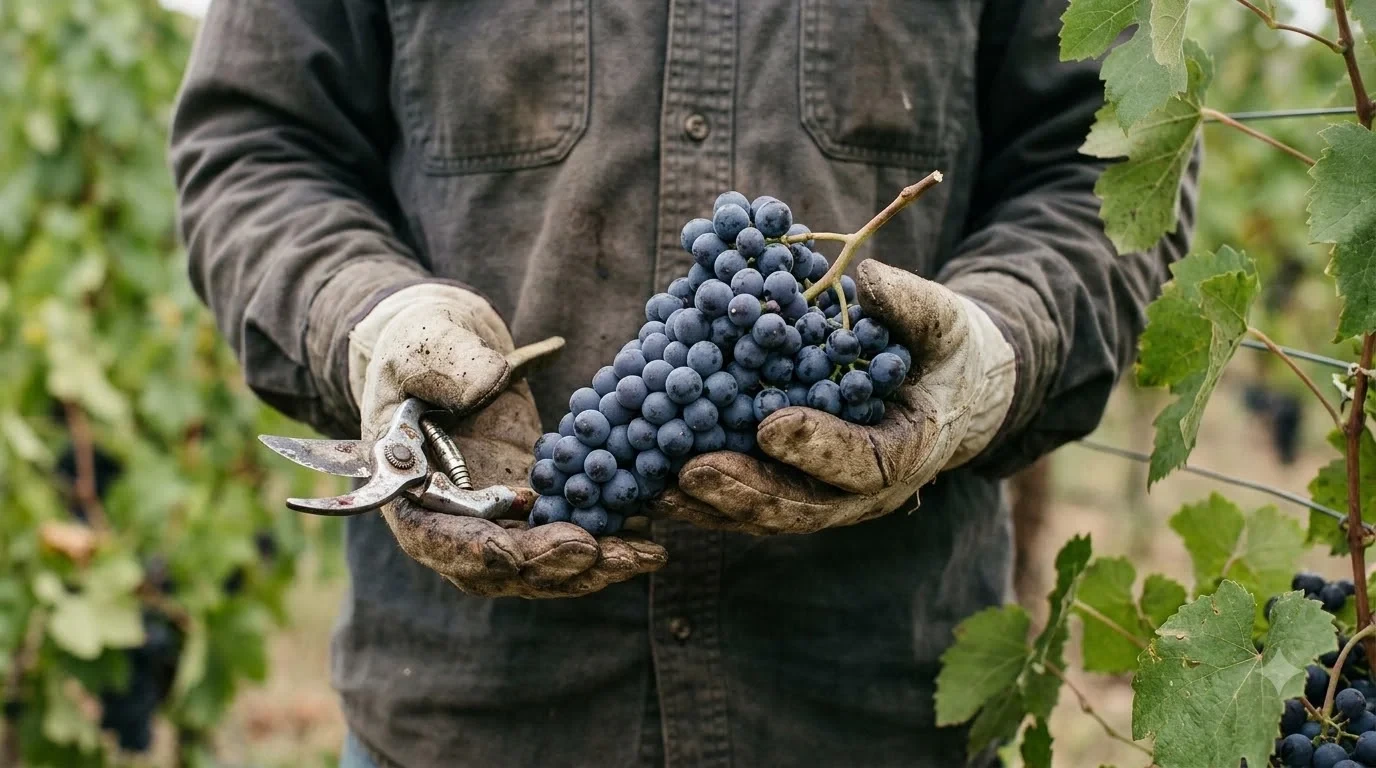
Late spring through mid-autumn offers the most scenic conditions, when green vine canopies contrast against the prairie sky and weekend patio music is in full swing. Harvest season in August and September brings peak activity, and select wineries even invite visitors to volunteer during morning grape picking. If you prefer avoiding busy weekend crowds, Friday afternoons provide quieter tasting bars and more time to chat with cellar staff.
Along the Somerset Wine Trail south of Kansas City, visitors can book seats on a dedicated trolley that connects all four participating wineries safely. For self-guided drives along the Kaw Valley or Glacial Hills trails, pack a cooler for purchased bottles—summer temperatures in Kansas easily climb into the nineties, which can quickly cook wine left in a parked car.
How to Buy Kansas Wine
Because annual production at individual Kansas vineyards remains small, very few bottles enter national wholesale distribution. Purchasing directly from the source is the most reliable way to explore the state’s best dry and estate-grown bottlings.
Most wineries sell their full lineup—including limited small-lot reds and seasonal releases—directly through their tasting rooms, and many offer direct-to-consumer shipping to eligible states through their websites. If you are shopping inside Kansas, independent wine shops in Kansas City, Lawrence, Topeka, and Wichita often dedicate a shelf to local labels, though selection leans heavily toward popular semi-sweet blends.
When reading labels at a retail shop or tasting counter, look for the words “Estate Bottled” or “Grown and Bottled in Kansas.” Some commercial wineries supplement local harvests with bulk juice trucked in from out of state, whereas estate-focused producers highlight fruit harvested directly from Kansas soils. Much like exploring historic Old World appellations such as constantia vineyards, seeking out single-estate bottlings gives you the clearest taste of place.
Frequently Asked Questions
Does Kansas have any official AVA wine regions?
No, Kansas does not currently have a federally designated American Viticultural Area (AVA). Instead, wineries organize regionally around geographic wine trails such as the Kaw Valley Wine Trail, Glacial Hills Wine Trail, and Somerset Wine Trail. Industry groups continue researching local soil and climate data to support future appellation petitions.
What types of grapes grow best in Kansas vineyards?
Cold-hardy French-American hybrids and native North American grapes thrive best in Kansas’s extreme seasonal temperatures. Top red varieties include Chambourcin and Norton, while leading white grapes include Vignoles, Traminette, Seyval Blanc, and Vidal Blanc. These varieties resist winter freeze damage and humid summer disease pressure far better than most European wine grapes.
Are Kansas wines mostly sweet or dry?
Kansas wineries produce a balanced mix of dry, semi-sweet, and sweet wines. While sweet fruit wines and Concord-style blends remain popular crowd-pleasers, dozens of estate producers craft dry, barrel-aged Chambourcin reds and crisp, dry Vignoles or Seyval Blanc whites. Asking the tasting room staff for their dry estate flight is the easiest way to sample serious table wines.
When is the best time of year to visit Kansas wineries?
May through October is the prime window for visiting Kansas vineyards, offering lush vineyard views, mild patio weather, and frequent live music. August and September are especially lively during the annual grape harvest, though spring wildflower blooms and October fall foliage also draw steady weekend visitors.
Exploring Kansas vineyards rewards curious wine drinkers with resilient hybrid varietals, welcoming family farms, and a rich nineteenth-century backstory. Whether you spend a weekend following the trails outside Kansas City or stop at a Flint Hills estate along the interstate, the state’s growing community of vintners offers a genuine taste of Midwest wine country.
More in Wine Regions
 Willcox Wine Trail: Discover Arizona’s High-Elevation Wine CountryUpdated Nov 20, 2026
 Yakima Valley Wine Region: Find the Best Styles to TryUpdated Nov 20, 2026
 Vosne Romanee Wine Tasting: Identify Aromas and Choose Better PairingsUpdated Nov 20, 2026
 Yakima Valley Wine Festival: Find the Best Seasonal Wine EventsUpdated Nov 20, 2026
 Wales Vineyards: Discover Cool-Climate Wines and Where to VisitUpdated Nov 20, 2026
 Yountville Wine Festival: Discover Napa Wines and Local FoodUpdated Nov 20, 2026