

We may earn a commission when you buy through links on this page, at no extra cost to you. Learn more.
Kansas wine comes from a small Midwestern industry built on hybrid grapes, with sweet and semi-sweet styles that are often sold at farm wineries and tasting rooms across the state. Kansas was the first state to pass statewide prohibition in 1881, and the national ban that followed in 1920 largely ended its early wine industry. Production returned after the state’s farm winery law passed in 1985. This guide covers the history, the grapes, the wine styles you are likely to find, and how to enjoy them.
Kansas is not a name most wine drinkers expect to see on a label, yet the state has a long connection to American winemaking. Its wines share a regional story with Missouri and the Midwest, where German immigrants planted vines in the 19th century. The sections below explain that history, the grapes that grow well in a continental climate, and what to look for when you buy a bottle.
A Brief History of Winemaking in Kansas
German immigrants planted grapes in Missouri, and the industry spread west into eastern Kansas. By the 1870s, wineries existed across the state, from Russell in the west to Paola in the east.
That early success ended abruptly. Kansas was the first state to pass statewide prohibition, in 1881. National prohibition in 1920 then destroyed the grape and wine industry in Kansas and Missouri. For decades afterward, the state had almost no commercial vineyards, which is part of why Kansas wine is still a niche subject today.
The Modern Kansas Wine Industry
The industry began to come back after the Kansas Farm Winery Statute was passed in 1985. The law made it possible for small producers to open farm wineries and sell their wines locally. Over time, a number of family-run wineries and vineyards took shape, many in the eastern part of the state where the soils and growing season suit hybrid vines.
The most recent state-wide figures available to this guide come from around 2010, when 23 licensed wineries were recorded in Kansas. The industry has likely changed since then, so check a current state list before you plan a trip. In 2010, four of the 20 Jefferson Cups awarded went to Kansas wines, which shows that the state’s producers have been recognized beyond the region.
The state’s growing conditions give vineyards a mix of advantages and challenges. The latitude and a long, sunny growing season help ripen fruit, and the soils range from limestone-laced ground to sandy land. Hot, humid summers and cold winters are harder on vines, which is why growers rely on hybrids bred for hardiness and resistance to disease. Choosing the right grape for each site remains the main decision a grower makes.
Grapes That Grow in Kansas
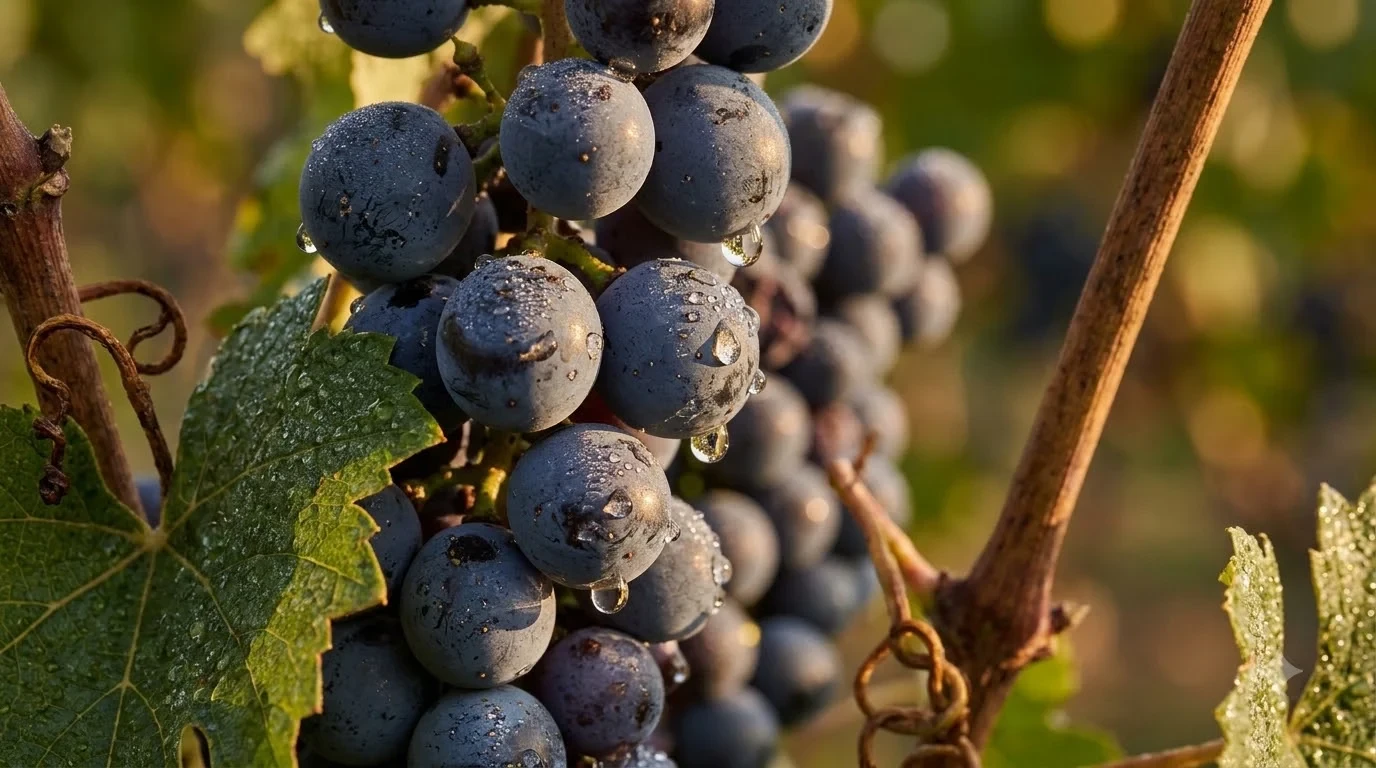
Kansas vineyards grow a wide range of varieties, and many are hybrids developed to survive cold winters, humid summers and disease pressure. Aurore, Concord, Norton and Vidal blanc are among the grapes that appear in Kansas plantings, and the Anderson Valley wine page offers a contrast with a cool coastal climate where vinifera dominates. Cabernet Franc and Chardonnay are also grown in some vineyards, usually where growers have the right site and care.
| Grape | Type | What to expect in the glass |
|---|---|---|
| Norton | American hybrid red | Rich wines with dark fruit and savory notes |
| Concord | American slip-skin grape | Sweet, grapey wines often made as sweet reds or blends |
| Vidal blanc | French hybrid white | Light, fruity whites with bright acidity |
| Aurore | French hybrid white | Fresh, floral wines suited to early drinking |
| Cabernet Franc | Vinifera red | Medium-bodied reds with herbal and berry notes |
Norton deserves special attention. Wine Folly’s Norton guide describes it as an American hybrid of Vitis vinifera and Vitis aestivalis, a cross between European and native North American species. Its listed flavors include black currant, black cherry, dill, black pepper and chocolate, and the guide recommends serving it between 60 and 68 degrees Fahrenheit, or 15 to 20 degrees Celsius. That range is one of the best reasons to try a Kansas red at a cellar temperature rather than straight from a warm room.

Sweet and Dry Styles on the Label
Many Kansas wines are sweet or semi-sweet, and some of the most popular bottles at farm wineries follow that pattern. A sweet red made from Concord grapes can be a welcome introduction for drinkers who find dry reds too sharp. Sweet whites with tropical or citrus notes often pair with spicy food and lighter desserts.
Drier styles are also made, especially from hybrid whites and a few vinifera varieties. When you look at a label, check the description or ask the staff whether the wine is dry, off-dry or sweet. That single detail tells you more about how the bottle will taste than the grape name alone.
Tip: Sweet Kansas wines often open well when chilled. Put a bottle in the fridge for an hour before serving, and taste a small pour to judge the balance before you commit to a full glass.
Visiting Kansas Wineries and Tasting Rooms
Most Kansas wineries are small, and visitors should expect a personal approach. Many tasting rooms run scheduled tastings led by staff, and some sell gifts, shirts and wine packs alongside bottles. Reserve a tasting slot when the website offers one, since small rooms can fill quickly on weekends.
A typical Kansas winery visit is a short stop rather than a full day. Pair a tasting with a walk around the vineyard grounds or a meal from a nearby restaurant, and leave time for the drive home. If you plan to visit several wineries, keep the route short and check hours in advance, since weekday and weekend schedules often differ.
Serving and Pairing Kansas Wine at Home
Kansas reds like Norton pair well with grilled meats, smoked dishes and hearty stews. Their savory notes and firm structure stand up to barbecue sauces and roasted vegetables. Sweet reds from Concord grapes go with a cheese plate or dark chocolate desserts, where the sugar in the wine balances the richness of the food.
Light whites such as Vidal blanc suit salads, fried chicken and mild cheeses. Off-dry whites can match spicy Thai or Mexican dishes, where a touch of sweetness softens heat. Serve whites chilled and reds slightly below room temperature, and open the bottle a few minutes early for the reds so the aromas can open up.
Buying Kansas Wine Wisely
Because many Kansas wineries sell most of their bottles directly, buying at the cellar door is often the easiest way to find a particular release. Staff can explain how a wine was made, whether it is sweet or dry, and which dish it suits. Ask about the vintage, since small producers may change their lineup from year to year.
Some wines are also sold through state-licensed retailers and restaurants, depending on local rules. If you are shipping or buying a gift, check the seller’s terms first, because direct shipping rules for wine vary and can limit what you can send across state lines.
Frequently Asked Questions
What is Kansas wine usually made from?
Most Kansas wine is made from hybrid grapes such as Norton, Vidal blanc and Aurore, along with Concord grapes for sweet styles. A few vineyards also grow vinifera varieties like Cabernet Franc and Chardonnay.
Why is Kansas wine not better known?
Statewide prohibition in 1881 and national prohibition in 1920 ended much of the early industry. Modern production restarted after 1985, so the industry is smaller and newer than in larger wine states.
Are Kansas wines mostly sweet?
Many are sweet or semi-sweet, especially those made from Concord grapes. Drier styles also exist, particularly from hybrid whites, so check the label or ask the staff about sweetness.
How many wineries are in Kansas?
A state figure from around 2010 lists 23 licensed wineries. That number is likely out of date, so check a current state or regional list before you plan a visit.
Kansas wine is a good subject for curious drinkers who enjoy learning where a bottle comes from. Start with a sweet red or a light hybrid white, note how the style changes from one winery to the next, and compare what you find with other American regions. For a broader view of the country’s districts, the wine regions guide is a useful next step, and the Alaska wine page shows how another small American industry handles similar climate challenges.
More in Wine Regions
 Willcox Wine Trail: Discover Arizona’s High-Elevation Wine CountryUpdated Nov 20, 2026
 Yakima Valley Wine Region: Find the Best Styles to TryUpdated Nov 20, 2026
 Vosne Romanee Wine Tasting: Identify Aromas and Choose Better PairingsUpdated Nov 20, 2026
 Yakima Valley Wine Festival: Find the Best Seasonal Wine EventsUpdated Nov 20, 2026
 Wales Vineyards: Discover Cool-Climate Wines and Where to VisitUpdated Nov 20, 2026
 Yountville Wine Festival: Discover Napa Wines and Local FoodUpdated Nov 20, 2026