
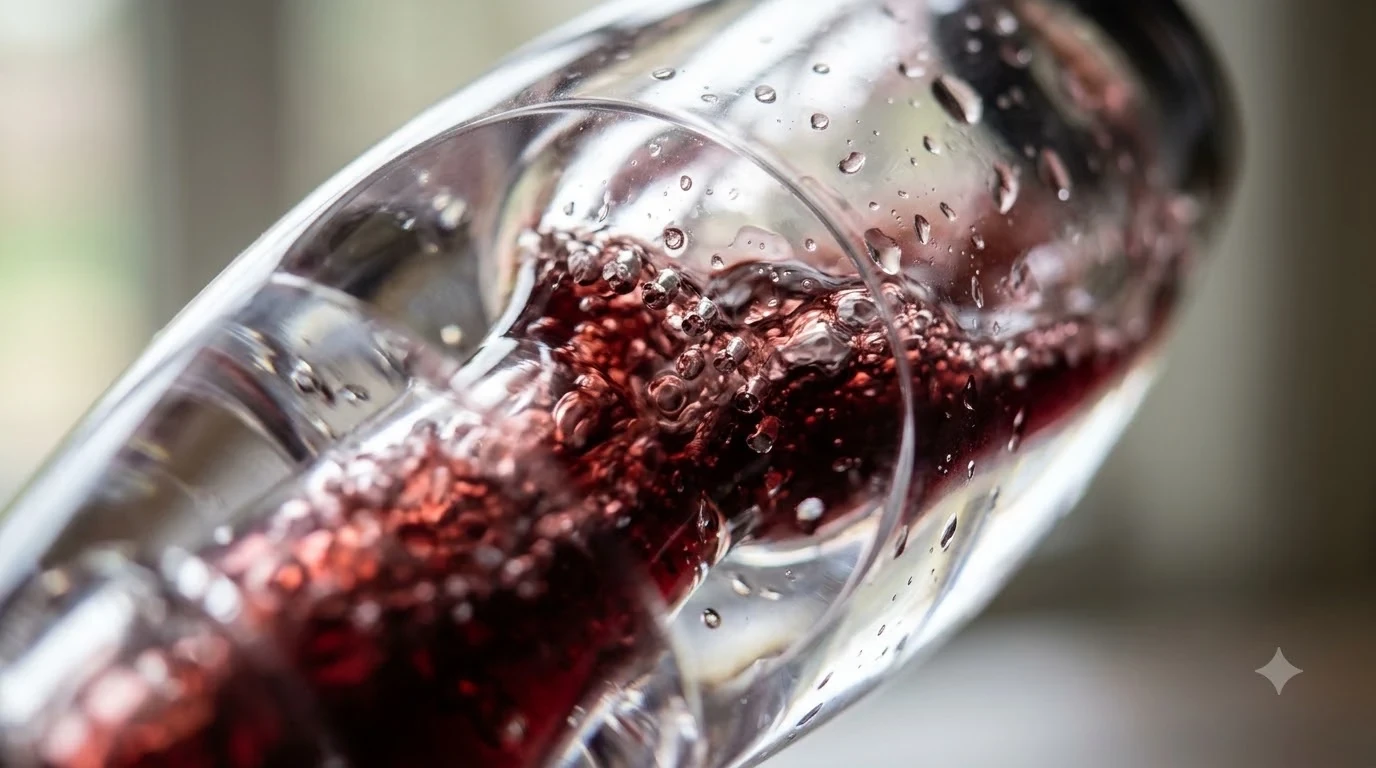

We may earn a commission when you buy through links on this page, at no extra cost to you. Learn more.
When asking what wine has the least sugar, the answer is bone-dry sparkling wine labeled Brut Nature (under 3 grams per liter of residual sugar) alongside fully fermented dry still wines like Sauvignon Blanc, Muscadet, Pinot Noir, and Cabernet Sauvignon, which typically contain less than 1 gram of sugar per standard 5-ounce glass. During fermentation, yeast converts natural grape sugars into alcohol, leaving behind minimal unfermented glucose and fructose in dry styles. A standard 5-ounce pour of a bone-dry wine generally holds between 0.15 and 0.6 grams of sugar, making it dramatically lower in sugar than off-dry or dessert bottles.
Walking down the wine aisle without nutrition labels on the bottles makes tracking sugar intake feel like guesswork. Because winemakers are not legally required to print residual sugar figures on front or back labels, understanding how fermentation works and learning a few regional cues will help you identify the driest bottles on any shelf.
How Fermentation Determines Sugar in Wine
Wine sugar—known in the industry as residual sugar, or RS—is simply the natural grape fructose and glucose left over after yeast finishes converting sugar into ethanol. When winemakers allow fermentation to run its full course, the resulting wine is dry and contains negligible sugar.
Fresh wine grapes harvested at peak ripeness are packed with natural sugars. Once the grapes are crushed and yeast is introduced to the juice, the yeast consumes those sugars and produces alcohol and carbon dioxide as byproducts. If the yeast works uninterrupted until nearly all fermentable sugars are gone, the finished bottle lands in the bone-dry or dry category. Even in a completely fermented wine, a tiny fraction of unfermentable pentose sugars remains, usually measuring around 0.3 to 2 grams per liter.
Sweetness enters the picture when a winemaker intentionally halts fermentation early—often by rapidly chilling the tank or adding neutral grape spirit—or adds sweetening agents afterward. Stopping the yeast leaves unfermented grape sugar suspended in the liquid, which lowers the final alcohol by volume while raising the sugar count. According to Wine Folly’s sugar in wine breakdown, dry-tasting wines contain up to 10 grams of sugar per entire bottle, whereas sweet dessert styles can climb to 220 grams per liter.
In the sparkling wine world, sugar levels are managed through a second step called dosage. After a secondary fermentation creates bubbles inside the bottle, the winemaker tops off the wine with a small mixture of wine and cane sugar before corking. Skipping this step entirely produces the lowest-sugar sparkling wines available on the market.
Sugar Levels Across Common Wine Styles
Residual sugar varies dramatically depending on how a wine is vinified, ranging from under half a gram per 5-ounce serving in bone-dry styles to more than 20 grams per glass in fortified dessert wines. Comparing styles side by side shows how production choices shape the final numbers in your glass.
| Wine Style | Residual Sugar (g/L) | Approx. Sugar per 5-oz Glass | Typical ABV |
|---|---|---|---|
| Brut Nature / Zero Dosage Sparkling | 0 to 3 g/L | 0 to 0.45 g | 11.5% to 12.5% |
| Bone-Dry White (Sauvignon Blanc, Muscadet) | 0.5 to 2 g/L | 0.1 to 0.3 g | 11% to 13% |
| Dry Red (Pinot Noir, Cabernet Sauvignon) | 1 to 4 g/L | 0.15 to 0.6 g | 13% to 15% |
| Brut Champagne / Sparkling | 6 to 12 g/L | 0.9 to 1.8 g | 12% to 12.5% |
| Off-Dry Riesling (German Kabinett) | 10 to 36 g/L | 1.5 to 5.4 g | 8% to 10% |
| Moscato d’Asti | 18 to 100+ g/L | 2.7 to 15+ g | 5% to 5.5% |
| Sauternes or Ruby Port (2-oz pour) | 110 to 150 g/L | 6.5 to 9 g (per 2 oz) | 14% to 20% |
Looking at the numbers reveals an important distinction between alcohol and sugar. While dry red wines like California Cabernet Sauvignon carry very little sugar, their higher alcohol levels still contribute energy; as VinePair’s wine calorie guide notes, a 5-ounce pour of dry Cabernet Sauvignon at 14.5 percent ABV contains around 122 calories, mostly from ethanol rather than carbohydrates. If you are tracking overall macros alongside sugar, checking how many carbs are in a glass of wine provides a clearer picture of total nutritional impact.
Sparkling wines also trip up shoppers because their official dryness terms sound counterintuitive. Brut is the standard dry style, containing up to 12 grams per liter of residual sugar, which keeps how much sugar is in Champagne relatively modest. However, bottles labeled Extra Dry actually sit higher on the scale at 12 to 17 grams per liter, meaning Extra Dry Prosecco or sparkling wine is noticeably sweeter than Brut.
Driest White and Sparkling Wines
Crisp white and sparkling wines from cool growing regions consistently rank among the lowest-sugar bottles you can buy, often finishing fermentation with under 1 gram of residual sugar per liter. High natural acidity gives these wines a bright, refreshing snap without needing any leftover sugar for balance.
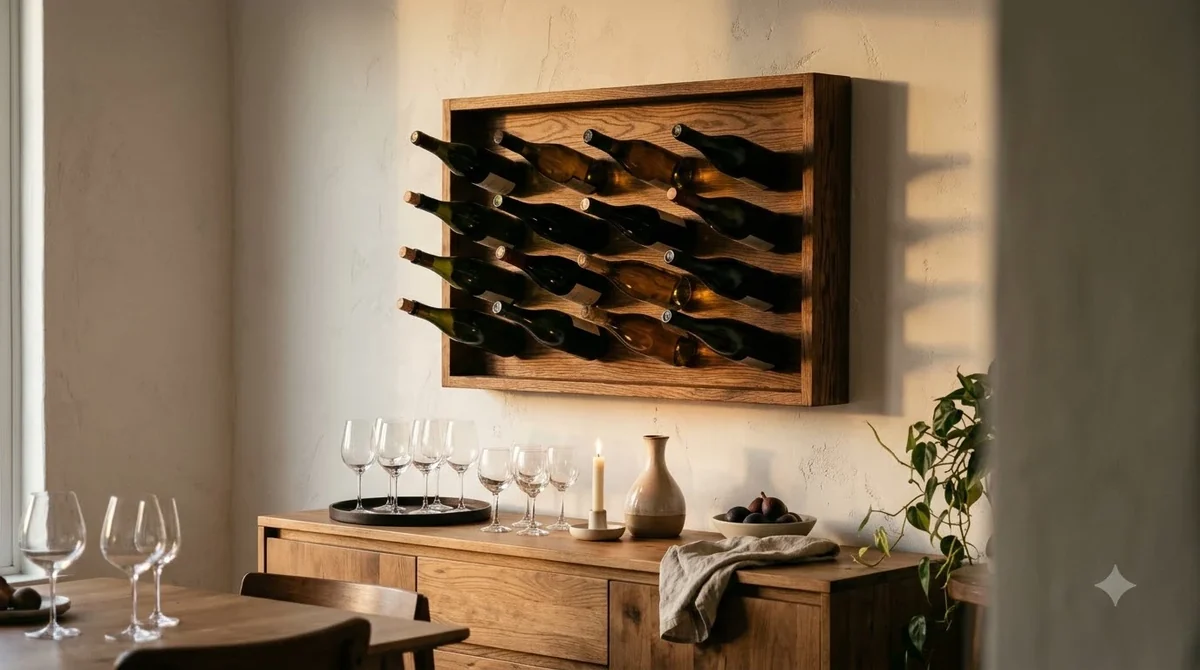
At the very top of the low-sugar list sits sparkling wine labeled Brut Nature, Pas Dosé, or Dosage Zéro. Because winemakers add zero sugar after disgorgement, these bottles contain strictly less than 3 grams of residual sugar per liter—often hovering near 0.5 grams per liter. Traditional-method sparklers from Champagne, Spanish Cava, and Italian Franciacorta all produce standout Brut Nature bottlings that deliver toasted brioche and citrus notes with virtually no sugar.
Among still whites, Loire Valley Muscadet (made from the Melon de Bourgogne grape) and Spanish Albariño from Rías Baixas are dependably fermented to complete dryness. Sauvignon Blanc from Marlborough, New Zealand, or Sancerre in France also regularly tests around 0.6 to 1.3 grams per liter of residual sugar. Similarly, traditional Chablis—unoaked Chardonnay from northern Burgundy—and northern Italian Pinot Grigio offer clean, mineral-driven profiles with negligible sugar, making them reliable answers whenever you wonder how much sugar is in white wine.
Even fortified wines have bone-dry outliers worth knowing. While most people associate Sherry with sweet after-dinner pours, Fino and Manzanilla Sherries from southern Spain are aged under a protective layer of yeast called flor that consumes almost every trace of sugar and glycerol, leaving the finished wine under 1 gram per liter of residual sugar.
Driest Red Wines
Dry red wines are fermented until nearly all grape sugar becomes alcohol, meaning quality bottles of Pinot Noir, Cabernet Sauvignon, Merlot, Syrah, and Sangiovese contain just 1 to 3 grams of residual sugar per liter. Despite their lush fruit aromas, classic red varietals rarely hold measurable sweetness.
Cool-climate and Old World reds are especially consistent for low residual sugar. French Red Bordeaux, Burgundy Pinot Noir, Italian Chianti Classico, and Spanish Rioja are produced under strict regional traditions that favor full fermentation and savory structure. Because these wines rely on natural tannins and bright acidity for texture, winemakers do not leave unfermented sugar behind to soften the palate.
Shoppers should watch out for inexpensive, mass-market red blends designed to taste soft and approachable. To smooth out harsh tannins from unripe fruit and appeal to broad palates, some commercial producers retain 10 to 15 grams per liter of residual sugar in entry-level grocery store reds. Stepping up slightly from budget mass-market bottles to estate-grown or regional appellations generally guarantees a fully fermented, lower-sugar red.
Tip: Check the alcohol percentage on the back label—still wines under 11 percent ABV often had fermentation stopped early and carry noticeable residual sugar, while bottles between 12.5 and 14.5 percent ABV are almost always fermented dry.
How to Spot Low-Sugar Bottles on the Shelf
Reading regional terminology and technical clues on a bottle label lets you reliably pinpoint bone-dry wines even when residual sugar numbers are absent. European wine laws strictly regulate dryness terms, offering built-in shortcuts for shopping the shelves.
When browsing international sections, look for the local word for dry printed on the label. French still wines use Sec, Italian bottles state Secco, Spanish labels read Seco, and German or Austrian producers print Trocken. In Germany, avoiding terms like Feinherb, Halbtrocken, or sweet Spätlese styles ensures your Riesling was fermented all the way to dryness.
Checking a producer’s website on your phone is another direct way to confirm exact numbers. Reputable wineries publish downloadable technical sheets (often called tech sheets) for every vintage that list exact harvest dates, acidity levels, pH, and residual sugar in grams per liter. Taking ten seconds to glance at a tech sheet removes all ambiguity, a habit we cover alongside other practical shopping strategies in our Wine Q&A section.
Finally, avoid relying solely on fruit flavors when judging sugar. A ripe California Zinfandel or Australian Shiraz can burst with jammy blackberry and vanilla notes from warm-climate sunshine and oak aging while still containing under 3 grams of residual sugar per liter. Fruitiness comes from aroma compounds in the grape skins, whereas sweetness is a physical taste sensation on the tongue caused by actual sugar molecules.
Frequently Asked Questions
Is there any wine with zero sugar?
No wine is completely 100 percent sugar-free because grapes contain tiny amounts of unfermentable sugars like pentose that yeast cannot consume. However, bone-dry wines such as Brut Nature sparkling wine, Muscadet, and dry Sauvignon Blanc come remarkably close, often containing less than 0.2 grams of sugar per 5-ounce glass.
Does red wine or white wine have less sugar?
Dry red wines and dry white wines have virtually the same minimal amount of sugar, typically ranging from 0.5 to 3 grams per liter. Sugar content depends entirely on winemaking style and whether fermentation was completed rather than the color of the grape skins.
Why does Prosecco often taste sweeter than Champagne?
Most mainstream Prosecco is bottled in the Extra Dry style, which legally contains 12 to 17 grams of residual sugar per liter. By contrast, most Champagne is bottled as Brut, which is capped at 12 grams per liter and frequently finishes closer to 6 to 9 grams per liter.
Are wines marketed as zero-sugar or keto-friendly actually different from regular dry wine?
In most cases, wines advertised with low-sugar marketing claims are simply standard dry wines fermented to completion, holding around 1 gram of residual sugar per liter. Classic European wines like Chablis, Sancerre, Chianti, and Brut Nature Cava naturally achieve the exact same ultra-low sugar levels without special branding.
Finding the lowest-sugar wine comes down to choosing bottles where yeast has finished its job. Stick with Brut Nature sparkling wines, crisp coastal whites like Muscadet and Sauvignon Blanc, or classic dry reds from reputable regions, and you can pour a glass knowing residual sugar is kept to an absolute minimum.
More in Wine Basics
 Which Rose Is Best for Your Taste, Budget, and Food PairingsUpdated Nov 21, 2026
 Is Cheap Wine Bad? How to Find Bottles Worth DrinkingUpdated Nov 21, 2026
 What To Write On A Wine Gift Tag: Thoughtful Messages For Every OccasionUpdated Nov 21, 2026
 Which Wine Is Best For Weight Loss? Compare Lower-Calorie ChoicesUpdated Nov 21, 2026
 What Is The Best Wine For Mimosas? Choose Bubbly That Balances Orange JuiceUpdated Nov 20, 2026
 Which Prosecco Is Best for Your Taste and OccasionUpdated Nov 20, 2026