

We may earn a commission when you buy through links on this page, at no extra cost to you. Learn more.
If you are wondering what is a wine flight, it is a curated tasting selection of three to five small pours of different wines served together for side-by-side comparison. Each glass typically holds two to three ounces, giving tasters roughly the equivalent of one standard glass of wine across the entire lineup. Tasting rooms, wine bars, and restaurants arrange flights around a unifying theme—such as a single grape variety, a specific wine region, or consecutive vintages—to highlight how winemaking choices and geography shape flavor.
Ordering a flight takes the guesswork out of committing to a full bottle or even a standard five-ounce pour. Instead of experiencing one wine in isolation, your palate can immediately register subtle shifts in acidity, tannin, oak influence, and aroma from one glass to the next.
How a Wine Flight Works
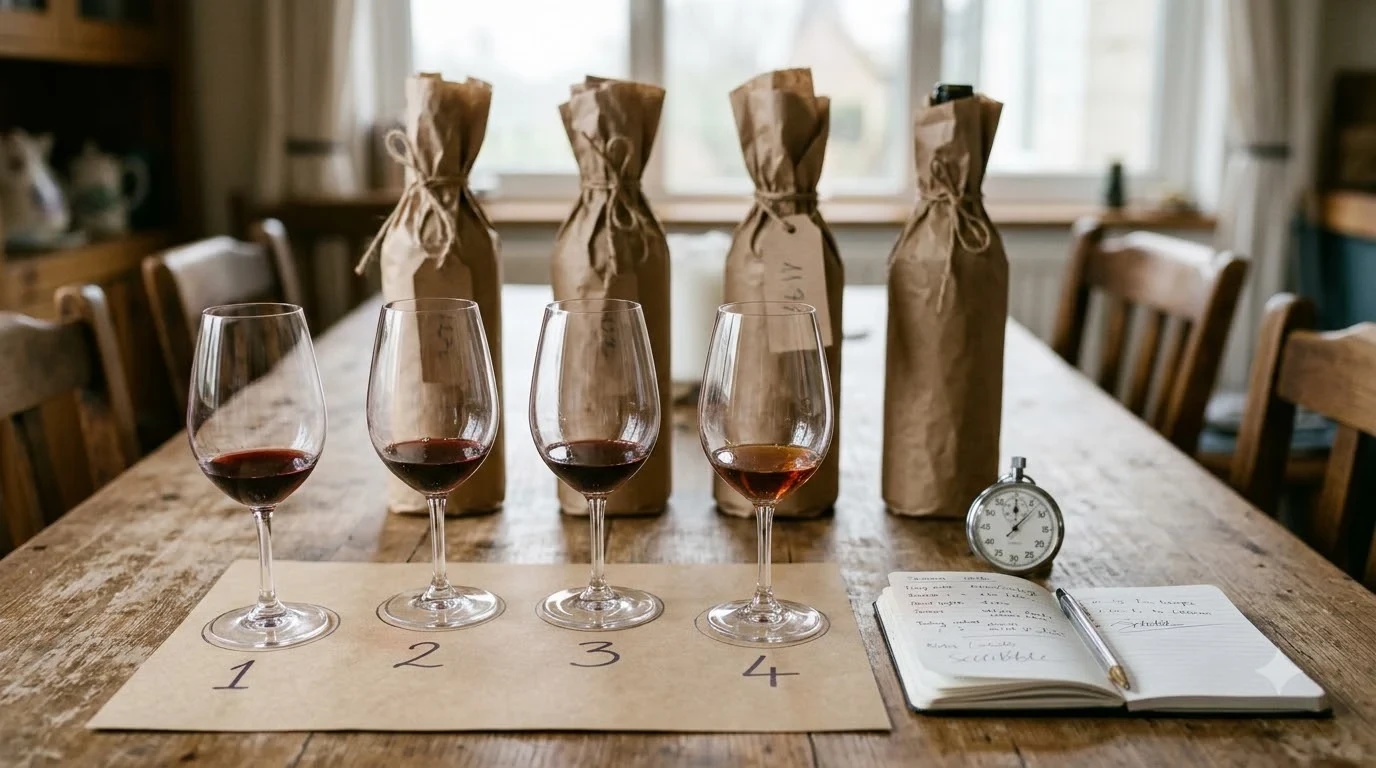
A wine flight presents multiple small-format pours simultaneously, usually arranged from left to right on a wooden paddle, tasting mat, or numbered placemat. The sequence follows a deliberate progression so heavier or sweeter wines do not overwhelm your taste buds before you sample lighter styles.
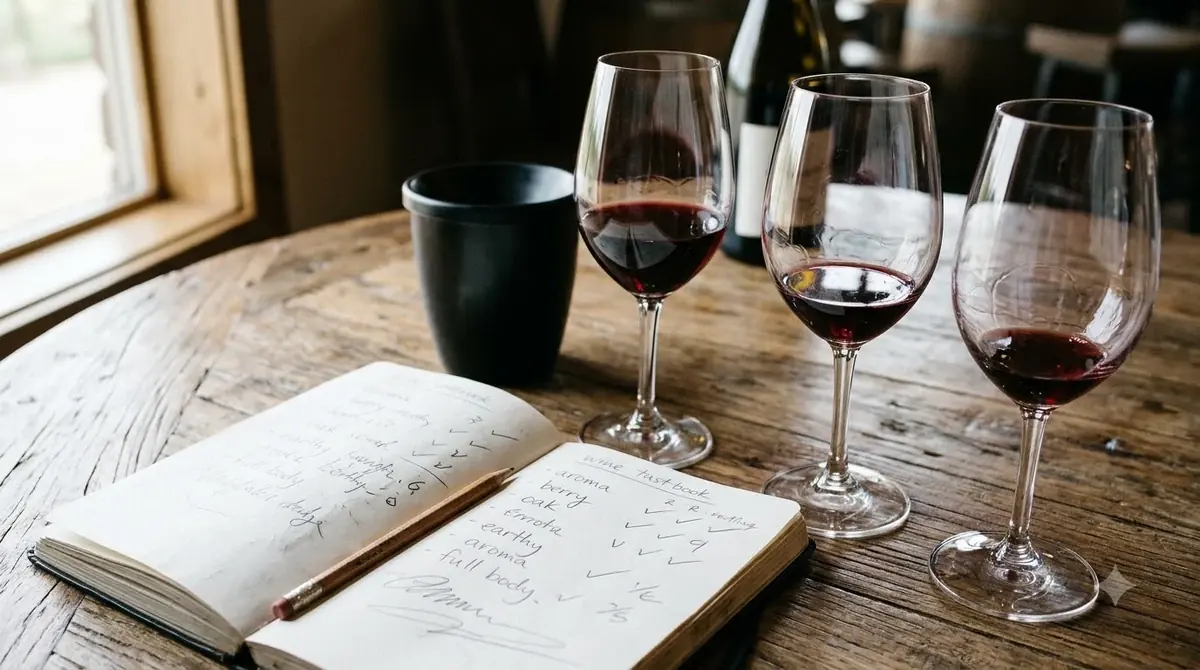
In American tasting rooms and wine bars, standard flight pours measure between two and three ounces per glass. According to industry guides like Wine Folly, three two-ounce pours equal six ounces total—just slightly above a traditional five-ounce restaurant pour. Four two-ounce pours bring the total volume to eight ounces, roughly a third of a standard 750-milliliter bottle. Because the individual portions remain modest, you can evaluate several distinct bottles in a single sitting without palate fatigue.
The physical presentation plays a practical role in comparative tasting. Venues often place glasses on paper mats printed with each wine’s name, producer, region, and vintage, or serve them in a slotted board that keeps the order intact. Keeping the glasses aligned matters because tasting out of sequence—such as sipping a bold, high-tannin Cabernet Sauvignon before a crisp Sauvignon Blanc—can make the lighter wine taste flat or overly sharp.
Most flights follow a classic sensory rule: light to heavy, dry to sweet, and young to old. Sparkling wines and crisp, unoaked whites sit at the start of the lineup to awaken the palate with bright acidity. Full-bodied whites, rosés, and light-bodied reds occupy the middle positions, while structured, full-bodied reds or sweet dessert wines finish the progression.
Common Types of Wine Flights
Sommeliers and tasting room managers design flights around specific educational or thematic connections rather than random bottles. Comparing wines that share one variable while differing in another makes it far easier to pinpoint what you enjoy.
| Flight Type | What Remains Constant | What Varies | Best For |
|---|---|---|---|
| Horizontal Flight | Vintage year and often region or grape | Producer, vineyard site, or winemaking style | Seeing how different winemakers interpret the same harvest |
| Vertical Flight | Producer and specific wine bottling | Harvest year (vintage) | Understanding how weather and bottle age change a wine |
| Varietal Flight | Single grape variety (e.g., Pinot Noir) | Growing region, climate, or country | Learning how terroir shapes a familiar grape |
| Regional Flight | Geographic appellation or valley | Grape varieties or sub-zones | Exploring the signature styles of a wine destination |
| Blind Flight | Curated theme set by the host | Identity of every bottle in the lineup | Testing your palate without label bias |
Horizontal and vertical flights are two of the most popular formats among enthusiasts. A horizontal flight lines up wines from the exact same harvest year—such as four Sonoma Coast Chardonnays from the same season—allowing you to isolate how different winemakers handle oak aging, fermentation, and vineyard selection. By contrast, a vertical flight features the same bottling from a single estate across multiple years, illustrating the direct impact of what is vintage in wine and how tannins soften over time.
Varietal and regional flights serve as accessible entry points when visiting a new restaurant or wine country destination. A varietal flight might pour Syrah from France’s Northern Rhône alongside Shiraz from Australia’s Barossa Valley and Syrah from Washington State, demonstrating how climate shifts fruit profile from savory and peppery to plush and jammy. Regional flights do the opposite, showcasing several different grapes grown within a single appellation.
Standard Pour Sizes and Volume Equivalents
Understanding how flight pours compare to standard bar servings helps you pace your tasting and estimate total alcohol intake. While pour sizes vary slightly between establishments, most US venues adhere to a narrow range of measurements.
A standard 750-milliliter bottle holds roughly 25.4 ounces of wine, which yields five standard five-ounce glasses. When a wine bar pours a three-glass flight at two ounces per glass, you receive six ounces of wine—almost identical to a single generous restaurant pour. If a winery offers a five-glass tasting flight at 1.5 ounces per pour, your total consumption comes out to 7.5 ounces, or about a glass and a half.
Knowing the total volume also clarifies nutritional tracking if you monitor calories or sugar intake. Because dry table wines contain minimal residual sugar while sweeter styles carry more, checking how many carbs in a glass of wine helps you gauge the combined impact of a multi-pour flight, especially when dessert or fortified wines appear at the end of the lineup.
Step-by-Step Guide to Tasting a Wine Flight
Approaching a flight methodically turns a casual drink into an informative tasting session. Taking a few moments with each glass before moving to the next lets you notice details that disappear when sipping quickly.
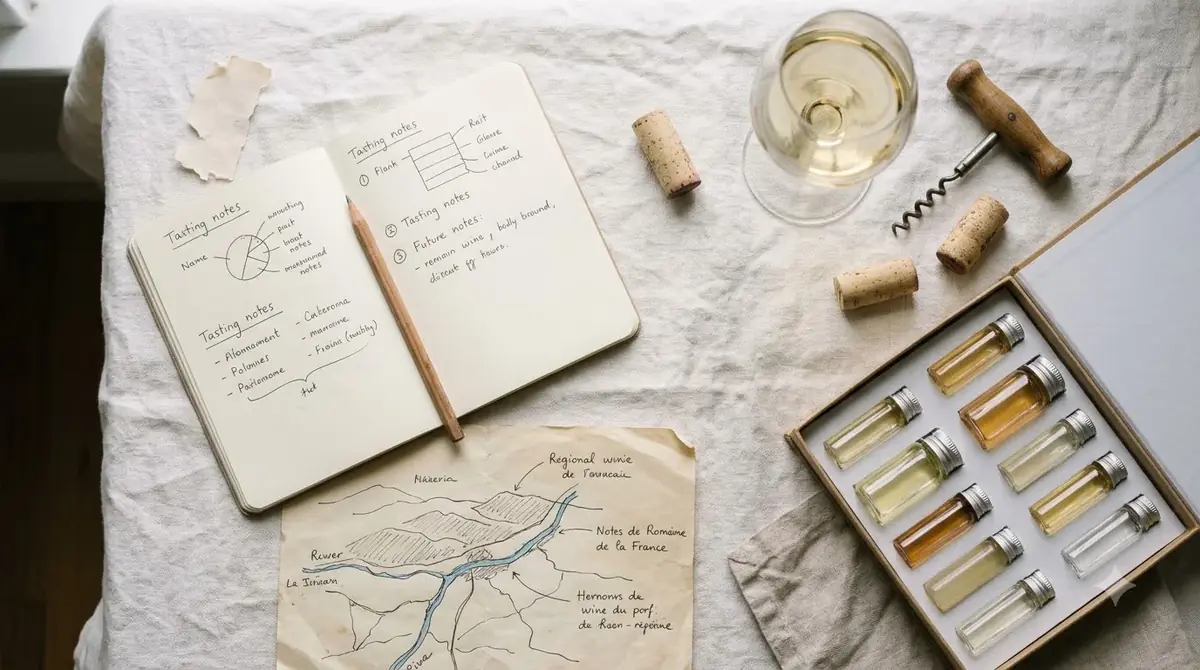
Begin by examining the color and clarity of all the glasses side by side against a white napkin or tabletop. Comparing visual cues across the entire row immediately reveals differences in age and extraction—for instance, an older red wine often shows brick or garnet hues near the rim, while a younger bottle appears deep purple or ruby. Swirl each glass gently to release volatile aroma compounds, then smell the wines in order from first to last before taking a sip.
When you begin tasting, take a small sip of the first wine, let it coat your palate, and note the levels of sweetness, acidity, tannin, and body. Before moving on to the second glass, take a sip of room-temperature water or a bite of plain bread or unsalted cracker to reset your taste buds. According to educators at VinePair, revisiting earlier glasses after finishing the sequence often reveals new nuances once your palate has calibrated to the full range of styles.
Tip: Save a small sip in each glass rather than finishing one completely before starting the next. Keeping wine in every glass allows you to circle back and directly compare your favorite two pours side by side.
How to Build a Wine Flight at Home
You do not need a sommelier or specialized barware to organize a memorable flight at your dining table. Gathering three or four bottles around a clear theme lets friends compare styles casually while sharing the cost of multiple open bottles.
Start by choosing a simple, focused comparison that highlights one clear contrast. You might pair an unoaked Chablis with an oak-aged California Chardonnay to taste the influence of barrel fermentation, or line up three sparkling wines—Prosecco, Cava, and Champagne—to compare production methods. Using matching wine glasses ensures that bowl shape and rim thickness do not skew how aromas reach your nose.
If you are hosting a blind tasting at home, wrap each bottle in aluminum foil or brown paper bags and label them with numbers. Pour two ounces into each glass so guests have enough wine to swirl, smell, and revisit their impressions. Once everyone shares their notes, reveal the labels and discuss which bottles stood out. If you end up with partial bottles left over afterward, resist combining them in the same glass—check our guide on can you mix red and white wine or seal the leftovers properly for the next evening.
Wine Flight Etiquette and Tasting Room Tips
Visiting a winery tasting room or wine bar for a flight comes with a few practical habits that make the experience smoother for both you and the staff. Tasting rooms are designed for learning, so servers expect questions about how the wines were made.
Avoid wearing strong perfume, cologne, or scented lotion before a flight, as heavy fragrances interfere with your ability—and your neighbors’ ability—to smell subtle fruit, floral, and earthy notes in the glass. When holding your glass, grip it by the stem or base rather than the bowl so body heat does not warm chilled white wines or smudge the glass where you evaluate color.
Do not feel pressured to finish every drop in every glass, especially if you plan to visit multiple wineries in a single afternoon. Tasting rooms provide dump buckets on the counter specifically so guests can pour out unfinished samples between wines. Using the dump bucket is standard practice among wine professionals and keeps your palate sharp for the rest of the lineup. For more foundational tasting advice and terminology, browse our Wine Q&A hub.
Frequently Asked Questions
How many wines are typically in a wine flight?
Most wine flights include three to five different wines served at the same time. Three-glass flights are common at restaurants and wine bars for quick comparisons, while winery tasting rooms frequently pour four or five selections to showcase their portfolio.
How much wine is in a flight compared to a regular glass?
A standard restaurant pour of wine is five ounces, whereas individual flight pours usually measure between two and three ounces. A flight of three two-ounce pours equals six ounces total, meaning an entire flight generally equals roughly one to one-and-a-half standard glasses of wine.
In what order should you drink a wine flight?
You should taste a wine flight from lightest to heaviest, driest to sweetest, and youngest to oldest, which almost always corresponds to moving from left to right on the tasting mat. Starting with crisp whites or sparkling wines prevents high tannins, heavy oak, or residual sugar from dulling your palate early on.
What is the difference between a horizontal and a vertical wine flight?
A horizontal flight compares wines from the exact same vintage year made by different producers or from different vineyard sites. A vertical flight features the same wine from a single producer across multiple different vintage years to show how harvest weather and aging affect flavor.
Whether you order a curated paddle at a local wine bar or set up a blind comparison with friends at home, a wine flight remains one of the most practical ways to sharpen your palate. Tasting wines side by side turns abstract tasting notes into immediate, memorable contrasts you can taste for yourself.
More in Wine Basics
 Which Rose Is Best for Your Taste, Budget, and Food PairingsUpdated Nov 21, 2026
 Is Cheap Wine Bad? How to Find Bottles Worth DrinkingUpdated Nov 21, 2026
 What To Write On A Wine Gift Tag: Thoughtful Messages For Every OccasionUpdated Nov 21, 2026
 Which Wine Is Best For Weight Loss? Compare Lower-Calorie ChoicesUpdated Nov 21, 2026
 What Is The Best Wine For Mimosas? Choose Bubbly That Balances Orange JuiceUpdated Nov 20, 2026
 Which Prosecco Is Best for Your Taste and OccasionUpdated Nov 20, 2026