

We may earn a commission when you buy through links on this page, at no extra cost to you. Learn more.
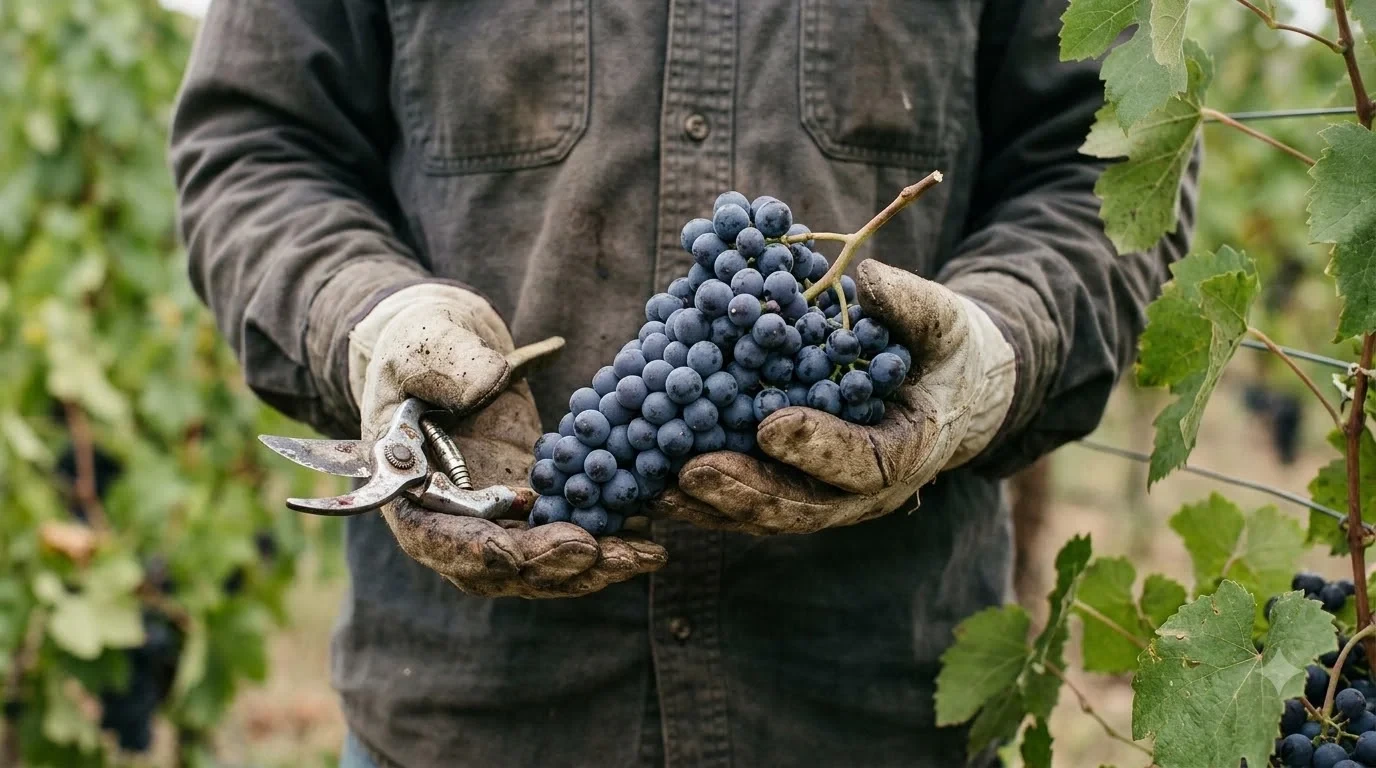
If you have ever wondered how many grapes in a bottle of wine it takes to fill a standard 750-milliliter container, the industry average is roughly 520 to 800 individual wine grapes. That amount equals about 5.5 to 10 grape clusters, or roughly 1.65 to 2.6 pounds of fresh fruit, depending on berry size and juice yield. Because wine grapes are much smaller and denser than supermarket table grapes, each standard five-ounce glass you pour represents anywhere from 100 to 160 grapes.
That 750-milliliter bottle sitting on your kitchen counter holds 25.4 ounces of liquid, yet the agricultural footprint behind those five pours is remarkably dense. Understanding how winemakers convert solid fruit into finished liquid reveals why certain bottles taste deeply concentrated, why boutique wines cost more than everyday pours, and how vineyard math scales from a single cluster to an entire acre of vines.
The Core Math Behind Every 750ml Bottle
Determining the exact grape count for a single bottle depends on berry weight, juice extraction efficiency, and the specific grape variety grown in the vineyard. While industry estimates span a broad range from 300 to more than 900 berries, most commercial bottlings settle squarely between 520 and 800 grapes.
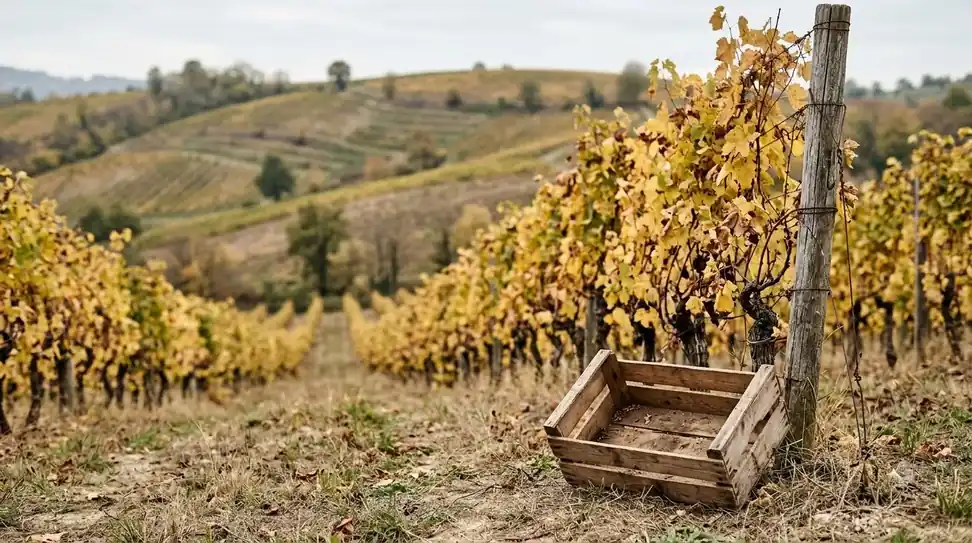
According to calculations compiled by Wine Folly, an average wine grape berry weighs approximately 1.75 grams, though individual berries can range from 1 gram to 3.5 grams depending on the cultivar and growing conditions. Because a grape is roughly 70 to 80 percent water plus dissolved sugars and acids, winemakers typically achieve an average juice yield of about 82 percent by weight. Working backward from the liquid weight of a standard 750-milliliter bottle requires around 1.65 pounds of crushed berries, which translates to an average of 520 berries across all wine styles.
Other wine educators frame the estimate slightly higher to account for smaller, thicker-skinned varieties and the inevitable volume losses that happen during fermentation, racking, and barrel aging. Reporting by VinePair notes that a standard bottle generally requires 600 to 800 individual grapes, or roughly 10 complete clusters. In practical terms, a single five-ounce pour of wine concentrates well over a hundred individual berries into your glass, which explains why sipping wine delivers far more intensity than eating a small handful of fresh fruit.
| Wine Unit or Measurement | Estimated Grape Count | Approximate Clusters | Approximate Fruit Weight |
|---|---|---|---|
| 1 Standard Glass (5 oz / 150 ml) | 104 – 160 grapes | 1.1 – 2 clusters | 0.33 – 0.53 lbs |
| 1 Half Bottle / Demi (375 ml) | 260 – 400 grapes | 2.75 – 5 clusters | 0.82 – 1.32 lbs |
| 1 Standard Bottle (750 ml) | 520 – 800 grapes | 5.5 – 10 clusters | 1.65 – 2.65 lbs |
| 1 Magnum Bottle (1.5 L) | 1,040 – 1,600 grapes | 11 – 20 clusters | 3.30 – 5.30 lbs |
| 1 Case (12 Standard Bottles) | 6,240 – 9,600 grapes | 66 – 120 clusters | 19.8 – 31.8 lbs |
| 1 Standard Barrel (300 Bottles) | 156,000 – 240,000 grapes | 1,650 – 3,000 clusters | 495 – 795 lbs |
Why Grape Variety Changes the Berry Count
Not all wine grapes are created equal, and the physical anatomy of a specific cultivar dictates how many berries must be harvested to fill a bottle. Varieties with tiny berries and thick skins require significantly more fruit per liter than plump, thin-skinned grapes.
Wine grapes belong primarily to the species Vitis vinifera, which evolved very differently from the crisp, seedless table grapes sold in grocery stores. Table grapes are bred for large size, thin skins, and high water content, whereas wine grapes are cultivated for concentrated sugars, vibrant acidity, and phenolic compounds stored in the skins and seeds. Because wine berries are small, the ratio of skin to pulp is much higher, giving red wines their deep color, grippy tannins, and layered aromatics.
Data from Wine Folly illustrates just how dramatically berry count shifts across common grape varieties. A standard bottle of Merlot averages roughly 550 grapes, while Chardonnay requires closer to 600 grapes due to its slightly smaller berries. By contrast, Spain’s aromatic white grape Albariño produces notably tiny, thick-skinned berries, requiring an average of 910 grapes to yield a single 750-milliliter bottle. Similarly, small-berried red cultivars like Cabernet Sauvignon frequently push toward the upper end of the 800-grape range.
Vineyard Yield, Weather, and Winemaking Press
Even within the exact same grape variety, the number of berries needed per bottle fluctuates from vintage to vintage based on weather patterns, soil fertility, and cellar decisions. Farming choices and pressing pressure directly govern how much juice comes out of every ton of harvested fruit.
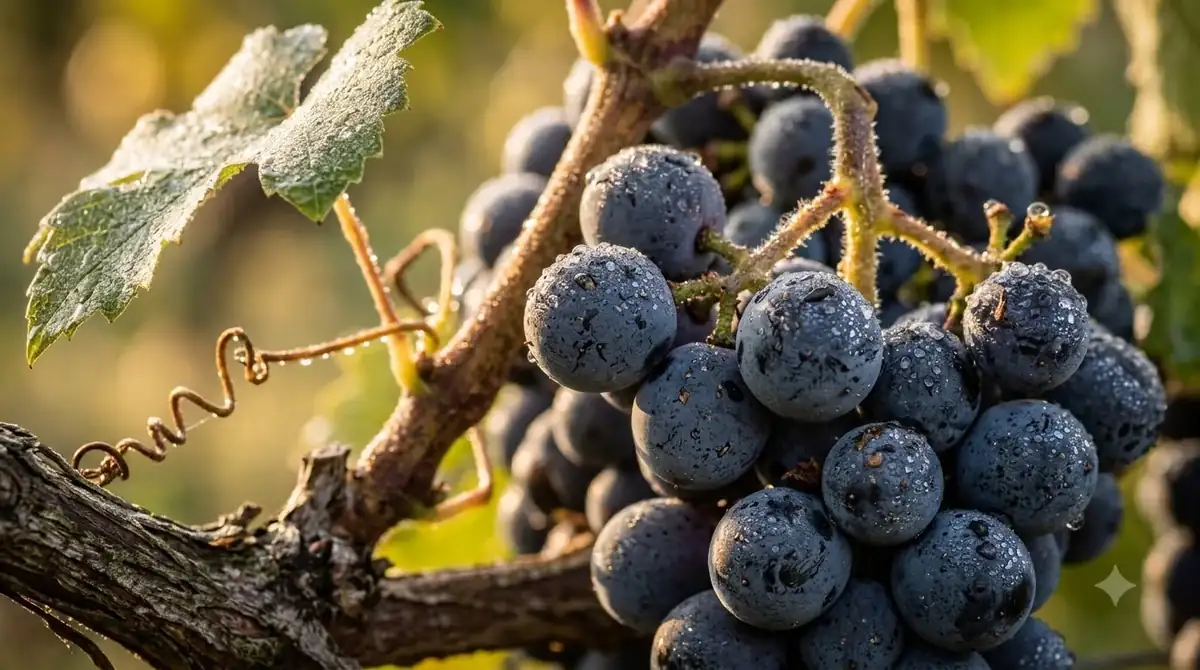
Rainfall right before harvest acts like a natural sponge in the vineyard. If late-season storms roll through before picking, grape berries absorb extra water and swell, increasing the juice yield per berry while slightly diluting flavor concentration. Conversely, a hot, dry growing season produces smaller, dehydrated berries with lower water content, forcing a winemaker to harvest far more individual grapes to achieve the exact same liquid volume.
Cellar handling plays an equally decisive role once the fruit reaches the winery. Gentle pressing—often used for premium sparkling wines and delicate whites—extracts only the purest free-run juice from the center of the berry, leaving behind more liquid in the skins and requiring a higher grape count per bottle. Heavier pressing squeezes out more juice per ton, reducing the total grape count needed, though pressing too hard can extract bitter compounds from the seeds and stems. Additionally, wines aged in oak barrels lose a small percentage of volume to natural evaporation over time, meaning the winery starts with slightly more grape juice than ends up in the final glass bottles.
Tip: When you open a bottle representing hundreds of harvested grapes and do not finish it in one sitting, learning how to reseal a wine bottle properly protects those concentrated aromas from rapid oxidation.
Scaling Up: From One Vine to an Entire Acre
Looking beyond a single bottle shows how grape counts scale across an entire vineyard block, explaining why rare wines carry steep price tags. Vineyard productivity is measured in bottles per vine, bottles per acre, and bottles per ton of fruit.
In a typical commercial vineyard, a single healthy grapevine produces roughly 30 to 50 clusters of grapes per growing season, which translates to anywhere from three to five bottles of wine per plant. At a broader agricultural scale, one ton of harvested wine grapes yields approximately 700 standard bottles of finished wine, or slightly more than two standard oak barrels. Across an entire acre of planted vines, total production generally lands between 700 and 3,600 bottles depending on vine spacing, climate, and pruning practices.
High-end winemakers deliberately restrict how much fruit each vine grows through green harvesting, a practice of snipping off excess grape clusters during summer so the vine channels all its energy into the remaining berries. While a high-volume vineyard in a fertile, irrigated valley might produce dozens of bottles per vine, an ultra-low-yield estate like Château d’Yquem in Bordeaux produces so few grapes per plant that an entire vine yields roughly a single glass of wine. Fewer grapes per vine mean vastly higher labor and land costs spread across far fewer bottles.
What Grape Concentration Means in Your Glass
Knowing how many grapes go into your bottle offers practical insight into wine structure, serving sizes, and what actually remains in the liquid after fermentation. Once yeast converts grape sugar into alcohol, the nutritional and sensory profile of those hundreds of berries transforms completely.
During fermentation, yeast consumes the natural glucose and fructose present in the crushed grape juice, converting them into ethanol and carbon dioxide. If you ate 600 fresh wine grapes straight off the vine, you would consume a substantial amount of natural fruit sugar and fiber. In a dry finished wine, however, almost all of that sugar is gone; if you are tracking nutrition, checking how many carbs in a glass of wine remain will show that a dry five-ounce pour contains only a few grams of carbohydrates, while a sweet late-harvest wine retains much more unfermented grape sugar. Those differences become especially clear when comparing crisp, dry styles against sweeter pours, which is why looking closely at how many carbs in white wine exist across different styles helps clarify how residual sugar works.
Alcohol by volume also changes how many servings you get from those 520 to 800 grapes. While a standard 750-milliliter table wine at 12 to 14 percent ABV provides five standard five-ounce pours, a fortified wine like Port—which is higher in alcohol and traditionally served in smaller pours—stretches a single bottle to around 10 servings. For more foundational breakdowns on bottle sizes, serving temperatures, and cellar terminology, explore our Wine Q&A hub.
Frequently Asked Questions
How many grapes are in a single glass of wine?
A standard five-ounce glass of wine contains the juice of roughly 104 to 160 individual wine grapes. Because a 750-milliliter bottle holds five standard pours and requires 520 to 800 grapes, each glass captures about one to two full grape clusters.
Could you make a bottle of wine using grocery store table grapes?
Technically, any grape juice can ferment into wine, but grocery store table grapes are poorly suited for winemaking. Table grapes are bred to be large and watery with thin skins and low acidity, resulting in thin, flat-tasting wine compared to small, concentrated Vitis vinifera wine grapes.
Does red wine take more grapes per bottle than white wine?
Red wine often requires slightly more grapes per bottle than white wine, though grape variety matters most. Many red varieties like Cabernet Sauvignon have smaller berries than white varieties like Chardonnay, and red winemaking involves soaking skins and seeds during fermentation, which absorbs a small amount of liquid.
How many pounds of grapes does it take to make one bottle of wine?
It takes approximately 1.65 to 2.65 pounds of fresh wine grapes to produce a single 750-milliliter bottle of wine. The exact weight depends on how gently the winemaker presses the fruit and whether any juice volume is lost during barrel aging and filtration.
The next time you uncork a 750-milliliter bottle, it helps to picture the roughly 600 to 800 small, sun-ripened berries compressed into that glass cylinder. Understanding the vineyard math behind every pour connects what happens on the vine directly to the aroma, texture, and concentration you experience at the table.
More in Wine Basics
 Which Rose Is Best for Your Taste, Budget, and Food PairingsUpdated Nov 21, 2026
 Is Cheap Wine Bad? How to Find Bottles Worth DrinkingUpdated Nov 21, 2026
 What To Write On A Wine Gift Tag: Thoughtful Messages For Every OccasionUpdated Nov 21, 2026
 Which Wine Is Best For Weight Loss? Compare Lower-Calorie ChoicesUpdated Nov 21, 2026
 What Is The Best Wine For Mimosas? Choose Bubbly That Balances Orange JuiceUpdated Nov 20, 2026
 Which Prosecco Is Best for Your Taste and OccasionUpdated Nov 20, 2026