

We may earn a commission when you buy through links on this page, at no extra cost to you. Learn more.
A Montepulciano wine tasting centers on two Sangiovese-based reds from the Tuscan hill town of Montepulciano, Vino Nobile di Montepulciano and Rosso di Montepulciano, and the easiest way to plan one is to book historic cellars in town or estate wineries in the countryside. Vino Nobile is the structured, age-worthy flagship, while Rosso is the younger, fresher red you can drink with almost any meal. Tasting both side by side shows how the same grape changes with aging rules and winemaking choices.
This guide explains what you will taste in Montepulciano, how the local wine rules shape each bottle, and how to book visits without guessing. It also compares the experience with the tasting rooms many Americans know in Monterey, the Finger Lakes and Grapevine, so you can set expectations before you travel.
What Makes Montepulciano Wine Special
Montepulciano wine comes from vineyards around the hilltop town in the province of Siena. The local identity rests on Sangiovese, the same grape behind Chianti and Brunello, grown here in a specific local style. Knowing that starting point helps you understand why the wines taste the way they do.
The production area sits on hillsides that rise roughly 250 to 600 meters above sea level. According to Tenuta Golo’s regional guide, the vineyards look out over the Val di Chiana on one side and the Val d’Orcia on the other. Altitude and slope give growers a range of exposures, which is one reason two producers can make quite different bottles from similar grapes.
The most common mix-up is with Montepulciano d’Abruzzo. That wine is made from the Montepulciano grape in the Adriatic region of Abruzzo. The Tuscan wines are named after the town, not the grape, and they contain no Montepulciano grapes at all. If a label or menu does not mention Tuscany or Siena, check where the wine was made before you assume it is the Tuscan style.
Vino Nobile and Rosso di Montepulciano Explained
Vino Nobile and Rosso share the same grape rules, but they sit at different levels of the classification system. Vino Nobile is the denomination’s top tier and must age longer, while Rosso is the younger wine meant for everyday meals. The table below compares the main rules as summarized in a local wine guide.
| Feature | Vino Nobile di Montepulciano | Rosso di Montepulciano |
|---|---|---|
| Classification | DOCG, Italy’s highest wine category | DOC |
| Main grape | Minimum 70% Sangiovese, known locally as Prugnolo Gentile | Minimum 70% Sangiovese, known locally as Prugnolo Gentile |
| Minimum aging | At least 2 years | No minimum beyond the March 1 release date |
| Wood aging | At least 12 months in wood | Not required |
| Minimum alcohol | 12.5% | 11.5% |
| Typical style | Structured, savory, built to age | Fresh, fruity, easy-drinking |
Vino Nobile received DOC status in 1966 and DOCG status in 1980, according to Wine Insiders’ Vino Nobile overview. The same source notes that the wine is made primarily from Sangiovese, with Canaiolo and other local varieties filling the remainder. That legal framework is why a Nobile from one estate usually tastes like a Nobile from another, while still showing its own character.
Riserva is the step up within Vino Nobile. It must age at least three years, including time in bottle, and reach a minimum of 13% alcohol. Expect more depth and softer tannins. The newest category is Pieve. The first Pieve bottles from the 2021 vintage reached the market in 2025, and they come from one of twelve historic subzones. Pieve wines need at least 85% Sangiovese and cannot also be labeled Riserva.
Rosso di Montepulciano is the wine you will see most on local shelves and restaurant lists. It is fresher and less complex, with red berry and cherry flavors and softer tannins. Many producers use younger vineyards or lighter batches for it, so it often offers the easiest entry point for a first tasting.
Where to Taste and How to Book Your Visit
You can taste in two main settings: historic cellars inside the town and estate wineries in the surrounding countryside. Town cellars are the simplest choice for a short visit on foot. Estates take more planning but show you the vineyards and the producer’s own style in one place.
The historic center has underground cellars carved beneath old palaces, and a local guide counts eight historic cellars inside the town walls. Many offer tours and tastings that let you compare Vino Nobile and Rosso side by side. Estate wineries lie outside town. Avignonesi is a biodynamic winery on the Cortona side of the denomination, and the family-run Valdipiatta sits about 4 km northeast of town.
Booking ahead keeps your day realistic. Follow these steps when you plan:
- Choose two or three wineries that match your interest, such as a town cellar for history and one estate for vineyard views.
- Check each winery’s website for tasting hours, languages offered and whether a reservation is required.
- Book the time slots early in the day, since drivers and walkers can plan the rest of the day around them.
- Ask for a tasting that includes both Vino Nobile and Rosso so you can taste the difference directly.
- Arrange a driver or a taxi for the return trip, and plan to spit or pace your pours if you are driving.
Some visitors enjoy pairing a tasting with a meal. Many restaurants in town build their lists around Vino Nobile and Rosso, and many pour both by the glass. Plan to confirm the menu and reservation policy before you go.
What to Expect During a Tasting Session
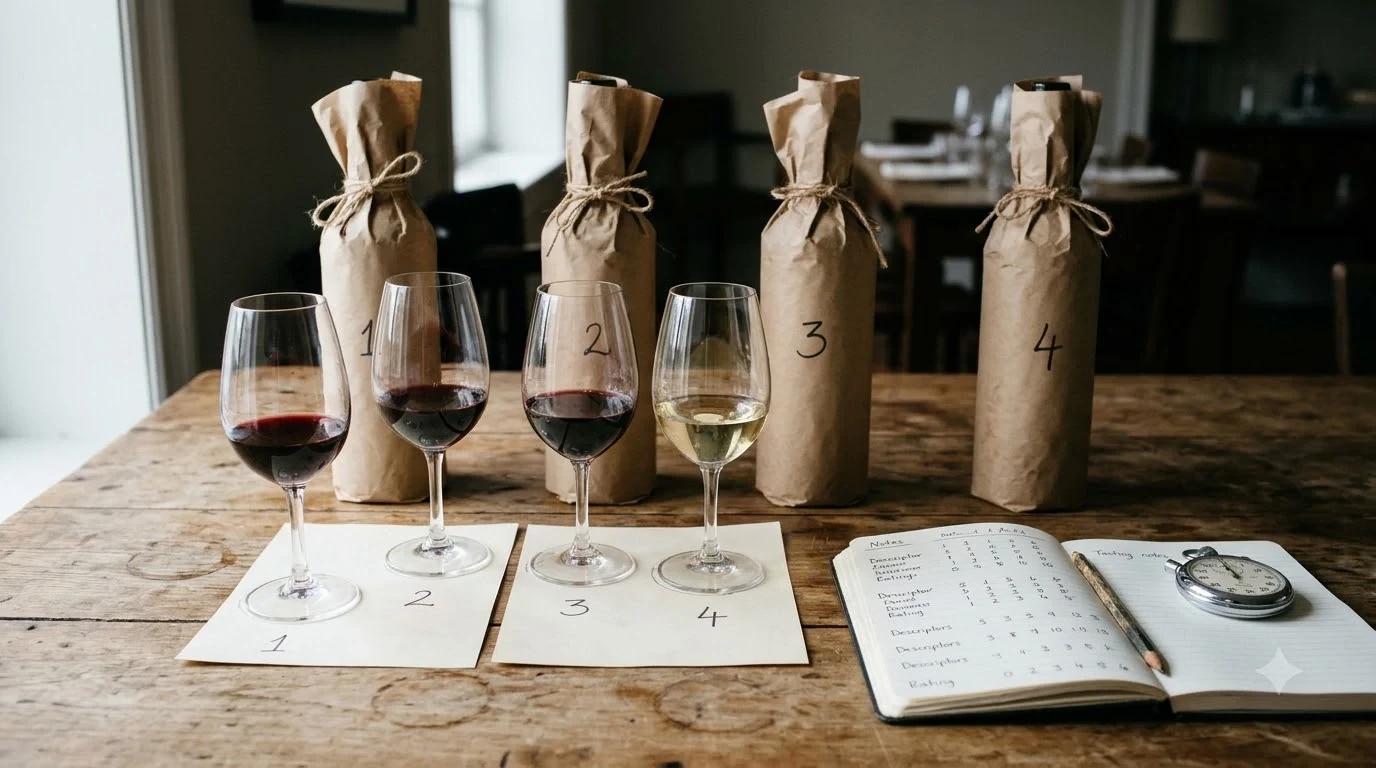
A typical session is seated, guided and paced. You will usually taste several wines in order, starting with the lightest and moving toward the most structured. Staff often explain the grape blend, the aging method and the vintage for each bottle.
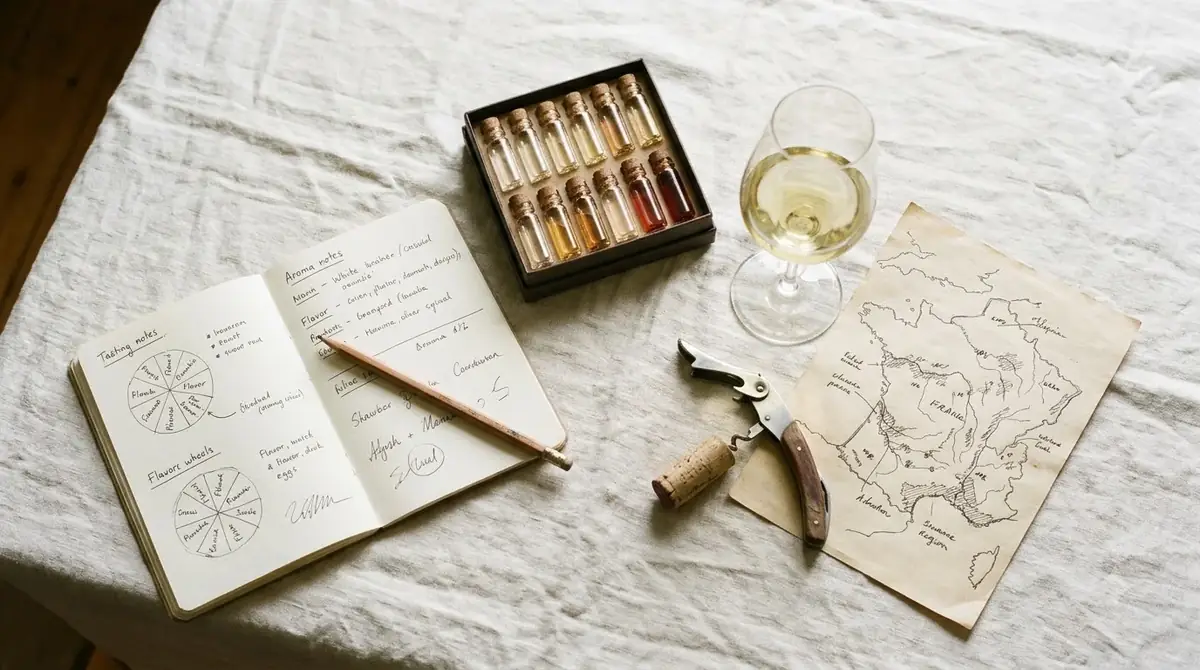
Ask questions about how each wine was aged. Producers may use large Slavonian oak botti, small French barriques, steel or concrete, and each choice changes the taste. Younger bottles tend to show brighter fruit and firmer acidity, while older bottles can show leather, tobacco and dried herbs.
Serving temperature and time in the glass matter. According to Tenuta Golo’s Vino Nobile guide, the wine is best served at 16 to 18 degrees Celsius, and younger bottles benefit from decanting for at least an hour. Your tasting room may serve the wine at a slightly different temperature, so you can ask staff to adjust it.
- Expect small pours, often enough for several wines in one visit.
- Ask whether a spittoon is available if you plan to drive later.
- Take notes on cherry, plum, earth and spice so you can compare bottles later.
Tip: Pace your tasting with water and food, and plan your transport before you arrive. Drinking responsibly keeps the day enjoyable from the first cellar to the last.
Food Pairings and Buying Wine to Take Home
Montepulciano wines were made for the food of southern Tuscany. Rosso suits lighter, everyday dishes, while Vino Nobile works with richer meats and aged cheese. Pairing the two with local food is one of the simplest ways to understand the region.
A local wine writer suggests Rosso with pici pasta in a ragù or aglione sauce, fresh pecorino and cured meats. Vino Nobile fits grilled beef, game and aged pecorino. Vin Santo, the amber dessert wine of the area, is traditionally poured with cantuccini. Pairing ideas are a starting point, so try a few combinations at the table.
When you buy bottles to take home, read the label carefully. Look for the Vino Nobile DOCG designation and a government seal on the neck of the bottle. Check whether the label says Riserva or Pieve, and note the vintage. For Rosso, younger bottles are usually the better choice. Shipping rules differ by state, so check your state’s alcohol shipping policy and the carrier’s requirements before you buy.
Comparing Montepulciano to US Tasting Regions
Montepulciano feels different from many American tasting rooms because the wines carry centuries of local rules and the producers often focus on one grape. In the United States, most tasting regions highlight several varieties and a broader range of styles. Comparing the two helps you know what to expect.
Monterey, on California’s central coast, is known for a range of cool-climate varieties and a wide mix of tasting rooms, from casual counters to guided seated tastings. If you enjoy that style, you may appreciate the variety of Italian sites in a different way. Visiting the monterey wine tasting guide can help you compare how American rooms handle flights and pacing.
The Finger Lakes in New York is known for cool-climate whites and sparkling wines, along with a few reds. Its tasting rooms often sit beside lakes and vineyards, and visitors frequently taste many styles in one afternoon. Montepulciano is more focused, with a narrower range of Sangiovese-based styles, so a visit there tends to be deeper rather than broader. You can read about the finger lakes wine tasting experience for a comparison.
Grapevine, near the Dallas-Fort Worth area in Texas, offers a more relaxed, town-centered tasting scene. It suits a short, convenient stop. Montepulciano’s historic cellars offer a similar walkable setting, but the history and classification rules add more depth. Browse the grapevine wine tasting guide to see how that compares with Italian cellar visits.
The table below sums up the main contrasts in general terms.
| Aspect | Montepulciano | Typical US tasting region |
|---|---|---|
| Focus | Sangiovese-based reds under strict rules | Several grape styles and blends |
| Setting | Historic cellars and hillside estates | Tasting rooms, farms and town storefronts |
| Booking | Often advisable, especially for estates | Varies, from walk-in to reservation |
| Learning curve | Labels need some explanation | Usually easier to read at a glance |
Frequently Asked Questions
Is Vino Nobile di Montepulciano sweet or dry?
Vino Nobile is a dry red wine. Its cherry and plum fruit can read as ripe, but the wine has firm tannins and lively acidity. Most tasting notes describe it as savory and structured rather than sweet.
What is the difference between Vino Nobile and Rosso di Montepulciano?
Vino Nobile is the DOCG flagship, aged at least two years with at least 12 months in wood. Rosso is the younger DOC wine with no wood requirement and a lighter, fresher style. Both must be at least 70% Sangiovese.
Do I need a reservation for a Montepulciano wine tasting?
Reservations are wise, especially for estate wineries outside town and for seated tastings. Check each winery’s website for hours and booking rules, since policies vary. Walk-in visits to some town cellars may be possible but are not guaranteed.
Is Montepulciano the same as Montepulciano d’Abruzzo?
No. Montepulciano d’Abruzzo is made from the Montepulciano grape in the Abruzzo region on the Adriatic coast. The Tuscan wines are named after the town and are made mainly from Sangiovese, so check the label for the region.
A Montepulciano wine tasting rewards a little preparation. Taste Rosso and Vino Nobile side by side, book the cellars you care about, and ask staff about aging and vintage. For more background on regional styles, visit the Wine Regions section of this site.
More in Wine Regions
 Willcox Wine Trail: Discover Arizona’s High-Elevation Wine CountryUpdated Nov 20, 2026
 Yakima Valley Wine Region: Find the Best Styles to TryUpdated Nov 20, 2026
 Vosne Romanee Wine Tasting: Identify Aromas and Choose Better PairingsUpdated Nov 20, 2026
 Yakima Valley Wine Festival: Find the Best Seasonal Wine EventsUpdated Nov 20, 2026
 Wales Vineyards: Discover Cool-Climate Wines and Where to VisitUpdated Nov 20, 2026
 Yountville Wine Festival: Discover Napa Wines and Local FoodUpdated Nov 20, 2026