

We may earn a commission when you buy through links on this page, at no extra cost to you. Learn more.
The best champagne food pairing relies on high acidity, fine carbonation, and zero tannin to cut through salty, fried, creamy, and umami-rich dishes while cleansing the palate between bites. Non-vintage Brut works across an entire meal from raw oysters and potato chips to roast chicken, whereas fuller Blanc de Noirs and aged Vintage cuvées handle richer meats, truffles, and hard cheeses. Matching the wine’s sweetness level and body to the intensity of the dish keeps both flavors balanced.
Most people save sparkling wine for a celebratory toast and put the bottle away before the first course arrives. Leaving it on the table is one of the smartest moves you can make at dinner, because very few wines share its structural flexibility across an entire menu.
What Makes Champagne So Versatile With Food
Champagne pairs effortlessly with a massive range of ingredients because it combines brisk natural acidity, lively effervescence, and virtually no astringent tannins.
Where heavy red wines rely on tannins to bind with proteins and fats, sparkling wine uses tiny, persistent bubbles and sharp acidity to scrub the palate clean. According to Wine Folly’s champagne pairing guide, this palate-cleansing mechanism works much like a crisp beer or soda, making bubbly an ideal foil for salty snacks, rich cream sauces, and deep-fried foods that would overwhelm quieter white wines. At roughly 12 percent ABV, traditional French sparkling wine also avoids the heavy alcoholic warmth that can clash with delicate shellfish or spicy seasonings.
Beyond its refreshing texture, extended aging on spent yeast cells—known as autolysis—builds savory notes of brioche, toasted almonds, and baked pastry. Those bready aromatics mirror roasted poultry skin, browned butter, mushrooms, and aged cheeses, giving the wine both refreshing lift and savory depth. Understanding these foundational structural mechanics is the cornerstone of successful Wine Pairing across every course of a meal.
Champagne Styles and Sweetness Levels
Choosing the right bottle starts with understanding how grape blend, bottle age, and residual sugar shape the weight and flavor of the wine.
Champagne is primarily crafted from three grapes: Chardonnay, Pinot Noir, and Pinot Meunier. A Blanc de Blancs is made entirely from white grapes—almost always Chardonnay—producing a bright, citrus-driven, mineral style that excels with raw oysters, sashimi, and tangy goat cheese. Conversely, a Blanc de Noirs uses only dark-skinned Pinot Noir and Pinot Meunier, yielding broader shoulders, red-apple and berry undertones, and enough structure to stand beside roast duck, pork tenderloin, or herb-crusted lamb. Rosé Champagne adds subtle red-fruit flavors and light phenolic grip, bridging the gap between seafood starters and poultry or charcuterie.
Age and dosage—the small amount of sugar added before corking—are equally important on the label. Non-vintage Brut (up to 12 grams per liter of residual sugar) is the all-purpose workhorse of the dining table, while Brut Nature (0 to 3 grams per liter) and Extra Brut (0 to 6 grams per liter) deliver razor-sharp precision for pristine raw seafood. Vintage bottles aged for years on their lees trade primary fruit for nutty, truffle-like complexity, while Extra Dry (12 to 17 grams per liter) and Demi-Sec (32 to 50 grams per liter) bring the subtle sweetness needed to tame spicy heat or complement lightly sweet fruit desserts.
| Champagne Style | Flavor and Body Profile | Best Food Pairings | Dishes to Avoid |
|---|---|---|---|
| Non-Vintage Brut | Crisp apple, lemon zest, light brioche, medium body | Roast chicken, french fries, soft Brie, gougères | Sugary cakes, bitter dark chocolate |
| Blanc de Blancs | Zesty citrus, chalky minerality, light and linear | Raw oysters, scallop crudo, sushi, fresh chèvre | Heavy red meats, smoky barbecue |
| Blanc de Noirs | Baked pear, red berries, fuller body and vinosity | Pork chops, duck breast, mushroom risotto, lamb | Ultra-delicate white fish, raw greens |
| Brut Rosé | Wild strawberry, raspberry, subtle savory grip | Salmon, prosciutto, mild Thai curry, tuna tartare | Thick cream stews, pungent blue cheese |
| Vintage Cuvée | Toasted hazelnut, truffle, honeyed brioche, rich texture | Caviar, seared scallops, aged Comté, truffle pasta | Simple raw crudités, acidic vinaigrettes |
| Demi-Sec | Ripe orchard fruit, candied citrus, noticeable sweetness | Fruit tarts, foie gras, spicy Sichuan dishes, blue cheese | Salty oysters, dry grilled fish |
Classic and Unexpected Champagne Food Pairings
From luxury caviar service to a basket of hot french fries, the best pairings rely on contrasting textures and complementary savory notes.
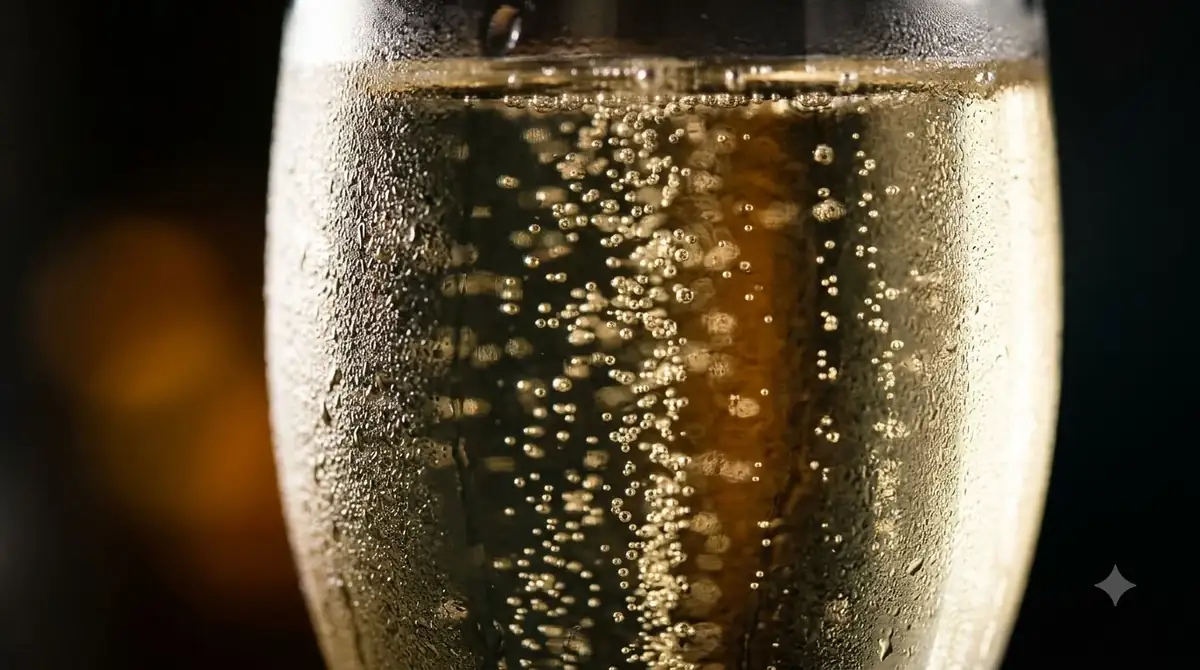
Seafood and caviar remain the benchmark luxury matches for good reason. As Decanter’s champagne pairing experts point out, effervescence transforms the dense, briny oiliness of caviar into an airy, creamy sensation while brisk acidity neutralizes any lingering fishiness. Raw oysters, butter-poached lobster, and pan-seared scallops all thrive alongside Chardonnay-led bottles, while richer salmon and tuna dishes call for the berry-laced weight of Rosé.
Everyday comfort foods often deliver the biggest surprises at the table. Salty potato chips, crispy fried chicken, and tempura vegetables create an electric contrast with dry Brut styles: salt sharpens the wine’s citrus fruit, while carbonation slices cleanly through cooking oil. Creamy dishes—including fettuccine Alfredo, triple-cream Brie, and softly scrambled eggs with smoked salmon—also benefit from the scrubbing effect of fine bubbles. Even high-acid salads dressed in vinaigrette, which normally make still wines taste flat, hold their own against Champagne’s brisk natural tartness.
When moving into heartier main courses, treat aged or Pinot-dominant bottles much like a light red wine. A structured Blanc de Noirs or mature Vintage cuvée carries enough depth for herb-roasted turkey, crispy-skinned duck, and earthy wild mushroom dishes. If you are planning a steakhouse dinner with heavily marbled ribeye or pepper-crusted beef, however, a tannic red remains a better fit—see our guide to merlot food pairing for red-meat alternatives that handle rich beef fats without getting overwhelmed.
Serving Temperature and Glassware Tips
Serving Champagne at the proper temperature and in the right glass preserves its aromatic complexity and keeps the bubbles fine rather than aggressive.
Pulling a bottle straight from an ice-cold refrigerator below 40°F numbs your palate and locks away the nuanced aromas of toasted brioche, orchard fruit, and wet stone. Conversely, pouring it above 54°F causes carbon dioxide to escape too rapidly, creating coarse, foamy bubbles and an overly alcoholic finish. Aim for 46°F to 50°F for non-vintage Brut, Blanc de Blancs, and Rosé, and let Vintage cuvées or fuller Blanc de Noirs warm slightly to 50°F to 54°F so their layered, nutty aromatics can open up in the glass.
Skip narrow, straight-sided flutes when serving sparkling wine with a meal. While flutes showcase rising streams of bubbles, their tight rims trap aromas and force the wine onto the tip of your tongue. A tulip-shaped sparkling glass or a standard white wine glass gives the wine room to breathe, letting you smell the pastry and citrus notes just as clearly as you would with a fine still white.
Tip: Chill a room-temperature bottle in a bucket filled with equal parts ice and cold water for 20 to 25 minutes rather than putting it in the freezer, which can chill the wine unevenly or risk freezing the neck.
Pairings That Clash With Sparkling Wine
Even the most adaptable sparkling wine struggles when confronted with extreme sweetness, aggressive chili heat, or bitter dark chocolate.
The cardinal rule of dessert pairing is that the wine must always be at least as sweet as the food on the plate. Pouring a bone-dry Brut alongside birthday cake, sweet buttercream, or dark chocolate strips the fruit from the wine and leaves behind a sour, metallic bite. Reserve rich desserts for Demi-Sec bottles, or stick to lightly sweetened, fruit-forward tarts paired with a fruity Rosé. Similarly, intense chili heat amplifies perceived acidity and alcohol, making dry styles taste sharp and astringent; when serving spicy Asian or Latin dishes, step up to an off-dry Extra Dry cuvée or explore aromatic whites covered in our gewurztraminer food pairing guide.
Heavily charred red meats and ultra-pungent blue cheeses also require caution. A delicate Blanc de Blancs will vanish beneath the smoke and char of a grilled ribeye, while roaring Roquefort can overpower dry sparkling styles unless balanced by the honeyed weight of a Demi-Sec. For zesty, herb-heavy dishes with raw garlic or pungent green chilies where sparkling wine might feel fragile, a crisp still white from our sauvignon blanc food pairing guide often provides a cleaner herbal bridge.
Frequently Asked Questions
Can you serve the same bottle of Champagne through an entire dinner?
Yes, a quality non-vintage Brut is one of the few wines capable of carrying a meal from appetizers to the main course. Its balanced acidity, light toasty notes, and moderate alcohol complement salty starters, seafood, roast poultry, and mild cheeses without tiring your palate. Only heavily spiced dishes and sweet desserts require switching to a different style.
Why does Champagne taste so good with fried chicken and french fries?
Fried foods combine salt, crunch, and rich oil, all of which play directly into Champagne’s strengths. Salt enhances the wine’s subtle orchard-fruit notes, while sharp acidity and lively carbonation scrub cooking oil off your palate so every bite tastes just as crisp as the first.
Which Champagne is best for spicy Thai or Indian food?
Choose a slightly sweeter style such as Extra Dry or Demi-Sec, or opt for a fruit-forward Brut Rosé. High acidity and bone-dry finishes intensify the burn of capsaicin, whereas a touch of residual sugar cools chili heat and complements aromatic spices like ginger, lemongrass, and coriander.
Should you decant Champagne before serving it with food?
Decanting is generally unnecessary for non-vintage Brut and young Blanc de Blancs because it accelerates the loss of carbonation. However, serving Champagne in a wide-bowled white wine glass achieves a similar aromatic lift gently, allowing complex vintage or Pinot-dominant bottles to open up while keeping their fine mousse intact.
Treating Champagne as a true table wine opens up an effortless way to match diverse dishes without juggling half a dozen bottles. Pay attention to the balance of salt, richness, and sweetness on your plate, chill the bottle to cellar-cool perfection, and let the bubbles do the work across every course.
More in Food & Wine Pairing
 Risotto With White Wine Recipe: Make a Creamy Dinner at HomeUpdated Nov 20, 2026
 Wassail With Wine Recipe for a Festive Spiced Holiday DrinkUpdated Nov 20, 2026
 Spritz Veneziano Recipe: Make a Classic Venetian Aperitivo at HomeUpdated Nov 20, 2026
 Summer Wine Punch Recipe for Easy Homemade EntertainingUpdated Nov 20, 2026
 Bishop Recipe: How to Make a Bright, Citrus-Forward Red Wine CocktailUpdated Nov 20, 2026
 Wine Cupcakes Recipe: Bake Rich Chocolate Cupcakes at HomeUpdated Nov 20, 2026