

We may earn a commission when you buy through links on this page, at no extra cost to you. Learn more.
The best sauvignon blanc food pairing matches this crisp, high-acid white wine with fresh green herbs, tangy goat cheese, delicate white fish, shellfish, and tart vinaigrettes. Because the grape naturally produces aromatic compounds called pyrazines alongside mouthwatering acidity, it cuts right through creamy sauces while echoing bright, vegetal ingredients on the plate. Classic regional combinations like Loire Valley Sancerre and Crottin de Chavignol goat cheese prove how smoothly the wine acts like a fresh squeeze of lemon over food.
Few white wines earn a permanent spot on restaurant menus quite like Sauvignon Blanc. Whether poured alongside a simple weeknight salad or a platter of briny oysters, its lively citrus backbone and herbal snap keep the palate refreshed from the first bite to the last.
What Sauvignon Blanc Is
Sauvignon Blanc is a green-skinned wine grape originally from western France that produces dry, light- to medium-bodied white wines known for brisk acidity and unmistakable herbal aromatics. Unlike fuller, oak-heavy whites, most examples are fermented in stainless steel to preserve razor-sharp freshness and clean fruit character.
The secret behind the grape’s signature aroma lies in organic compounds called methoxypyrazines, often shortened to pyrazines. These naturally occurring molecules create distinct notes of freshly cut grass, green bell pepper, gooseberry, and jalapeño. Winemakers manage canopy shade and harvest timing in the vineyard to dial those green notes up or down, depending on the style they want in the bottle.
While the vast majority of Sauvignon Blanc is bottled dry and un-oaked, winemakers in Bordeaux and California sometimes age the wine in oak barrels or leave it on its lees. That approach softens the sharp edges, introducing a rounder, slightly waxy texture along with hints of white peach, honeysuckle, and toasted brioche.
Flavor and Styles
Sauvignon Blanc spans a spectrum from lean, mineral-driven, and tart to lush, tropical, and subtly creamy, depending on climate and winemaking choices. Understanding where a bottle sits on that spectrum makes choosing the right dish much easier.
Cool-climate bottlings showcase zippy lime, green apple, wet slate, and pronounced herbal flavors like tarragon, chive, and grass. These leaner styles carry piercing acidity that makes your mouth water immediately, making them natural partners for raw shellfish, crisp vegetables, and sharp cheeses.
Warmer-climate expressions trade some of that grassy edge for riper stone fruit and tropical notes such as passionfruit, guava, honeydew, and white peach. When blended with Sémillon or aged in neutral oak, the wine gains mid-palate weight that stands up comfortably to roasted poultry, seared scallops, and butter-based sauces.
Where It Grows
Sauvignon Blanc thrives in cool to moderate wine regions around the globe, with France’s Loire Valley, New Zealand’s Marlborough, Bordeaux, and California setting the global benchmarks. Each region imprints its own climate and soil signature onto the grape.
In the eastern Loire Valley, appellations like Sancerre and Pouilly-Fumé produce taut, chalky, mineral-driven wines with subtle citrus and flinty notes. Across the globe in Marlborough, New Zealand, intense sunlight paired with cool nights yields explosive aromatics of passionfruit, gooseberry, tomato leaf, and lime backed by electric acidity.
Bordeaux takes a different route, frequently blending Sauvignon Blanc with Sémillon and aging the wine in oak barrels to create structured, age-worthy whites like those from Pessac-Léognan. Meanwhile, California growers in Napa Valley and Sonoma County craft everything from crisp, stainless-steel bottlings to richer, barrel-fermented styles once labeled Fumé Blanc.
How to Serve
Serve Sauvignon Blanc chilled between 45°F and 50°F (7°C to 10°C) in a standard medium-bowled white wine glass. Serving it at this cool temperature keeps the brisk acidity lively without muting the delicate herbal and citrus aromatics.
Pull the bottle out of a standard kitchen refrigerator roughly 15 to 20 minutes before pouring. Household fridges typically sit below 40°F, which can temporarily numb the wine’s expressive nose of lime, basil, and passionfruit. If you are serving an oak-aged White Bordeaux or barrel-fermented California bottle, letting it warm closer to 50°F allows its creamy texture and stone-fruit layers to open up.
Most young, stainless-steel Sauvignon Blancs do not need decanting and are meant to be enjoyed fresh within one to three years of the vintage date. Use a slender white wine glass to funnel the bright aromatics toward your nose while directing the wine cleanly across your palate.
Tip: When cooking for Sauvignon Blanc, finish the dish with a handful of chopped fresh parsley, basil, dill, or cilantro right before serving to lock in an effortless flavor bridge.
Core Principles of Sauvignon Blanc Food Pairing
Successful pairing comes down to two principles: matching the wine’s green herbal notes with similar ingredients on the plate, and using its high acidity to balance salt, fat, and acid. As detailed in Wine Folly’s guide to Sauvignon Blanc taste and pairing, the grape’s pyrazines allow it to harmonize with green vegetables that make red wines taste metallic or bitter.
Think of Sauvignon Blanc as a culinary squeeze of citrus. Whenever a recipe calls for lemon juice, lime wedges, capers, or a bright vinaigrette, this wine will step right in without feeling overwhelmed by the food’s acidity. Dishes with sharp vinegar dressings often make low-acid white wines taste flat, whereas Sauvignon Blanc matches their tang stride for stride.
For broader inspiration across other grape varieties and meal styles, explore our foundational Wine Pairing guide. While heavier reds shine with seared steaks, Sauvignon Blanc dominates lighter courses, raw bars, brunch spreads, and herb-packed vegetarian plates.
| Food Category | Top Dish Ideas | Why the Pairing Works |
|---|---|---|
| Cheese | Fresh chèvre (goat cheese), feta, burrata, young ricotta | Piercing acidity cuts creamy richness while matching tangy, briny flavors |
| Seafood and Shellfish | Raw oysters, grilled shrimp, sea bass, halibut, sushi, ceviche | Citrus and mineral notes lift delicate sweetness and echo ocean brine |
| Green Vegetables | Roasted asparagus, green pea risotto, zucchini fritters, arugula salad | Herbal pyrazine compounds mirror green, vegetal flavors without clashing |
| Poultry and Light Meats | Herb-roasted chicken, turkey breast, pork tenderloin with salsa verde | Clean acidity refreshes the palate alongside lean proteins and green herb crusts |
| Pasta and Grains | Linguine with clams, basil pesto pasta, lemon herb quinoa | Bright fruit and crisp structure balance garlic, olive oil, and pine nuts |
Best Dishes to Pair by Category
Building a meal around Sauvignon Blanc is easiest when you focus on fresh ingredients, bright sauces, and lighter proteins. Below are the most reliable food categories to put on your table.
Tangy and Fresh Cheeses: Goat cheese and Sancerre remain one of the most celebrated regional pairings in the wine world. The chalky, lactic tang of fresh chèvre mirrors the wine’s zesty acidity, cleansing your palate after every creamy bite. Salty feta crumbled over a Greek salad, milky burrata with heirloom tomatoes, and lemon-zested ricotta crostini deliver that same vibrant contrast.
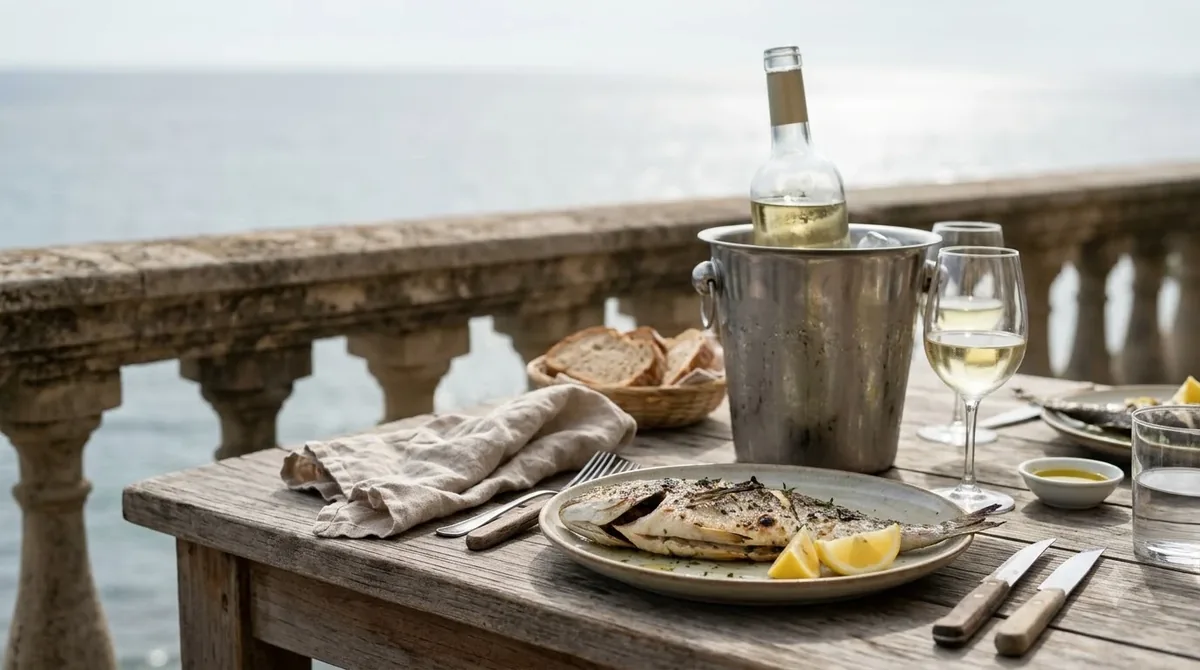
Seafood, Sushi, and Shellfish: Delicate white fish like sole, cod, halibut, and sea bass thrive alongside Sauvignon Blanc, especially when finished with lemon butter, capers, or fresh dill. Raw oysters on the half shell, steamed mussels in white wine broth, and shrimp tacos with cilantro-lime slaw also highlight the wine’s briny minerality. Even clean, vegetable-or-fish sushi rolls pair effortlessly thanks to the wine’s crisp finish. If you are planning a multi-course dinner that moves from raw shellfish into richer celebratory dishes, our champagne food pairing guide covers sparkling options that share a similar high-acid profile.
Tricky Green Vegetables and Salads: Asparagus, artichokes, green peas, and bell peppers are notorious for making many wines taste bitter, yet Sauvignon Blanc embraces their vegetal character. Serve a Marlborough or Loire bottling with asparagus quiche, chilled cucumber-dill soup, guacamole, or a summer salad tossed in lemon-herb vinaigrette.
Poultry, Pork, and Global Flavors: Herb-roasted chicken with rosemary and thyme, turkey burgers topped with avocado, and pork tenderloin with green herb crust all pair naturally with medium-bodied styles. Because the wine features bright citrus and herbal lift, it also shines alongside Vietnamese spring rolls, Thai green curry with moderate heat, and ceviche. When your menu shifts toward spicy or richly aromatic dishes that need a hint of sweetness, looking into gewurztraminer food pairing offers a great alternative, while heartier red meats call for softer reds outlined in our merlot food pairing guide.
What Foods to Avoid
Even the most versatile white wine hits a wall when paired with heavy tannins, intense sweetness, or thick, dark sauces. Knowing what to keep off the menu saves you from clashes that flatten the wine.
Skip heavily marbled red meats like ribeye steak, braised short ribs, or smoked barbecue brisket. Sauvignon Blanc lacks the tannin and body needed to stand up to dense beef fat and smoky glazes, leaving the wine tasting thin and overly sour.
Rich, sweet desserts like chocolate cake, caramel tarts, or sugary pastries will also overpower a dry Sauvignon Blanc, making its high acidity feel harsh and metallic. Similarly, avoid blue cheeses with intense funk or thick cream sauces loaded with heavy nutmeg and dark mushrooms, which clash with the grape’s bright, grassy character.
Frequently Asked Questions
Does Sauvignon Blanc go well with spicy food?
Sauvignon Blanc pairs well with mild to moderate spice, especially dishes flavored with jalapeño, cilantro, lime, and ginger. However, because most bottles are bone-dry with high acidity, fiery chili heat can feel amplified on your palate, so look for a fruit-forward New Zealand style with a touch of residual sugar when serving spicy Asian or Mexican dishes.
Why does goat cheese pair so well with Sauvignon Blanc?
Fresh goat cheese shares a remarkably similar chemical and flavor profile with Sauvignon Blanc, combining tangy acidity with subtle grassy, herbal notes. The wine’s crisp structure cuts right through the dense, creamy texture of the cheese, leaving your palate clean and refreshed after every bite.
Can you serve Sauvignon Blanc with chicken or pork?
Yes, Sauvignon Blanc is an excellent match for white meats like roast chicken, turkey, and lean pork tenderloin. For the best results, skip heavy barbecue or sweet brown sauces and season the meat with fresh green herbs, garlic, lemon zest, or a bright salsa verde.
Is Sauvignon Blanc good with pasta?
Sauvignon Blanc works wonderfully with light, herb- or seafood-driven pastas such as linguine with clams, basil pesto spaghetti, or spring vegetable primavera. Avoid pairing it with heavy Bolognese meat sauces or thick Alfredo, which weigh down the wine’s crisp, citrusy frame.
Mastering sauvignon blanc food pairing comes down to leaning into freshness, herbs, and bright acidity. Keep a well-chilled bottle on hand whenever your menu features crisp salads, tangy cheeses, or coastal seafood, and let the wine act as a lively finishing squeeze of citrus across the table.
More in Food & Wine Pairing
 Risotto With White Wine Recipe: Make a Creamy Dinner at HomeUpdated Nov 20, 2026
 Wassail With Wine Recipe for a Festive Spiced Holiday DrinkUpdated Nov 20, 2026
 Spritz Veneziano Recipe: Make a Classic Venetian Aperitivo at HomeUpdated Nov 20, 2026
 Summer Wine Punch Recipe for Easy Homemade EntertainingUpdated Nov 20, 2026
 Bishop Recipe: How to Make a Bright, Citrus-Forward Red Wine CocktailUpdated Nov 20, 2026
 Wine Cupcakes Recipe: Bake Rich Chocolate Cupcakes at HomeUpdated Nov 20, 2026