

We may earn a commission when you buy through links on this page, at no extra cost to you. Learn more.
Cade Winery is a Napa Valley estate on Howell Mountain that focuses on Cabernet Sauvignon grown on its own mountain vineyards. Founded in 2005 by John Conover, Gordon Getty, and Gavin Newsom, it is part of the PlumpJack family of wineries, and it is known for a high-elevation estate, organic vineyard farming, and a strong focus on sustainability. This guide covers the history, the land, the winemaking team, the wine style, and how to think about the brand.
Cade is one of the better-known names on the Howell Mountain appellation, a hillside area above the valley floor that is famous for structured red wines. Shoppers often look up Cade because they want an estate-grown Napa Cabernet with a clear story behind it, and the details below explain where that story comes from.
Who Founded Cade Winery and When
According to the winery’s own about page, Cade was founded in 2005 by John Conover, Gordon Getty, and Gavin Newsom. The page describes the business as part of the PlumpJack family, and the sister property it names is PlumpJack Estate. That connection matters because it explains the brand’s focus on estate quality and long-term vineyard investment rather than quick-release bottles.
The founding group is the starting point for the brand’s identity. Cade presents itself as a single-estate producer, meaning the wines come from grapes grown on land the winery controls, rather than from a mix of purchased fruit from several valleys.
The Estate on Howell Mountain
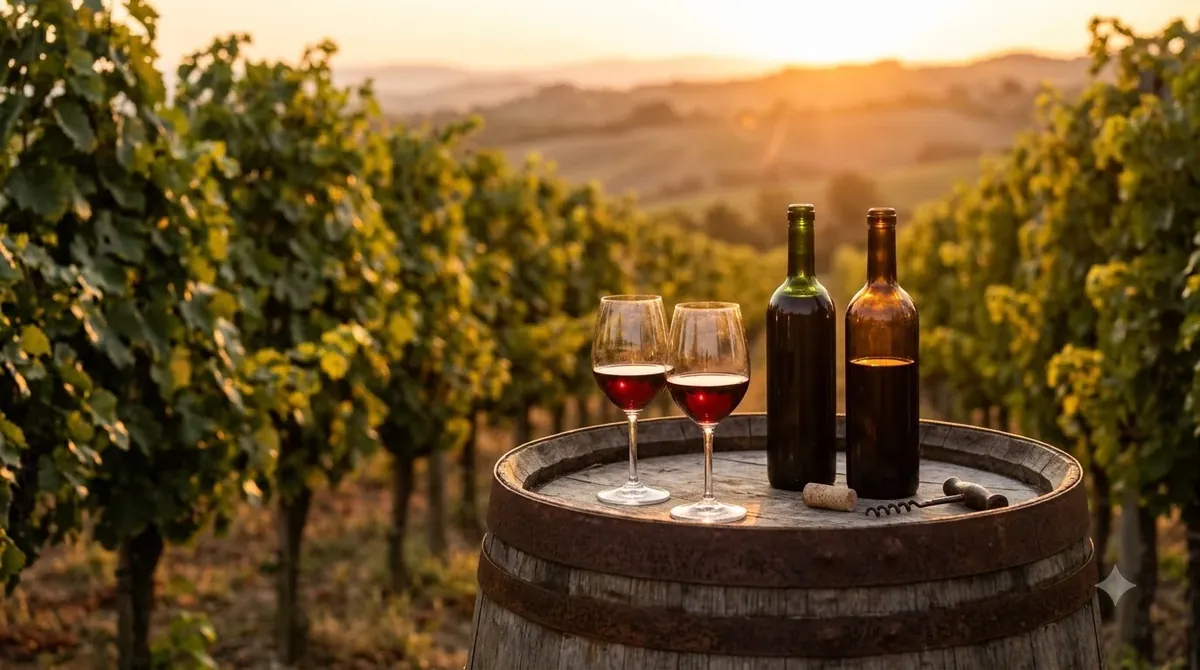
The Cade estate sits on Howell Mountain in Napa Valley, at a high elevation that sets it apart from valley-floor vineyards. The winery lists the estate at about 1,850 feet above sea level, with a total of 54 acres. Of that land, 20 acres are planted to vines, and the rest is used for production and hospitality.
Cade also expanded its footprint in 2016, when Conover oversaw the purchase of the adjacent 13th Vineyard. That site covers 82 acres, with 74 acres of Cabernet Sauvignon and 4 acres of Sauvignon Blanc. The table below summarizes the core facts the winery shares about its land.
| Estate detail | What the winery reports |
|---|---|
| Location | Howell Mountain, Napa Valley |
| Elevation | About 1,850 feet above sea level |
| Total estate size | 54 acres |
| Planted on the estate | 20 acres of Cabernet Sauvignon, Malbec, and Petit Verdot |
| 13th Vineyard (added 2016) | 82 acres, including 74 acres of Cabernet Sauvignon and 4 acres of Sauvignon Blanc |
Winemaking Team and Sustainability
Danielle Cyrot has served as Cade’s head winemaker since 2012, according to the winery. Her role covers the vineyard-to-bottle process, from harvest decisions to the final blend. A long-serving winemaker on the same estate helps keep the style consistent from vintage to vintage, which matters for a single-site producer.
Sustainability is a major part of the Cade message. The winery says its vineyards have been farmed organically under CCOF certification since 2009. It also reports that it became the first LEED Gold certified estate winery in California in 2010, and that the whole facility is certified under the Napa Green Winery program. Co-founder John Conover’s stated view, as quoted on the site, is that “change is good, green is good, organic is good.”
These certifications are useful for understanding the brand, but they do not by themselves describe how a wine tastes. Treat them as evidence of how the estate is run, and read tasting notes for the flavor side.
The Wine Style and Lineup
Cabernet Sauvignon is the core of the Cade story. The winery’s Estate Cabernet Sauvignon had its first crop in 2006, and the estate’s mountain fruit is central to the wine’s identity. Mountain Cabernet from Howell Mountain is often described as structured, with firm tannin and a dark, concentrated fruit core.
Cade also works with Sauvignon Blanc from its 13th Vineyard planting, which gives the portfolio a second grape to show a different side of the estate. The main draw remains the red, though, and most buyers who look up the brand are looking for a serious Napa Cabernet.
Because the estate sits at altitude above the valley floor, the wines are generally described as firmer and more tannic than many valley Cabernets, and they often reward a few years in the bottle. Young bottles can taste tight, so give them time to open before judging the balance.
How to Serve and Pair Cade Wines
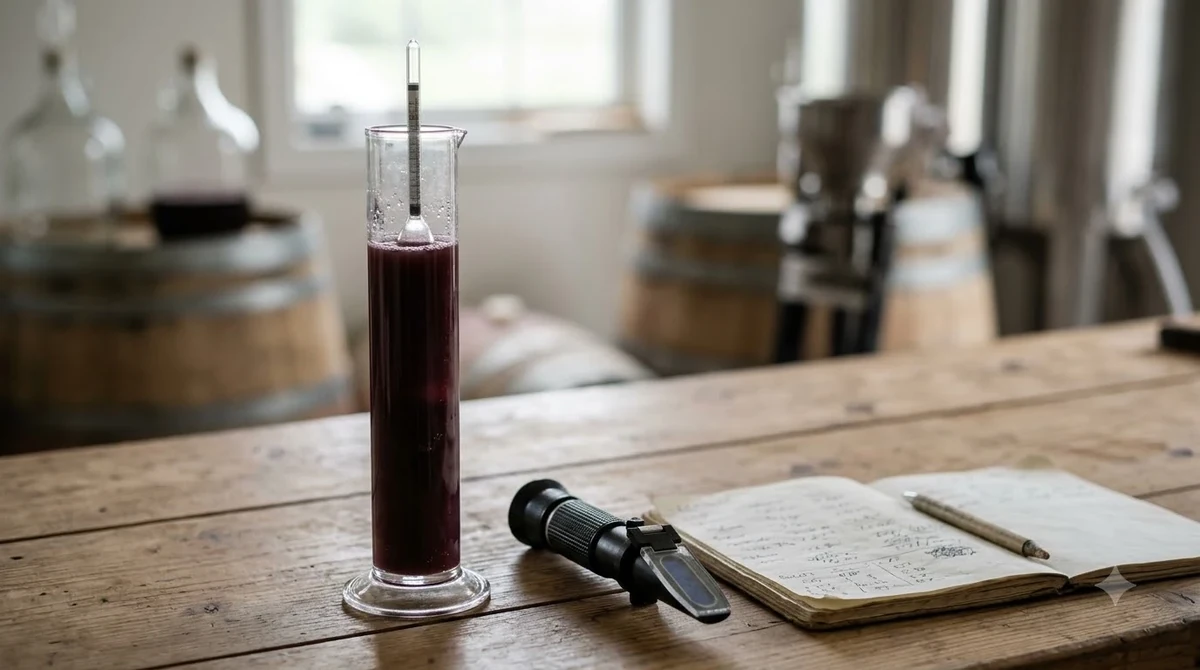
Mountain Cabernet from Napa usually shows best at a cool room temperature and in a large glass, which lets the aromas open. Decanting is a good idea for young bottles, since it softens firm tannin and gives the fruit more room to show.
For food, look at the structure rather than the brand. A firm Cabernet works well with grilled beef, lamb, aged cheeses, and mushroom dishes. Save the richest pairings for the most structured bottles, and keep lighter dishes for the Sauvignon Blanc.
Tip: If you plan to buy a Cade bottle to age, store it on its side in a cool, dark place. Younger bottles with high tannin often need more time than they seem to, so opening one too early can make a good wine seem thin or harsh.
Who Cade Winery Suits Best
Cade is a good fit for drinkers who already know they like structured Napa Cabernet and want to learn more about a single estate. The brand’s story is easy to follow, with a clear founding date, a named winemaker, and a specific set of acres, so it works well for someone who likes knowing where a bottle comes from.
It may be less suited to someone looking for a soft, easy-drinking red for a casual weeknight. Mountain Cabernet usually asks for a little patience, and the tannin can feel firm when a bottle is young. If you prefer lighter, fruit-first styles, a merlot or a Pinot Noir might fit your taste better.
Anyone who values the environmental side of winemaking will find a lot to read on the Cade site. The organic and green certifications are specific and easy to check, which can help a shopper compare estates on more than flavor alone.
Buying Cade Wine and Comparing Other Wineries
Availability can change from one vintage and channel to the next. Check the winery’s website for current releases and tasting information, and compare the bottle’s vintage and vineyard designation on the label.
If you want to explore beyond one estate, other wineries on this site offer a different regional view. Browsing St. Julian winery or Augusta winery lets you compare how a different team approaches its vineyards and style. Those comparisons help you decide whether a mountain-grown estate Cabernet fits your taste.
Frequently Asked Questions
When was Cade Winery founded?
According to the winery’s history page, Cade was founded in 2005 by John Conover, Gordon Getty, and Gavin Newsom.
Where is Cade Winery located?
The estate is on Howell Mountain in Napa Valley, California. The winery lists its elevation at about 1,850 feet above sea level.
What grapes does Cade grow?
On the estate, the winery reports Cabernet Sauvignon, Malbec, and Petit Verdot. The adjacent 13th Vineyard is planted mainly to Cabernet Sauvignon, with some Sauvignon Blanc.
Is Cade Winery organic or sustainable?
The winery states that its vineyards have been organically farmed under CCOF certification since 2009, and that its facility holds LEED Gold and Napa Green certifications.
Cade is a clear example of a single-estate Napa Cabernet producer, with a high-elevation vineyard, a long-serving winemaker, and a stated commitment to organic farming. To see how the brand fits into the wider world of producers, visit the Wine Brands guide, which compares family histories, styles, and where each winery sits in the market.
More in Wine Brands
 Underwood Wine Price: Compare Bottles, Cans, and Pack SizesUpdated Nov 21, 2026
 Zenato Wine Price: Compare Styles and Choose the Right BottleUpdated Nov 21, 2026
 Zuccardi Wine Price: Compare Bottles and Find the Right RangeUpdated Nov 21, 2026
 Yellow Tail Moscato Review: Taste, Sweetness and Serving TipsUpdated Nov 21, 2026
 Wolf Blass Yellow Label Review: Choose Your Best StyleUpdated Nov 21, 2026
 Wolffer Estate Rose Review: Choose the Right Bottle for Your TableUpdated Nov 21, 2026