

We may earn a commission when you buy through links on this page, at no extra cost to you. Learn more.
Organic cabernet sauvignon is a full-bodied red wine made from Cabernet Sauvignon grapes grown without synthetic pesticides, herbicides, or chemical fertilizers under certified organic farming standards. Depending on where the bottle is certified, it may contain zero added sulfites under strict U.S. rules or small, regulated amounts under European standards, while delivering the grape’s signature black cherry, black currant, cedar, and firm tannin profile.
Cabernet Sauvignon is the world’s most widely planted red wine grape, and organic producers across California, France, Chile, and Australia have increasingly adopted chemical-free viticulture to farm it. Understanding how vineyard certification, sulfite limits, and regional climate shape the wine in your glass makes it much easier to pick a bottle that matches your palate and dinner table.
What Is Organic Cabernet Sauvignon?
Organic cabernet sauvignon starts in the vineyard, where growers replace synthetic chemical sprays and artificial fertilizers with compost, cover crops, and natural pest management. Once harvested, the fruit must also be fermented and bottled in a certified organic facility following strict additive limits.
Born in seventeenth-century Bordeaux as a natural crossing between Cabernet Franc and Sauvignon Blanc, Cabernet Sauvignon has thick skins and loose clusters that resist rot relatively well compared to thinner-skinned red varieties. That natural resilience makes it a practical candidate for organic farming, even in regions that experience occasional humidity or late-season weather shifts. Transitioning a conventional vineyard to organic certification typically takes three to four years so the soil can clear any synthetic residues.
In the United States, organic labeling splits into two distinct tiers that directly affect what goes into the bottle. According to Wine Enthusiast’s guide to organic and biodynamic wine, bottles bearing the official USDA Organic seal cannot contain any added sulfites, relying solely on the trace sulfites that occur naturally during yeast fermentation. By contrast, U.S. wines labeled “Made with Organic Grapes” and European Union certified organic wines are farmed organically in the vineyard but allow small, regulated additions of sulfites in the cellar for stability.
Because sulfites act as an antioxidant and antimicrobial preservative, zero-added-sulfite organic cabernet sauvignon requires especially clean cellar hygiene and careful protection from oxygen. Many producers ferment and age these no-sulfite-added bottlings in stainless steel rather than porous oak barrels, preserving pure, primary fruit character while giving the finished wine a shorter drinking window once opened.
Flavor Profile and Styles of Organic Cabernet Sauvignon
Classic organic cabernet sauvignon offers concentrated dark fruit flavors—most notably black cherry, black currant (cassis), and blackberry—anchored by medium-high tannins and medium-high acidity. Secondary notes range from cedar, baking spices, and graphite to savory hints of dried herbs, tobacco, or green bell pepper.
The stylistic spectrum depends heavily on both climate and winemaking choices. In warmer growing areas, grapes reach higher sugar levels and produce lush, fruit-forward wines with ripe blackberry notes and alcohol levels commonly landing between 13.5% and 15% ABV. Cooler regions yield a leaner, more savory expression where natural methoxypyrazine compounds bring subtle notes of green peppercorn, bay leaf, or graphite alongside brisk acidity.
Cellar decisions further divide organic cabernet sauvignon into two main styles. Bottles labeled “Made with Organic Grapes” or certified under European rules frequently spend time in French or American oak barrels, which softens tannins and layers in vanilla, cocoa, and toasted spice. Meanwhile, strict USDA Organic bottlings without added sulfites tend to skip extended new-oak aging to prevent unwanted oxidation, resulting in a brighter, fresher, and more unadorned expression of dry cabernet sauvignon.
Where Organic Cabernet Sauvignon Grows Best
Organic cabernet sauvignon thrives in warm, dry, sun-drenched climates where low humidity naturally minimizes fungal pressure and reduces the need for vineyard sprays. California, Chile, South Australia, and the gravelly left bank of Bordeaux lead global production of quality organic bottlings.
In the United States, California dominates organic Cabernet production, particularly in sunny North Coast regions like Napa Valley, Sonoma, and Mendocino County. Warm daytime temperatures ripen the thick-skinned berries thoroughly, while cool coastal fog and evening breezes preserve natural acidity. Growers in Mendocino and Napa frequently plant mustard and other flowering cover crops between vine rows to enrich soil biology and attract beneficial insects without chemical intervention.
South America and Australia offer equally favorable conditions for organic viticulture. Chile’s Maipo and Colchagua Valleys sit tucked between cooling Pacific Ocean breezes and the dry, sunny foothills of the Andes, creating a Mediterranean climate where organic vineyards flourish with minimal disease pressure. In South Australia, regions such as McLaren Vale and Coonawarra produce structured, deeply colored organic Cabernet with signature notes of cassis, mint, and bay leaf. Even in maritime Bordeaux, where Atlantic rain makes organic farming more demanding, estate producers in the Médoc and Graves increasingly farm gravelly, well-drained parcels organically.
How to Serve Organic Cabernet Sauvignon
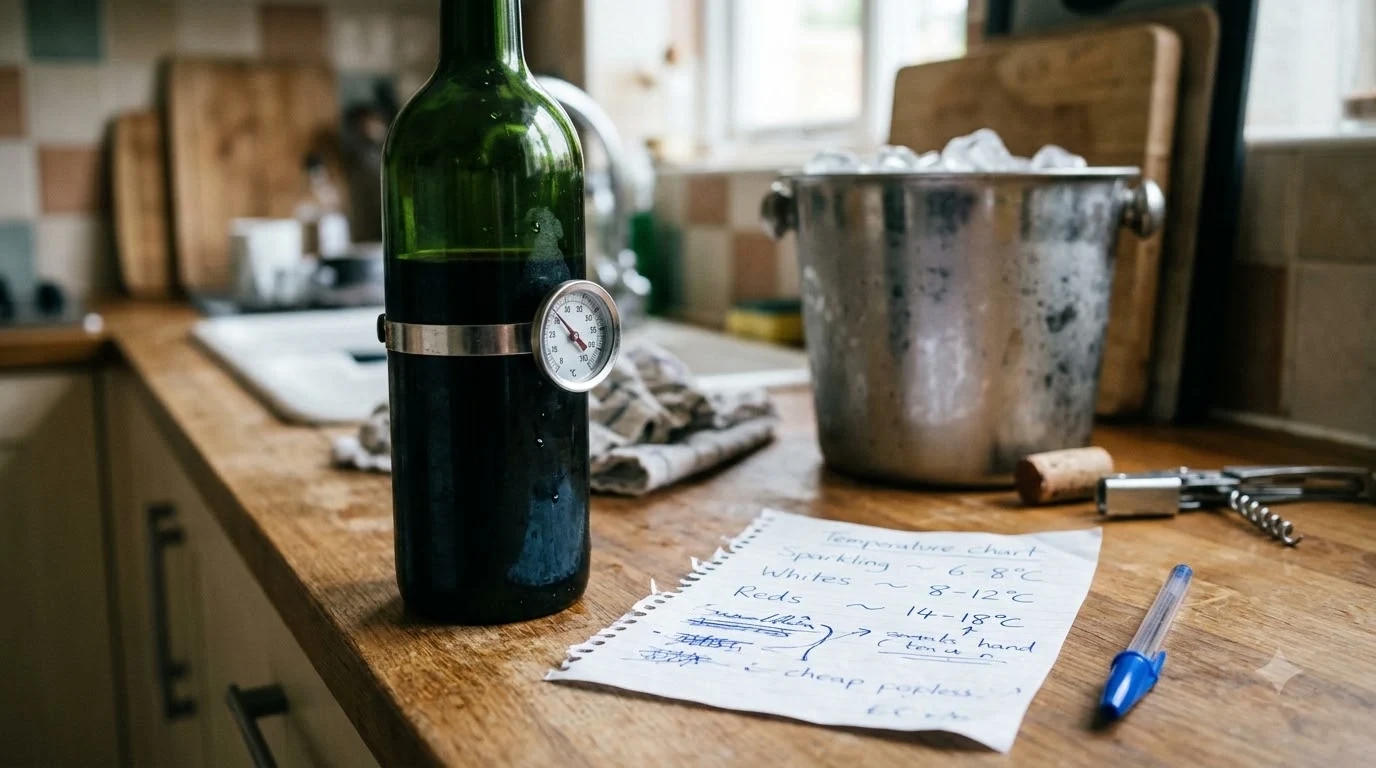
Serve organic cabernet sauvignon slightly below room temperature, ideally between 60°F and 68°F (15°C to 20°C), in a large, oversized red wine glass. A brief chill keeps the alcohol balanced on the palate while the wide bowl gives complex aromas room to open up.
As Wine Folly’s Cabernet Sauvignon grape guide recommends, decanting a young, full-bodied bottle for roughly one hour softens firm tannins and lets dark fruit aromas emerge. However, if you are pouring a USDA Organic bottle made with zero added sulfites, take a gentler approach: taste the wine immediately upon opening and limit decanting to 15 to 30 minutes, since sulfite-free wines oxidize faster once exposed to air.
Storage habits also matter more when sulfite levels are low. Keep unopened bottles on their side in a cool, dark spot around 55°F (13°C) away from temperature swings and direct sunlight. Once opened, recork the bottle promptly and place it in the refrigerator; most zero-added-sulfite organic reds show their best fruit within one to two days, whereas organic bottlings with modest sulfite additions hold up well for three to five days.
Tip: If your kitchen sits above 70°F, place a bottle of organic cabernet sauvignon in the refrigerator for 15 to 20 minutes before pouring so the alcohol never overshadows the fruit.
Food Pairings for Organic Cabernet Sauvignon
Organic cabernet sauvignon pairs best with rich, savory dishes high in protein, fat, and umami, which bind to the wine’s firm tannins and make the fruit taste smoother. Grilled meats, aged hard cheeses, and earthy mushroom dishes are natural matches.
Classic steakhouse fare—such as grilled ribeye, filet mignon, or peppercorn-crusted sirloin—works because meat fat coats the palate and tames astringency. Slow-braised beef short ribs, herb-roasted rack of lamb with rosemary, and charred burgers topped with aged cheddar or Gruyère also bring out the wine’s black cherry and cassis core.
For plant-forward meals, lean into roasted, smoky, and umami-dense ingredients rather than delicate salads. Wild mushroom risotto, portobello burgers, lentil stews with thyme, and pasta tossed in rich roasted-tomato and herb sauces echo the savory, earthy side of the grape. Avoid pairing full-bodied Cabernet with sweet desserts or dark chocolate, as sugar and bitterness tend to amplify the wine’s tannins and make it taste harsh.
How to Choose a Bottle of Organic Cabernet Sauvignon
Choosing the right organic cabernet sauvignon comes down to reading the certification seal, checking the region, and matching the alcohol level to the style you prefer. A quick scan of the front and back labels tells you how the grapes were farmed and whether any sulfites were used in the cellar.
| Label Term | Vineyard Standard | Added Sulfites | Typical Style & Shelf Life |
|---|---|---|---|
| USDA Organic | 100% certified organic grapes | None permitted (natural fermentation sulfites only) | Bright, pure fruit; often unoaked or lightly oaked; best enjoyed young |
| Made with Organic Grapes (U.S.) | 100% certified organic grapes | Allowed up to 100 ppm | Classic oak-aged structure; greater stability and aging potential |
| EU Organic Wine | 100% certified organic grapes | Allowed in small, regulated amounts (up to 100 ppm) | Savory, structured Old World style; stable for cellaring |
Use ABV as a quick clue to body and flavor intensity. Bottles around 13% to 13.5% ABV—common in Bordeaux, Chile, and cooler California sites—lean fresher, higher in acidity, and more herbal. Bottles between 14% and 15% ABV signal riper fruit, fuller body, and richer oak spice. If you enjoy exploring certified organic bottles across other styles, you can apply the same label-reading habits when browsing organic sauvignon blanc, organic champagne, or our broader Wine Buying Guides.
Frequently Asked Questions
Is organic cabernet sauvignon completely sulfite-free?
No wine is completely free of sulfites because yeast naturally produces trace amounts of sulfur dioxide during fermentation. However, bottles carrying the U.S. USDA Organic seal are prohibited from having any extra sulfites added during winemaking, whereas U.S. “Made with Organic Grapes” and European organic wines allow small, regulated sulfite additions.
Does organic cabernet sauvignon taste different from conventional Cabernet?
The core varietal flavors of black cherry, cassis, and firm tannins remain the same, though organic farming often yields vibrant acidity and clean fruit expression. The biggest stylistic difference appears in zero-added-sulfite USDA Organic bottlings, which are frequently fermented in stainless steel rather than oak barrels and taste fresher and more fruit-driven.
Can you age organic cabernet sauvignon in a cellar?
Yes, provided the bottle contains enough tannin, acidity, and modest sulfite protection to guard against oxidation. Oak-aged organic Cabernets from Napa Valley, Bordeaux, or South Australia labeled “Made with Organic Grapes” or EU Organic can develop complexity for ten years or more, while zero-added-sulfite bottles are best enjoyed within a few years of release.
How long does an opened bottle of organic cabernet sauvignon last?
Recorked and stored in the refrigerator, an organic cabernet sauvignon with small added sulfites stays fresh for about three to five days. If the bottle is certified USDA Organic with no added sulfites, oxygen affects it faster, so plan to finish it within one to two days of opening.
Whether you prefer a bright, unoaked USDA Organic bottle for a weeknight pasta dinner or a structured, oak-aged organic Cabernet from Napa or Bordeaux for a special roast, understanding the certification rules helps you buy with confidence. Check the back label for organic seals and ABV, chill the bottle slightly before pouring, and let the wine’s natural fruit and structure shine at the table.
More in Wine Buying Guides
 Riesling Gift: Choose a Bottle They’ll LoveUpdated Nov 21, 2026
 Sweet Red Wine Gift: Choose a Bottle They’ll LoveUpdated Nov 21, 2026
 Malbec Gift: How to Choose a Memorable Bottle for Any OccasionUpdated Nov 21, 2026
 Sherry Gift Ideas That Match Every Wine LoverUpdated Nov 21, 2026
 Moscato Gift: How to Choose a Sweet Wine They’ll LoveUpdated Nov 21, 2026
 Merlot Gift: How to Choose a Bottle They’ll AppreciateUpdated Nov 21, 2026