

We may earn a commission when you buy through links on this page, at no extra cost to you. Learn more.
Tommasi Amarone is the flagship dry red wine produced by the Tommasi family in Italy’s Valpolicella Classica zone, made from partially dried native grapes. Bottled as Amarone della Valpolicella Classico DOCG, the wine blends 50% Corvina, 30% Corvinone, 15% Rondinella, and 5% Oseleta. It is known for an approachable, balanced house style with 15% alcohol by volume and three years of aging in large Slavonian oak casks.
While many producers craft Amarone as a massive, ultra-concentrated sipper meant strictly for the end of a meal, Tommasi has built its international reputation on restraint and table-friendly harmony. Understanding how the family dries, ferments, and ages its fruit explains why this bottle remains one of the most recognizable names in northern Italian wine.
Who Makes Tommasi Amarone
Tommasi Viticoltori is a fourth-generation family winery based in Pedemonte, a village in the historic Valpolicella Classica hills just northwest of Verona in Italy’s Veneto region. Founder Giacomo Tommasi purchased his first small vineyard parcel in 1902, gradually expanding the estate through the twentieth century before releasing the family’s inaugural Amarone vintage in 1959.
Over the decades, the estate grew from a local Veronese grower into Tommasi Family Estates, an agricultural group spanning roughly 800 hectares across several Italian wine regions, including Tuscany, Puglia, and Basilicata. Despite that broader footprint, Valpolicella Classica remains the family’s headquarters and spiritual home, with oenologist Giancarlo Tommasi directing winemaking and cellar operations since 2000.
In Pedemonte, the family’s historic cellar houses both a dedicated Amarone archive vault and “Magnifica,” a massive 33,000-liter Slavonian oak cask constructed to celebrate the winery’s 110th anniversary. The Tommasi family is also a founding member of Le Famiglie Storiche, an association of historic Valpolicella producers dedicated to preserving traditional Amarone craftsmanship.
How It Is Made and Where the Grapes Grow
Tommasi sources the fruit for its flagship Amarone della Valpolicella Classico DOCG from two prized hillside crus in the Valpolicella Classica zone: La Groletta and Conca d’Oro. Both sites sit in the hilly heartland of the appellation, where limestone and clay soils encourage bright natural acidity alongside dark fruit concentration and savory spice.
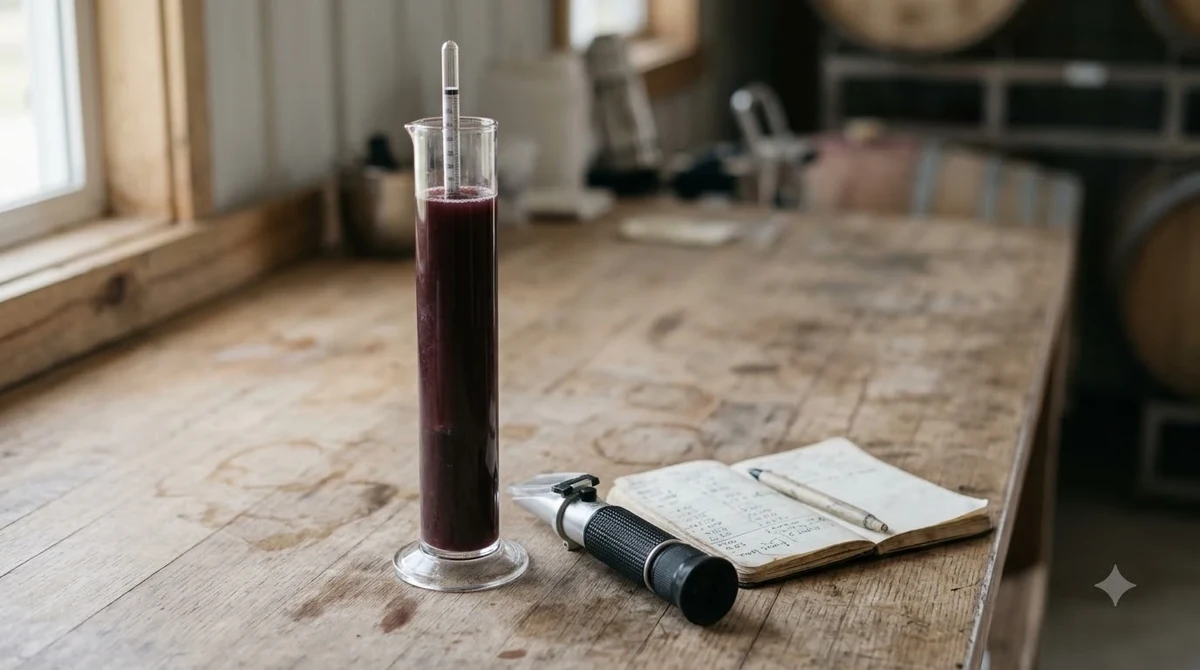
As detailed in the official Tommasi Amarone della Valpolicella Classico DOCG profile, the grape blend consists of 50% Corvina, 30% Corvinone, 15% Rondinella, and 5% Oseleta. Corvina and Corvinone supply cherry aromatics, freshness, and structure, Rondinella adds color and herbal lift, and Oseleta contributes deep pigment and firm tannins.
Harvest takes place by hand so workers can select only loose, healthy bunches capable of surviving months of dehydration without rot. The selected clusters are laid out on traditional bamboo racks called arele inside a large, well-ventilated drying loft, or fruttaio, for roughly three months—and a minimum of 110 days—under constant airflow.
During this appassimento phase, the grapes lose water weight and concentrate their natural sugars, acids, and aromatic compounds. Once drying finishes in winter, the grapes are pressed and fermented in stainless steel tanks for 25 days at controlled temperatures between 25 and 30 degrees Celsius, fermenting completely dry before moving into 35- and 65-hectoliter Slavonian oak casks for three years of maturation.
The Tommasi Amarone Lineup
Beyond its signature Classico bottling, the Tommasi family produces three additional Amarone expressions that highlight single-vineyard terroir, extended barrel aging, or distinct hillside microclimates. Comparing the four bottlings clarifies how vineyard origin and cellar time shape the winery’s portfolio.
| Wine Name | Appellation | Vineyard Source | Style & Aging Profile |
|---|---|---|---|
| Amarone della Valpolicella Classico | Amarone della Valpolicella Classico DOCG | La Groletta and Conca d’Oro crus | Flagship blend; dried at least 110 days and aged 3 years in 35- and 65-hl Slavonian oak casks |
| Ca’ Florian Amarone della Valpolicella Classico Riserva | Amarone della Valpolicella Classico DOCG | Ca’ Florian single vineyard (Marano valley) | Top Riserva from older vines averaging 30 years old; structured and built for extended bottle aging |
| De Buris Amarone della Valpolicella Classico Riserva | Amarone della Valpolicella Classico DOCG | Select organic parcels of La Groletta cru | Limited-edition Riserva aged patiently in a dedicated cellar at historic Villa de Buris |
| Il Sestante Amarone della Valpolicella | Amarone della Valpolicella DOCG | Il Sestante estate vineyards | Separate estate label showcasing a rich, expressive interpretation of the DOCG |
For most wine drinkers, the flagship Amarone della Valpolicella Classico is the benchmark bottle encountered on restaurant lists and retail shelves. It represents the core house philosophy: blending fruit from two contrasting hillside vineyards to balance structure from La Groletta with aromatic finesse from Conca d’Oro.
Collectors seeking longer cellar potential look toward the two Riserva bottlings, Ca’ Florian and De Buris, both of which meet stricter aging requirements before release. Meanwhile, the Il Sestante label highlights a distinct estate project within the broader Tommasi family holdings, rounding out a portfolio that mirrors how major wine brands segment flagship and reserve tiers.
Taste Profile and Structure
In the glass, Tommasi Amarone pours a deep, intense ruby red that gradually develops garnet highlights at the rim with age. Unlike sweeter dried-grape wines such as Recioto della Valpolicella, Amarone ferments nearly all of its grape sugars into alcohol, resulting in a dry, full-bodied red with 15% ABV.
According to tasting notes from US importer VINTUS on Tommasi Amarone Classico, the bouquet layers dried red fruits, black cherry, and prune with warm spice, mocha, wild herbs, and a savory, earthy undertone. Depending on the vintage, reviewers at Wine Spectator and James Suckling have also noted accents of dried strawberry, violet, blackberry, singed orange peel, and subtle wood smoke.
On the palate, the wine feels enveloping and velvety without turning heavy or cloying. Because Tommasi ages the wine in large Slavonian oak casks rather than small, heavily toasted French barriques, vanilla oak flavors stay in the background while vibrant acidity and polished tannins carry a long, dry finish.
How to Serve and Pair Tommasi Amarone
Serving temperature and aeration play an outsized role in keeping a 15% ABV wine balanced at the dinner table. If poured too warm, the alcohol can feel hot on the nose and overwhelm delicate dried-fruit aromatics; if poured straight from a cold cellar, the tannins can taste tight.
The producer recommends serving Tommasi Amarone between 16 and 18 degrees Celsius (roughly 61 to 64 degrees Fahrenheit). Opening the bottle one to two hours before dinner—or decanting young vintages—softens the tannins and lets tertiary notes of cocoa, dried thyme, and spice emerge.
Tip: Chill the bottle in the refrigerator for 20 to 25 minutes before decanting if your kitchen is warm, keeping the pour closer to 62°F so the alcohol stays integrated.
At the table, Tommasi pairs its flagship Amarone with hearty, savory dishes that match its weight and dried-cherry richness:
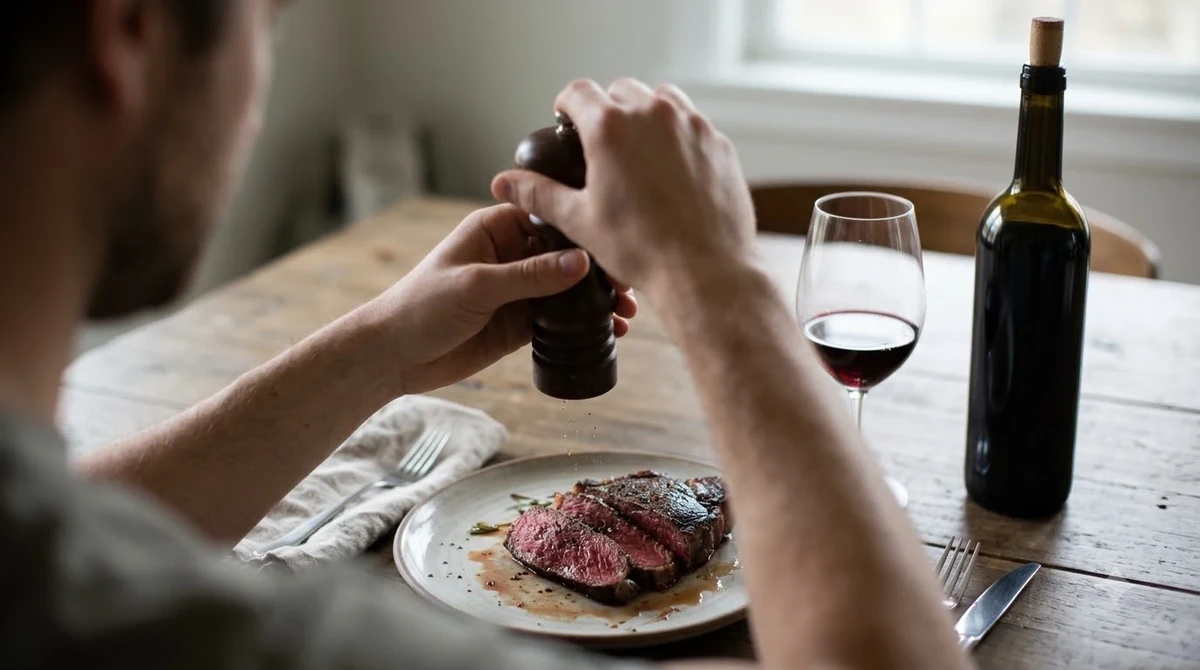
- Braised and roasted red meats: Slow-cooked beef short ribs, osso buco, or herb-crusted rack of lamb absorb the wine’s velvety tannins and savory depth.
- Game and poultry: Roast duck, venison, or traditional Veronese bigoli pasta tossed with duck ragù mirror the wine’s earthy, wild-herb notes.
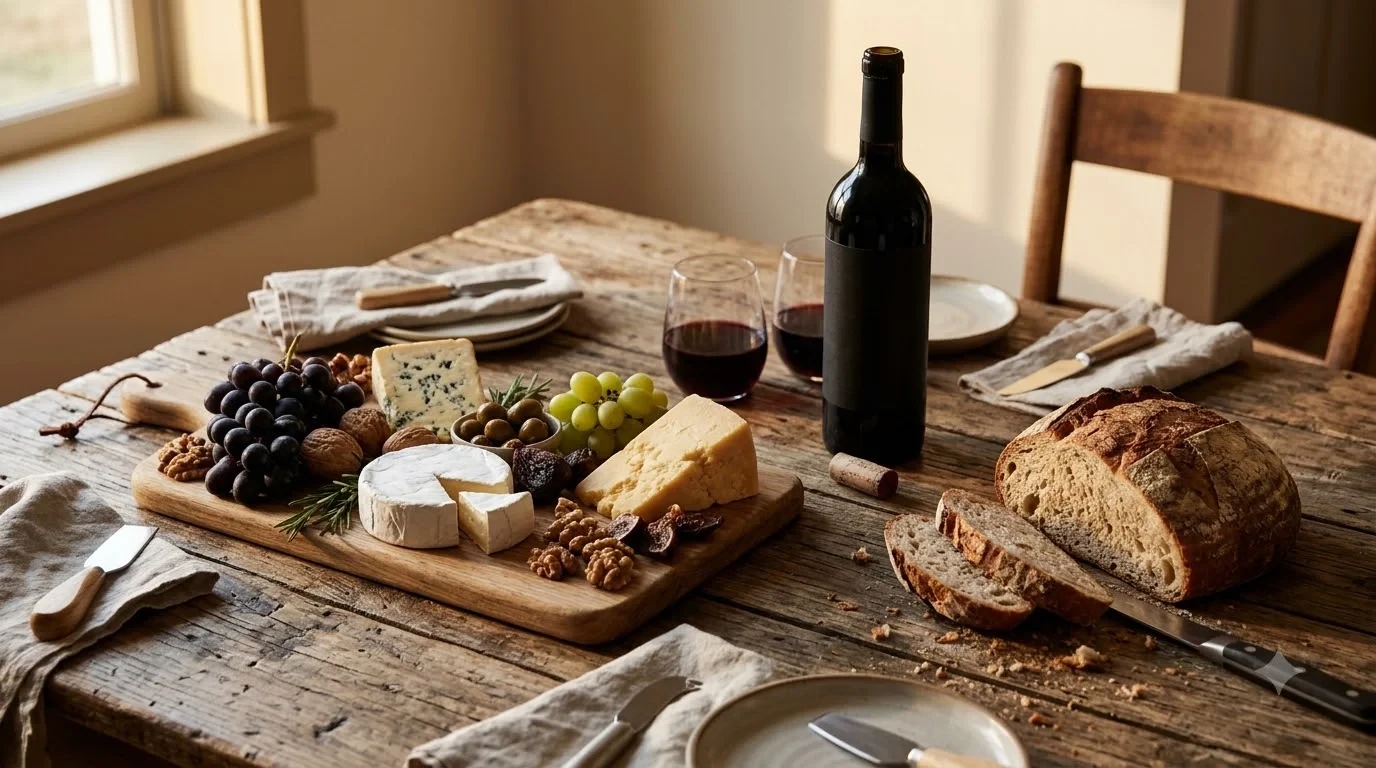
- Aged, hard cheeses: Crumbly wedges of aged Parmigiano-Reggiano, Grana Padano, or Monte Veronese offer salty umami contrast against the plush fruit.
- Mushroom and truffle dishes: Wild mushroom risotto or polenta topped with braised porcini provides a rich, meaty pairing for vegetarian menus.
Who Tommasi Amarone Suits
Tommasi Amarone suits red wine drinkers who enjoy full-bodied, dried-fruit intensity—similar to fans of California Zinfandel, Napa Cabernet Sauvignon, or structured red blends like 14 Hands Hot to Trot wine—but want Italian acidity and savory complexity. Because Tommasi prioritizes elegance over extreme extraction, it is also an ideal entry point for anyone curious about Amarone who worries that the category might taste overly sweet or heavy.
It is less suited for drinkers looking for crisp, low-alcohol, or minimalist bottles, such as a light organic white like Avaline white wine or an alcohol-removed option like Ariel wine. At 15% ABV with three years of oak maturation, this is a deliberate, slow-sipping dinner wine built for cool evenings, special occasion roasts, or unhurried conversation after a meal.
Frequently Asked Questions
Is Tommasi Amarone sweet or dry?
Tommasi Amarone is a dry red wine. Even though the grapes are dried for at least 110 days before crushing to concentrate sugars, the yeast ferments those sugars almost completely into alcohol, leaving a dry, savory finish rather than dessert-level sweetness.
What is the alcohol content of Tommasi Amarone?
Tommasi Amarone della Valpolicella Classico DOCG is bottled at 15% alcohol by volume (ABV). The elevated alcohol comes naturally from the appassimento drying process, which reduces water inside the berries and concentrates fermentable grape sugars.
How long should you age or decant Tommasi Amarone?
Young bottles benefit from 60 to 120 minutes in a decanter before serving so the aromatics open up and the tannins soften. In a cool, dark cellar, well-stored vintages can comfortably age for 10 to 15 years, developing deeper notes of leather, dried fig, and tobacco.
What is the difference between Tommasi Ripasso and Tommasi Amarone?
Tommasi Amarone is made directly from hillside grapes dried for three months before fermentation, giving it 15% ABV and deep concentration. Tommasi Ripasso is made by refermenting fresh Valpolicella wine over the leftover warm grape skins from Amarone production, creating a lighter, more everyday red.
From its hand-harvested hillside vineyards in La Groletta and Conca d’Oro to its three-year rest in Slavonian oak casks, Tommasi Amarone balances traditional Veronese technique with remarkable drinkability. Whether opened alongside a winter braise or cellared for a future milestone, it offers a reliable benchmark for classic Amarone della Valpolicella.
More in Wine Brands
 Underwood Wine Price: Compare Bottles, Cans, and Pack SizesUpdated Nov 21, 2026
 Zenato Wine Price: Compare Styles and Choose the Right BottleUpdated Nov 21, 2026
 Zuccardi Wine Price: Compare Bottles and Find the Right RangeUpdated Nov 21, 2026
 Yellow Tail Moscato Review: Taste, Sweetness and Serving TipsUpdated Nov 21, 2026
 Wolf Blass Yellow Label Review: Choose Your Best StyleUpdated Nov 21, 2026
 Wolffer Estate Rose Review: Choose the Right Bottle for Your TableUpdated Nov 21, 2026