

We may earn a commission when you buy through links on this page, at no extra cost to you. Learn more.
The prisoner chardonnay is a full-bodied, oak-aged California white wine produced by The Prisoner Wine Company in Napa Valley. Primarily sourced from cool-climate vineyards in the Carneros appellation, the wine mirrors the bold, fruit-forward house style of the brand’s flagship red blend. Rather than relying strictly on a single grape, winemakers incorporate small portions of aromatic white varieties like Chenin Blanc and Roussanne to build layered texture and bright acidity.
Best known for reshaping the modern California red blend category, The Prisoner Wine Company applies that same rule-breaking blending philosophy to white wine. While classic Napa Valley Chardonnays often lean into singular vineyard expressions, this bottling prioritizes immediate drinkability, rich barrel influence, and vibrant orchard fruit. Understanding what goes into the bottle helps clarify why it stands out among mainstream wine brands.
What Is The Prisoner Chardonnay?
The Prisoner Chardonnay is a Carneros-sourced white wine crafted by The Prisoner Wine Company, a St. Helena-based winery founded on the art of unconventional blending. Bottled at 14.5% ABV, it translates the plush, intense, and approachable signature of the original Prisoner Red Blend into a rich white wine format.
Although labeled as a varietal Chardonnay, the wine stays true to the winery’s blending roots. Under California and federal labeling laws, a varietal wine must contain at least 75% of the stated grape, leaving room for winemakers to fine-tune the final profile. According to The Prisoner Wine Company, the winemaking team blends in small amounts of Chenin Blanc and Roussanne alongside the base Chardonnay. These companion grapes contribute floral lift, crisp natural acidity, and mid-palate weight without overshadowing the core character of the primary grape.
The winery first expanded its white portfolio with blends like Blindfold and single-vineyard releases such as The Snitch before introducing The Prisoner Chardonnay under its iconic dark, sketch-inspired label. As reported by VinePair, the brand’s visual identity draws directly from a nineteenth-century Francisco Goya etching depicting a chained prisoner, symbolizing a refusal to follow rigid winemaking conventions. That ethos carries straight into the cellar, where barrel fermentation and lees stirring create a plush, modern California white meant to be enjoyed right upon release.
Flavor Profile and Winemaking Style
On the palate, the prisoner chardonnay delivers a full-bodied, creamy texture driven by ripe stone fruit, tropical notes, and warm toasted oak. Bright natural acidity keeps the generous weight from feeling heavy, leading into a smooth, lingering finish marked by vanilla and baking spice.
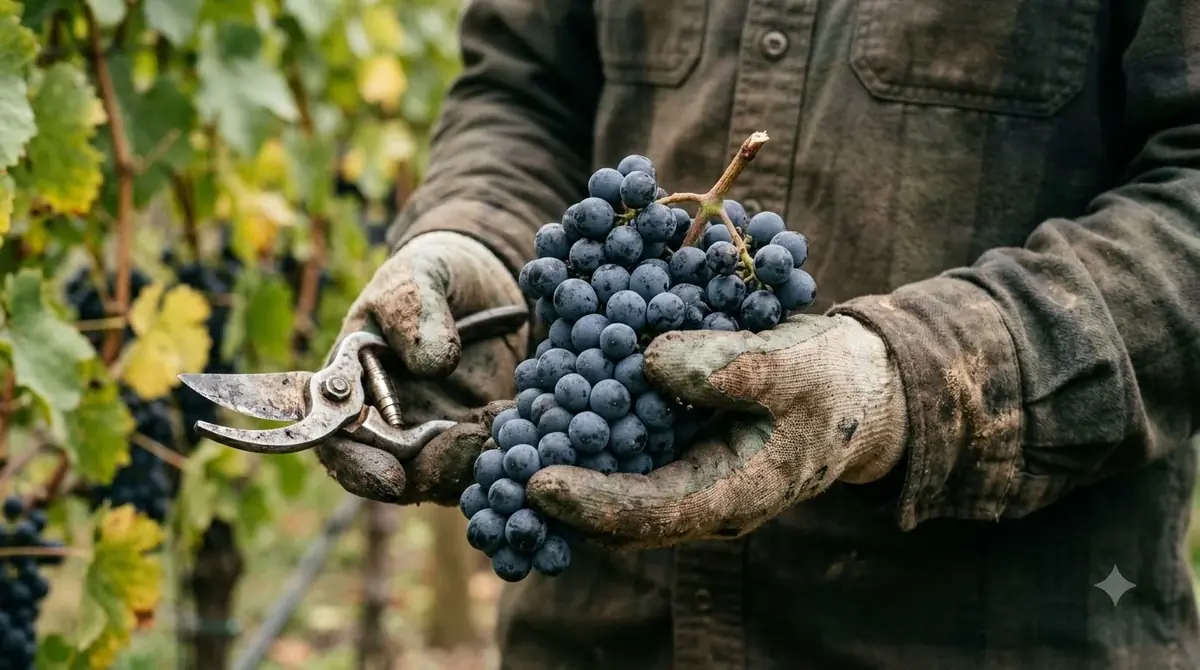
Winemaker descriptions and tasting notes highlight a layered aromatic progression that opens with baked apple, yellow peach, and apricot. As the wine warms slightly in the glass, secondary aromas of dried pineapple, lemon zest, vanilla bean, and toasted marshmallow emerge. Those dessert-like aromatics come from deliberate cellar choices, including aging in French and American oak barrels alongside partial malolactic fermentation, which converts sharp malic acid into softer, creamier lactic acid.
Unlike austere, unoaked whites or crisp lifestyle bottles such as Avaline white wine, this release embraces bold California richness. The mid-palate features flavors of peach cobbler, golden delicious apple, and subtle hints of limoncello and marzipan. That interplay between sweet oak spice and zesty citrus peel gives the wine its recognizable “crowd-pleasing” balance, appealing to drinkers who enjoy expressive, barrel-influenced whites without sacrificing freshness.
| Wine Attribute | The Prisoner Chardonnay Profile |
|---|---|
| Producer | The Prisoner Wine Company (St. Helena, CA) |
| Primary Appellation | Carneros (Los Carneros), Napa Valley |
| Grape Composition | Chardonnay-led blend with Chenin Blanc and Roussanne |
| Alcohol by Volume (ABV) | 14.5% |
| Body and Texture | Full-bodied, creamy, and plush with balanced acidity |
| Primary Aromas and Flavors | Baked apple, yellow peach, pineapple, vanilla, toasted oak |
Where the Grapes Grow: The Carneros Advantage
Most of the fruit for the prisoner chardonnay comes from Los Carneros, a cool-climate appellation straddling the southern ends of Napa and Sonoma counties. Proximity to the chilly waters of San Pablo Bay creates morning fog and steady afternoon breezes that preserve crisp acidity while grapes ripen slowly.
Carneros occupies a unique geographic niche in Northern California wine country. While the northern reaches of Napa Valley bake under warm inland sunshine ideal for thick-skinned red grapes like Cabernet Sauvignon, the southern Carneros district stays noticeably cooler throughout the growing season. Marine air funnels inland from the bay, dropping nighttime temperatures and extending the hang time for white varieties. This slow ripening cycle allows Chardonnay clusters to develop concentrated tropical and stone fruit flavors without losing the natural malic acidity required for structural balance.
The soils in Carneros also play a quiet supporting role in shaping the wine’s texture. Shallow clay-loam soils over dense clay hardpan restrict excessive vine vigor, encouraging vines to produce smaller berries with higher skin-to-juice ratios. For The Prisoner’s winemaking team, sourcing from multiple grower partners across this cool pocket ensures consistent ripeness and bright natural tension to counterbalance their generous oak regimen.
How to Serve The Prisoner Chardonnay
Serve the prisoner chardonnay lightly chilled between 50°F and 55°F (10°C to 13°C) in a wide-bowled white wine glass. Serving it straight from a standard refrigerator masks the nuanced vanilla, toasted oak, and ripe orchard fruit aromatics.
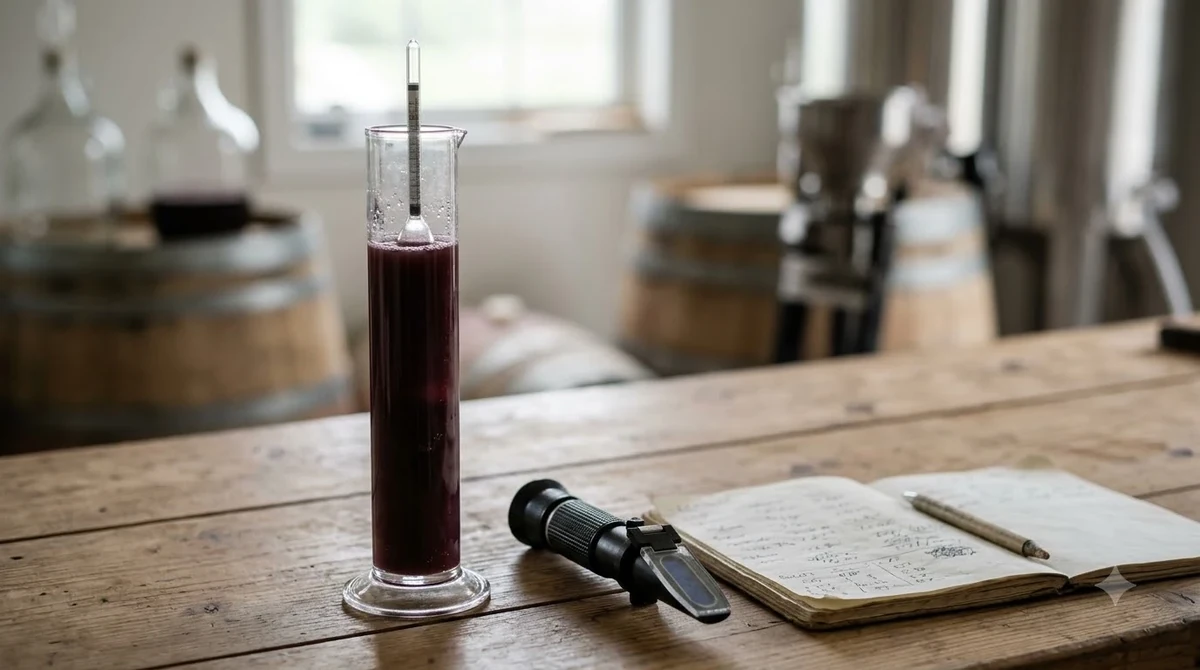
Temperature management makes a dramatic difference with full-bodied, oak-aged white wines. Standard kitchen refrigerators hover around 37°F to 40°F, which is cold enough to mute volatile aroma compounds and accentuate oak tannins, making the wine taste flat or overly woody. Pulling the bottle from the fridge roughly 20 to 30 minutes before pouring allows it to reach the ideal cellar range, where creamy textures soften and citrus notes brighten.
Glassware choice also influences how the wine presents itself. A tulip-shaped Chardonnay glass with a slightly wider bowl than a standard Sauvignon Blanc glass gives the wine room to breathe, concentrating complex aromas of baked apple and spice toward the rim. While young vintages do not require extended decanting, giving the bottle 15 minutes of air in the glass helps integrate the 14.5% alcohol and opens up the floral nuances contributed by the Roussanne and Chenin Blanc.
Tip: If a bottle feels too cold right out of the refrigerator, cup the bowl of your wine glass in your hands for 30 seconds to gently warm the wine and release its toasted vanilla and stone fruit aromas.
Best Food Pairings
Rich, creamy texture and balanced acidity make the prisoner chardonnay a natural partner for savory poultry, butter-basted seafood, and cream-based pasta dishes. Matching the weight of the dish to the full body of the wine prevents delicate flavors from getting overwhelmed.
Because the wine carries noticeable oak spice and 14.5% ABV, lighter salads or sharp vinegar-based dressings can clash with its vanilla and toasted coconut notes. Instead, lean into dishes that echo its creamy mouthfeel or contrast its richness with gentle salt and citrus:
- Roasted and Grilled Poultry: Herb-roasted chicken with crispy skin, roast turkey, or pan-seared duck breast complement the wine’s baked apple and warm spice notes.
- Rich Shellfish and Fin Fish: Butter-poached lobster, seared sea scallops, grilled salmon, or halibut finished with browned butter, lemon, and capers mirror the wine’s plush weight while responding well to its lemon-zest acidity.
- Creamy Pastas and Risotto: Fettuccine Alfredo, wild mushroom risotto, or truffle cream pasta align smoothly with the wine’s malolactic creaminess and toasted oak undertones.
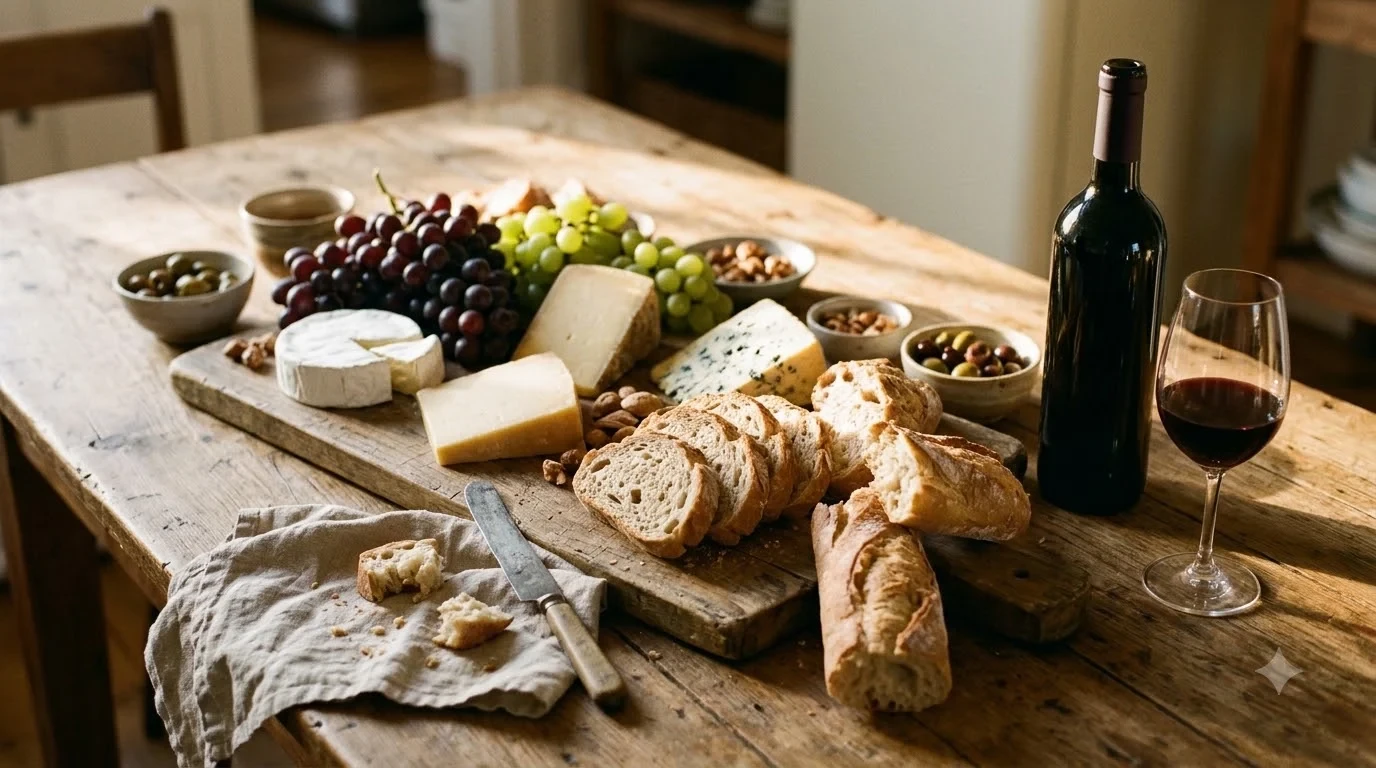
- Artisanal Cheeses: Soft-ripened triple-cream Brie, aged Gouda, and sharp white cheddar balance the ripe stone fruit character on a cheese board.
For casual gatherings, the wine even pairs surprisingly well with elevated comfort foods like gourmet grilled cheese sandwiches made with gruyere and caramelized onions. Much like full-flavored red blends such as 14 Hands Hot to Trot wine, this bottling is built for hearty, flavorful table fare rather than subtle, minimalist plates.
Who Suits This Style of Chardonnay?
The prisoner chardonnay suits wine drinkers who favor bold, expressive, barrel-aged California whites over lean, mineral-driven styles. Fans of The Prisoner Red Blend who want a white wine with comparable intensity, smooth texture, and immediate approachability will feel right at home.
Within the broader spectrum of Chardonnay, styles range from razor-sharp, steel-fermented Chablis to opulent, butter-and-oak Napa Valley classics. This bottling sits squarely in the plush, modern California camp, yet avoids becoming cloying thanks to cool-climate Carneros fruit and aromatic blending partners. Drinkers transitioning from red wines to whites often gravitate toward this style because its full body and warm oak spice provide a familiar sense of weight on the palate.
Conversely, anyone strictly seeking bone-dry, unoaked white wines—or alcohol-free alternatives like Ariel wine—will likely find the oak influence and 14.5% ABV too rich for everyday sipping. Knowing where this bottle sits on the stylistic spectrum makes it easy to pick the right occasion, whether hosting a dinner party or pouring a cozy weekend glass.
Frequently Asked Questions
Is The Prisoner Chardonnay sweet or dry?
The Prisoner Chardonnay is a dry white wine, though its ripe fruit flavors and oak aging can give an impression of richness. Notes of baked apple, vanilla, and toasted marshmallow come from ripe Carneros grapes and barrel aging rather than leftover residual sugar.
What is the alcohol content of The Prisoner Chardonnay?
The Prisoner Chardonnay is bottled at 14.5% alcohol by volume (ABV). This higher alcohol level contributes to the wine’s full body, plush mouthfeel, and warm, lingering finish.
Is The Prisoner Chardonnay aged in oak?
Yes, the wine undergoes oak aging, which imparts signature aromas and flavors of vanilla bean, toasted spice, and subtle crème brûlée. The winemaking team balances this barrel influence with bright natural acidity from cool-climate Carneros vineyards.
Does The Prisoner Chardonnay contain other grape varieties?
While Chardonnay makes up the vast majority of the blend, the winemakers include small percentages of Chenin Blanc and Roussanne. These supporting grapes add floral aromatics, citrus brightness, and mid-palate texture while keeping the wine legally classified as a varietal Chardonnay.
By pairing cool-climate Carneros fruit with signature barrel richness and aromatic blending partners, the prisoner chardonnay brings The Prisoner Wine Company’s bold identity to white wine. Serving it slightly chilled alongside rich poultry, seafood, or creamy dishes lets its layered orchard fruit and warm oak spice shine at the table.
More in Wine Brands
 Underwood Wine Price: Compare Bottles, Cans, and Pack SizesUpdated Nov 21, 2026
 Zenato Wine Price: Compare Styles and Choose the Right BottleUpdated Nov 21, 2026
 Zuccardi Wine Price: Compare Bottles and Find the Right RangeUpdated Nov 21, 2026
 Yellow Tail Moscato Review: Taste, Sweetness and Serving TipsUpdated Nov 21, 2026
 Wolf Blass Yellow Label Review: Choose Your Best StyleUpdated Nov 21, 2026
 Wolffer Estate Rose Review: Choose the Right Bottle for Your TableUpdated Nov 21, 2026