

We may earn a commission when you buy through links on this page, at no extra cost to you. Learn more.
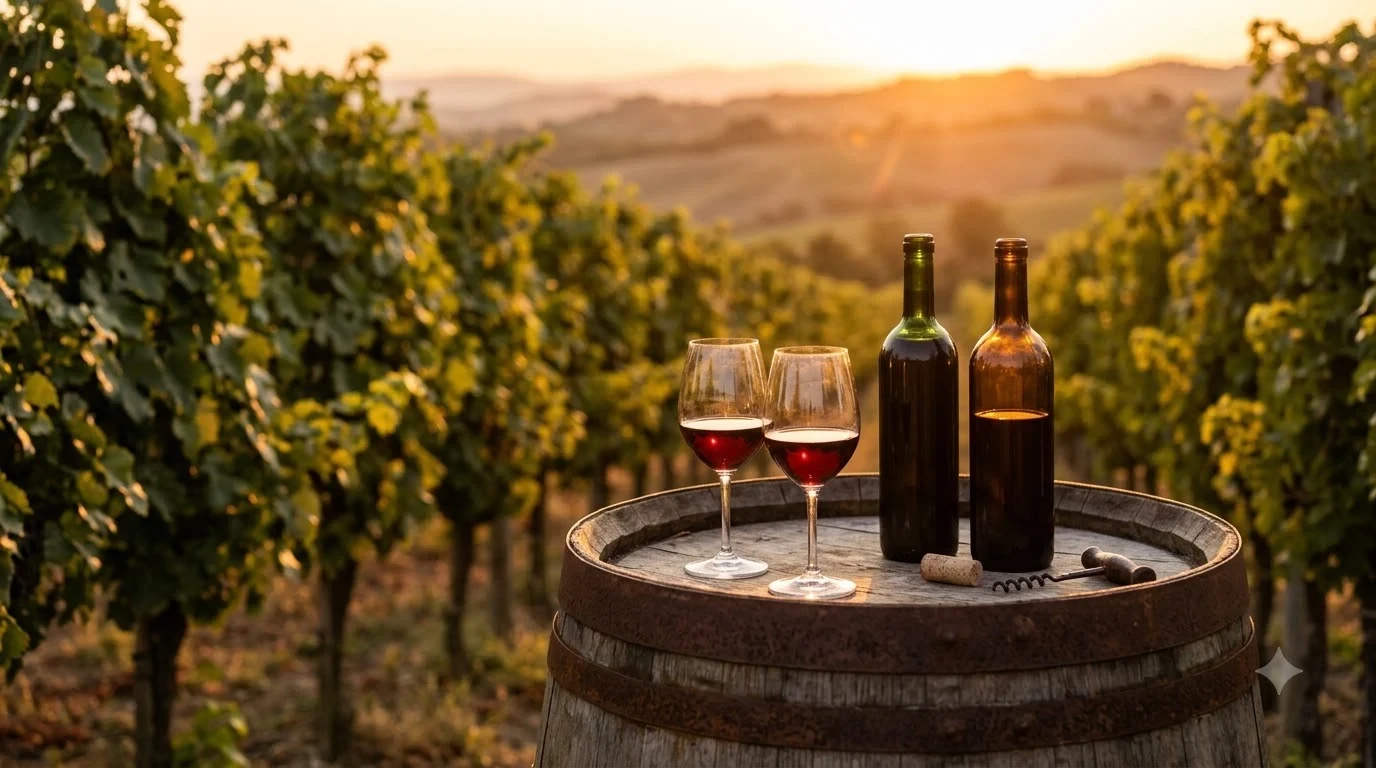
Colorado wine country is a group of high-elevation vineyards concentrated on the Western Slope of the Rocky Mountains, with most of the state’s grapes grown around Palisade and Grand Junction. According to the Wikivoyage travel guide, Colorado has some of the highest vineyards in the United States. The region is known for its cool nights, short growing season and cold-hardy grape choices.
This guide explains where Colorado’s wine regions are, which grapes grow well at altitude, and how climate and soil shape the wines. It also covers practical planning for a tasting trip, from timing your visit to choosing a base town.
What Is Colorado Wine Country?
Colorado wine country is best understood as a set of scattered wine areas rather than one single valley. Most of the state’s vineyards sit on the Western Slope, while a smaller number of wineries operate along the Front Range near Denver and Boulder. The sources do not agree on the exact number of wineries, so check a current state industry list before you plan a route.
The region appeals to visitors who want a relaxed trip. Tasting rooms often sit beside orchards, mountain passes and small historic towns. Wikivoyage describes the area as a one or two day outing that fits easily into a longer Colorado itinerary, especially for skiers or mountain bikers who want a slower day.
Wine has a long history here, though it was interrupted. The first recorded wine production dates to 1899, and a statewide ban on winemaking took hold before national Prohibition. The modern industry grew from small farm wineries after a 1977 state law created a permit for them. Many of today’s producers still operate on a small, limited-release scale.
Major Colorado Wine Regions
Two federally designated American Viticultural Areas anchor the state’s wine map: the Grand Valley AVA and the West Elks AVA. Other areas, including the Front Range and Pikes Peak corridor, have smaller wine scenes. Knowing the difference helps you decide where to spend your days.
| Area | Where it is | What stands out |
|---|---|---|
| Grand Valley AVA | Palisade and Grand Junction area | The center of the state’s industry, producing most of its grapes |
| West Elks AVA | Delta, Montrose, Paonia and Hotchkiss | Among the highest-elevation vineyards in the country |
| Front Range | Boulder, Denver, Fort Collins and Colorado Springs | Tasting rooms close to large cities |
| Four Corners | Near Cortez and Durango | Smaller, emerging vineyard area |
| Pikes Peak and Arkansas River Valley | Near Salida, Cañon City and Manitou Springs | Newer plantings in a cooler setting |
Palisade is the most visited town for wine lovers. The Wikivoyage guide notes that Palisade and Grand Junction produce most of the state’s grapes. For a broader look at how wine areas are organized, the Wine Regions section explains how regions and appellations work.
Grapes Grown in Colorado
Colorado growers focus mainly on European grape species. The Wikipedia entry on Colorado wine states that the most popular reds are Merlot, Cabernet Sauvignon, Syrah and Cabernet Franc. The most popular whites are Chardonnay, Riesling and Viognier.
Cold-hardy hybrids are also gaining ground. Varieties such as Chambourcin, La Crescent and Traminette are becoming more popular because they can better withstand harsh cold events that damage vines. Growers value these grapes because they help protect a harvest in a difficult winter.
The West Elks AVA is known for Riesling, Gewurztraminer and Pinot Noir, according to the Wikivoyage travel guide. Many Colorado vines are own-rooted rather than grafted, which growers believe helps the grapes express the original character of each variety. If you want to learn how a grape’s traits shape the glass, compare these with a few reference notes before your trip.
Climate, Elevation and Soils
Altitude is the defining feature of Colorado wine country. Most vines in the Grand Valley grow around 4,500 feet, while some Delta County vineyards sit close to 7,000 feet. At that height, sunlight is intense and nights are cool, which helps grapes keep their natural acids while building sugar.
The high desert climate also means dry conditions. Because the area is arid, grapes face fewer mildew and blight problems than in wetter wine regions. Irrigation from canals connected to the Colorado River supplies water to the vines. Winter cold is the bigger concern for growers, and the state’s climate experts point to cold snaps as the main threat to vines.
A Colorado State University climate study described the risk clearly. Sudden cold drops before vines have hardened off for winter can damage or kill plants, and events in 2009, 2013 and 2020 caused real problems for growers. The researchers also said that microclimates across the Western Slope make it hard to predict conditions for a single vineyard. Growers are encouraged to measure temperatures on their own land.
The soil here is described in the sources as a mix of sand and clay. Sand and clay drain easily, so vines do not sit in standing water. The sources do not describe the soil as volcanic, so avoid repeating that claim unless you find a geology source that supports it.
Planning a Colorado Wine Tasting Trip
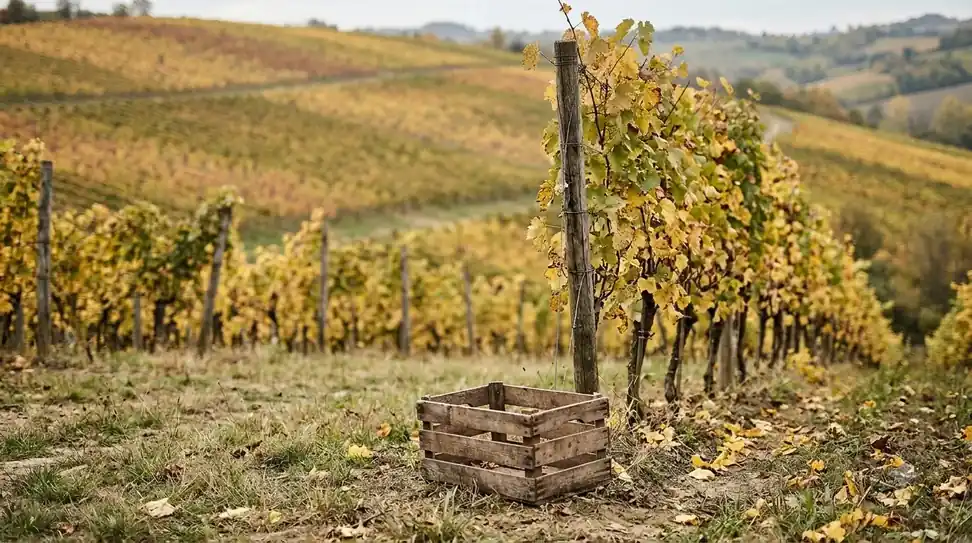
Plan your trip around the season. Late March is the time when fruit orchards begin to blossom, and spring tastings take place at many vineyards in April and May. Summer is the busiest period, with high season running through June, July and August. Autumn is mild, and September is harvest time.
September brings the Colorado Mountain Wine Fest in Palisade, which the Wikivoyage guide describes as a four-day event. Book lodging early, because rooms fill quickly during the festival. A bike event called Tour de Vineyards runs alongside it and links Palisade and Orchard Mesa wineries.
Winter is much quieter. The sources say the Grand Valley slows down from November through February, and many hotels offer lower rates. Many wineries and tasting rooms still stay open, but call ahead to confirm hours. Consider renting a car, since the wine areas are spread across long drives. The Wikivoyage guide lists airports in Denver and Grand Junction, plus regional airports near Aspen, Vail and Telluride.
When you plan, group wineries by town to save driving time. Pick a base in Palisade or Grand Junction for the Grand Valley, or Delta and Paonia for West Elks. Keep a designated driver or use a rideshare plan, and pace your tastings. Responsible drinking makes a long tasting day more enjoyable.
Pairing and Buying Colorado Wine
Colorado wines pair well with local food. The Wikivoyage guide mentions Palisade peaches and Colorado lamb at food and wine events. Crisp whites such as Riesling suit fresh fruit and light dishes, while Merlot and Syrah pair with grilled meats and roasted vegetables.
When buying, look for the Colorado Grown seal. Since 2005, Colorado law has required wines carrying that seal to use 100 percent Colorado grapes. Wines labeled Estate Bottled must come from a vineyard in an AVA and use only grapes from that area, according to the Wikivoyage guide.
Store bottles in a cool, dark place and avoid heat. Colorado’s dry air can be a benefit for the vineyards, but a warm room can damage a bottle at home. Many local wines are made in small batches, so buy what you enjoy when you find it. For a broader look at other areas, see the Uruguay wine country guide or the Arizona wine country page.
Frequently Asked Questions
Why are Colorado vineyards so high?
Colorado’s vineyards sit at high elevation in the Rocky Mountain region. Most grapes in the Grand Valley grow around 4,500 feet, and some Delta County vineyards are close to 7,000 feet. The altitude brings strong sunlight and cool nights.
What grapes are most common in Colorado?
The most popular reds include Merlot, Cabernet Sauvignon, Syrah and Cabernet Franc. The most common whites include Chardonnay, Riesling and Viognier. Cold-hardy hybrids like Chambourcin are also gaining ground.
When is the best time to visit Colorado wine country?
Spring and early autumn are popular choices. Spring tastings run in April and May, while September offers mild weather and the harvest season. Summer is the busiest time, so book lodging early.
What is the Colorado Grown seal?
The Colorado Grown seal appears on wines that must use 100 percent Colorado grapes. The rule took effect after a 2005 change to state labeling law. Check the label to confirm the origin of a bottle you want to buy.
Colorado wine country rewards visitors who plan around altitude, season and distance. Start with the Grand Valley for the most wineries, then add West Elks if you want higher vineyards and quieter roads. Take your time, and enjoy the region’s scenery and small-town character.
More in Wine Regions
 Willcox Wine Trail: Discover Arizona’s High-Elevation Wine CountryUpdated Nov 20, 2026
 Yakima Valley Wine Region: Find the Best Styles to TryUpdated Nov 20, 2026
 Vosne Romanee Wine Tasting: Identify Aromas and Choose Better PairingsUpdated Nov 20, 2026
 Yakima Valley Wine Festival: Find the Best Seasonal Wine EventsUpdated Nov 20, 2026
 Wales Vineyards: Discover Cool-Climate Wines and Where to VisitUpdated Nov 20, 2026
 Yountville Wine Festival: Discover Napa Wines and Local FoodUpdated Nov 20, 2026