

We may earn a commission when you buy through links on this page, at no extra cost to you. Learn more.
La crema white wine is a collection of cool-climate white wines produced by California winery La Crema, led by its flagship Sonoma Coast and Monterey Chardonnays alongside Pinot Gris, Sauvignon Blanc, and coastal single-vineyard bottlings. Founded in 1979 and owned by Jackson Family Wines since 1993, the winery focuses on coastal vineyards influenced by Pacific fog and ocean breezes across California and Oregon. Most bottles in the core white wine lineup fall around 13.5% to 13.6% ABV and emphasize bright acidity, orchard fruit, and balanced French oak.
Walking down the white wine aisle at almost any American grocery store or wine shop, you are likely to spot La Crema’s distinctive cream-and-gold label. Because the producer bottles several different white varieties across multiple coastal appellations, understanding how each label tastes, where the grapes grow, and how to serve them makes choosing the right bottle much easier.
Who Makes La Crema White Wine
La Crema is a Sonoma County winery founded in 1979 under the original name La Crema Vinera, a phrase translated from Latin as “the best of the vine,” and has been part of the family-owned Jackson Family Wines portfolio since 1993. From its headquarters in Windsor, California, the winery specializes in cool-climate Burgundian varieties, primarily Chardonnay and Pinot Noir.
According to Jackson Family Wines, Jess Stonestreet Jackson Jr. and Barbara Banke acquired La Crema in 1993 with a focus on coastal viticulture and vineyard-specific winemaking. Under their stewardship, the estate expanded beyond Sonoma County into other maritime-influenced growing regions along the Pacific Coast, while maintaining estate vineyards certified under sustainable farming programs.
In the cellar, winemaker Craig McAllister leads a program built around small-lot fermentation and French oak barrel aging. Rather than chasing heavy, overly sweet oak styles, the winemaking team aims to preserve natural coastal acidity while layering in subtle texture. That steady approach earned La Crema recognition from Wine Enthusiast as American Winery of the Year in 2024, following Wine Spectator naming the label Wine Value of the Year.
The Lineup of La Crema White Wines
While Chardonnay anchors the portfolio, la crema white wine spans four main categories: appellation Chardonnays, single-vineyard Chardonnays, Monterey Pinot Gris, and Sonoma County Sauvignon Blanc. The winery also produces limited-edition white blends and Oregon sparkling wines under the Brut and Blanc de Blancs designations.
The widest-distributed bottles are the appellation releases, led by Sonoma Coast Chardonnay and Monterey Chardonnay. Both sit at roughly 13.5% ABV and serve as the entry point to the brand’s house style. Alongside them, La Crema bottles a Monterey Pinot Gris at 13.6% ABV and a Sonoma County Sauvignon Blanc, giving drinkers crisp, aromatic alternatives to barrel-fermented Chardonnay.
At the higher tier, La Crema releases small-lot Chardonnays from individual appellations and historic vineyards. As listed on the official La Crema white wine catalog, these include Russian River Valley Chardonnay, Los Carneros Chardonnay, Anderson Valley Chardonnay, Oregon’s Willamette Valley Chardonnay, and vineyard-designated bottlings such as Saralee’s Vineyard, Kelli Ann Vineyard, Durell Vineyard, Tidal Break Vineyard, Jory Hills Vineyard, and Nine Barrel Chardonnay.
| Wine | Primary Grape | Key Region | Core Style |
|---|---|---|---|
| Sonoma Coast Chardonnay | Chardonnay | Sonoma Coast, CA | Medium-bodied, citrus and pear, subtle French oak |
| Monterey Chardonnay | Chardonnay | Monterey County, CA | Tropical fruit, peach, bright acidity, lighter oak feel |
| Russian River Valley Chardonnay | Chardonnay | Russian River Valley, CA | Richer texture, white peach, toasted brioche and spice |
| Monterey Pinot Gris | Pinot Gris | Monterey County, CA | Dry, crisp, nectarine, Bosc pear, wet stone minerality |
| Sonoma County Sauvignon Blanc | Sauvignon Blanc | Sonoma County, CA | Light-bodied, vibrant acidity, guava, passion fruit, melon |
| Willamette Valley Chardonnay | Chardonnay | Willamette Valley, OR | High-acid, lemon, key lime, white peach, restrained vanilla |
Shoppers exploring broader wine brands often notice that La Crema also produces sparkling and pink wines alongside its white lineup. If you enjoy the crisp acidity of the Monterey Pinot Gris, you can compare it with the winery’s still pink release in our guide to La Crema Rose, or contrast California coastal styles with Italian sparkling options like La Marca Rose.
Taste Profile and Winemaking Style
Across the lineup, la crema white wine is defined by cool-climate freshness paired with rounded texture, avoiding both lean, austere steel-tank sharpness and heavy, syrupy oak. Reviewers at Wine Spectator and retail tasting panels consistently describe the core Chardonnays as balancing crisp orchard fruit with subtle baking spice and creamy mouthfeel.
In the flagship Sonoma Coast Chardonnay, which typically ages around seven to nine months in French oak barrels, aromas of Meyer lemon, Gala apple, and white blossom lead into flavors of pear, yellow plum, and honeydew melon. Wine Spectator’s tasting notes for the 2024 Sonoma Coast vintage highlight fresh-cut Fuji apple and lemon sorbet accented by cardamom, ginger snap, and a hint of toasted brioche on the finish.
Monterey Chardonnay shifts the fruit spectrum slightly toward warmer tropical notes like guava, pineapple, and ripe peach, supported by lively lemon-zest acidity. Meanwhile, the Monterey Pinot Gris leans dry and mineral-driven, showing Bosc pear, nectarine, honeysuckle, and wet river stone, while the Sonoma County Sauvignon Blanc delivers brisk citrus, passion fruit, and honeydew melon without heavy oak influence.
Tip: If you normally avoid California Chardonnay because you dislike heavy butter and vanilla flavors, start with La Crema’s Monterey Pinot Gris or Willamette Valley Chardonnay, both of which emphasize bright citrus acidity over oak richness.
Where the Grapes Grow
La Crema sources its white wine grapes exclusively from cool, coastal and maritime-influenced appellations in California and Oregon rather than warm inland valleys. Cold Pacific Ocean currents, afternoon winds, and persistent morning fog slow down grape ripening, allowing fruit to develop complex aromatics while keeping natural acidity intact.
In California’s North Coast, the Sonoma Coast and Russian River Valley appellations form the backbone of La Crema’s Chardonnay program. Cooling fog rolls inland from the Pacific Ocean and through the Petaluma Gap, creating wide day-to-night temperature swings in soils like Russian River Valley’s well-drained Goldridge sandy loam.
Further south along the Central Coast, Monterey County experiences strong afternoon winds funneling down the Salinas Valley from Monterey Bay. That constant cooling breeze extends the growing season for Monterey Chardonnay and Pinot Gris, preserving crisp citrus tension alongside ripe stone fruit. In Oregon, La Crema sources Chardonnay from the Willamette Valley, where cool, wet winters and mild summers over volcanic and marine sedimentary soils produce high-acid, structured white wines.
How to Serve and Pair La Crema White Wine
Serving temperature plays a major role in how la crema white wine smells and tastes in the glass. According to La Crema’s Chardonnay serving guide, oak-aged Chardonnay shows its best balance slightly chilled between 50°F and 55°F, whereas crisper bottles like Pinot Gris and Sauvignon Blanc shine slightly colder, straight from the refrigerator.
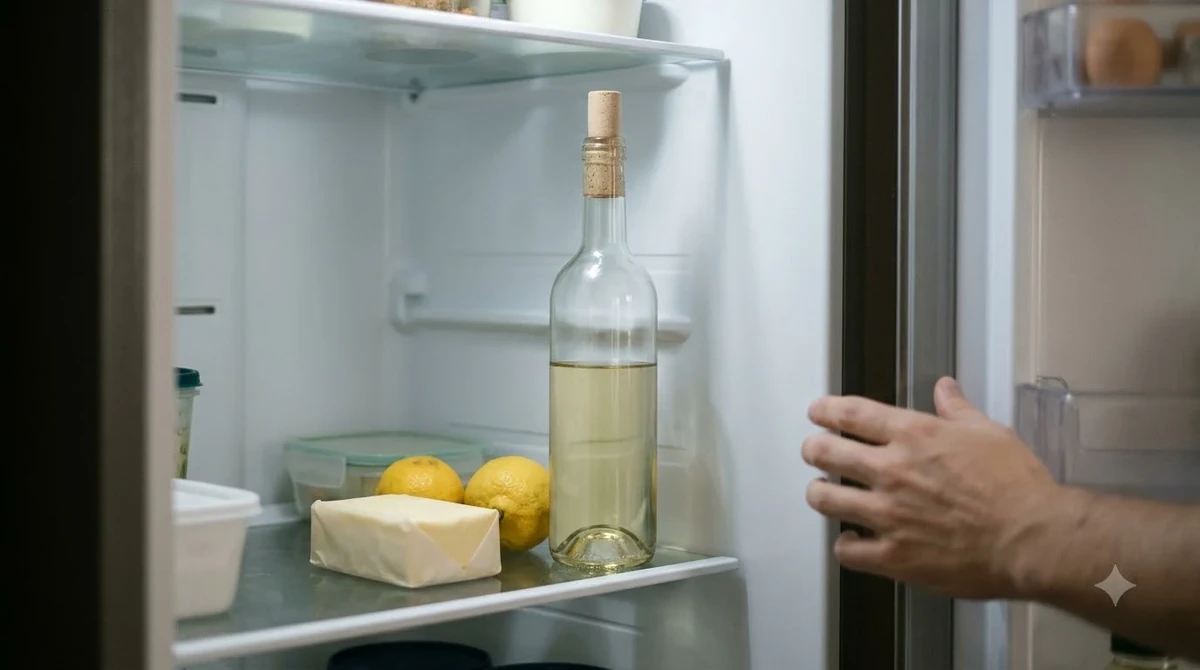
If a bottle of Sonoma Coast or Russian River Valley Chardonnay has been sitting in a standard kitchen refrigerator at around 38°F to 40°F, letting it rest on the counter for 10 to 15 minutes before pouring allows the Meyer lemon, pear, and subtle toasted oak aromatics to open up. Pouring into a white wine glass with a medium-to-large bowl gives those aromas room to gather, and decanting is unnecessary.
At the dinner table, the combination of brisk acidity and medium body makes these wines adaptable across many everyday dishes:
- Sonoma Coast and Russian River Valley Chardonnay: Pair with herb-roasted chicken, pan-seared scallops, wild mushroom risotto, lobster rolls, or soft-ripened cheeses such as Brie, Camembert, and young Gouda.
- Monterey Chardonnay: Works well alongside grilled shrimp, halibut with lemon butter, pork tenderloin with apple chutney, and creamy vegetable pastas.
- Monterey Pinot Gris: Complements ceviche, sushi, goat cheese salads, Thai-inspired dishes with mild spice, and fresh shellfish.
- Sonoma County Sauvignon Blanc: Matches oysters, grilled asparagus, herbed feta, and light vinaigrette-dressed greens.
Once opened, recork the bottle tightly and store it upright in the refrigerator. Most bottles retain fresh fruit and acidity for two to three days, especially if you remove excess air with a vacuum wine stopper. If you are planning a multi-course dinner that moves from crisp coastal whites into structured reds, a classic Spanish Rioja such as La Rioja Alta transitions naturally into roasted meats after a chilled glass of Chardonnay.
Who La Crema White Wine Suits Best
La Crema white wine suits drinkers who want an accessible, widely available coastal white that bridges the gap between crisp, unoaked European styles and richer California bottlings. Because the winery keeps alcohol moderate at roughly 13.5% ABV and tempers its French oak with bright coastal acidity, the wines feel polished without becoming heavy.
Everyday wine buyers looking for a dependable bottle for weeknight dinners, casual gatherings, or restaurant wine lists will find the Sonoma Coast Chardonnay, Monterey Chardonnay, and Monterey Pinot Gris consistent from vintage to vintage. At the same time, enthusiasts who enjoy exploring how microclimates change a single grape can compare La Crema’s Willamette Valley, Anderson Valley, Sonoma Coast, and Russian River Valley Chardonnays side by side.
On the other hand, drinkers who strictly prefer bone-dry, zero-oak Chablis-style whites may find the Russian River Valley and single-vineyard Chardonnays too round and creamy. For those palates, sticking to the Monterey Pinot Gris or Sonoma County Sauvignon Blanc within the lineup offers a much crisper, cleaner profile.
Frequently Asked Questions
Is La Crema white wine sweet or dry?
La Crema white wines are fermented dry, meaning they contain very little residual sugar. Ripe orchard and tropical fruit flavors combined with French oak aging can create a round, creamy impression on the palate, especially in the Chardonnays, but the wines finish clean and crisp rather than sweet.
What is the difference between La Crema Sonoma Coast and Monterey Chardonnay?
Sonoma Coast Chardonnay tends to show cooler-climate citrus, Gala apple, and pear notes layered with subtle toasted oak and spice from barrel aging. Monterey Chardonnay leans more toward tropical fruit and stone fruit flavors like pineapple, guava, and peach with bright lemon-zest acidity and a lighter oak footprint.
Does La Crema use oak barrels for its white wines?
Yes, La Crema ages its Chardonnays in French oak barrels—typically around seven to nine months for the Sonoma Coast bottling—to add subtle vanilla, spice, and creamy texture. By contrast, its Monterey Pinot Gris and Sonoma County Sauvignon Blanc are crafted to highlight pure fruit and crisp acidity without heavy oak influence.
How long does an opened bottle of La Crema white wine last?
When recorked and stored in the refrigerator, an opened bottle of La Crema white wine tastes freshest within the first 24 hours and holds its character well for two to three days. Using a vacuum pump stopper slows oxidation and helps preserve the bright citrus and orchard fruit aromatics.
Whether you reach for the widely available Sonoma Coast Chardonnay, the crisp Monterey Pinot Gris, or one of the winery’s single-vineyard bottlings, la crema white wine delivers a clear snapshot of cool-climate Pacific winemaking. Paying attention to the appellation on the front label and serving the bottle at the right chill will help you match the exact style to your palate and meal.
More in Wine Brands
 Underwood Wine Price: Compare Bottles, Cans, and Pack SizesUpdated Nov 21, 2026
 Zenato Wine Price: Compare Styles and Choose the Right BottleUpdated Nov 21, 2026
 Zuccardi Wine Price: Compare Bottles and Find the Right RangeUpdated Nov 21, 2026
 Yellow Tail Moscato Review: Taste, Sweetness and Serving TipsUpdated Nov 21, 2026
 Wolf Blass Yellow Label Review: Choose Your Best StyleUpdated Nov 21, 2026
 Wolffer Estate Rose Review: Choose the Right Bottle for Your TableUpdated Nov 21, 2026