


We may earn a commission when you buy through links on this page, at no extra cost to you. Learn more.
Learning how to use a Coravin means inserting a thin needle through the cork, pressing the trigger to pour a glass of wine, then removing the needle so the cork reseals. The device fills the bottle’s empty space with argon gas, which helps protect the wine that remains. The whole process takes only a few seconds per pour once you are comfortable with the steps.
This guide walks through the basic setup, the pouring method and the common habits that keep leftover wine in good shape. It also explains which wines suit the system and where the manufacturer’s instructions draw firm limits. Read the manual that came with your model before your first pour. Learning how to use a Coravin properly protects both your wine and your safety.
What Is a Coravin and How Does It Work?
A Coravin is a wine preservation system that lets you pour a glass without removing the cork. Its main parts are a handle, a capsule cup, a spout and a thin needle. The needle passes through the cork of a bottle with a natural cork, so the bottle stays sealed between pours.
Each pour uses a small capsule of argon, an inert gas that is heavier than air. The manufacturer says the gas blankets the remaining wine and helps slow oxidation. Once you release the trigger, the needle is withdrawn and the cork is allowed to reseal on its own.
What You Need Before You Start
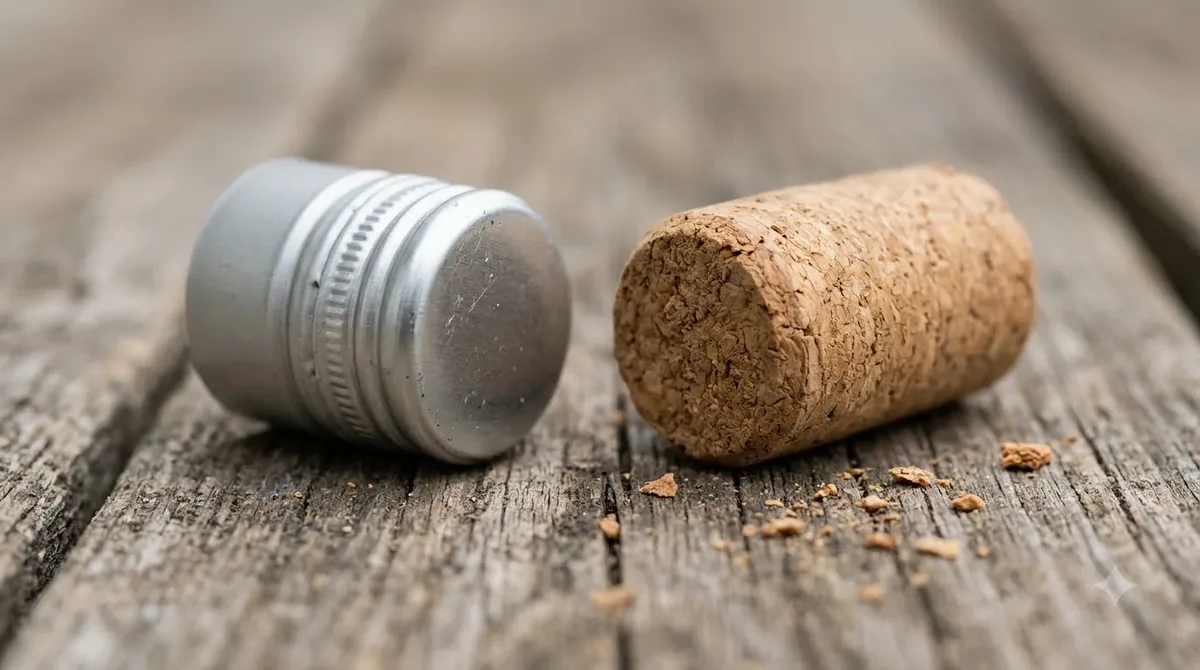
Gather the right equipment before you open anything. Most people need the system itself, Coravin Pure capsules that match their model, and a bottle with a natural cork or a compatible screw cap. Check the system’s packaging to confirm which accessories are included.
- The Coravin system for your model, with the needle fully tightened in place
- Official Coravin Pure capsules, which are filled with argon gas
- A bottle with natural cork, or a Coravin screw cap for screw-top bottles
- A clean, dry cloth for wiping the spout and cork top
- A wine glass and a flat surface where you can set the bottle down
Capsules are the part of the system you will replace most often. The manufacturer says its Coravin Pure capsules are made of recyclable materials, though you should follow your local rules for disposal. Do not reuse a capsule or substitute a different gas. For more background on wine terms you may see on labels, the Wine Q&A section covers many common questions.
Step-by-Step: How to Pour a Glass with Coravin
The pouring method is simple once you practice it. Work slowly on your first bottle and keep the spout over the glass at all times. The steps below follow the general sequence in the SmartClamps user guide from Coravin, so check your own model’s instructions for exact details.
- Confirm the capsule is installed and the needle is tight. Check that the clamp is in the down position before you start.
- Align the clamps over the bottle neck and push the handle down firmly in one smooth motion until the needle passes through the cork.
- Hold the bottle in one hand and the handle in the other. Tilt the bottle so the spout is over the glass and the base of the bottle sits higher than the spout.
- Press and release the trigger quickly. The wine flows while the trigger is released, so repeat short presses until you have the amount you want.
- To stop the pour, return the bottle upright while keeping the spout above the glass. A brief hissing sound is normal as leftover gas escapes.
- Lift the system straight up and off the bottle in one motion. Rinse the spout before you store it, and store the bottle on its side in a cool, stable place.
Short, controlled presses use less gas than holding the trigger down. The manufacturer advises pressing the trigger quickly while pouring and repeating only when the flow slows. If you hear a large release of gas when you stand the bottle up, you likely used more argon than the pour needed.
Which Wines Work Best and How Long They Last
The system works best with still wines that have natural corks, and it is designed to be used this way. Sparkling wines need a different product, and the manufacturer is clear that the sparkling system must never be used on still wines. Matching the system to the bottle is the most important decision you will make.
| Situation | What the manufacturer says |
|---|---|
| Still wine with a natural cork | Use the needle system, which the Timeless guide describes as the standard method |
| Still wine with a screw cap | Use a Coravin screw cap designed for the system |
| Sparkling wine such as champagne, prosecco or cava | Use only the Coravin Sparkling system and its sparkling capsules |
| Table wine you want to keep for weeks | The Pivot model stores wine with a stopper rather than a needle, and the brand says it can preserve table wine for up to four weeks |
| Bottle with a plastic or deteriorated cork | Stop using the needle on that bottle and pull the cork instead |
For needle systems, the wine left in the bottle is protected while the cork reseals. Cold or older corks can take longer to reseal, and the guide notes that a cork that keeps dripping after several minutes may be synthetic. Wines that you plan to finish within a day or two are often the simplest to manage. If you want to compare how other wine habits fit into your routine, the article on what vintage means on a wine label can help you read bottles more confidently.
Common Mistakes to Avoid
Most problems come from a few predictable habits. Knowing them ahead of time saves wine and keeps the system working properly. Review these points before you start pouring from a new bottle.
The first mistake is using the sparkling system on a still wine. The manufacturer warns that bottles may burst and cause serious injury, so this is a firm rule. Keep the two systems clearly separated in your kitchen or cellar.
The second mistake is unscrewing the capsule cup before the capsule is empty. The guide says this releases the remaining gas quickly and wastes it. Press the trigger briefly to check for gas before you remove anything.
The third mistake is holding the trigger down for long periods. This uses gas quickly, so the capsule runs out sooner. Pour in short bursts and pull the cork when you know you will finish the bottle that day. Pouring from the last part of a bottle takes more gas, so the final glasses may cost you more capsules than the first ones did.
Is a Coravin Worth the Cost?
Whether a Coravin is worth buying depends on how you drink. The system makes the most sense if you want a single glass from a good bottle without finishing the whole thing. It is less useful if you usually open a bottle and drink it with friends the same night.
Think about the running cost of capsules as well as the purchase price of the system. The Timeless guide says an average capsule pours about fifteen 5-ounce glasses, though results vary with wine and technique. Check current prices on the manufacturer’s site, since costs change over time. If you want to estimate your own pour sizes, the piece on how many carbs are in a glass of wine shows typical serving sizes you can use as a reference.
Frequently Asked Questions
Can I use a Coravin on any bottle of wine?
The needle systems are designed for bottles with natural corks or Coravin screw caps. Sparkling wines need the separate sparkling system, and still wines must never be used with it. Check the label and closure before you start, and follow the manufacturer’s safety notes.
Does pouring with a Coravin ruin the wine in the bottle?
The manufacturer says argon fills the space left in the bottle and helps protect the remaining wine. Wine quality still depends on many factors, including the bottle’s age and storage. Store leftover bottles on their side in a stable, cool place.
Why does my Coravin hiss after I pour?
A short hiss is normal when you return the bottle upright, because leftover gas escapes. A large release of gas usually means you used more argon than the pour needed. Try shorter, quicker trigger presses on your next glass.
What should I do if the wine will not pour?
Make sure the trigger was pressed and released, the bottle is tilted enough, and the needle is fully through the cork. A worn needle or an empty capsule can also cause the problem. The troubleshooting section of your model’s guide lists the most common fixes.
Learning how to use a Coravin takes a few practice pours, and the steps become quick with time. Start with a bottle you already know, keep the trigger presses short and follow the safety rules for your model. Once the routine feels natural, you can decide which bottles deserve a second glass.
More in Wine Basics
 Which Rose Is Best for Your Taste, Budget, and Food PairingsUpdated Nov 21, 2026
 Is Cheap Wine Bad? How to Find Bottles Worth DrinkingUpdated Nov 21, 2026
 What To Write On A Wine Gift Tag: Thoughtful Messages For Every OccasionUpdated Nov 21, 2026
 Which Wine Is Best For Weight Loss? Compare Lower-Calorie ChoicesUpdated Nov 21, 2026
 What Is The Best Wine For Mimosas? Choose Bubbly That Balances Orange JuiceUpdated Nov 20, 2026
 Which Prosecco Is Best for Your Taste and OccasionUpdated Nov 20, 2026