

We may earn a commission when you buy through links on this page, at no extra cost to you. Learn more.
Cooking with dry red wine adds depth, acidity, and savory richness to braises, sauces, and stews. The best choice is a red you would also enjoy drinking, since its flavor concentrates as the liquid reduces. Dry reds with medium-high tannin and acidity, such as a Cabernet Sauvignon, hold up well in long cooking, and the alcohol softens as the dish simmers.
This guide explains how to choose a dry red for cooking, how the alcohol changes with heat, which dishes benefit most, and how to avoid common mistakes. If you already cook with white wine and want to bring the same method to red dishes, the principles are similar, but the results are richer.
Why Dry Red Wine Works in Cooking
A dry red brings three things to a dish. Its acidity brightens rich ingredients, its tannin adds structure that stands up to fatty meat, and its fruit deepens into savory notes as it reduces. Those qualities are why red wine is a staple in classic braises and sauces.
Wine Folly’s Cabernet Sauvignon guide describes the variety as having medium-high tannins and medium-high acidity, with an alcohol level of 13.5 to 15 percent. Those are the traits that make a dry red useful in the pot, since the acid and tannin shape the sauce rather than simply adding color.
Choosing the Right Bottle
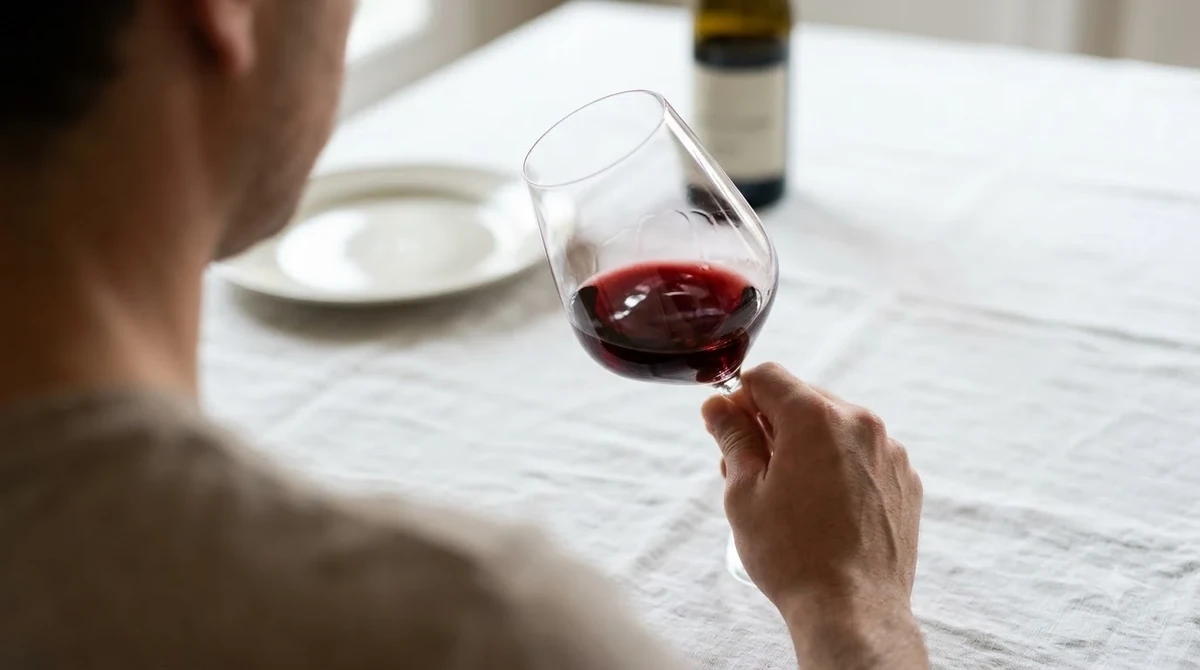
The general rule is to cook with a wine you would happily drink. Cooking wine is an inexpensive product meant for the kitchen, and it usually contains added salt as a preservative. According to the Wikipedia overview of cooking wine, many professional chefs avoid it because they believe the salt lowers the quality of the food, and they recommend a modestly priced drinking wine instead.
A good choice is a dry, medium-bodied red with clear fruit and balanced acidity. Avoid bottles that taste flat, oxidized, or sweet, because those flaws become more obvious once the liquid reduces. If you are unsure, pick a red that fits the dish: a lighter red for a delicate sauce, a bolder red for a beef or lamb stew.
| Dish style | Red wine style to consider |
|---|---|
| Beef or lamb braise | Medium-full dry red with firm tannin |
| Tomato sauce or ragu | Dry, fruity red with bright acidity |
| Mushroom or pan sauce | Medium-bodied dry red that is not too oaky |
| Poultry in red wine | Lighter, fruit-forward dry red |
What Happens to the Alcohol
Many people assume that cooking removes all of a wine’s alcohol, but that is not what happens. Heat drives off a portion of the alcohol over time, and the amount that remains depends on the method and the length of cooking. A quick deglaze keeps more alcohol in the pan than a long simmer or a slow braise. The Wikipedia overview does not give exact percentages for how much alcohol survives each method, so it is better to think about the effect in general terms.
The practical point is that a long simmer concentrates the flavor and reduces the alcohol more than a quick finish. Reducing a sauce until it thickens is one way to deepen the wine’s character while letting the heat work on the alcohol.
How to Reduce Red Wine Well
Reducing the wine is the step that turns a glass into a sauce. Pour the wine into a hot pan after you brown the meat or sear the aromatics, and scrape up the browned bits. Then let it bubble until the liquid is noticeably smaller and thicker. That step concentrates the fruit and makes the sauce glossy.
Keep the heat moderate so the wine does not burn. If you add broth or stock, wait until the wine has reduced by about half before adding the rest of the liquid, so the flavor stays focused rather than watery.
Dishes That Work Best
Red wine suits dishes that have enough fat, salt, and time to absorb it. Braised short ribs, beef bourguignon, lamb shanks, and mushroom ragu are classic examples. The wine also adds richness to a simple pan sauce for steak or roast chicken.
Wine Folly’s Cabernet Sauvignon guide describes the variety as a partner for grilled meats, peppery sauces, and boldly flavored dishes. Those same qualities make a bold red a useful base for a sauce that needs structure. For a lighter white-wine comparison, see the cooking with dry white wine guide, which covers a different set of pan sauces and seafood dishes. If you cook with a crisp white more often, the cooking with pinot grigio and cooking with sauvignon blanc pages show how those styles behave in the pan.
Common Mistakes When Cooking With Red Wine
The most common mistake is using a wine that tastes sour or flat, because the flaw will stay in the sauce. Another is adding too much wine too early, which can make a stew taste sharp before the other flavors have developed. A third is boiling the wine hard, which can make it taste harsh rather than rounded.
Oaky reds can also dominate a delicate dish. If the wine has strong vanilla or toast notes, the final sauce may taste heavy. Save those bottles for a hearty braise, and choose a lighter red for a dish with more subtle flavors.
Storing Leftover Wine for Cooking
An opened bottle does not have to go to waste. If you plan to cook with the rest of it within a few days, recork it tightly and keep it in a cool place away from direct light. Wine that has started to turn sharp or vinegary is better left out of the pot, because the flavor will only grow stronger as the sauce reduces.
Some cooks freeze leftover wine in small portions, such as an ice cube tray, so they can add a splash to a pan sauce or stew without opening a new bottle. That habit keeps the red wine ready for the next recipe and helps you avoid pouring a full glass into a dish that needs only a few tablespoons.
Frequently Asked Questions
Can I cook with any dry red wine?
You can, but the result depends on the wine. A drinkable, balanced red gives the best flavor. Very sweet or flawed wines are a poor choice, since the faults concentrate as the liquid reduces.
Is cooking wine better than regular wine?
Usually not. Cooking wine often contains added salt, and many professional chefs prefer a modestly priced wine they would also drink. The drinking wine gives cleaner flavor and better balance in the finished dish.
Does all the alcohol cook out of red wine?
No. Heat reduces the alcohol, but some remains. The amount depends on the cooking method and the length of time, so a long braise removes more than a quick pan sauce.
What if I do not have red wine for a recipe?
A dry red is the best substitute for a red-wine recipe. Broth with a small splash of vinegar can add some acidity, but it will not match the depth of a real wine. For a lighter dish, a dry white wine may suit better.
Cooking with dry red wine is simple once you know the basics. Choose a bottle you would drink, reduce it slowly, and match it to a dish with enough richness to carry it. Keep those three habits in mind, and red wine becomes one of the most reliable tools in your kitchen. For a broader view of how wine styles fit into a meal, the Wine by Type guide is a useful next step.
Once you have cooked with red wine a few times, you will start to notice how each bottle changes a sauce. That experience is the best teacher, and it helps you choose the right wine for each dish without needing a recipe to tell you.
More in Wine Types & Grapes
 Zinfandel Sugar Content: Dry Red vs. White Zinfandel GramsUpdated Nov 21, 2026
 Best Zinfandel Substitute Options for Sipping and CookingUpdated Nov 21, 2026
 Zweigelt Food Pairing: Best Dishes, Cheeses, and Serving TipsUpdated Nov 21, 2026
 Zinfandel Tannins Explained: How Structure Shapes Every BottleUpdated Nov 21, 2026
 Zinfandel Sweetness Level: Dry Red vs. Sweet White Zin ExplainedUpdated Nov 21, 2026
 Xinomavro Food Pairing: Best Dishes, Styles, and Serving TipsUpdated Nov 21, 2026