

We may earn a commission when you buy through links on this page, at no extra cost to you. Learn more.
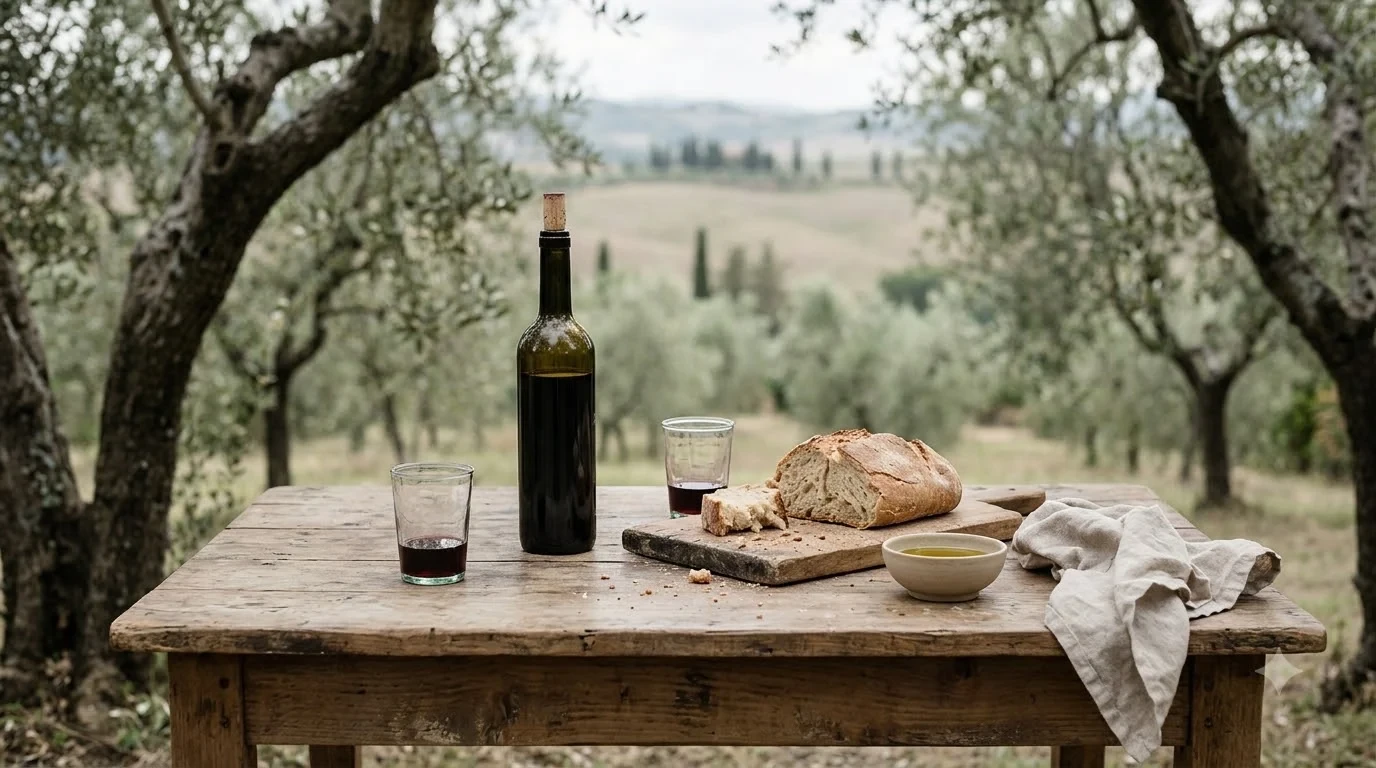
Tuscany wine is made in the central Italian region around Florence and Siena, and it is best known for Sangiovese-based reds such as Chianti Classico, Brunello di Montalcino, and Vino Nobile di Montepulciano. The region also makes white wines and the coastal “super Tuscan” blends that mix local and international grapes. Most bottles share a bright acidity and savory, herbal character that pairs easily with food.
This guide walks through the main wine zones of Tuscany, the grapes behind them, how the wines are labeled, and how to choose and serve a bottle at home. It is written for shoppers who see Italian labels for the first time and want a clear starting point.
Where Tuscany sits in Italian wine
Tuscany is one of the best-known wine regions in Italy, and its reputation rests on a few long-established zones rather than one large area. The Chianti Classico zone, for example, covers a wide belt of hills between Florence and Siena. According to the Chianti Classico Consortium, the zone covers 71,800 hectares and includes the municipalities of Castellina, Gaiole, Greve, and Radda in Chianti, plus parts of several others. The consortium also traces the origins of the Chianti Classico name to Radda in Chianti in 1924, which makes it one of the oldest wine consortiums in Italy.
Outside the Chianti hills, Montalcino to the south is famous for Brunello, and Montepulciano to the east produces Vino Nobile. Along the coast, zones such as Bolgheri gained fame for blends built around international varieties. Each area has its own rules, grapes, and price range, so it helps to know the zone before you buy. For a wider look at the country, the Italy wine guide covers the other major regions.
The grapes behind Tuscan wine
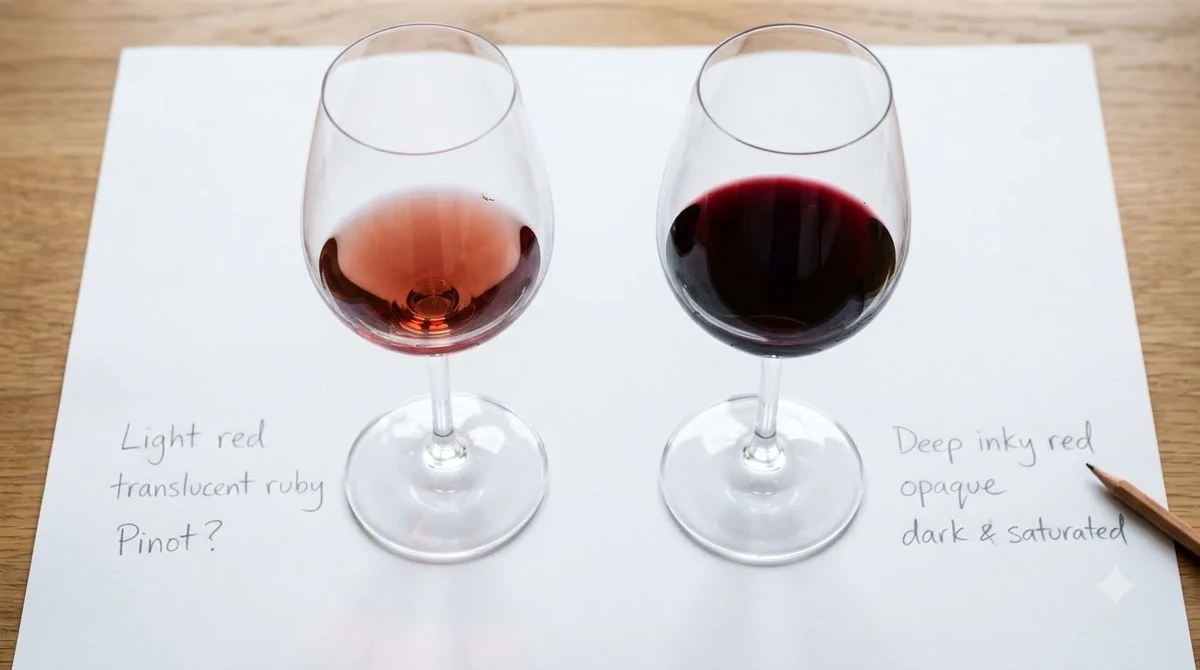
Sangiovese is the backbone of most red wines in Tuscany. It is a thin-skinned grape that gives medium-bodied wines with cherry, plum, and dried herb notes, along with firm tannins and high acidity. Producers in each zone shape it differently, from the lighter, fresher Chianti Classico to the denser, longer-aging Brunello.
Beyond Sangiovese, Tuscany grows Canaiolo, Merlot, Cabernet Sauvignon, and Cabernet Franc, and it makes white wines from Vermentino and Trebbiano. Many of the coastal reds use these international varieties, either alone or blended with Sangiovese. The table below gives a quick overview of the main styles you will see on a Tuscan label.
| Style | Main grape | Typical character | Good with |
|---|---|---|---|
| Chianti Classico | Sangiovese | Bright cherry, herbs, fresh acidity, medium body | Tomato pasta, grilled meats, hard cheeses |
| Brunello di Montalcino | Sangiovese (Brunello) | Dense dark fruit, leather, firm structure, long aging | Braised beef, aged cheese, game |
| Vino Nobile di Montepulciano | Sangiovese-based | Red fruit, soft tannins, earthy notes | Roast pork, mushroom dishes, pecorino |
| Super Tuscan | Sangiovese with Cabernet or Merlot | Rich, ripe fruit, oak influence, plush texture | Steak, roast lamb, rich pasta |
| Vermentino | Vermentino | Crisp, citrus, saline finish | Seafood, salads, light pasta |
Tip: On a Chianti Classico bottle, look for the black rooster seal on the bottle. It marks the wine as produced under the consortium’s rules, which is a quick check on origin.
How to read a Tuscan label
Italian labels can look dense, but a few terms do most of the work. The zone name tells you where the grapes grew. Designations such as DOC and DOCG set rules for permitted grapes and production. Words like “Riserva” usually mean the wine was aged longer before release, and “Gran Selezione” is a higher tier used by Chianti Classico producers. The consortium’s awards listings use the terms Annata, Riserva, and Gran Selezione for its wines.
Vintage matters too. Warm years can give fuller, riper wines, while cooler years tend to produce brighter, leaner bottles. Because Tuscany’s hills vary in altitude and exposure, two wines from the same zone can taste quite different. A good retailer can tell you which vintage is currently sold and how it tends to taste.
You will also see labels marked IGT, which stands for Indicazione Geografica Tipica. This is a looser geographic category that covers many coastal and experimental wines. It gives producers more freedom with grape choice and winemaking, which is why many of the best-known super Tuscans carry this designation instead of a stricter DOC or DOCG. An IGT label does not signal lower quality on its own. It tells you the bottle follows fewer style rules, so the producer’s name and vintage matter more when you choose.
Serving and pairing Tuscan wine
Most Tuscan reds show best when they are served slightly below room temperature and given a few minutes in the glass to open up. A medium-sized glass with a wide bowl helps the aromas come through. Bigger, more structured wines such as Brunello may benefit from a short decant, especially if they are young.
Food pairing is where Tuscan wine shines. Sangiovese’s acidity and tannin cut through tomato sauce, olive oil, and grilled meat, which is why it became a classic partner for Tuscan cooking. Vermentino suits fish and light vegetable dishes. For a simple meal, pick a Chianti Classico with a tomato pasta and a salad, and you have a classic pairing that works without fuss.
Buying and storing Tuscan wine
Start with a bottle from a known zone and producer, and compare two or three styles before you commit to a case. Chianti Classico is often the easiest entry point because the range is wide and the bottles are widely available. Brunello and the more expensive super Tuscans are usually better kept for a special meal or a few years of cellaring, since their structure softens with time.
Tuscan wines also work well for gifts and restaurant orders. A bottle of Chianti Classico is a safe choice when you are unsure of a guest’s taste, because its acidity and moderate body suit many dishes. For a restaurant order, ask the server which Sangiovese the kitchen pours by the glass, since house pours often reveal the style a restaurant prefers. If you enjoy comparing bottles, buy one Chianti Classico and one Brunello from the same vintage to see how the zone changes the same grape.
Store bottles on their side in a cool, dark place with steady temperature. Avoid heat and light, and drink younger wines within a few years of release. Older bottles should be checked before serving, because corks can dry out over long periods.
Tuscany wine is a good place to build a working knowledge of Italian labels. Start with one Chianti Classico, compare it with a Brunello, and taste a coastal blend next to both. Once you know how the Sangiovese changes from zone to zone, the rest of the regional list becomes much easier to read, and you can explore the Tuscany wineries guide when you want to see the producers behind the bottles.
Frequently Asked Questions
What is the most common grape in Tuscan wine?
Sangiovese is the most important red grape in Tuscany and forms the base of Chianti Classico, Brunello di Montalcino, and Vino Nobile di Montepulciano. Many coastal blends also use it alongside international varieties.
What is the difference between Chianti and Chianti Classico?
Chianti Classico comes from the historic heart of the Chianti zone, and it follows stricter production rules than the wider Chianti area. The black rooster seal on the bottle marks wines made under the Chianti Classico consortium.
Are Tuscan wines always red?
No. Red wines dominate, but Tuscany also produces white wines, including Vermentino and Trebbiano, and some rosé. Reds are the region’s best-known style, especially Sangiovese-based wines.
How should a beginner choose a Tuscan wine?
Start with a Chianti Classico from a known producer, since it shows the Sangiovese character clearly and is widely sold. Try a coastal blend later to compare the international-grape style with the classic Tuscan profile.
Tuscany offers a wide range of wines, and most of them share a clear sense of place. Once you know the main zones and the Sangiovese grape, a Tuscan label becomes easier to read, and every bottle tells you a little more about the hills it came from.
More in Wine Regions
 Willcox Wine Trail: Discover Arizona’s High-Elevation Wine CountryUpdated Nov 20, 2026
 Yakima Valley Wine Region: Find the Best Styles to TryUpdated Nov 20, 2026
 Vosne Romanee Wine Tasting: Identify Aromas and Choose Better PairingsUpdated Nov 20, 2026
 Yakima Valley Wine Festival: Find the Best Seasonal Wine EventsUpdated Nov 20, 2026
 Wales Vineyards: Discover Cool-Climate Wines and Where to VisitUpdated Nov 20, 2026
 Yountville Wine Festival: Discover Napa Wines and Local FoodUpdated Nov 20, 2026