

We may earn a commission when you buy through links on this page, at no extra cost to you. Learn more.
Tuscany wineries are spread across its hills, and the most visited are in the Chianti Classico zone between Florence and Siena, around Montalcino, and around Montepulciano. Each area has its own estates, grapes, and tasting etiquette. Booking ahead, choosing a few zones instead of many, and asking about the winery’s own wines are the three habits that make a Tuscan wine trip easier.
This guide explains which Tuscan wine areas are worth a visit, how the producers differ, what to expect at a tasting, and how to plan a route without wasting a day on the road. It is written for travelers and home buyers who want to know where a Tuscan bottle comes from and whether the estate is worth a stop.
Which Tuscan wine areas have the most wineries
The Chianti Classico zone is the largest and most visited wine area in central Tuscany. According to the Chianti Classico Consortium, the territory covers 71,800 hectares, with Siena and Florence as its two capitals. It includes the whole municipalities of Castellina, Gaiole, Greve, and Radda in Chianti, plus parts of several neighboring towns. Because the zone is so large, a visit usually means choosing one or two villages rather than trying to see everything.
South of Siena, Montalcino is the home of Brunello, and its wineries sit on steep, dry hills with a smaller footprint than Chianti. Montepulciano to the east has its own cluster of estates making Vino Nobile. Along the coast, the Bolgheri area is where many well-known super Tuscan blends are produced, and its estates tend to be spread out, so a car is almost essential. For a broader view of wine tourism, the Wine Regions guide compares these areas with other growing regions.
What to expect at a Tuscan winery
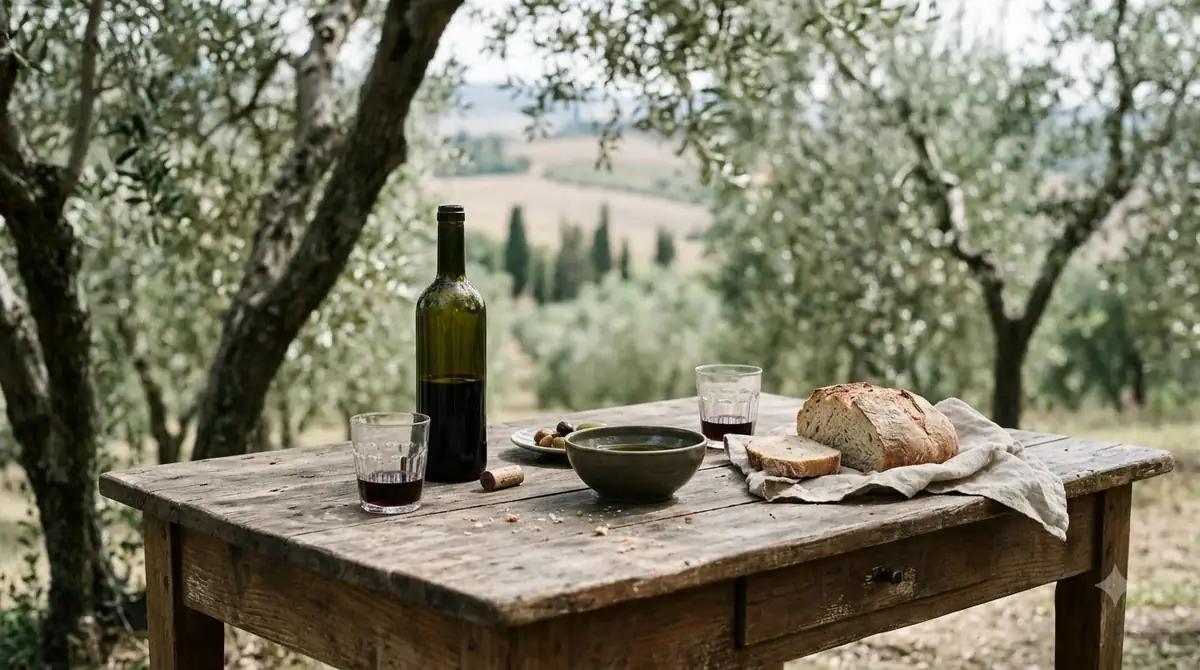
Tuscan wineries range from small family estates to large operations with restaurants, guided cellar tours, and shops. Many of the smaller estates run tastings by appointment, and some are closed to the public except for small groups. Larger estates often offer structured tastings with several wines, sometimes paired with local cheese, cured meats, or olive oil. Expect the tasting to be a guided conversation rather than a quick pour at a bar.
Chianti Classico producers in particular have a shared identity. The consortium describes the Gallo Nero, or Black Rooster, as the emblem of regional identity, and many estates display it on their labels or their signage. Spotting the emblem is a simple way to confirm that a wine follows the zone’s production rules. Estates outside the consortium may still make good wine, but they are not bound by the same rules.
Planning a route through the Chianti Classico zone
Because the zone is large, the best routes are built around a few villages. Greve in Chianti is a common base, with its shops and central square, and it puts several estates within an easy drive. Radda and Gaiole suit visitors who want a quieter pace and fewer crowds. Castellina works well for visitors who plan to stay a few nights and move between estates on different days.
Plan two or three tastings per day at most. Tasting several wines at each stop adds up quickly, and driving on country roads takes longer than the map suggests. A driver, a taxi, or a booked tour is the safer choice for anyone who wants to taste widely. The Tuscany wine guide covers the styles you are likely to taste so you can choose the estates that match your preferences.
| Area | Main wine | Visiting style | Good for |
|---|---|---|---|
| Chianti Classico | Sangiovese-based reds | Many estates, small and large, some by appointment | First-time visitors and mixed tastings |
| Montalcino | Brunello di Montalcino | Smaller estates, dry hills, booked tastings | Visitors focused on aged reds |
| Montepulciano | Vino Nobile di Montepulciano | Medium-sized estates, scenic drives | Visitors who want a quieter trip |
| Bolgheri | Coastal blends and super Tuscans | Spread-out estates, car needed | Visitors interested in international-style blends |
Tip: Ask about a winery’s small-production bottles during a tasting. Those are often sold only at the estate, and they usually say more about the producer than the standard label does.
Tasting formats differ from estate to estate. A standard flight might include three to five wines poured in a tasting room, while a seated visit can include a longer walk through the vineyard, a cellar visit, and a paired plate of local food. Ask in advance which format is offered and what it costs, because prices and inclusions vary widely across the region. If you plan to buy bottles, check whether the estate ships to your home country before you pack, since shipping rules for wine change often.
Events and seasonal timing
Timing changes the experience. The harvest in the Chianti Classico zone runs from the first half of September to the second half of October, depending on vineyard location and altitude. Visiting during harvest lets you see the vineyards at work, though some estates limit tours during their busiest weeks. Spring and early autumn are often the easiest months for booking tastings.
Wine events are also worth checking. The consortium runs a Chianti Classico Collection in Florence each winter and a large Degustavino tasting in the city in the autumn, which brings together more than 30 wineries and 90 wines in one venue. These events are a practical way to taste many estates in a single afternoon before you choose which ones to visit in the countryside.
Travel logistics matter as much as the wine. Plan your route so that the first tasting starts late morning, when the estate team is fresh and the roads are quiet. Leave time for lunch between stops, and avoid scheduling a long drive right after a heavy tasting. Many visitors find that two estates in one afternoon, with a relaxed meal in between, gives a better sense of the area than five rushed stops.
How to choose which wineries to visit
Start with what you already like. If you enjoy bright, fresh reds, look for Chianti Classico estates that focus on younger wines. If you prefer deep, structured bottles, plan a stop in Montalcino. Read the estate’s own description of its wines and ask what the winemaker prefers to drink. Those answers usually guide you to the right bottles faster than a long list of ratings.
Consider the rest of your trip, too. Some estates offer lodging, cooking classes, or olive oil tastings, which can make a half-day visit more enjoyable. If you are also comparing wine trips in other places, the sancerre wineries guide shows how a Loire trip differs from a Tuscan one, and the bordeaux wineries guide covers the château-style visits common in France. Comparing a few regions helps you decide what kind of visit suits you best.
Frequently Asked Questions
Do I need to book tastings at Tuscan wineries?
Many estates, especially smaller ones, run tastings by appointment only. Booking ahead is the safest approach, particularly in spring, early autumn, and during harvest, when demand is highest.
Which area is best for a first Tuscan wine visit?
Chianti Classico is the usual choice for a first visit because it has many estates within a short drive of Florence and Siena, and it offers a wide range of styles and tasting formats.
Is a car necessary for visiting Tuscan wineries?
A car gives the most flexibility, especially in Chianti Classico and Bolgheri, where estates are spread out. A driver, taxi, or guided tour is a good alternative if you plan to taste several wines in one day.
What is the Gallo Nero on a Tuscan label?
The Gallo Nero, or Black Rooster, is the emblem used by Chianti Classico producers. Its presence signals that the wine is made under the zone’s consortium rules, which is a useful check on origin.
Tuscan wineries reward a planned visit. Pick one or two zones, book the estates you care about, and let the winemaker’s own bottles guide the rest. A single well-chosen afternoon in the hills often teaches more about Tuscan wine than a week of quick stops.
More in Wine Regions
 Willcox Wine Trail: Discover Arizona’s High-Elevation Wine CountryUpdated Nov 20, 2026
 Yakima Valley Wine Region: Find the Best Styles to TryUpdated Nov 20, 2026
 Vosne Romanee Wine Tasting: Identify Aromas and Choose Better PairingsUpdated Nov 20, 2026
 Yakima Valley Wine Festival: Find the Best Seasonal Wine EventsUpdated Nov 20, 2026
 Wales Vineyards: Discover Cool-Climate Wines and Where to VisitUpdated Nov 20, 2026
 Yountville Wine Festival: Discover Napa Wines and Local FoodUpdated Nov 20, 2026