

We may earn a commission when you buy through links on this page, at no extra cost to you. Learn more.
Gallo Family Vineyards wine is the premium, Sonoma-based side of the Gallo family’s wine business, and it sits apart from the mass-market labels the company is known for. The name appeared when the Sonoma operation was renamed to reflect the family members who work in the business. Understanding that split helps you read a label and know what you are buying.
This guide explains where Gallo Family Vineyards fits inside the much larger Gallo company, how the family built its reputation, and what to look for when you shop. It also covers grape styles, rough price tiers, and how the brand compares with other American wine companies.
Who Is Gallo Family Vineyards?
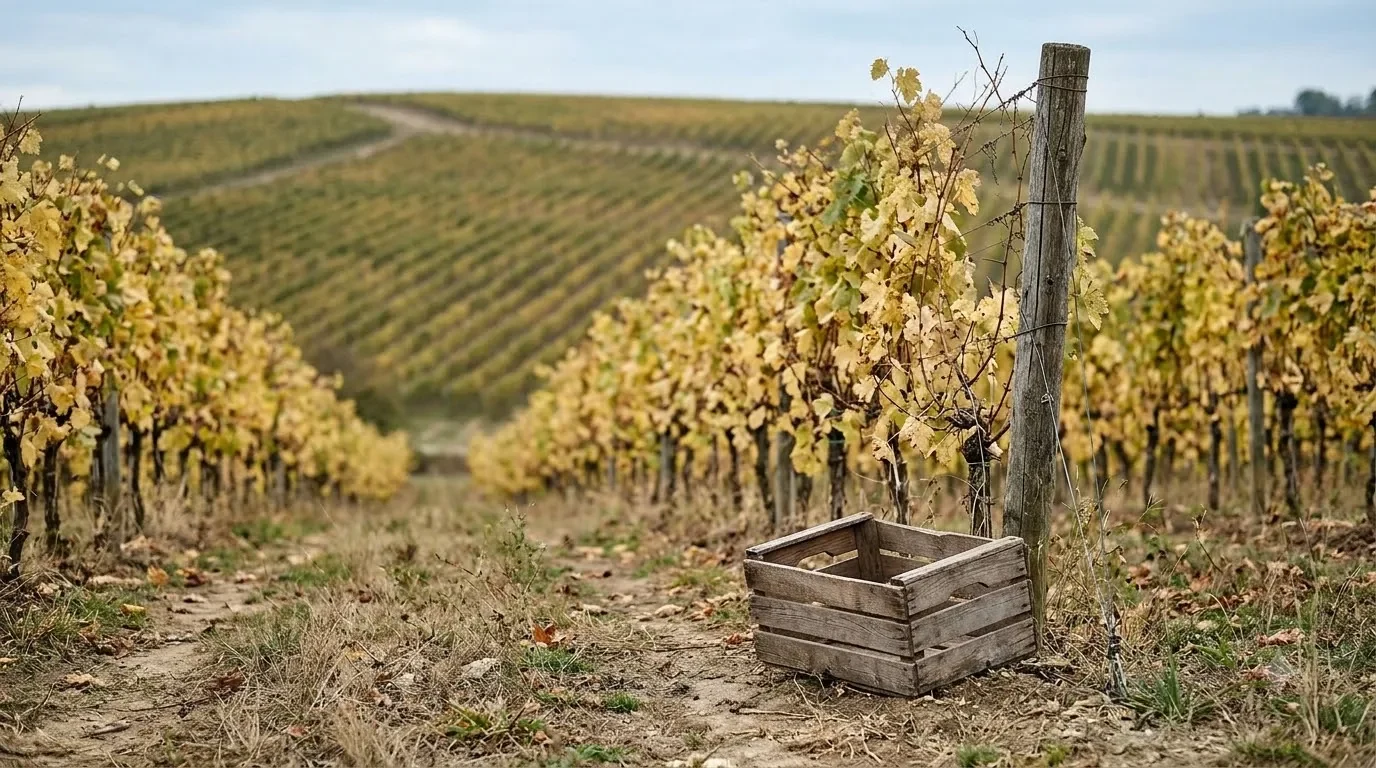
Gallo Family Vineyards is the name the family uses for its Sonoma County operation. The brand was formerly known as Gallo of Sonoma, and the company’s own materials describe it as the second major operation alongside the Modesto headquarters. Its base is in Healdsburg, in the Dry Creek area north of San Francisco.
The parent company, E. & J. Gallo Winery, is far bigger. According to the company’s own history page, it operates more than a dozen wineries across California and Washington and works with more than 90 wine brands. Many of those brands never mention Gallo on the front label. When you see Gallo Family Vineyards printed on a bottle, you are looking at the family’s estate-focused, premium arm rather than the jug or value side.
The brand is also tied to the family’s Sonoma holdings. A trade magazine profile notes that the company bought land in Sonoma during the 1970s and now owns ten vineyards in the county. It also invested heavily in a high-tech cellar with room for thousands of barrels, which signals a focus on aging and quality rather than volume alone.
History of the Gallo Family Winery
The family story starts in 1933 in Modesto, California. Brothers Ernest and Julio Gallo founded the winery that year, and the company’s own timeline says the first year produced 177,847 gallons of wine. The business grew from bulk table wine into one of the largest wine operations in the United States.
The family’s path toward premium wine was gradual. According to the company timeline, the Gallos introduced their first varietal wines in 1974 and launched Gallo Estate Wines in 1993 as their first super-premium offering. Sonoma land purchases came earlier, in 1971, when the company bought a share of a ranch in Sonoma. That long run of vineyard investment is the foundation for the Gallo Family Vineyards name.
The family also has a documented history of legal disputes and labeling decisions. A respected business source describes how the company shifted its image over time, and a widely read history of the family notes that the Gallo name is now less visible on many shelves. For a buyer, the practical takeaway is simple: the corporate history matters less than what is printed on the bottle and what the winery says about it.

Popular Gallo Family Vineyards Wines
Gallo’s portfolio is large, so the best way to shop is to know the tiers. The table below groups well-known Gallo names by the role they play in the lineup. Check each bottle’s back label or the winery’s website to confirm which brands are sold under the Gallo Family Vineyards name in your state.
| Tier or role | Example brands named in company or industry sources | What it generally offers |
|---|---|---|
| Mass-market and value | Barefoot, Carlo Rossi, Bartles & Jaymes | Easy-drinking, consistent flavor, widely distributed |
| Bold and lifestyle red blends | Apothic, Dark Horse | Fruit-forward reds with a modern label style |
| Acquired premium and craft labels | Clos du Bois, Ravenswood, Franciscan, J Vineyards, Orin Swift | Varietal and regional wines from established California producers |
| Luxury and estate wines | Gallo Estate Wines, Rombauer, Pahlmeyer | Single-vineyard or estate-style bottlings at a higher price point |
The mass-market line is what most American shoppers remember. Barefoot, which the company bought in 2005, became one of the best-selling wine brands in the country, according to a widely shared industry history. The premium and estate labels are newer by comparison, and they reflect the second and third generations’ push into fine wine.
Wine Styles and Grape Varieties in the Lineup
The Gallo lineup covers nearly every common style. You will find sparkling wines, crisp whites, rosés, and a wide spread of reds, from light and fruity to dense and oaked. The company introduced sparkling wines in the 1960s and has kept adding categories since.
Grape varieties vary by label. Common varietals across the portfolio include Chardonnay, Cabernet Sauvignon, Pinot Noir, and Zinfandel, which are among the most widely planted grapes in California. Because the family buys fruit from many growers and owns vineyards in several regions, a single variety may taste different from one bottle to the next. Read the back label for the appellation and grape, since those details tell you more about style than the brand name alone.
Food pairing depends on the style you pick. Crisp, unoaked whites suit seafood and salads, while medium-bodied reds pair well with roast chicken, grilled vegetables, and tomato-based dishes. Full-bodied reds go best with rich beef or aged cheese. Bubbly styles work with fried snacks and salty appetizers. Serve reds slightly below room temperature and whites well chilled, and remember to drink responsibly.
Price Range and Where to Buy
Gallo wines span budget, mid-range, and premium tiers, and the exact price depends on your state and retailer. Pricing changes often, so check your local shop or the winery’s site for current figures. As of Nov 2026, the general pattern holds: the mass-market labels cost the least, and the estate and luxury bottlings cost the most.
You can buy Gallo wines at most large grocery chains, drugstores, and wine shops in the United States. Premium and estate labels are more often found at specialty wine retailers and restaurants. If you want to see the full range of estate bottlings, the winery’s own website lists its brands and tasting options. The Family Business Magazine profile of Gallo gives useful background on how the premium push developed.
Buying tips help avoid confusion. Look for the Gallo Family Vineyards name, the Sonoma appellation, and the vintage year on the label. A shelf full of similar-looking bottles may come from different parts of the portfolio, so compare the back labels before you decide. Start with one bottle in a style you already like, then move up a tier if you enjoy it.
How Gallo Compares to Other Wine Brands
Gallo sits in an unusual position. It is a family-owned company that is also one of the largest wine producers in the world. Many American brands are either family-run boutiques or corporate giants, and Gallo bridges both worlds. Its scale gives it buying power and distribution that smaller family wineries cannot match.
Compared with family-owned wine houses such as Becker Vineyards or King Family Wine, Gallo Family Vineyards is much larger and more diversified. A smaller family estate often focuses on a few wines from its own land. Gallo’s approach spans hundreds of thousands of barrels of production and dozens of brands. For more on smaller producers, the Wine Brands section covers how different companies are structured.
Among mass-market American brands, Gallo stands out for how it builds labels. Many of its best-selling wines are sold under names that feel independent, such as Barefoot or Apothic, rather than under the Gallo name. Other large producers take a more visible approach. Choosing between them comes down to what matters to you: consistent everyday flavor, a specific vineyard story, or a particular style. For a comparison with a different American producer, see the 14 Hands Hot to Trot wine page.
Frequently Asked Questions
Is Gallo Family Vineyards the same as E. & J. Gallo Winery?
Gallo Family Vineyards is the family’s Sonoma-based premium operation, while E. & J. Gallo Winery is the broader parent company. The parent company owns many brands that do not carry the Gallo name on the label. Check the back label to see which company produced a specific bottle.
Where are Gallo Family Vineyards wines made?
The brand’s main Sonoma base is in Healdsburg, and the company describes owning several vineyards in Sonoma County. The wider company also operates wineries in California and Washington. The label or the winery website will tell you the specific region for a given bottle.
Which Gallo wine is best for a beginner?
Beginners often start with a mid-tier varietal such as a Chardonnay or a Pinot Noir from the family’s estate-focused labels. These styles are easy to understand and pair well with many meals. Try one bottle at a time and note which flavors you like.
Does the Gallo name appear on most Gallo bottles?
Not always. Many popular brands in the portfolio have their own names and labels, and the Gallo name can be hard to find. Reading the small print on the back label is the most reliable way to confirm the producer.
Gallo Family Vineyards wine offers a clear window into how one American family built a major wine business. Start by identifying which tier your bottle belongs to, then compare styles and back labels. For more guidance on choosing and serving wine, explore the other wine brand guides on this site.
More in Wine Brands
 Underwood Wine Price: Compare Bottles, Cans, and Pack SizesUpdated Nov 21, 2026
 Zenato Wine Price: Compare Styles and Choose the Right BottleUpdated Nov 21, 2026
 Zuccardi Wine Price: Compare Bottles and Find the Right RangeUpdated Nov 21, 2026
 Yellow Tail Moscato Review: Taste, Sweetness and Serving TipsUpdated Nov 21, 2026
 Wolf Blass Yellow Label Review: Choose Your Best StyleUpdated Nov 21, 2026
 Wolffer Estate Rose Review: Choose the Right Bottle for Your TableUpdated Nov 21, 2026