

We may earn a commission when you buy through links on this page, at no extra cost to you. Learn more.
Cooking with sherry works best when you choose a dry style and add it early enough to cook off the raw alcohol and bring out its savory depth. Dry sherries such as Fino, Manzanilla, Amontillado, Oloroso, and Palo Cortado give soups, sauces, and pan dishes a nutty, savory note. Sweet sherries are a different ingredient and suit desserts or sweet glazes better. This guide explains which styles to use, how to add them to a recipe, and what to do when you do not have a bottle on hand.
Sherry is one of the most useful wines to keep in the kitchen, because a single bottle can flavor a range of dishes over several weeks. The trick is knowing which style fits the recipe, since the wide range of sherries means that not every bottle will work in the same pot.
Which Sherry Styles Are Dry
Sherry is a fortified wine from southern Spain, and the styles run from bone dry to very sweet. According to the Sherry Wines website, the dry styles are Manzanilla, Fino, Amontillado, Oloroso, and Palo Cortado. Those are the bottles to reach for when you are cooking savory food, because their flavor stays balanced rather than syrupy.

The style name also tells you something about how the wine was made and aged. Some styles spend time under a layer of yeast, while others are oxidized, and those differences shape the aroma you will notice in the pan. You do not need to know the production details to cook well, but the tasting notes on the label or in the shop are a quick guide to how a style will behave.
Manzanilla and Fino are the lightest and most delicate of the dry styles, with a crisp, saline quality that suits seafood, chicken, and light sauces. Amontillado and Oloroso are deeper and richer, with a nutty or caramel edge that can stand up to mushrooms, pork, and braises. Palo Cortado sits between the two families and can add complexity to a sauce that needs more backbone.
The sweet styles are a different story. The same site lists Pale Cream, Medium, and Cream as sweet sherries, and it lists Moscatel and Pedro Ximénez as naturally sweet styles. Those bottles bring a rich, dessert-like sweetness, so they are best reserved for sauces, glazes, and sweet dishes rather than a general savory pan.
How to Add Sherry to a Pan
The most common way to use sherry in cooking is to deglaze the pan after searing meat, poultry, or vegetables. The brown bits that stick to the pan are full of flavor, and a splash of dry sherry lifts them into the sauce. Pour the sherry in while the pan is still hot, scrape gently, and let it bubble until the liquid thickens slightly.
Sherry also works well in soups and stews. Add it early in the cooking process so the alcohol has time to evaporate and the flavor can blend into the broth. A dish that simmers for longer will mellow the sherry, which makes it a good choice for braises and slow-cooked beans.
For marinades, a dry sherry adds depth without overpowering the main ingredient. Combine it with oil, aromatics, and a pinch of salt, and use it on chicken, pork, or firm fish. The acidity in sherry helps tenderize the surface, but a long soak can make the texture soft, so plan the timing carefully.
Sherry in Sauces and Pan Dishes
Sherry sauces are one of the simplest ways to show off the wine’s character. A dry sherry sauce can finish a seared steak, a pan of mushrooms, or a roast chicken. Start with the pan drippings, add sherry, reduce it by about half, and then add stock or cream if the dish needs body.
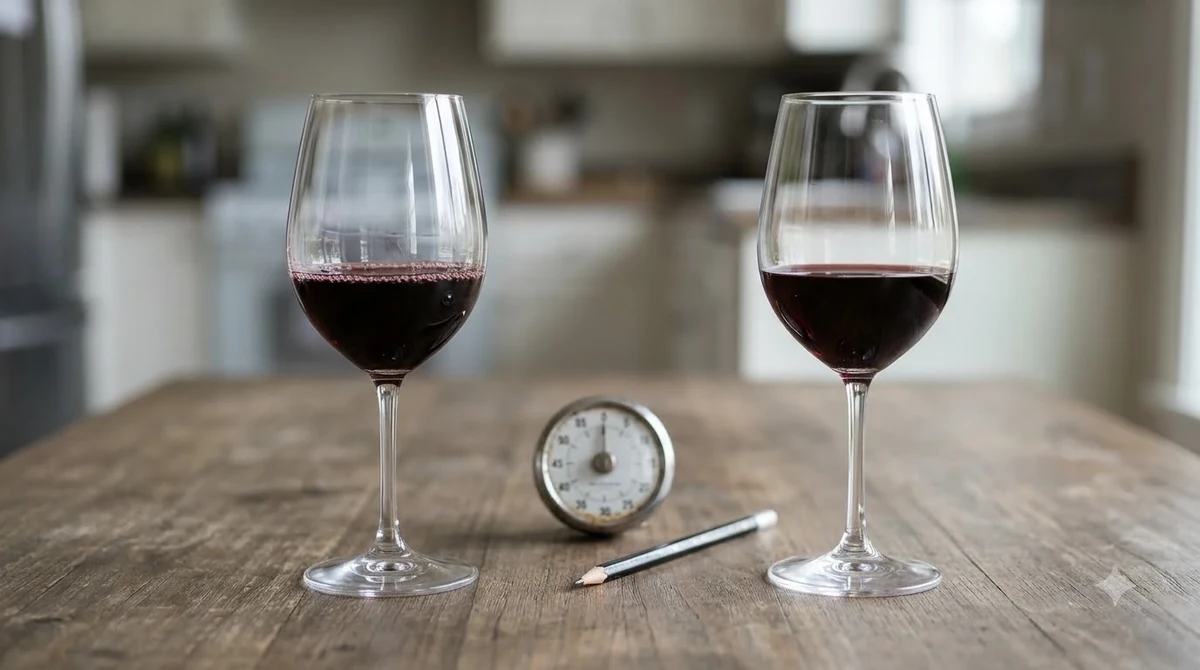
Adding sherry at the right moment matters. Pour it into a hot pan early in the sauce so the alcohol has time to cook off, and add cream, butter, or stock only after the sherry has reduced. Adding dairy too early can make the sauce separate or taste flat.
The key is reduction. Simmering sherry long enough to concentrate its flavor makes the sauce taste rounded and savory rather than sharp. Taste as you go, because sherry can be quite assertive at the start, and the finished sauce should taste balanced rather than acidic.
If you want a lighter sauce, a bit of sherry with lemon and herbs works well over fish. For a richer finish, pair Amontillado or Oloroso with butter and mushrooms. Both approaches show how one ingredient can shift a dish from light to hearty depending on the style you choose.
Cooking Sherry Versus Dry Sherry
Many shoppers see a bottle labeled cooking sherry on the grocery shelf and assume it is the same as dry sherry. It is not. Most cooking sherry is salted and has a flat, less interesting flavor than a bottle of dry sherry you would drink. The salt can also change how a dish seasons, so it is best to taste the dish before adding more salt.
When you are cooking for a crowd, it helps to plan one bottle for the pan and one for the table. The same sherry that flavors a sauce can also be served as an aperitif with olives or nuts, so a single purchase can cover both the cooking and the evening.
A bottle of dry sherry from a wine shop is the better choice for most recipes. Keep it in the fridge once opened, since sherry oxidizes more slowly than many wines but will still lose freshness over time. A bottle used within a few weeks will taste fresher and more lively in the dish.
If a recipe calls for dry sherry and you only have a sweet bottle, check the recipe before you substitute. A sweet bottle will push the dish in a different direction, and it is usually better to find a dry alternative than to force the flavor.
Substitutes When You Do Not Have Sherry
Dry white wine is the most common substitute for dry sherry in savory cooking. It brings acidity and a clean flavor, although it lacks the nutty depth of an aged style. For a closer match, look at the flavor the recipe needs and pick a substitute that fits.
Other white wines can also work. A crisp, dry white is a good choice for light sauces and seafood, while a richer white can stand in for deeper dishes. If you want a broader list of options, the cooking with dry white wine guide covers how different dry whites behave in the pan.
For a more specific swap, the cooking with Pinot Grigio and cooking with Sauvignon Blanc guides show how two popular white wines work in recipes. Each one has a different level of acidity and fruit, so the choice depends on the dish.
Frequently Asked Questions
What is the best dry sherry for cooking?
Fino and Manzanilla suit light, delicate dishes, while Amontillado and Oloroso bring more nutty richness to sauces and braises. Palo Cortado sits between the two and works well when a dish needs more backbone.
Can I use sweet sherry in savory cooking?
It is usually not the best choice. Sweet styles such as Pale Cream, Medium, and Cream, or naturally sweet ones like Pedro Ximénez, add a dessert-like sweetness that can overpower savory dishes.
Is cooking sherry the same as dry sherry?
No. Cooking sherry is typically salted and has a flatter flavor. A bottle of dry sherry from a wine shop gives a cleaner, more complex result, and it is the better choice for most recipes.
What can I use instead of sherry in a recipe?
Dry white wine is the most common substitute for dry sherry in savory cooking. It gives acidity and a clean flavor, although it lacks the nutty depth of an aged style, so match the substitute to the dish.
For most savory cooking, keep a bottle of dry sherry on hand, add it while the pan is hot, and let it reduce into the dish. To see how sherry fits the wider world of cooking wines, the Wine by Type guide is a useful next read.
More in Wine Types & Grapes
 Zinfandel Sugar Content: Dry Red vs. White Zinfandel GramsUpdated Nov 21, 2026
 Best Zinfandel Substitute Options for Sipping and CookingUpdated Nov 21, 2026
 Zweigelt Food Pairing: Best Dishes, Cheeses, and Serving TipsUpdated Nov 21, 2026
 Zinfandel Tannins Explained: How Structure Shapes Every BottleUpdated Nov 21, 2026
 Zinfandel Sweetness Level: Dry Red vs. Sweet White Zin ExplainedUpdated Nov 21, 2026
 Xinomavro Food Pairing: Best Dishes, Styles, and Serving TipsUpdated Nov 21, 2026