

We may earn a commission when you buy through links on this page, at no extra cost to you. Learn more.
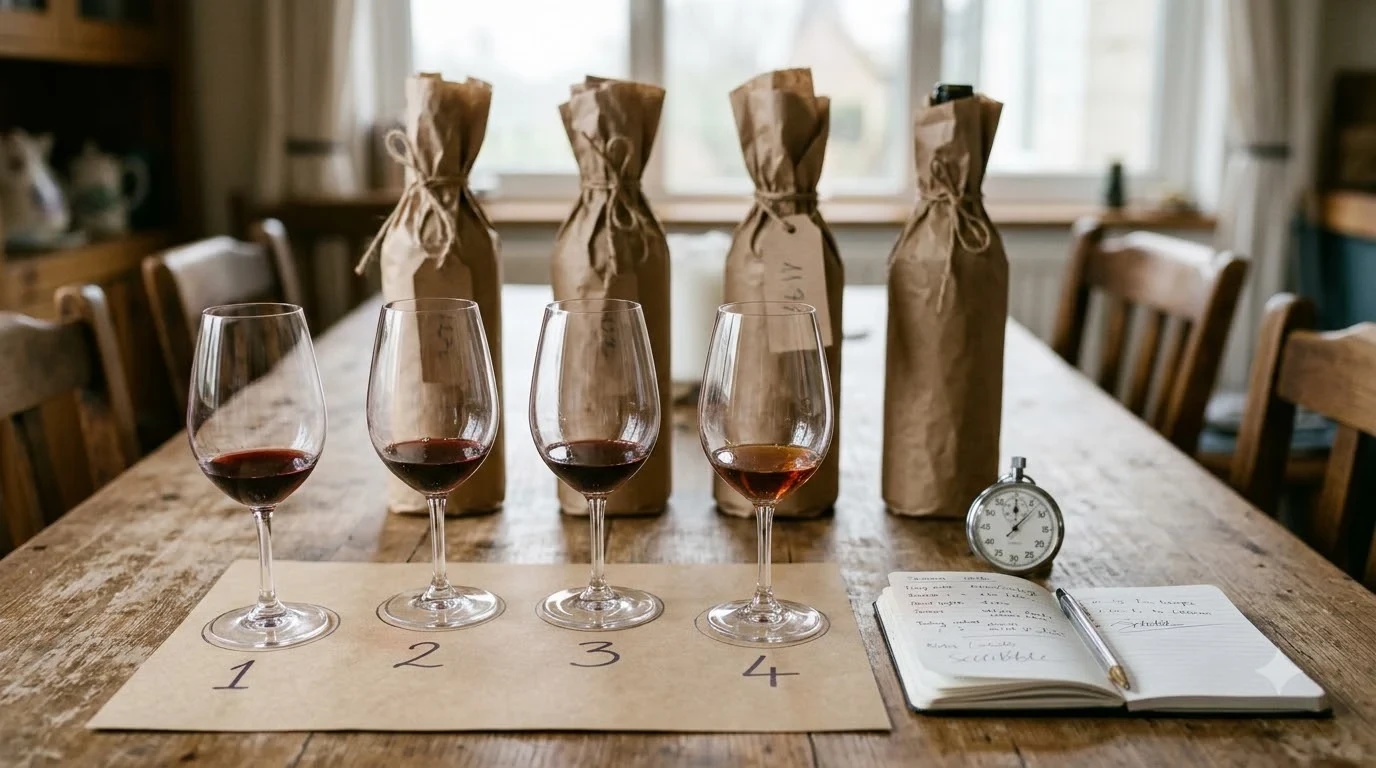
Temecula wine tasting takes place in Temecula Valley, a wine country in Riverside County within driving distance of both Los Angeles and San Diego, where roughly 50 wineries sit on the valley floor and surrounding hills. Visitors usually sample wines at tasting rooms spread across the area, and the valley’s cooler marine air and granitic soils give its wines a distinct style. Planning ahead with a few well-chosen stops makes the day easier than trying to see everything.
Temecula is one of the most accessible wine destinations in Southern California, and many visitors plan a day there with little more than a rough route and a hope for good weather. This guide covers the valley’s history and setting, the grapes you will likely taste, how to plan a route, and what to expect at a typical tasting room, so the visit feels relaxed rather than rushed.
What Makes Temecula Wine Country Distinct
Temecula Valley became a federally recognized American Viticultural Area in 1984, when it was the nation’s 69th AVA. It was renamed Temecula Valley in 2004. The designated area covers about 33,000 acres, although only a smaller portion is planted to vineyards, which gives the valley a more open, rural feel than many visitors expect.
The valley’s climate is shaped by the Pacific. Cool marine air enters through gaps in the surrounding mountains, creating warm days and cool nights. Vineyards sit roughly 1,000 to 1,600 feet above sea level, and morning mist often lingers in the valley until mid-morning. That combination is a big reason the wines show brighter acidity than many visitors expect from a warm Southern California location.
The History Behind the Tasting Rooms
Vines were planted in the valley by the mid-19th century, and Jean-Louis Vignes bought land there in 1846. Prohibition brought a sharp decline, and the industry was not revived until the late 1960s, when Vincenzo and Audry Cilurzo planted what is described as the first modern commercial vineyard in 1968. The valley’s modern tasting culture took shape in the following decade.
Callaway opened the first public tasting room in 1974, and by 1978 the area had three wineries. Those early producers laid the foundation for the valley’s visitor experience. Today the Temecula Valley AVA lists about 50 wineries in its infobox, with over 40 offering public tasting in the main text, so the count depends on whether you include wineries that do not welcome visitors.
For a broader history of the valley and its wine industry, the Temecula Valley AVA overview is a useful reference. It explains how the region grew from a small agricultural area into one of the most visited wine destinations in the state.
Grapes and Styles to Taste
The valley grows many grape varieties. The AVA article lists 32 varieties, including Cabernet Sauvignon, Chardonnay, Merlot, Syrah, Zinfandel and Sangiovese, although it does not rank them by importance. That mix gives visitors room to explore, from full-bodied reds to bright, fresh whites.
The soils are decomposed granitic rock and sandy loam, which drain well and suit high-quality vines. Good drainage matters in a warm, dry climate because it keeps the vines from getting too much water during the growing season. The result is wines that often carry a sense of freshness even when they have full fruit flavor.
For a first visit, try a white and a red from the same winery and compare how the valley’s climate shows up in each. Ask your host which styles the winery is known for, since the best pour is often the one the producer is most proud of. A few extra questions usually lead to a more useful tasting.
Planning Your Route Through the Valley
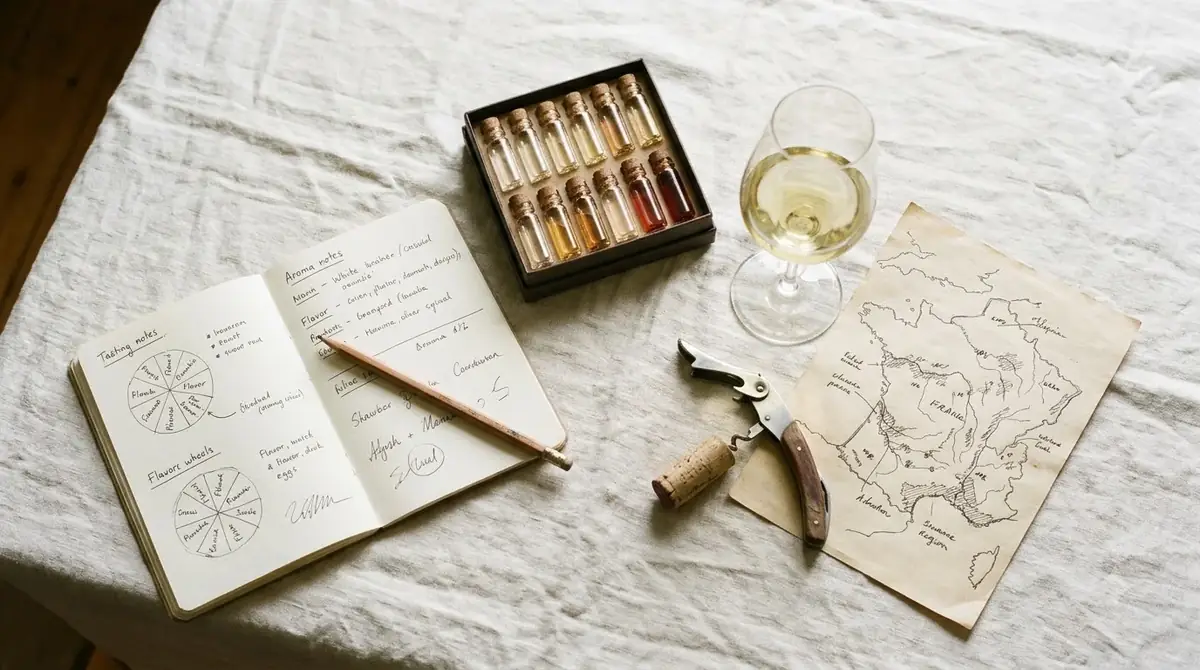
Temecula’s tasting rooms are spread across a larger area than a single downtown, so a day works best when you group stops by location. Pick a short list of wineries in the same part of the valley, check their hours, and leave time for lunch. A route built on fewer, better-chosen stops usually produces more memorable tastings than a long list of quick pours.
The valley’s dining and lodging options are another part of the trip. Many tasting rooms have patios or restaurants, and some pair their wines with food. For a deeper look at how a wine region plans visits, the regional Napa Valley site publishes a winery map and an events calendar, and Temecula visitors can use the same kind of tools to plan a route. Our guide to napa valley wine tasting covers a similar approach for a different valley.
If you want to focus on a particular style, our guides to temecula wine and temecula wineries go deeper into the valley’s wines and producers. Those pages help you choose a few wineries that match your taste before you arrive.
What to Expect at a Tasting Room
Most Temecula tasting rooms offer a guided flight of several wines, usually poured in small amounts. Some wineries host seated tastings with food pairings, while others run a casual bar where you can sample at your own pace. Hours and formats differ, so check each winery’s website or call ahead, especially on weekends when the rooms fill up.
| Experience | What it usually looks like | Good for |
|---|---|---|
| Bar tasting | Casual flight at the counter | Quick stops and first visits |
| Seated flight | Table service with a guided tasting | Learning about specific styles |
| Vineyard tour | Walk among the vines, then taste | Understanding the valley’s soils |
| Food pairing | Small plates matched to the wines | A longer, relaxed afternoon |
For a first visit, consider starting with the winery that has the most open hours on your list, then moving to smaller rooms later in the day. Larger wineries often keep a steady schedule, which gives you flexibility if plans change. Smaller family producers may be busier at certain times, so a quick call can save a wasted drive.
Etiquette is simple. Arrive on time for reservations, mention any dietary needs, and use a spit cup for samples you do not finish. If you plan to drink more than a small pour, arrange a designated driver, a rideshare or a tour before you leave home. Those steps keep the day comfortable for you and the staff.
Tip: Mornings are often calmer than afternoons, and the valley’s mist tends to clear as the day warms. Booking an early appointment is a simple way to avoid crowds.
Frequently Asked Questions
How far is Temecula from Los Angeles and San Diego?
Temecula sits in Riverside County and is reached by car from both Los Angeles and San Diego, though traffic can change the drive considerably. Check travel times for your departure hour and plan extra time for weekend travel.
How many wineries are in Temecula Valley?
The AVA overview lists about 50 wineries, and over 40 of them offer public tasting. The exact number depends on how you count wineries that do not welcome visitors, so check a current winery map before you plan a route.
What grapes grow in Temecula?
The valley grows around 30 varieties, including Cabernet Sauvignon, Chardonnay, Merlot, Syrah, Zinfandel and Sangiovese. Ask your host which styles the winery focuses on, since some producers specialize in particular grapes.
Do I need reservations for Temecula wine tasting?
Many tasting rooms recommend reservations, especially on weekends and holidays. Some also take walk-ins, but policies differ, so check each winery’s site before you go.
Temecula wine tasting rewards a simple plan: a short list of wineries, an early start and a few good questions at each stop. The valley’s cool air and granitic soils give its wines a character that is easy to notice once you taste side by side. For a broader view of how climate and soil shape flavor, the wine regions guide is a useful next step.
More in Wine Regions
 Willcox Wine Trail: Discover Arizona’s High-Elevation Wine CountryUpdated Nov 20, 2026
 Yakima Valley Wine Region: Find the Best Styles to TryUpdated Nov 20, 2026
 Vosne Romanee Wine Tasting: Identify Aromas and Choose Better PairingsUpdated Nov 20, 2026
 Yakima Valley Wine Festival: Find the Best Seasonal Wine EventsUpdated Nov 20, 2026
 Wales Vineyards: Discover Cool-Climate Wines and Where to VisitUpdated Nov 20, 2026
 Yountville Wine Festival: Discover Napa Wines and Local FoodUpdated Nov 20, 2026