

We may earn a commission when you buy through links on this page, at no extra cost to you. Learn more.
Temecula wine comes from the Temecula Valley American Viticultural Area in southwestern Riverside County, California, a warm inland valley on the eastern slopes of the Santa Ana Mountains. The region has roughly 40 to 50 wineries and grows dozens of grape varieties, including Cabernet Sauvignon, Chardonnay, Merlot, Syrah, Zinfandel, and Sangiovese. Its cool marine breezes and cool nights help the grapes keep their acidity, even on hot days.
Temecula is one of the closest wine regions to Southern California’s large cities, and that closeness shapes the way many people first meet its wines. A day trip from the coast or from inland suburbs can take in several tasting rooms, a few vineyards, and a meal. This guide explains where the region sits, how its climate affects the wine, which grapes you are likely to see, and how to plan a visit or choose a bottle to bring home.
Where the Temecula wine region sits
The valley lies in southwestern Riverside County, on the eastern side of the Santa Ana Mountains. The federal Bureau of Alcohol, Tobacco and Firearms established it as an American Viticultural Area on October 23, 1984. At the time it was the nation’s 69th AVA, the state’s 42nd, and Riverside County’s first. In 2004 the federal Alcohol and Tobacco Tax and Trade Bureau renamed it Temecula Valley without changing its boundaries, which is the name most people use today. The Wikipedia entry on the Temecula Valley AVA gives the background on those dates and the region’s boundaries.
Because the area is inland from the coast, it has a different feel from the coastal wine regions of Northern California. The mountains shape the weather in ways that matter to growers and visitors alike, and they give the valley a distinct sense of place.
Climate and elevation
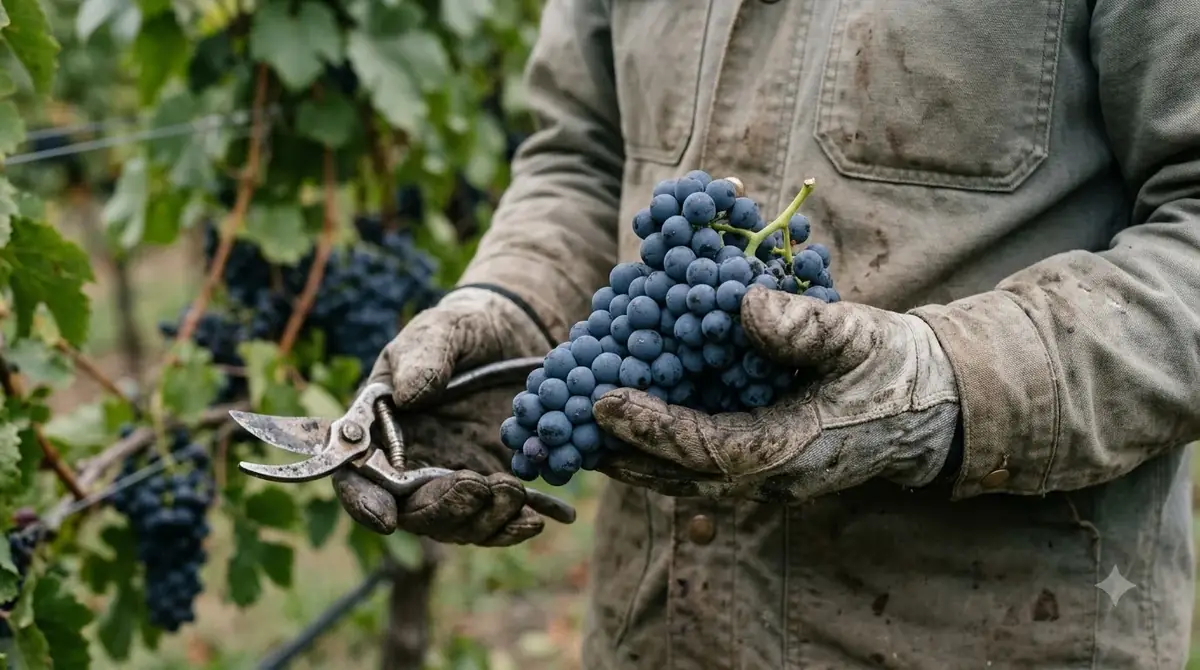
Temecula’s vineyards sit roughly 1,000 to 1,600 feet above sea level, on a plateau below the local mountain peaks. The growing season starts early, usually in March, and runs through September, and harvest rains are uncommon. Cool marine air from the Pacific flows inland through gaps in the mountains, which moderates the daytime heat. At night, cold air drains off the higher terrain, producing cool nights that help the grapes hold acidity and aroma.
The soils are mainly decomposed granitic sandy loam that drains well. Good drainage matters in a warm, dry climate, because it limits the vines’ water stress and encourages steady ripening. Those three factors together, the elevation, the marine air, and the soil, are the core reason the region can grow such a range of varieties.
The grapes you will see
Dozens of grape varieties are grown in Temecula, and about 30 of them are bottled as varietal wines. Examples named in the regional record include Cabernet Sauvignon, Merlot, Syrah, Zinfandel, and Sangiovese, along with Chardonnay among the whites. Each variety gives the region a different face, so a single visit can cover big reds, bright whites, and Italian-style wines in a single tasting flight.
When you read a Temecula label, the variety is usually the best guide to the style. A Cabernet Sauvignon tends to be firm and structured, a Chardonnay can be crisp or rich depending on how it was made, and a Zinfandel often shows ripe, bold fruit. Because each winery makes its own choices, it is worth tasting a few styles before settling on a favorite.
| Feature | Temecula Valley facts |
|---|---|
| Location | Southwestern Riverside County, California |
| Recognized as an AVA | October 23, 1984 |
| Name change | Renamed Temecula Valley in 2004, boundaries unchanged |
| Wineries | Roughly 40 to 50, most with public tasting rooms |
| Vineyard elevation | About 1,000 to 1,600 feet |
| Growing season | Usually March through September |
A short history of the valley
The Luiseño people, known in the region as the Payómkawichum, lived in the valley for centuries before settlers arrived. Vines were recorded on mission lands in the 1840s, and a French-born vintner acquired land in the area in 1846. After Prohibition, a commercial boom followed, but the modern wine industry took shape in the late 1960s, when a family vineyard and the arrival of a large landholding helped reshape the local industry.
Today the region’s visitors are a major part of the economy. Wine tourism has grown substantially, and the Pechanga Resort and Casino is one of the largest draws in the area. The valley now balances agriculture, tasting rooms, and hospitality in a way that a visitor will notice on the drive in.
How to plan a visit
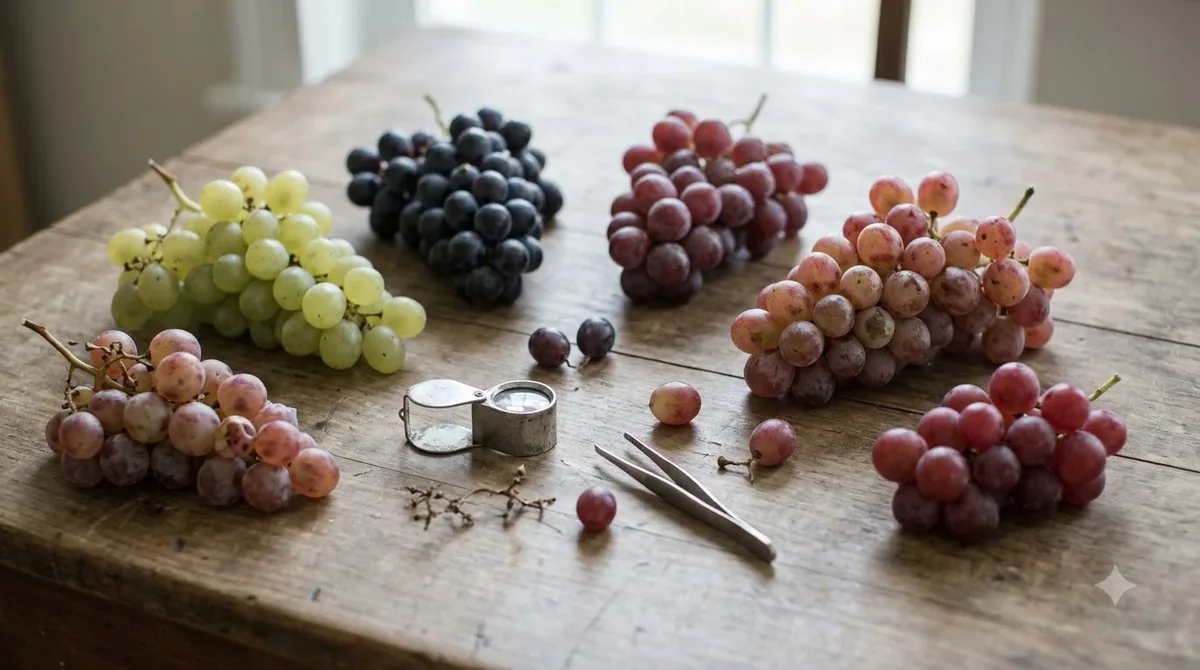
Because the region has many tasting rooms, it helps to plan a route rather than trying to stop everywhere. The official California travel guide, Visit California’s Temecula page, places the valley about an hour from San Diego and 90 minutes from Los Angeles, which is why it works well as a day trip from either city. Choose three or four wineries that match the styles you like, and check hours before you go, since not every room is open every day. A designated driver or a tour service makes the day more relaxed, and most tasting rooms will suggest a food pairing or a small plate to go with the flight.
If you want a deeper look at the valley’s producers, the Temecula wineries guide lists the main names, and the Temecula wine tasting guide covers how tastings work and what to ask. Plan for an unhurried pace and a stop for a meal, because the drive between rooms is part of the experience.
Tip: Ask for a comparison flight that pairs one red and one white from the same producer. It is a quick way to see how the house style carries from one variety to another.
How to choose a Temecula bottle
Start with the variety on the label, then look for the Temecula Valley designation, which shows the wine comes from the region. Producers in the valley often list their grape sources and winemaking notes on the back label, and reading them helps you understand what the wine is trying to do. If you are buying to take home, check whether the winery ships to your state, since rules for direct shipping vary.
If you like Temecula’s bold, fruit-forward style, look for Zinfandel, Syrah, or a Cabernet Sauvignon with a clear vintage. If you prefer lighter wines, Chardonnay and the Italian-leaning varieties give a different perspective on the same climate. Buying one bottle from several wineries is a good way to compare styles without committing to a whole case.
Frequently Asked Questions
Where is the Temecula wine region?
It is in southwestern Riverside County, California, on the eastern slopes of the Santa Ana Mountains. The official name is Temecula Valley, which a federal tax and trade bureau adopted in 2004.
How many wineries are in Temecula?
The region has roughly 40 to 50 wineries, most with public tasting rooms. The number can change as new producers open or existing ones close, so check current listings before you plan a trip.
What grapes grow in Temecula?
Dozens of varieties are grown, including Cabernet Sauvignon, Chardonnay, Merlot, Syrah, Zinfandel, and Sangiovese. About 30 of them are bottled as varietal wines.
Why are Temecula’s nights cool if the days are warm?
Cold air drains off the surrounding higher terrain at night, while cool marine air moves inland through gaps in the mountains during the day. The vineyards sit at a useful elevation for this pattern, which helps the grapes keep acidity.
Temecula wine rewards a visit that is planned but not rushed. The valley’s altitude, marine breezes, and drainage soils give its wines a clear personality, and the variety of grapes means there is something for almost every taste. For the wider region picture, the Wine Regions guide places Temecula alongside other American and international wine areas.
More in Wine Regions
 Willcox Wine Trail: Discover Arizona’s High-Elevation Wine CountryUpdated Nov 20, 2026
 Yakima Valley Wine Region: Find the Best Styles to TryUpdated Nov 20, 2026
 Vosne Romanee Wine Tasting: Identify Aromas and Choose Better PairingsUpdated Nov 20, 2026
 Yakima Valley Wine Festival: Find the Best Seasonal Wine EventsUpdated Nov 20, 2026
 Wales Vineyards: Discover Cool-Climate Wines and Where to VisitUpdated Nov 20, 2026
 Yountville Wine Festival: Discover Napa Wines and Local FoodUpdated Nov 20, 2026