

We may earn a commission when you buy through links on this page, at no extra cost to you. Learn more.
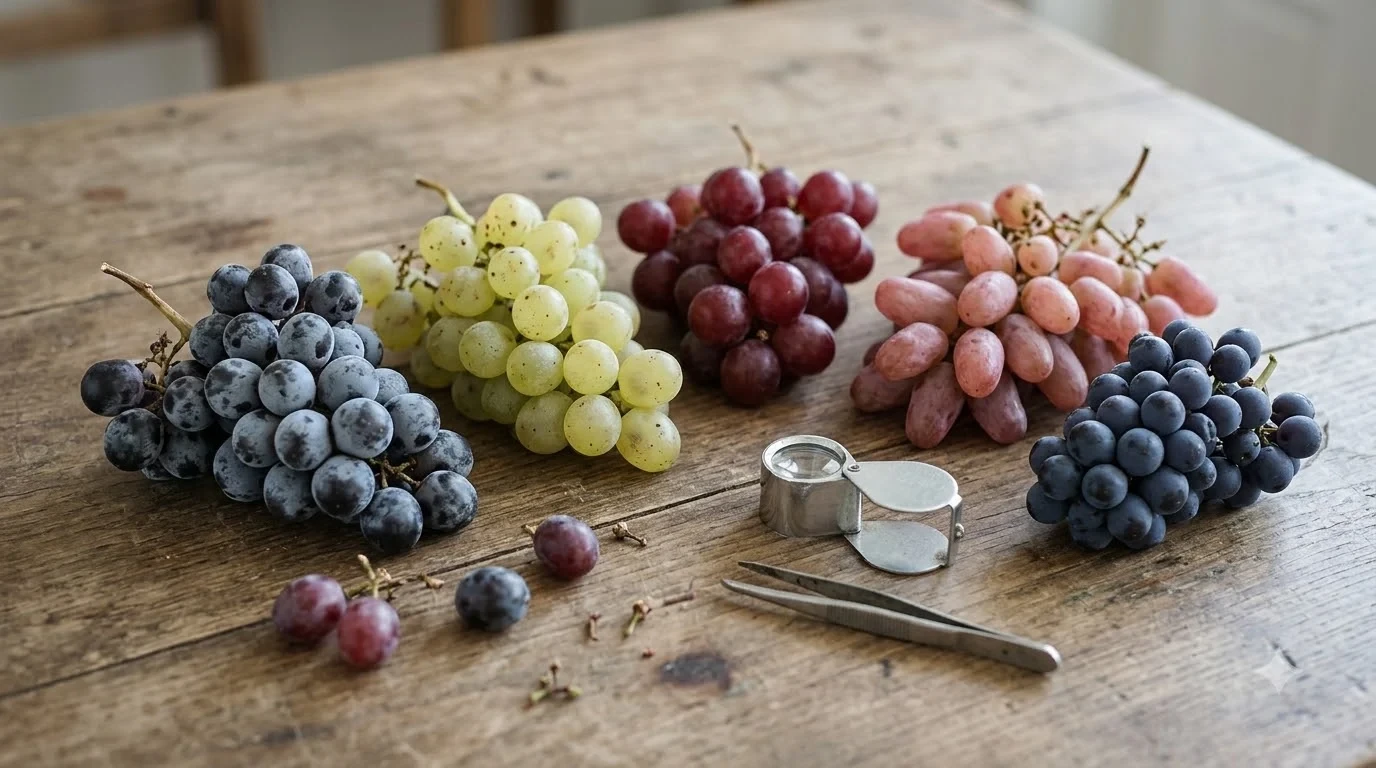
Connecticut wine comes from a small but established farm-winery industry that dates back to the state’s 1978 winery law, with vineyards grouped into a few distinct growing areas. Most wineries work with cool-climate grapes, including hybrids such as Vidal blanc and Chambourcin, along with European varieties such as Chardonnay and Merlot. The state’s wine trail and its tasting rooms make Connecticut wine easy to explore in a single weekend.
Connecticut is not a name most wine drinkers think of first, yet the state has a working wine industry with a long local following. This guide covers how the industry started, where the vineyards sit, which grapes are grown, and what the wines tend to taste like, so you know what to look for on a shelf or a tasting-room list.
How the Connecticut Wine Industry Started
Modern Connecticut wine began with a change in state law. According to the Wikipedia article on Connecticut wine, the modern industry is tied to the Connecticut Winery Act of 1978, which set the legal framework for farm wineries. Growers and producers then needed a way to attract visitors, and the Connecticut Wine Trail was conceived in 1988 by Sherman P. Haight Jr. of Haight Vineyard in Litchfield. The state dedicated the trail in 1992 with five wineries.
The trail has grown well beyond those first five stops. The state tourism office describes today’s Connecticut Wine Trail as a statewide collection of 21 vineyards, wineries and cideries, running from the hills of Litchfield County to the shoreline. Members belong to the Connecticut Vineyard and Winery Association and take part in the state Department of Agriculture’s annual Passport to Connecticut Farm Wineries program, which encourages visitors to stamp their way through tasting rooms over the season.
The trail has grown steadily since then. Membership rose from five wineries at the start to 33 by 2016, and the same article reports 36 farm wineries on the trail as of 2026. Those numbers show how a small local network became a destination in its own right, with tasting rooms that often double as community spaces.
Connecticut’s Main Growing Areas
The state’s vineyards are spread across a few distinct areas, and each has its own microclimate. The article on Connecticut wine names three American Viticultural Areas: Southeastern New England, Western Connecticut Highlands, and Eastern Connecticut Highlands. The vineyards near Long Island Sound and the Connecticut River valley tend to be warmer than those in the higher hills to the east and west, and that difference shapes which grapes ripen well in each spot.
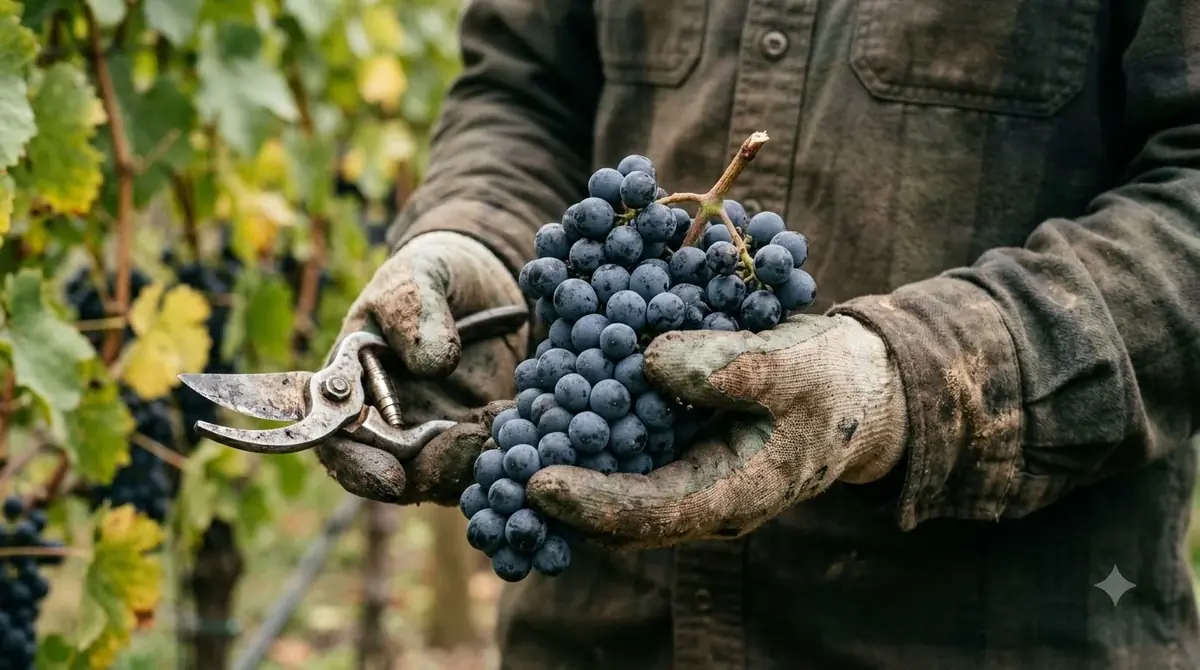
Elevation and proximity to water matter as much as latitude here. Higher vineyards can have cooler nights and a longer growing season, while sites closer to the water can moderate temperatures during the ripening months. For a broader sense of how regional climate shapes flavor, our wine regions section explains the same principle across many countries.
Grape Varieties Grown in Connecticut
Connecticut vineyards grow a mix of cold-hardy hybrids, classic vinifera, and native-influenced varieties. The source lists 17 grape types that are grown in the state, which gives winemakers room to choose varieties that suit their site. Hybrids are especially common because they handle a cold winter and humid summers better than many European vines.
| Group | Varieties listed for Connecticut | Typical style |
|---|---|---|
| White and aromatic | Chardonnay, Riesling, Gewurztraminer, Pinot gris, Vidal blanc, Seyval blanc, Vignoles, Cayuga, Aurore, Chardonel | Crisp to rounded, with floral or citrus notes depending on the variety |
| Red | Merlot, Cabernet Sauvignon, Cabernet Franc, Chambourcin, Marechal Foch, Frontenac, St. Croix | Fruit-forward, often lighter and more savory than warm-climate reds |
The table groups the varieties by general style, which is more useful than a long list when you are reading a menu. Chardonnay and Merlot follow the familiar European profile, while many hybrids have a fruitier, more direct character. Bottles labeled with a hybrid name often show clear fruit and fresh acidity, and they are typically made to be enjoyed young.
What Connecticut Wine Tastes Like
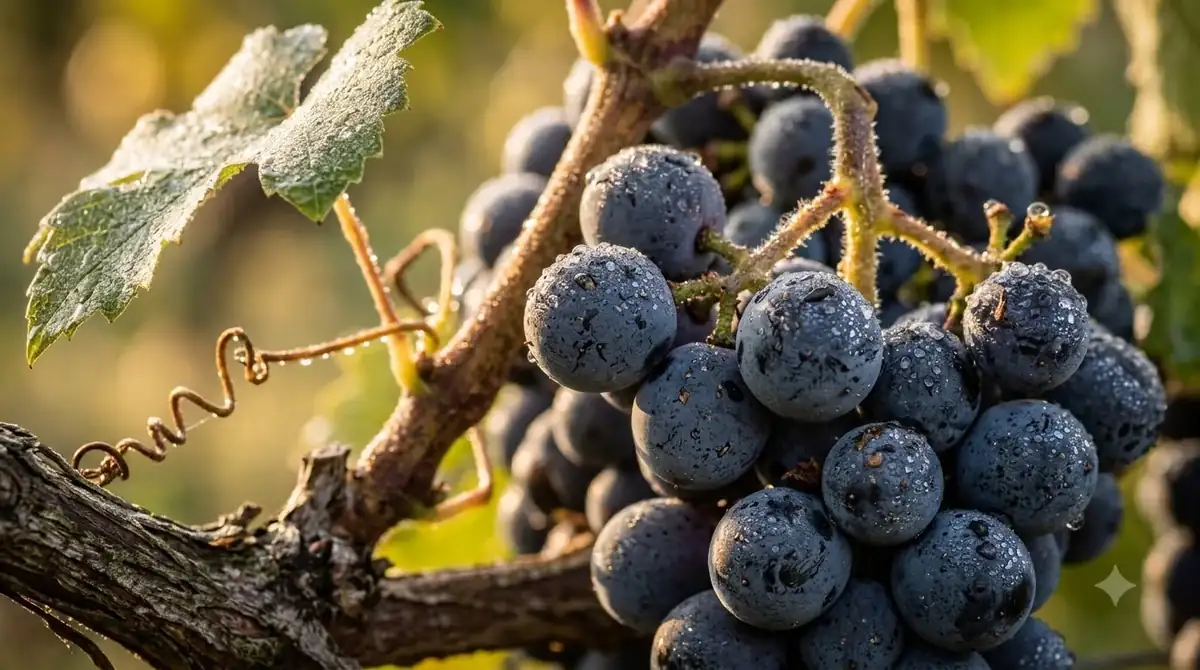
Connecticut wines tend to show cool-climate character. White wines often have bright acidity and crisp fruit, with citrus, green apple, or floral notes in the most aromatic styles. Red wines from the state usually lean toward red fruit and herbal or savory edges rather than heavy, dark fruit. A cool growing season keeps sugar levels moderate, so many bottles finish fresh and food-friendly rather than rich and jammy.
That style makes Connecticut wine a natural partner for seafood, roasted chicken, cheese, and vegetable dishes. It is also a good fit for people who like lighter wines or who find very ripe, warm-climate reds too heavy. If you know a particular bottle from a Connecticut winery, the label and the producer’s notes will tell you whether the wine is dry, off-dry, or sweeter, since style varies from farm to farm.
Comparing Connecticut With Other Cool-Climate Wines
Connecticut sits in a cool region, and that places its wines in a family with other cool-climate wines from the Northeast and Europe. Compared with a warm-climate red, a Connecticut red is usually lower in alcohol and higher in acidity, which makes it easier to pair with a wider range of meals. Many shoppers who enjoy Bordeaux appreciate that the local reds can echo the structure of that style without the same weight. Our guide to Bordeaux wine is a useful reference if you want to compare structure and tannin.
The comparison also helps with price expectations. Small farm wineries often produce limited batches, so bottles can cost more than mass-market imports at the grocery store. What you gain is a sense of place and a bottle tied to a local producer, which many buyers value as much as the flavor.
How to Visit and Taste Connecticut Wine
The Connecticut Wine Trail makes visiting straightforward. Because the wineries are spread across several areas, plan a route by region rather than trying to cover the whole trail in one day. Tasting rooms usually offer a flight of several wines, and staff can describe the grape and style behind each one. Ask which wines are made from local fruit, since that is often the most distinctive choice on the list.
If you want to bring a bottle home, check whether the winery ships to your state, since shipping rules for wine vary widely across the country. Buying at the winery also gives you a chance to ask about the vintage and how the wine was made, which can help you choose a bottle that matches your taste.
Timing your visit can make the trip more rewarding. Many vineyards are busiest in the warmer months, when outdoor seating and live events are common, while quieter weekdays give you more time with staff for a detailed tasting. Harvest season in the fall is another good time to ask questions about the growing year, since producers are often willing to talk about how the vintage came in. Plan a few stops in one growing area, keep the drive times short, and leave room to taste slowly.
Frequently Asked Questions
When did Connecticut wine production start?
The modern industry took shape after the Connecticut Winery Act of 1978, which set the legal framework for farm wineries. The Connecticut Wine Trail followed, conceived in 1988 and dedicated by the state in 1992.
What grapes are grown in Connecticut?
The state lists 17 grape types, including hybrids such as Vidal blanc, Chambourcin and Cayuga, along with European varieties such as Chardonnay, Riesling, Merlot and Cabernet Sauvignon. Hybrids are common because they handle cold winters well.
What do Connecticut wines taste like?
Most show cool-climate character, with bright acidity and fresh fruit in whites and red-fruit, herbal notes in reds. Styles vary from farm to farm, so read the producer’s description to see whether a wine is dry, off-dry or sweeter.
Are Connecticut wines expensive?
They can cost more than mass-market imports, because small farm wineries often make limited batches. Buyers usually choose them for the local connection and the style, rather than for the lowest price per bottle.
Connecticut wine rewards curiosity. Start with a few bottles from different growing areas, compare how the cool climate shows up in each one, and use the trail to find the producers you like best.
More in Wine Regions
 Willcox Wine Trail: Discover Arizona’s High-Elevation Wine CountryUpdated Nov 20, 2026
 Yakima Valley Wine Region: Find the Best Styles to TryUpdated Nov 20, 2026
 Vosne Romanee Wine Tasting: Identify Aromas and Choose Better PairingsUpdated Nov 20, 2026
 Yakima Valley Wine Festival: Find the Best Seasonal Wine EventsUpdated Nov 20, 2026
 Wales Vineyards: Discover Cool-Climate Wines and Where to VisitUpdated Nov 20, 2026
 Yountville Wine Festival: Discover Napa Wines and Local FoodUpdated Nov 20, 2026