

We may earn a commission when you buy through links on this page, at no extra cost to you. Learn more.
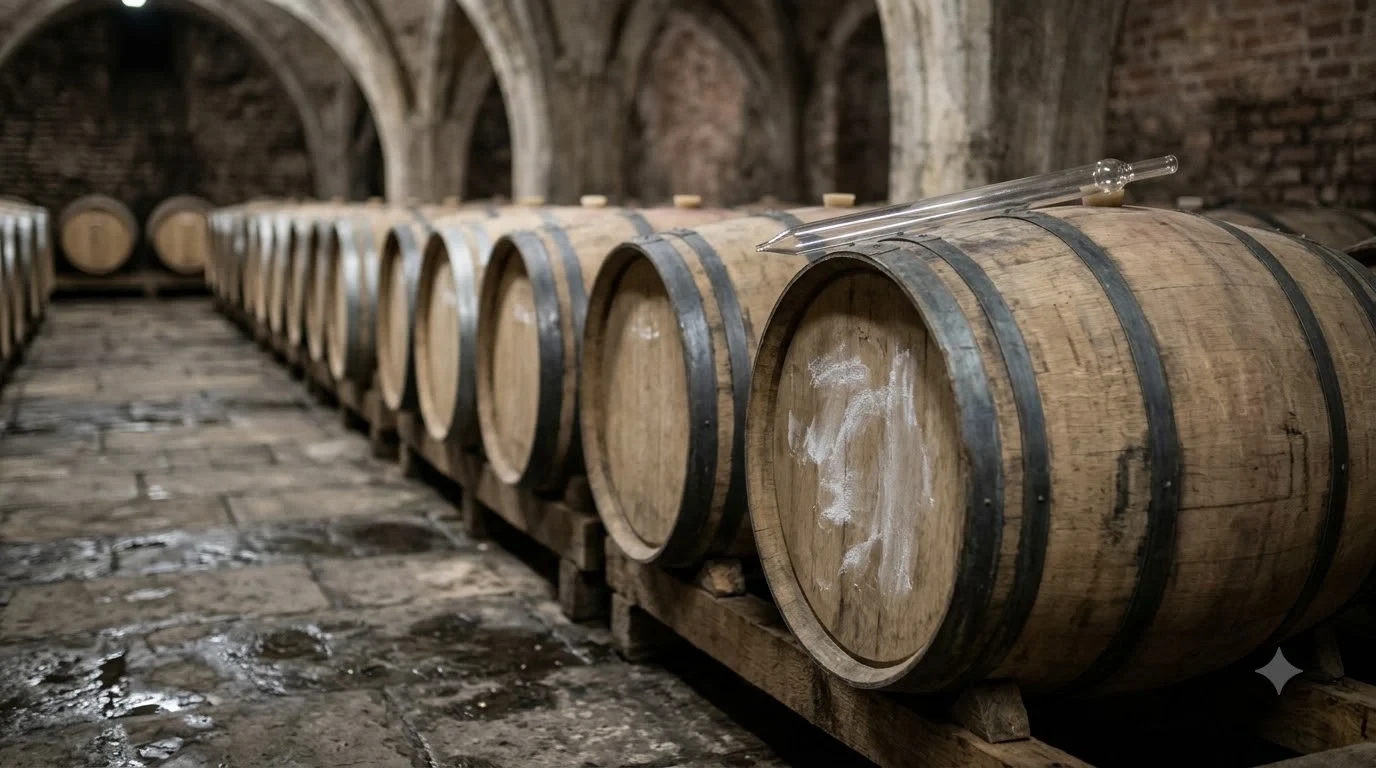
Pindar wine comes from Pindar Vineyards, a winery on Long Island, New York, in the Peconic area of the North Fork. The estate is part of a wine region known for cool maritime growing conditions and a wide mix of grapes, and its wines reflect that setting. Because detailed public information about the winery’s history and the full range is limited, this guide focuses on where the wine is made, how Long Island wines generally differ from wines from other American regions, and how to choose a bottle with confidence.
Pindar is one of the names that appears in Long Island wine listings, tasting room directories and regional guides. Shoppers and visitors often want to know what sets a local winery apart from larger national brands, and the answer depends a great deal on where the grapes were grown. This guide explains the location, the regional context, what to look for on the label and how to decide whether a Long Island bottle fits your table. For a wider look at how producers differ, the wine brands guide is a useful companion.
Where Pindar Wine Comes From
The regional wine directory for Long Island lists Pindar with a visit page and an address on New York State Route 25 in Peconic, New York. The same directory also places the winery in Cutchogue in another listing, which reflects how close these communities are on the North Fork. For a buyer, the practical point is that the winery sits in the eastern part of Long Island, surrounded by other producers.
Long Island has become one of the more notable wine regions on the East Coast. It is a long, narrow strip of land with water on both sides, and its marine air moderates temperatures through the growing season. That cooling influence is one of the main reasons the region is compared with other cool-climate areas, and it shapes the acidity and freshness in many of the local wines.
What Long Island Wine Tends to Taste Like
Wines from Long Island often show bright acidity and a clean, fresh profile. Warm days help the grapes ripen, while cool nights and sea breezes help them keep their structure. The result is a style that many drinkers find balanced, neither overly ripe nor sharp, and that makes the wines flexible at the table.
Because the region grows a range of grapes, the taste can vary considerably from one producer to the next. Some wineries focus on red varieties, while others concentrate on whites and rosés. The best way to understand a specific bottle is to read the grape variety and the vintage on the label, then compare the producer’s description with what you expect from the style.
| What to check | Why it matters |
|---|---|
| Grape variety | The grape sets the core flavor, from crisp whites to structured reds |
| Vintage | Weather in a given year changes the balance of fruit and acidity |
| Appellation or region | Confirms the grapes were grown on Long Island rather than elsewhere |
| Producer notes | Describes the intended style and suggested food pairings |
Tip: If a local winery offers tastings, ask the staff which bottles are closest to your usual preferences. A short conversation often helps more than reading a long list of tasting notes.
How to Serve and Pair Local Long Island Wine
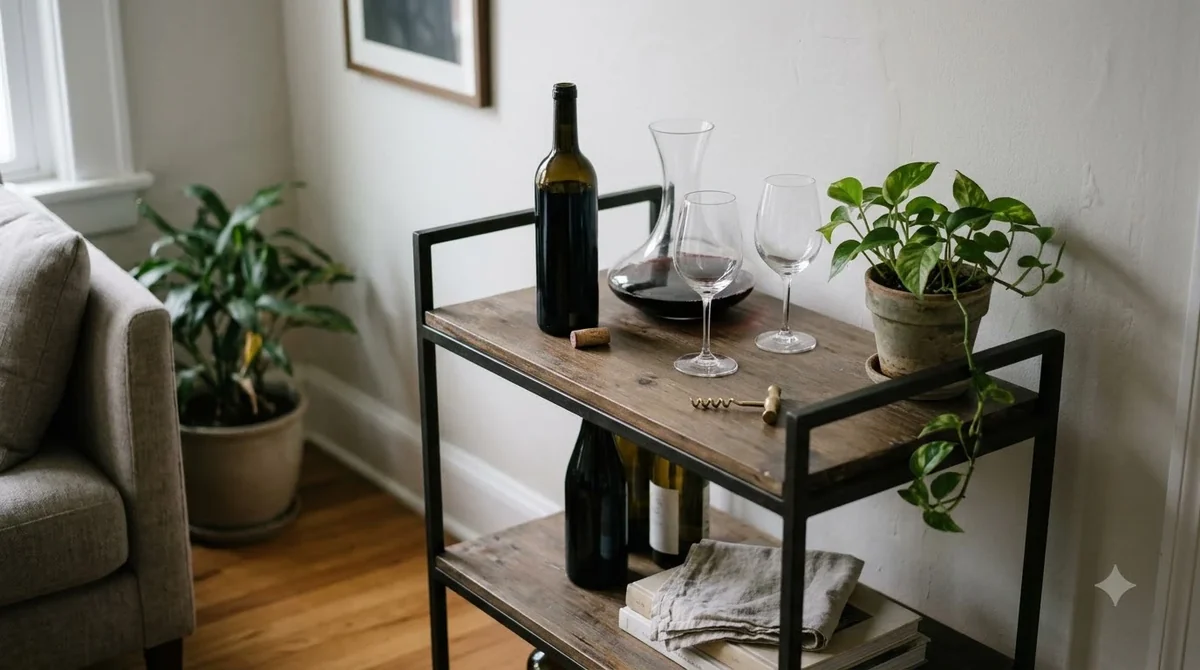
Serve white and rosé wines chilled, and give red wines a short rest out of the bottle before pouring so the aromas can open. A large glass is useful for reds, while a smaller glass keeps a chilled white at a steady temperature for longer.
The bright acidity common in Long Island wines makes them a good match for seafood, shellfish and fresh salads, which suit the coastal setting. Lighter reds fit grilled chicken, pork and tomato-based dishes, while the richer styles pair with roasted meats and aged cheeses.
How to Choose a Pindar Bottle
Start with the occasion. For a casual dinner, a fresh white or rosé is a practical choice. For a longer meal or a gift, a red with more structure may suit better. Check the grape variety first, because it gives you the clearest sense of how the wine will taste.
Next, look at the vintage and any producer notes on the back label. Recent vintages are usually the freshest, and the notes often describe intended food pairings. If you plan to keep a bottle for a while, ask about the wine’s structure and whether it is built for short-term drinking or longer aging.
It also helps to think about how you will drink the wine. A bottle bought for a weekend lunch can be opened the same day, while a red intended for a dinner party benefits from a little time to settle after it is moved. Matching the wine to the moment usually matters more than chasing a specific label, and a friendly staff member at a tasting room can often point you toward a bottle that fits the plan.
Finally, consider how many people you are serving. A chilled white or rosé is an easy choice for a group, because it suits a wide range of starters and light mains. A single red works well for a smaller table where everyone is eating the same main course, and it gives the conversation a clear focus.
If you want a sparkling option for a celebration, the La Marca Prosecco guide covers a widely available sparkling wine that suits a range of occasions. For an easy-drinking, mass-market comparison, the Barefoot wine guide shows how a different style of brand is presented.
Who Local Long Island Wine Suits
Long Island wine suits drinkers who like balanced, fresh wines with clear regional character. It is a good choice for visitors who want to try wines that reflect where they are, and for buyers who enjoy supporting smaller, locally rooted producers. Drinkers who want a very consistent, mass-produced flavor from bottle to bottle may prefer a national brand, because the character of a small regional wine can shift more from year to year.
Shoppers should also keep in mind that available bottles, tasting room hours and releases change over time. Check the winery’s own listings or the regional directory before planning a visit or a purchase, so you know what is currently offered.
Frequently Asked Questions
Where is Pindar wine made?
Pindar Vineyards is on Long Island, New York, in the Peconic area of the North Fork. Regional directory listings place the winery on New York State Route 25.
What kind of wine is Long Island known for?
The region is known for fresh, balanced wines shaped by cooling maritime air. Producers grow a range of grapes, so the style can vary from one winery to the next.
How do I know which Pindar wine to buy?
Start with the grape variety and the vintage on the label, then read the producer notes. Asking staff at a tasting room about your usual preferences is also a helpful step.
How should I serve a Long Island white or rosé?
Serve it well chilled. The bright acidity common in the region suits seafood, shellfish, fresh salads and light dishes.
Pindar wine is worth exploring if you enjoy fresh, balanced wines with a clear sense of place. Check the grape and vintage, read the producer’s notes, and confirm current availability with the winery before you buy or plan a visit. Regional wines are often easier to enjoy when you understand the setting behind them, so a little background on the North Fork goes a long way toward making the next bottle a more informed choice.
More in Wine Brands
 Underwood Wine Price: Compare Bottles, Cans, and Pack SizesUpdated Nov 21, 2026
 Zenato Wine Price: Compare Styles and Choose the Right BottleUpdated Nov 21, 2026
 Zuccardi Wine Price: Compare Bottles and Find the Right RangeUpdated Nov 21, 2026
 Yellow Tail Moscato Review: Taste, Sweetness and Serving TipsUpdated Nov 21, 2026
 Wolf Blass Yellow Label Review: Choose Your Best StyleUpdated Nov 21, 2026
 Wolffer Estate Rose Review: Choose the Right Bottle for Your TableUpdated Nov 21, 2026