

We may earn a commission when you buy through links on this page, at no extra cost to you. Learn more.
Sweet champagne is usually a demi-sec or doux style, meaning the sugar added at the final stage of production is high enough to make the wine taste clearly sweet. Most bottles labeled “sweet” fall in the demi-sec range, which is roughly 32 to 50 grams of sugar per liter. Doux is sweeter still, at more than 50 grams per liter, and it is now rare. This guide explains how Champagne sweetness is measured, what the label terms mean, and how to serve and pair a sweeter bottle.
Many people assume every Champagne is dry, and that is largely true of the bottles most often seen in shops. But the wine has a full scale of sweetness, and the label tells you where a bottle sits on it. Once you know the terms, you can choose a sweeter bottle on purpose instead of guessing, and you can match it to the right food or occasion.
How Champagne Sweetness Is Set
Champagne is a sparkling wine, and its sweetness is decided at the very end of production. After the wine has fermented and aged, the bottle is opened to remove the sediment, and a small amount of sugar and wine, called the dosage, is added before the final cork is put in. The amount of sugar in that dosage sets how sweet the finished wine tastes. The level is measured in grams of sugar per liter.
Because the dosage is added last, two bottles from the same house can taste quite different depending on the sweetness the producer chose. Champagne labels must state the sweetness category, so the term on the bottle is the most reliable guide for the style inside.

The Champagne Sweetness Scale
The categories run from the driest to the sweetest, and each has a sugar range. The boundaries are set by regulation and by common practice, so they can shift slightly between sources. The table below uses the ranges commonly quoted by wine writers for the main terms.
| Label term | Sugar (g/L) | How it tastes |
|---|---|---|
| Brut nature | 0 to 3 | Bone dry, with no added sugar |
| Extra brut | 0 to 6 | Very dry, just a touch less than brut nature |
| Brut | 0 to 12 | Dry, with sugar used to keep the wine balanced |
| Extra dry | 12 to 17 | Slightly sweeter, with more pronounced fruit |
| Sec | 17 to 32 | Noticeably sweet, despite the word “dry” |
| Demi-sec | 32 to 50 | Clearly sweet, with ripe fruit flavors |
| Doux | 50 and above | Dessert-level sweetness, now rare |
Tip: The name “extra dry” is misleading. It is actually sweeter than brut, so if you want a dry bottle, look for brut or a lower category instead.
Demi-Sec: The Sweet Champagne Most People Mean
When shoppers search for sweet Champagne, they are usually looking for demi-sec. The word means half-dry in French, and it is the most common sweet style on the market. Tasters often describe demi-sec as fruity, with notes of apricot, lychee and peach, balanced by toast and citrus so the wine does not feel heavy. A well-made demi-sec can be very balanced, which is why many people find it more enjoyable than they expected.
Demi-sec works well as an aperitif for guests who do not enjoy dry sparkling wine, and it is a natural choice for dessert. Its sweetness is strong enough to stand up to fruit tarts, cakes and creamy desserts without the wine being overwhelmed.
Doux and Other Very Sweet Styles
Doux is the sweetest category on the scale, with more than 50 grams of sugar per liter. It was once common, because Champagne was historically much sweeter than it is now, but tastes changed over the twentieth century and doux became a niche style. Today it is found mainly in older-style bottles or from producers that specialize in sweet sparkling wine.
Doux is a dessert wine in the full sense. It is best served with fruit-based desserts or served on its own after a meal. Because it is so sweet, a small glass is enough, and it pairs best with dishes that are not too sugary themselves.
How to Serve Sweet Champagne
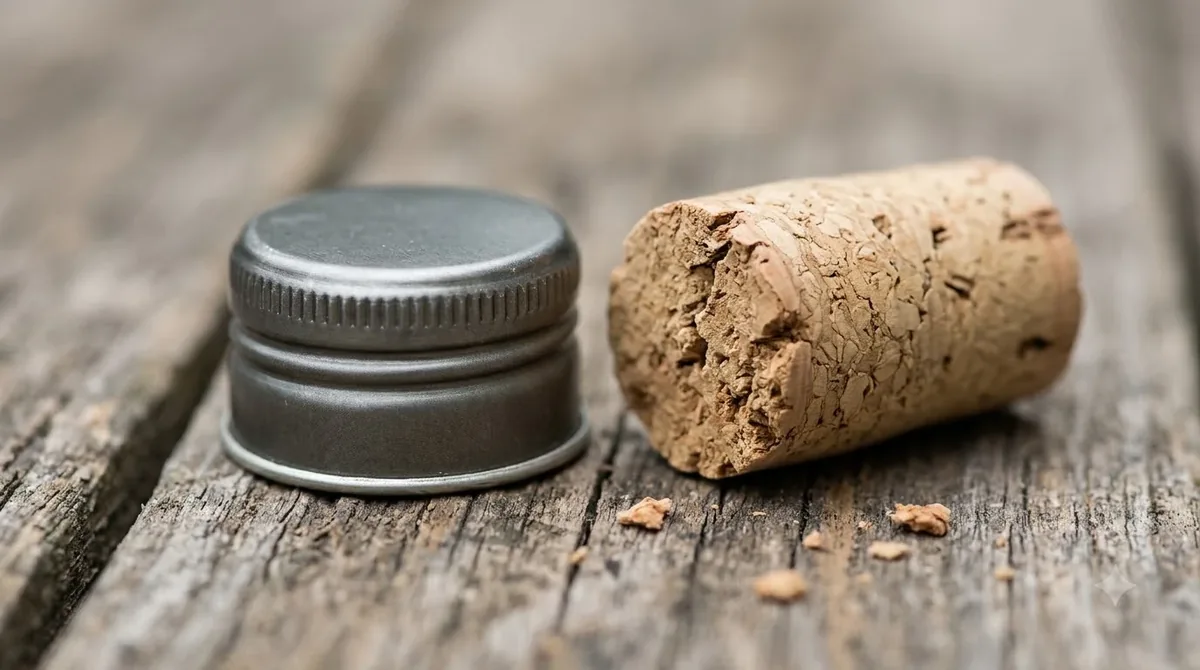
Serve sweet Champagne well chilled, since a cool temperature keeps the fruit crisp and the sweetness balanced. Use a standard flute or a tulip-shaped glass so the bubbles and aromas can develop. Pour gently to keep the wine fizzy, and avoid letting the glass sit too long before drinking, because the bubbles fade over time.
Sweet Champagne does not need decanting or long aeration. Open the bottle when you are ready to pour and enjoy it fresh. Leftover demi-sec can be kept corked in the fridge for a day or two, though it will lose some sparkle. A sealed stopper or a dedicated champagne saver helps hold the bubbles longer, and a bottle kept cold will keep its fruit character better than one left at room temperature.
Food Pairings for Sweet Champagne
Pair demi-sec with desserts that have fruit, such as tarts, cakes made with berries or peaches, and light custards. It also works with spicy Asian dishes, since the sweetness calms heat in the way that off-dry wines often do. Fresh fruit and soft cheeses are easy partners for a lighter demi-sec.
For brut and drier styles, the choice is different. Brut is a common partner for seafood and fried foods, and it is a good match for a wide range of starters. If you enjoy sweet wines in other categories, the sweet red wine, sweet white wine and sweet dessert wine guides explain how those styles compare.
How to Buy a Sweet Champagne
Start by reading the label. The sweetness term appears on the bottle, so you can check the category before you buy. Demi-sec is the term to look for if you want clearly sweet sparkling wine, while doux is rare enough that you may need to ask a specialist shop to find one.
Consider the occasion as well. A demi-sec is a good gift for someone who finds dry Champagne too sharp, and it works well at brunch or with dessert. It is also worth tasting a sweeter bottle at home before buying a case, since personal taste varies a lot. For more background on how labels work, the Wine Buying Guides section covers the terms shoppers see most often. You can also read the VinePair guide to sparkling wine sweetness for a concise breakdown of the scale.
Frequently Asked Questions
What does “sweet” mean on a Champagne label?
On most bottles, “sweet” corresponds to the demi-sec category, which carries roughly 32 to 50 grams of sugar per liter. It is the sweetest common style, while doux is even sweeter and rarer.
Is demi-sec the same as sweet Champagne?
Demi-sec is the most common sweet Champagne. Some people also use the broader term to mean any off-dry style, but demi-sec is the category to check on the label.
Is extra dry Champagne sweeter than brut?
Yes. Extra dry contains more sugar than brut, around 12 to 17 grams per liter compared with 0 to 12 for brut, so despite the name it tastes slightly sweeter.
What food goes with sweet Champagne?
Demi-sec pairs well with fruit desserts, light cakes and soft cheeses, and it can also suit spicy Asian dishes. Doux is best with very sweet desserts or served alone after a meal.
Sweet Champagne is easy to find once you know what to look for. Read the sweetness term on the label, start with a demi-sec, and match the bottle to the food or occasion. You may find that a sweeter style becomes a favorite.
More in Wine Buying Guides
 Riesling Gift: Choose a Bottle They’ll LoveUpdated Nov 21, 2026
 Sweet Red Wine Gift: Choose a Bottle They’ll LoveUpdated Nov 21, 2026
 Malbec Gift: How to Choose a Memorable Bottle for Any OccasionUpdated Nov 21, 2026
 Sherry Gift Ideas That Match Every Wine LoverUpdated Nov 21, 2026
 Moscato Gift: How to Choose a Sweet Wine They’ll LoveUpdated Nov 21, 2026
 Merlot Gift: How to Choose a Bottle They’ll AppreciateUpdated Nov 21, 2026