


We may earn a commission when you buy through links on this page, at no extra cost to you. Learn more.
Woodbridge wine is an everyday California wine line made by Woodbridge by Robert Mondavi, a brand the producer says began in 1979 around the idea that great wine doesn’t need a special occasion. The range covers reds such as Cabernet Sauvignon, Pinot Noir and Merlot, along with whites and rosé including Chardonnay, Sauvignon Blanc, Pinot Grigio and Moscato. The wines are presented as approachable bottles for regular meals.
This guide explains where Woodbridge comes from, what the main wines taste like, how to serve them, and how the brand fits among other widely sold everyday wines. The goal is to help you decide whether a Woodbridge bottle suits the meal or gathering you have in mind.
Who makes Woodbridge and where it comes from
Woodbridge is produced under the Woodbridge by Robert Mondavi name. The brand’s own website lists the company as based in Acampo, California, and describes its wines as California-grown. That origin statement is the main geographic detail the producer publishes for the range as a whole.
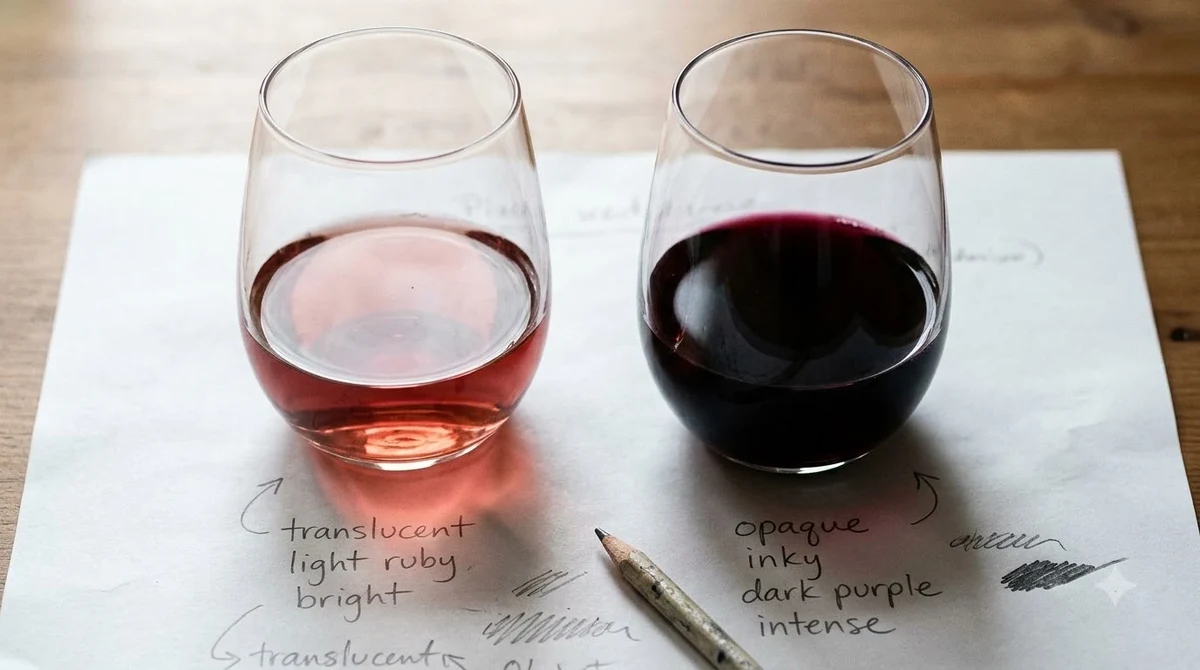
The brand’s story centers on accessibility. According to the website, the idea behind the label is that a good glass of wine belongs at an ordinary dinner as much as at a celebration. That positioning explains why the range is built around familiar varieties that most people already recognize on a restaurant or shop shelf.
Because the producer names California as the origin rather than listing individual appellations or single vineyards for most bottlings, it is easier to think of Woodbridge as a house style than as a collection of site-specific wines. Shoppers who want a precise sense of place may prefer to look at regional producers, while shoppers who want a consistent everyday pour often find a house style more useful.
The reds and whites in the lineup
The range includes both red and white styles, with a few wines in each family. On the reds side, the brand’s website lists Cabernet Sauvignon, Pinot Noir, a Rich Red Blend, Merlot and a Red Blend. On the whites and rosé side, it lists Chardonnay in buttery and lightly oaked versions, Sauvignon Blanc, Pinot Grigio, Moscato, Riesling and Rosé.
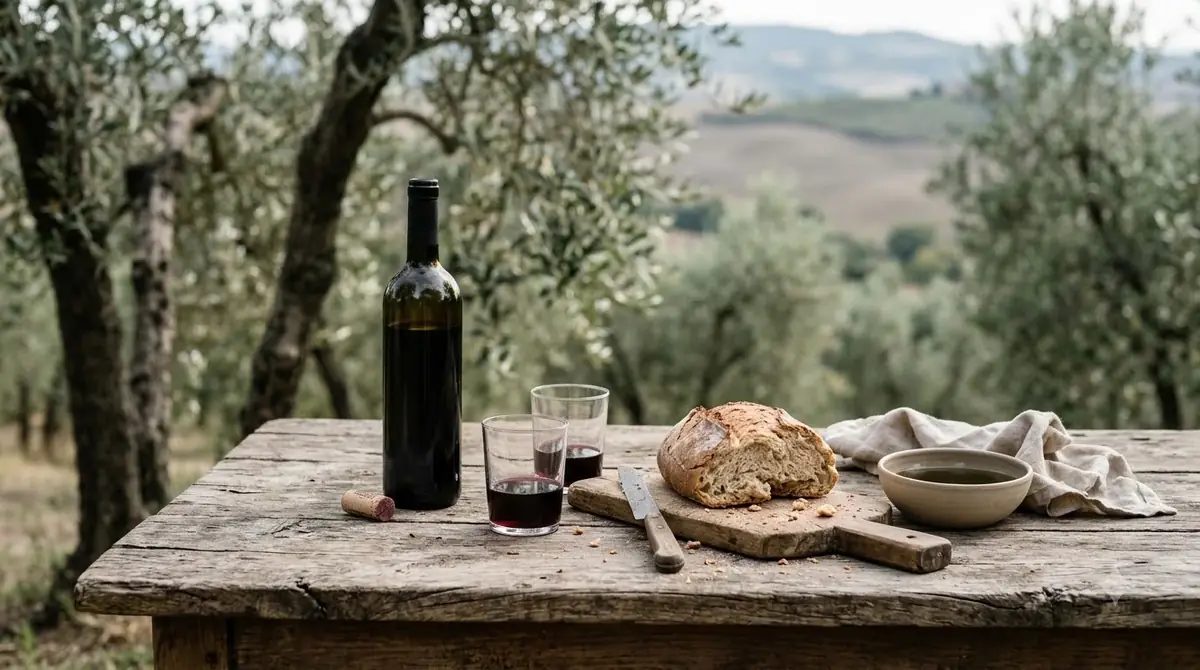
That spread matters when you are shopping for a group. A table with guests who prefer lighter reds, crisp whites and a sweeter option can be covered by a few bottles from the same brand, which is one reason mass-market lines are popular for casual entertaining.
Chardonnay is the most flexible white in the lineup. The buttery style is usually richer and rounder because of oak and the creamy texture it can develop, while the lightly oaked version tends to show more fruit and a cleaner finish. Sauvignon Blanc and Pinot Grigio are generally lighter and crisper, which suits warm weather and simple dishes better than heavier whites do.
Taste profile and styles at a glance
Each variety in the range tends to show a recognizable character, and the table below summarizes the general profile of the main styles. These descriptions reflect how each variety typically tastes rather than tasting notes for any single vintage, so use them as a starting point and adjust to your own preferences.
| Style | Typical character | Works well with |
|---|---|---|
| Cabernet Sauvignon | Full bodied, dark fruit, firmer tannins | Grilled beef, hearty stews, aged cheese |
| Pinot Noir | Lighter red, red cherry, softer tannins | Roast chicken, mushroom dishes, salmon |
| Merlot | Medium bodied, plum-like fruit, smooth finish | Roast beef, pasta with tomato sauce |
| Chardonnay, lightly oaked | Medium body, apple and citrus notes | Chicken, creamy pasta, mild seafood |
| Chardonnay, buttery | Richer, creamy texture, oak influence | Lobster, rich sauces, roast pork |
| Sauvignon Blanc | Crisp, herbal, citrus | Goat cheese, salads, fish tacos |
| Pinot Grigio | Light, fresh, mild fruit | Light appetizers, shellfish, summer lunches |
| Moscato | Lightly sweet, fruity, aromatic | Spicy takeout, fruit desserts |
Tip: If you are unsure which style you like, buy one red and one white from the same brand. Comparing them side by side tells you more about your taste than any description.
How to serve Woodbridge wines
Serving temperature has a large effect on how any wine tastes, and the brand’s own customer reviews point to the same habit. One reviewer quoted on the site describes a wine as wonderful when served well chilled, which matches the general advice for whites and rosé. Chilling in the refrigerator for a while before pouring keeps the wine fresh and less heavy on a warm day.
Reds deserve more care than most people give them. A bottle that is too warm can taste flat and alcoholic, while one that is very cold can hide its fruit. A short rest in a cool room, instead of a long stay in the refrigerator, usually gives the best balance for a medium-bodied red like Merlot or Pinot Noir.
Glassware is the last detail. A medium-sized bowl gives reds room to open, and a slightly narrower glass helps whites keep their aromas. You do not need specialty glasses for everyday drinking, but using a stemmed glass rather than a tumbler makes the wine easier to swirl and smell.
Food pairing and everyday occasions
Woodbridge is positioned for regular meals, so the easiest pairing rule is to match the weight of the wine to the weight of the dish. Light whites and rosé suit salads, seafood and lighter sandwiches. Medium-bodied reds like Merlot pair well with roasted meats, while a fuller Cabernet Sauvignon can stand up to grilled steaks and rich stews.
Sauce often matters more than the main protein. Tomato-based sauces tend to pair well with Merlot or a Red Blend, while cream sauces are a good match for a lightly oaked Chardonnay. A buttery Chardonnay can handle richer seafood such as lobster, although a leaner white may be the better choice for simple fish.
For a casual gathering, it helps to plan a red and a white for the table and one lighter option for guests who prefer something sweeter. If you want to compare other mass-market choices for the same kind of table, the barefoot wine range is another common option for casual dinners.
How Woodbridge compares with other everyday wines
Shoppers often compare Woodbridge with other widely sold labels, and the right choice depends on the job the bottle needs to do. A dependable red for dinner, a crisp white for a warm afternoon, and a sparkling wine for a celebration each call for a different style.
If bubbles are the goal, a dry sparkling option such as la marca prosecco offers a lighter, livelier glass than a still everyday red. For a fruity, sweeter bottle that is easy to sip, stella rosa wine sits in a very different part of the market. Comparing the style first, then the brand, usually leads to a better result than choosing by name alone.
The producer’s own description is a useful reference point. The brand’s website describes the wines as well balanced and flavorful, and customer comments on the site praise the value for everyday drinking. Those claims come from the producer and its customers, so treat them as the brand’s positioning rather than as independent judgments, and taste a few bottles yourself to see which fits your table best. For more background on how brands like this are organized, our Wine Brands guides cover the wider market.
See also the producer’s own site for current lineup details: the Woodbridge website.
Frequently Asked Questions
Who makes Woodbridge wine?
Woodbridge wine is made under the Woodbridge by Robert Mondavi name. The brand’s website lists the company as based in Acampo, California.
Where do Woodbridge wines come from?
The brand describes its wines as California-grown. It does not publish a detailed list of sub-regions for most of its bottlings, so California is the origin to look for on the label.
What kinds of wine does Woodbridge make?
The lineup includes reds such as Cabernet Sauvignon, Pinot Noir, Merlot and a Red Blend, plus whites and a rosé such as Chardonnay, Sauvignon Blanc, Pinot Grigio, Moscato, Riesling and Rosé. Availability can vary by store and by year.
How should I serve Woodbridge wine?
Serve whites and rosé well chilled. Give medium-bodied reds a short rest in a cool room so the fruit can show, and pour them into a stemmed glass that gives room to swirl.
Woodbridge works best as a reliable everyday bottle with a clear house style. Start with the variety you already enjoy, match its weight to your meal, and adjust from there. Once you know which style you prefer, it becomes much easier to pick the next bottle with confidence.
More in Wine Brands
 Underwood Wine Price: Compare Bottles, Cans, and Pack SizesUpdated Nov 21, 2026
 Zenato Wine Price: Compare Styles and Choose the Right BottleUpdated Nov 21, 2026
 Zuccardi Wine Price: Compare Bottles and Find the Right RangeUpdated Nov 21, 2026
 Yellow Tail Moscato Review: Taste, Sweetness and Serving TipsUpdated Nov 21, 2026
 Wolf Blass Yellow Label Review: Choose Your Best StyleUpdated Nov 21, 2026
 Wolffer Estate Rose Review: Choose the Right Bottle for Your TableUpdated Nov 21, 2026