

We may earn a commission when you buy through links on this page, at no extra cost to you. Learn more.
Understanding sterling wine price comes down to four distinct collection tiers that separate everyday California table wines from limited single-vineyard Napa Valley Cabernet Sauvignon. Entry-level Vintner’s Collection bottles occupy the budget-friendly everyday bracket, while Napa Valley appellations sit in the mid-range tier. At the top end, Platinum blends, Reserve sub-appellation bottlings, and single-vineyard releases command collector pricing driven by small vineyard yields and extended oak aging.
Founded in 1964 near Calistoga in northern Napa Valley, Sterling Vineyards offers one of the widest price ladders among major California wine brands. Shoppers often spot an affordable bottle of sterling wine on a neighborhood grocery shelf and later find a rare Napa release listed much higher online, making label literacy essential before buying.
How Sterling Wine Pricing Works Across Tiers
Sterling Vineyards divides its portfolio into four clear tiers based on grape origin and barrel aging. Reading the appellation on the front label immediately reveals whether a bottle is built for casual pouring or cellar aging.
English expatriate Peter Newton founded the winery in 1964 and produced its first vintage in 1969, planting Merlot and Chardonnay in Calistoga when neighbors focused mainly on Cabernet Sauvignon. International recognition followed at the 1981 Ottawa Wine Tasting, and Treasury Wine Estates acquired the winery in 2016 after earlier ownership under The Coca-Cola Company, Seagram, and Diageo.
At the entry level, the Vintner’s Collection sources grapes from broader California and Central Coast vineyards rather than single Napa estates. By blending across larger coastal regions for immediate fruit purity, the winery keeps these everyday bottles widely accessible in grocery stores and wine shops nationwide.
Once a label carries the Napa Valley name or a nested sub-appellation, grape costs and production standards rise sharply. According to the Sterling Vineyards official catalog, the upper tiers progress through Napa Valley appellations, Platinum blends, Reserve sub-appellation wines, and single-vineyard Cabernet Sauvignon releases.
Sterling Vineyards Collection Tiers Compared
Each tier in the Sterling portfolio matches a distinct geographic origin with specific winemaking and aging standards. Comparing all four levels side by side clarifies what stepping up buys in the glass.
| Collection Tier | Primary Appellations | Key Varietals | Relative Price Bracket |
|---|---|---|---|
| Vintner’s Collection | California and Central Coast | Cabernet Sauvignon, Merlot, Pinot Noir, Chardonnay, Sauvignon Blanc, Meritage | Entry-level everyday |
| Napa Valley and Carneros | Napa Valley AVA, Los Carneros AVA | Napa Valley Cabernet Sauvignon, Chardonnay, Carneros Pinot Noir | Mid-tier regional |
| Platinum and Reserve | Napa Valley, Calistoga, Diamond Mountain District, St. Helena | Platinum Cabernet Sauvignon, Reserve Cabernet Sauvignon, Cabernet Franc, Malbec | Upper-tier collector |
| Single-Vineyard | Yountville, Mt. Veeder, named estate blocks | Sleeping Lady, Yates Family, Clairmore, Petersen Ranch Cabernet Sauvignon | Top-tier luxury |
In the everyday Vintner’s Collection, buyers find approachable sterling red wine staples such as Cabernet Sauvignon, Merlot, Pinot Noir, and Meritage alongside crisp sterling white wine selections like Chardonnay and Sauvignon Blanc. Winemakers craft these bottles for supple tannins, bright fruit, and immediate enjoyment without decanting.
Stepping up to the Napa Valley and Los Carneros tier delivers deeper concentration and regional identity. The producer notes that Napa Valley Cabernet Sauvignon pairs dark fruit richness with structured tannins, while Los Carneros Pinot Noir reflects cool bay breezes and Napa Valley Chardonnay gains subtle oak framing. Above this level sit Platinum Cabernet Sauvignon, Reserve sub-appellation bottlings, and single-vineyard flagship wines.
What Drives the Cost of Sterling Bottles
Four production factors explain the gap between an entry-level California bottle and a flagship Napa Valley release. Vineyard scarcity, hillside viticulture, oak barrel programs, and small batch sizes directly shape retail pricing.
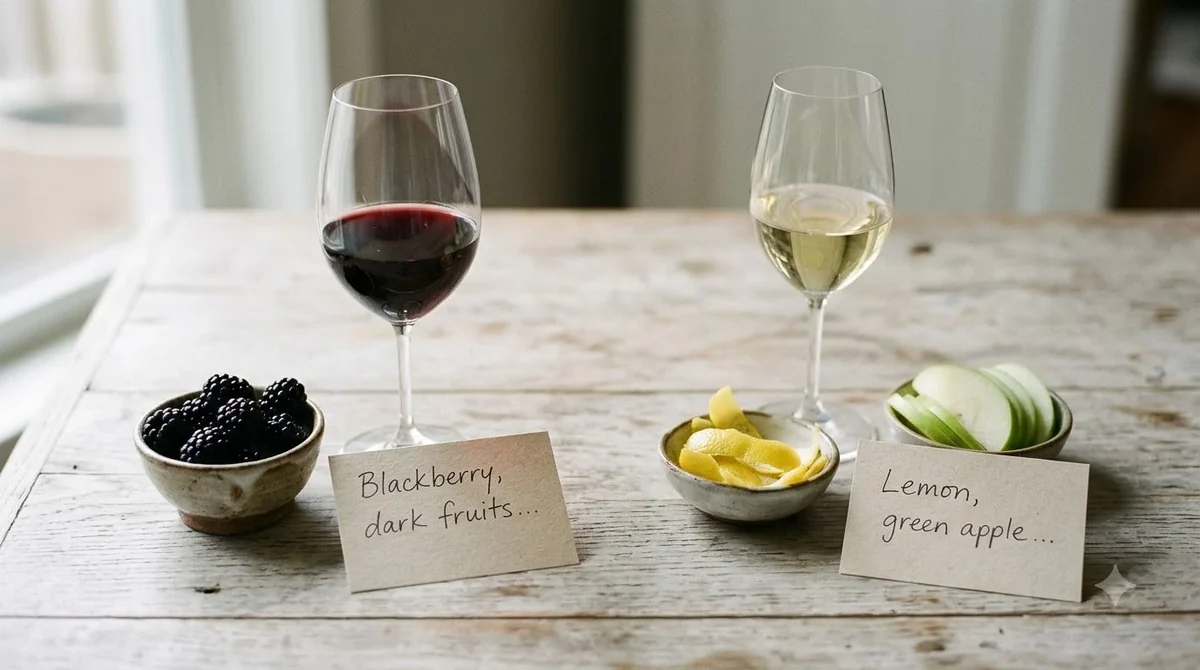
Appellation sourcing is the biggest cost driver in Napa Valley. Grapes from broader Central Coast or California appellations grow at higher yields, whereas Napa Valley fruit—especially from Diamond Mountain and Mt. Veeder—grows on steep volcanic slopes with dry farming and small clusters. The producer notes that Diamond Mountain Ranch vines grow in austere volcanic soils that restrict yields and concentrate tannins.
Oak cooperage and barrel aging add significant expense in the Platinum and single-vineyard tiers. For its 2021 Platinum Cabernet Sauvignon, the winery aged separate small lots for 18 months in 55 percent French oak, 39 percent Hungarian oak, and 6 percent American oak, with 53 percent new barrels. By contrast, the 2018 Sleeping Lady Vineyard Cabernet Sauvignon aged 18 months in 90 percent new French oak.
Intensive vineyard care and tiny lot sizes push flagship releases higher still. At Sleeping Lady Vineyard in Yountville, specialized trellising ripens clusters in dappled sunlight to build thicker grape skins, followed by hand sorting and fermentation with regular pump-overs for up to 20 days. Limited allocations—including single-vineyard blocks and small-lot reserves like Iridium—mean far fewer cases reach buyers each vintage.
Where to Find Sterling Wines and How Formats Affect Value
Where you shop and which bottle format you select strongly influence what you pay for Sterling wines. National retailers stock entry-level tiers broadly, whereas reserve and single-vineyard bottlings center on winery-direct channels.
Supermarkets, warehouse clubs, and neighborhood wine shops nationwide carry the Vintner’s Collection and often stock core Napa Valley Cabernet Sauvignon or Chardonnay in standard 750 mL bottles, with select everyday wines also sold in 1.75 L formats. Because these lines are bottled in larger quantities for broad retail distribution, stores frequently run multi-bottle discounts or seasonal promotions.
Conversely, Platinum, Reserve AVA, and single-vineyard releases sell mainly through the Calistoga tasting room, the winery website, club allocations, and fine wine merchants. As Wine Enthusiast notes, Sterling is the only Napa Valley winery reached by an aerial tram, and its hilltop facility—rebuilt with 13 Doppelmayr cabins in 2023 after the 2020 Glass Fire—provides access to rare releases and case discounts.
How to Match a Sterling Tier to Your Occasion
Selecting the right Sterling tier means matching wine structure and aging potential to your meal and gathering. Spending more pays off only when the menu calls for concentrated tannins and oak depth.
Tip: Read the appellation line directly below the Sterling Vineyards crest before purchasing—California or Central Coast signals an easygoing everyday bottle, while Napa Valley or a sub-AVA signals firmer structure.
For weeknight pasta, roast chicken, burgers, or casual gatherings, the Vintner’s Collection provides dependable varietal flavor without requiring complex dishes. Its California Merlot and Pinot Noir deliver soft red fruit suited to grilled salmon or mushrooms, while the Sauvignon Blanc and Chardonnay bring crisp citrus and orchard fruit to salads, shellfish, and mild cheeses.
For a holiday roast, steak dinner, or milestone gift, stepping up to Napa Valley Cabernet Sauvignon, Platinum Cabernet Sauvignon, or a Reserve mountain wine supplies the grip needed for rich meats. The producer pairs its Diamond Mountain Cabernet Sauvignon with slow-braised beef short ribs, explaining that firm mountain tannins and lively acidity balance marbled beef alongside dark chocolate and currant notes.
Serving and Cellaring Tips by Price Tier
Proper serving temperature, decanting, and storage protect the value of whichever tier you open. Everyday bottlings are ready upon purchase, whereas upper-tier Napa Valley reds reward patience in the decanter and cellar.
White wines from the Vintner’s Collection and Napa Valley tiers taste best chilled from the refrigerator and allowed to warm slightly in the glass so fruit and oak aromatics emerge. For structured Napa Valley, Platinum, and Reserve Cabernet Sauvignon, the producer recommends serving between 62 and 65°F and decanting young mountain bottles for about an hour before dinner.
Long-term cellaring belongs exclusively to the top two tiers. While Vintner’s Collection reds are intended for drinking within a few years of release, the winery notes that Platinum Cabernet Sauvignon develops over 10 to 15 years in cool, dark storage, and single-vineyard releases like Sleeping Lady Vineyard Cabernet Sauvignon can age for 10 to 20 years.
Frequently Asked Questions
Why is Vintner’s Collection more affordable than Napa Valley Sterling wines?
Vintner’s Collection wines source grapes from broader California and Central Coast appellations where land costs less and yields are higher. Napa Valley and single-vineyard releases rely on scarce Napa County fruit, smaller yields, hand sorting, and extended aging in French and Hungarian oak barrels.
Which Sterling Vineyards wine tier is best for cellar aging?
Platinum Cabernet Sauvignon, Reserve sub-appellation bottlings, and single-vineyard Cabernet Sauvignon releases are built for cellaring. According to the winery, Platinum Cabernet improves over 10 to 15 years, while single-vineyard bottlings like Sleeping Lady Vineyard can develop for 10 to 20 years in proper storage.
Are Sterling Vineyards wines sold in formats larger than 750 mL?
Yes, while 750 mL is the standard bottle size across every tier, select everyday Vintner’s Collection varietals also appear in 1.75 L bottles at retail stores. For upper-tier Napa Valley, Platinum, and Reserve wines, the winery typically offers 6-bottle and 12-bottle case options.
Does Sterling Vineyards make white wines across all price tiers?
Sterling focuses its upper-tier Platinum, Reserve, and single-vineyard programs primarily on Cabernet Sauvignon and red Bordeaux varietals. White wine drinkers will find Chardonnay and Sauvignon Blanc in the everyday Vintner’s Collection plus Napa Valley Chardonnay in the mid-tier regional lineup.
Checking the appellation line and tier name on a Sterling Vineyards label takes seconds and prevents costly mismatches at the register. Use the Vintner’s Collection for relaxed weeknight meals, step into Napa Valley or Platinum releases for celebratory dinners, and reserve single-vineyard bottlings for dedicated cellar aging.
More in Wine Brands
 Conundrum White Wine Price: Value Tier, Retail Factors, and Bottle GuideUpdated Nov 22, 2026
 Woodbridge Wine Review: Flavors, Lineup, and Best Food PairingsUpdated Nov 22, 2026
 Shafer Wine Price Tiers Explained Across Every Napa Valley BottlingUpdated Nov 22, 2026
 Scarecrow Wine Price Guide: Allocations, Vintages, and Market ValueUpdated Nov 22, 2026
 Joseph Phelps Wine Price Guide: Portfolio Tiers, Vintages, and Buying ChannelsUpdated Nov 22, 2026
 Oyster Bay Wine Price: What Every Bottle Costs and How to SaveUpdated Nov 22, 2026