

We may earn a commission when you buy through links on this page, at no extra cost to you. Learn more.
A balanced woodbridge wine review shows that Woodbridge by Robert Mondavi produces consistent, fruit-forward California wines built for casual everyday drinking rather than long-term cellaring. Founded in Lodi in 1979, the winery focuses on approachable varietals like Cabernet Sauvignon, Chardonnay, and Pinot Grigio between 12% and 13.5% ABV. Offered in sizes from 187 mL bottles to 3 L boxes, the lineup delivers steady varietal character for weeknight meals.
Walk down the wine aisle of almost any American supermarket and you will spot rows of Woodbridge bottles at eye level. Among major wine brands, few have shaped everyday California table wine as visibly over the past four decades. Knowing how these wines are made, what each varietal tastes like, and how to serve them properly makes choosing the right bottle much simpler.
Who Makes Woodbridge Wine
Robert Mondavi founded Woodbridge Winery in 1979 near his childhood home of Lodi, California, to craft reliable, varietally expressive wines for daily meals. Operating out of Acampo in San Joaquin County, the winery relies on Lodi vineyards and multi-lot blending to maintain a steady house style.
The brand’s roots reach back to the early twentieth century, when Cesare and Rosa Mondavi shipped wine grapes from Lodi to families making wine at home before Prohibition began in 1919. Having grown up surrounded by Lodi vineyards, their son Robert saw that the area’s warm climate could yield ripe fruit for accessible table wines. According to Woodbridge Wines, Mondavi acquired a local grower cooperative in 1979 and named it after the neighboring town of Woodbridge, establishing modern Woodbridge wine production.
Geography shapes how these grapes ripen across the Central Valley. Although Lodi sits inland, gaps in the coastal hills draw cool maritime breezes from the Sacramento-San Joaquin River Delta across the vineyards during summer afternoons. That daily shift from warm sunshine to cool nights creates a Mediterranean-like climate, allowing Cabernet Sauvignon and Chardonnay grapes to develop ripe fruit flavors while holding enough natural acidity for balanced drinking.
In the cellar, Woodbridge built its reputation on large-scale technical consistency. It was the first major winery to use the direct-to-press method for white wine at scale, minimizing skin contact to keep citrus and orchard-fruit aromas bright. Winemakers also taste individual lots separately before blending, and as VinePair reported in April 2025, Constellation Brands agreed to sell Woodbridge and several sister labels to Livermore-based The Wine Group in a transaction scheduled to close after the first quarter of fiscal year 2026.
The Woodbridge Wine Lineup
Woodbridge focuses on classic international grape varieties grown across California, pairing dry core bottlings with lighter, lower-alcohol options. Most flagship releases sit between 12% and 13.5% ABV and prioritize fresh fruit clarity over heavy oak extraction.
On the red side, the portfolio centers on Cabernet Sauvignon, Merlot, and Pinot Noir. Rather than chasing high-alcohol concentration or firm tannic grip, the winemaking team blends lots from multiple California sub-regions to create medium-to-full-bodied reds with smooth edges and immediate drinkability.
The white wine selection includes Chardonnay, Pinot Grigio, Sauvignon Blanc, and Riesling, alongside stylistic variations such as Lightly Oaked Chardonnay and Buttery Chardonnay. Offering distinct Chardonnay profiles lets shoppers choose between a leaner pour and a rounder texture, while Pinot Grigio and Sauvignon Blanc stay crisp and citrus-driven.
Alongside its core varietals, the winery produces Woodbridge Sessions, featuring a Red Blend and Sauvignon Blanc bottled at 8% ABV for drinkers seeking lower alcohol per glass. Across the main lineup, Woodbridge has earned multiple Best Buy awards from Wine Enthusiast since 2011.
| Varietal | Body and Style | Typical ABV | Primary Tasting Notes | Serving Temp |
|---|---|---|---|---|
| Cabernet Sauvignon | Medium to full-bodied dry red | 13.5% | Blackberry, dark cherry, cedar, cocoa, toasted oak | 60 to 65°F |
| Chardonnay | Medium-bodied dry white | 13.5% | Tropical fruit, cinnamon, maple, toasted oak | 46 to 50°F |
| Pinot Grigio | Light-bodied crisp white | 12% | Lime, green apple, white peach, clean finish | 45 to 50°F |
| Sauvignon Blanc | Light to medium crisp white | 12.5% | Grapefruit, lemon zest, passionfruit | 45 to 50°F |
| Merlot | Medium-bodied smooth red | 13.5% | Plum, black cherry, integrated tannins | 60 to 65°F |
| Pinot Noir | Light to medium fruity red | 13.5% | Red cherry, berry, light toasted oak | 60 to 65°F |
Taste Profile Across Key Varietals
Across the portfolio, Woodbridge wines share a house style marked by ripe California fruit, soft textures, and restrained oak seasoning. Every bottling is designed to taste open and balanced right upon uncorking.
Tasting notes from the winery describe Woodbridge Cabernet Sauvignon at 13.5% ABV as opening with aromas of dark cherry, cedar, and subtle spice. On the palate, it delivers flavors of blackberry, dark cherry, and a hint of cocoa followed by toasted oak, with polished tannins that avoid harsh astringency.
For white wine fans, Woodbridge Chardonnay at 13.5% ABV leans into warm-climate ripeness, pairing tropical fruit aromas with faint notes of cinnamon and maple on a toasty, medium-bodied finish. Drinkers who prefer brighter acidity without oak gravitate toward the 12% ABV Pinot Grigio, which highlights lime, green apple, and white peach, or the citrus-forward Sauvignon Blanc.
Among the other core reds, Woodbridge Merlot blends dark plum fruit with steady acidity and soft, integrated tannins for a slightly plusher mouthfeel than the Cabernet Sauvignon. The Pinot Noir, bottled at 13.5% ABV, emphasizes red cherry and berry flavors with a touch of toasted oak rather than earthy, savory complexity.
How to Serve and Pair Woodbridge Wines
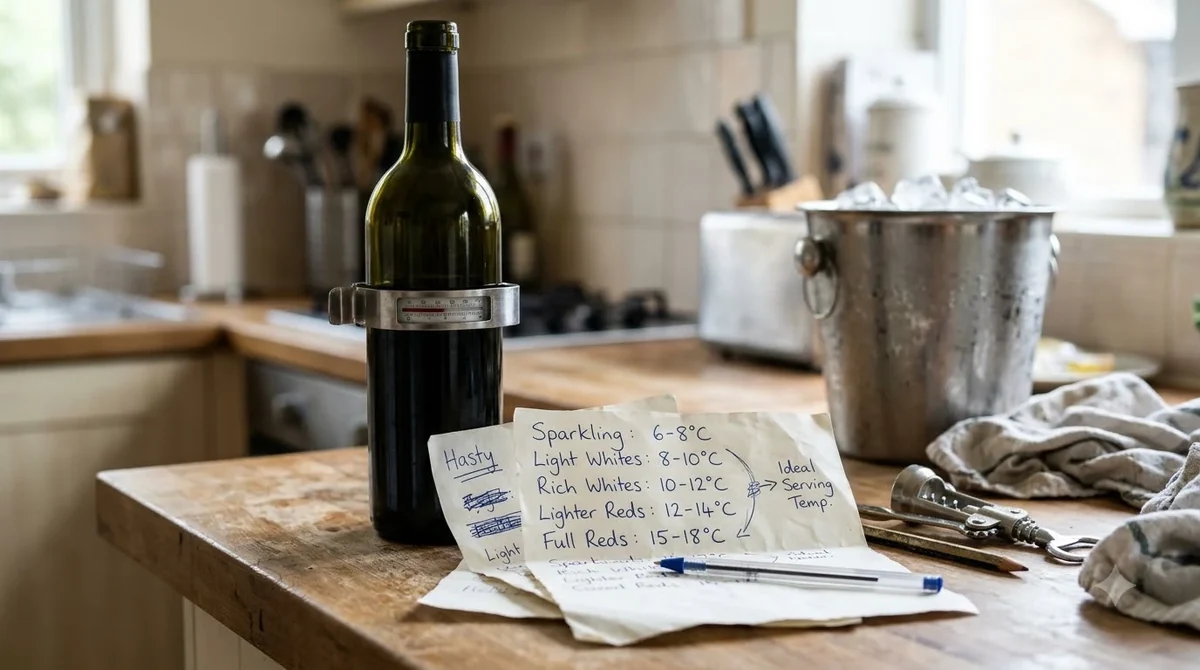
Serving Woodbridge wines at the right temperature sharpens their fruit clarity and keeps alcohol and oak in balance. Because these bottlings are made for immediate enjoyment, they need minimal aeration before pouring with everyday meals.
Red varietals including Cabernet Sauvignon, Merlot, and Pinot Noir taste best between 60 and 65°F, slightly below standard room temperature. Pouring Cabernet Sauvignon into a wide-bowled glass brings out its dark cherry and cedar aromas alongside grilled steaks, burgers, roasted lamb, aged cheddar, or beef-and-tomato pasta sauces, while Pinot Noir pairs smoothly with roast chicken, pork tenderloin, and grilled salmon.
White wines perform best at two slightly different chill ranges. Crisp, unoaked bottles like Pinot Grigio and Sauvignon Blanc shine at 45 to 50°F, whereas Chardonnay opens up better around 46 to 50°F so cold temperatures do not mute its tropical fruit and subtle spice notes. Serve Pinot Grigio with shrimp, lemon-butter scallops, vegetable stir-fry, or goat cheese, and match Chardonnay with lemon-pepper chicken or grilled summer vegetables.
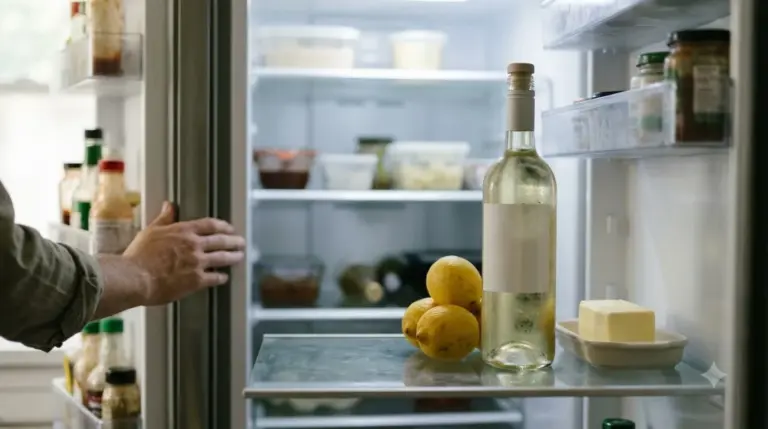
Tip: Chilling a room-temperature bottle of Woodbridge red wine in the refrigerator for 30 to 45 minutes before dinner brings it into the 60 to 65°F sweet spot and keeps fruit flavors crisp.
Storage is equally straightforward. Unopened bottles are meant to be drunk within a few years of purchase rather than cellared; keep them in a cool, dark spot away from direct light. Once opened, reseal tightly, refrigerate both whites and reds, and finish within three to five days for peak freshness.
Packaging Formats and Who Woodbridge Suits Best
One practical strength of Woodbridge is the variety of bottle and carton sizes stocked across supermarkets and wine shops. Matching the package format to the occasion prevents wasted wine and simplifies storage.
Alongside standard 750 mL glass bottles, Woodbridge packages popular varietals in 187 mL single-serve bottles, 500 mL lightweight cartons, 1.5 L magnums, and 3 L bag-in-box containers. Single-serve bottles and 500 mL cartons suit solo weeknight glasses or outdoor venues where glass is restricted, while 1.5 L magnums streamline party pouring and 3 L boxes keep air out for weeks after opening.
Woodbridge suits casual wine drinkers who want predictable, crowd-pleasing flavors without studying vintage charts or appellations. It also works reliably as a house wine for family dinners, holiday gatherings, and home cooks needing an honest dry red or white for pan sauces and braises.
Conversely, enthusiasts seeking single-vineyard terroir character, sharp mineral tension, or complex bottle-aged tertiary notes will find Woodbridge intentionally straightforward. The lineup is blended for consistency and immediate fruit appeal rather than vintage-to-vintage nuance.
Frequently Asked Questions
Is Woodbridge wine sweet or dry?
Most core Woodbridge varietals—including Cabernet Sauvignon, Merlot, Pinot Noir, Chardonnay, Pinot Grigio, and Sauvignon Blanc—are fermented dry, though ripe California fruit flavors create a soft impression on the palate. Woodbridge Riesling and Moscato styles carry noticeable residual sweetness for drinkers who prefer a sweeter finish.
How long does an opened bottle of Woodbridge wine stay fresh?
Once opened, a standard 750 mL bottle of Woodbridge white or red wine stays fresh for three to five days when tightly resealed and refrigerated. For slower pouring over several weeks, the 3 L bag-in-box format blocks oxygen from reaching the remaining wine.
Does Woodbridge wine need to be aged before drinking?
No, Woodbridge wines are blended, finished, and released ready to drink immediately. Because they prioritize fresh fruit character and soft tannins rather than dense cellar structure, they are best enjoyed within one to three years of purchase.
What is the alcohol content of Woodbridge wine?
Most flagship Woodbridge bottlings sit between 12% and 13.5% ABV, with Pinot Grigio typically landing at 12% ABV and Cabernet Sauvignon, Chardonnay, and Pinot Noir reaching 13.5% ABV. The winery also offers Woodbridge Sessions, a lighter line bottled at 8% ABV.
Woodbridge by Robert Mondavi succeeds by focusing on consistency, approachable fruit flavors, and practical packaging rather than exclusivity. Whether you are opening a 750 mL bottle of Cabernet Sauvignon for pasta night or chilling a 1.5 L magnum of Pinot Grigio for guests, serving each varietal at its ideal temperature brings out its best character.
More in Wine Brands
 Conundrum White Wine Price: Value Tier, Retail Factors, and Bottle GuideUpdated Nov 22, 2026
 Sterling Wine Price: How Every Winery Tier ComparesUpdated Nov 22, 2026
 Shafer Wine Price Tiers Explained Across Every Napa Valley BottlingUpdated Nov 22, 2026
 Scarecrow Wine Price Guide: Allocations, Vintages, and Market ValueUpdated Nov 22, 2026
 Joseph Phelps Wine Price Guide: Portfolio Tiers, Vintages, and Buying ChannelsUpdated Nov 22, 2026
 Oyster Bay Wine Price: What Every Bottle Costs and How to SaveUpdated Nov 22, 2026