

We may earn a commission when you buy through links on this page, at no extra cost to you. Learn more.
The conundrum white wine price sits firmly in the accessible everyday-to-mid-tier bracket for California white blends, offering Wagner Family winemaking pedigree without flagship Napa Valley luxury pricing. Produced since 1989 by the family behind Caymus Vineyards, this proprietary blend combines Chardonnay, Sauvignon Blanc, Semillon, and Viognier sourced across premier California coastal and inland growing regions. While shelf tags vary slightly depending on state excise taxes, retailer format, and case discounts, the bottle consistently delivers broad national availability and dependable vintage-to-vintage value.
Shoppers browsing American wine aisles often notice Conundrum White standing beside single-varietal California Chardonnay and Sauvignon Blanc bottles rather than top-shelf Napa Valley collectibles. Understanding how this multi-regional blend is sourced, aged, and distributed explains why its positioning remains steady year after year and what kind of drinking experience buyers receive.
What Drives the Conundrum White Wine Price Tier
The conundrum white wine price reflects a middle-ground strategy that pairs recognized Napa Valley family oversight with flexible statewide grape sourcing. By avoiding single-vineyard Napa Valley appellations and heavy new-oak aging regimens, the winery keeps production costs controlled while delivering layered aromatic character.
Appellation flexibility is the largest cost driver in California winemaking. Rather than paying premium Napa Valley per-ton grape prices for every lot, the cellar team draws fruit from sought-after coastal and inland growing areas stretching from Napa Valley down to Santa Barbara County and the Central Coast. Carrying a statewide California designation allows the winery to adjust vineyard sources each harvest based on quality and yield, insulating the bottle from localized weather spikes or tight regional supply.
Cellar aging choices and production scale also keep conundrum white wine attainable compared with reserve California whites. According to the producer’s technical notes, the blend is fermented and aged in stainless steel tanks alongside a small portion of neutral French oak barrels, avoiding the recurring expense of brand-new cooperage. Combined with wide national distribution across supermarkets and bottle shops, this model keeps the bottle competitive alongside established wine brands.
Who Makes Conundrum White and Its Winemaking Origins
Conundrum White is produced by the Wagner Family of Wine, the Napa Valley winemaking dynasty led by Chuck Wagner and best known for founding Caymus Vineyards. Launched with the 1989 vintage, the label began as an unconventional experiment in blending multiple white grape varieties when single-varietal bottling ruled California.
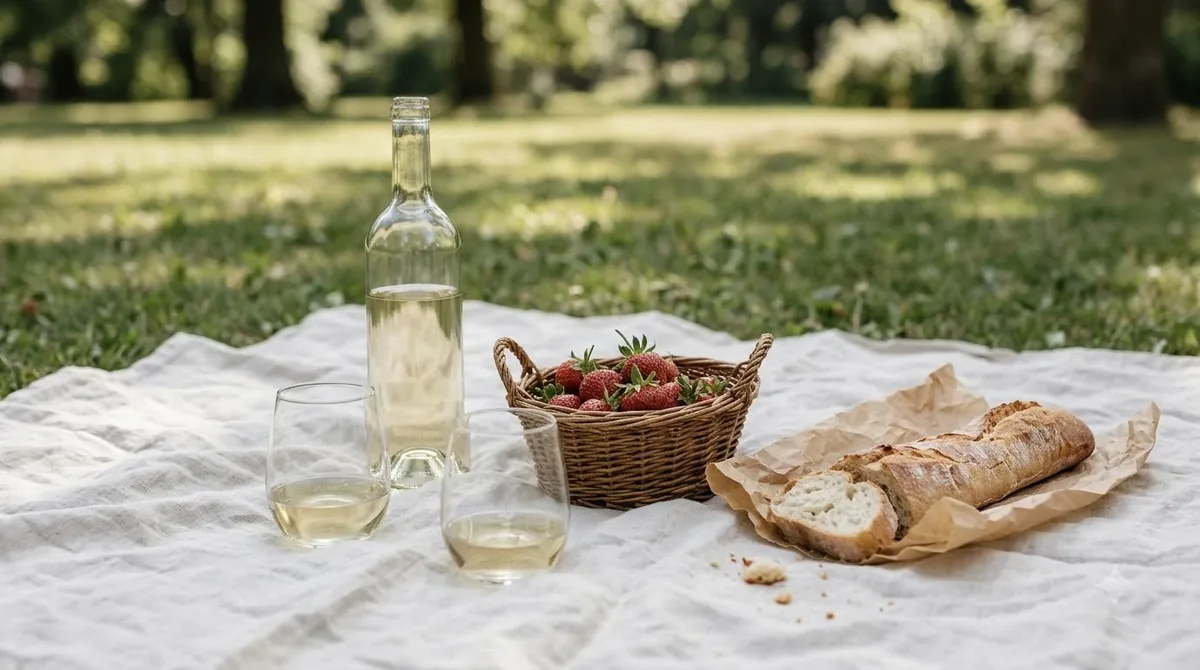
As detailed in a Wine Enthusiast profile of the Wagner family, the concept grew out of Chuck Wagner’s childhood memories at the family dinner table. His father, Charlie Wagner Sr., routinely poured two different wines into the same glass during meals to see how contrasting textures complemented his food. That habit inspired Chuck to challenge the late-1980s orthodoxy that serious California whites had to be single varietals, withholding exact blend percentages so drinkers would judge the wine purely by taste.
Today, winemaking direction for Conundrum rests with Chuck Wagner’s son, Charlie Wagner, alongside winemaker Jon Bolta. Under the official Conundrum Wines portfolio, the brand has expanded to include Conundrum Red, a rosé, and sparkling expressions, yet the original California white blend remains the flagship bottling that built the label’s loyal following over more than three decades.
What Is Inside the Bottle: Grapes and Production Style
Every vintage of Conundrum White centers on a core quartet of Chardonnay, Sauvignon Blanc, Semillon, and Viognier harvested across diverse California microclimates. Each grape plays a distinct structural role in the finished blend, balancing bright citrus acidity with lush stone fruit and floral aromatics.
Chardonnay provides mid-palate body and orchard fruit depth, while Sauvignon Blanc contributes crisp natural acidity and citrus lift. Semillon adds round, velvety weight across the center of the palate, and Viognier brings perfumed notes of honeysuckle, apricot, and peach. In several vintages, small additions of Muscat Canelli have also been noted for amplifying the floral bouquet, while separate stainless steel fermentations allow the cellar team to evaluate each lot before blending.
Standard retail releases come in a 750-milliliter bottle rated at 13.5 percent alcohol by volume, typically finished with a screw cap for reliable freshness. In recent releases such as the 2024 vintage, the winery introduced an updated glass bottle that is 30 percent lighter than earlier packaging, reducing energy use during glass production and cross-country shipping.
Taste Profile and How Recent Vintages Have Evolved
Conundrum White is known for an expressive, fruit-forward sensory profile that bridges the gap between crisp, zesty whites and rounder, creamy blends. Over recent vintages, the winemaking team has intentionally steered the blend toward a drier, fresher finish while retaining its signature stone-fruit and floral character.

On the nose, recent releases open with lifted aromas of honeysuckle, mandarin orange, ripe apricot, and fresh pear, layered with hints of white blossoms and tropical fruit depending on the harvest year. Across the palate, the entry feels plush and generous before bright Sauvignon Blanc acidity cleans up the mid-palate. Unlike heavily oaked bottles such as butter white wine that emphasize vanilla toast and malolactic creaminess, Conundrum White leans into citrus tension and clean minerality.
Winemaker Charlie Wagner has noted in recent vintage tasting sheets that the cellar team gradually dialed back residual sweetness to emphasize a drier, more food-versatile profile. Shoppers who last sampled the wine a decade ago often observe that current releases finish crisper and brighter, giving the blend broader appeal at the dinner table without losing its approachable charm.
How Retail Channels Affect What You Pay
Because Conundrum White carries broad national distribution, the exact shelf tag a shopper encounters depends heavily on the retail channel and state beverage tax rules. Warehouse clubs and high-volume supermarkets frequently promote the bottle near the bottom of its everyday range, whereas smaller neighborhood shops and direct winery orders reflect standard suggested retail positioning.
Understanding these channel differences helps buyers spot everyday value without waiting for rare clearance markdowns. Volume-driven retailers rely on rapid inventory turnover and slimmer per-bottle margins, while independent wine merchants provide climate-controlled storage and knowledgeable staff guidance.
| Retail Channel | Typical Pricing Tier | Discount Structure | Shopping Advantage |
|---|---|---|---|
| Warehouse Clubs | Lowest everyday shelf tier | Fixed low member pricing | Best single-bottle value when in stock |
| National Grocery Chains | Everyday-to-mid retail tier | Loyalty card and 6-bottle mix-and-match discounts | Convenient weekly shopping and seasonal promotions |
| Independent Wine Shops | Standard suggested retail tier | Case reductions on 6 or 12 bottles | Climate-controlled storage and vintage verification |
| Winery Direct Online | Full release tier | Occasional flat-rate shipping promotions | Direct provenance and special-edition bottlings |
State alcohol excise taxes and local sales tax rates also explain why buyers in California or Illinois often see slightly lower shelf numbers than shoppers in higher-tax states. Asking whether a retailer applies an automatic mixed-case discount is usually the easiest way to lower the per-bottle outlay for gatherings.
How to Serve, Pair, and Store Conundrum White
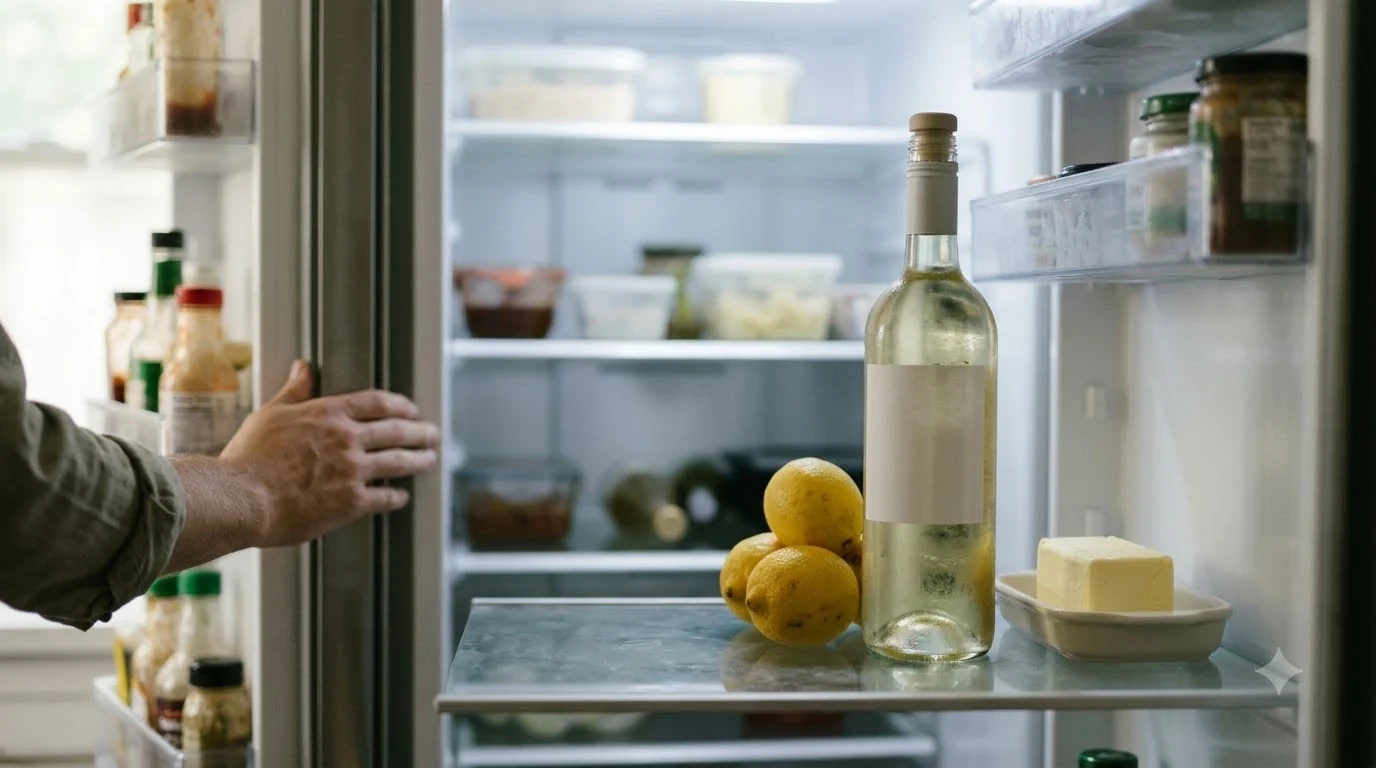
Serving Conundrum White at the right temperature ensures its floral aromatics shine without letting the alcohol or lush fruit feel overly warm on the palate. Chilling the bottle to roughly 45 to 50 degrees Fahrenheit strikes the ideal balance between crisp acidity and expressive stone-fruit aroma.
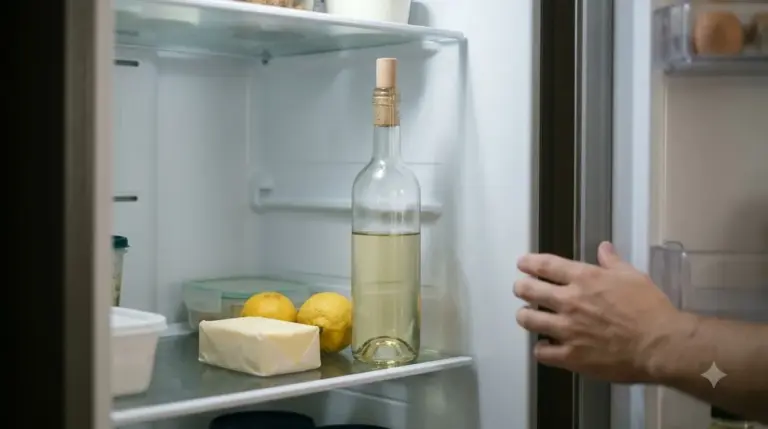
Removing the bottle from a kitchen refrigerator about 15 minutes before pouring allows the Viognier and Chardonnay aromatics to open up in a standard white wine glass, whereas serving it ice-cold mutes the delicate honeysuckle and apricot notes.
At the table, Conundrum White excels alongside dishes that combine aromatic herbs, gentle chili heat, and bright citrus. The producer specifically recommends pairing recent vintages with grilled chicken topped with spicy mango salsa, Cajun shrimp, seared sea bass, and classic Caesar salad, while its lively acidity also complements Thai green curry, Vietnamese fresh spring rolls, and soft cheeses like Brie.
Tip: Reseal opened bottles tightly with the original screw cap and store them upright in the refrigerator for up to three or four days to preserve the bright citrus and floral notes.
Frequently Asked Questions
Why is the conundrum white wine price lower than Caymus Cabernet Sauvignon?
Although both wines come from the Wagner Family of Wine, they rely on very different vineyard sourcing and aging methods. Caymus Cabernet Sauvignon uses prized Napa Valley red grapes aged extensively in French oak barrels, whereas Conundrum White blends multi-regional California white varieties aged primarily in stainless steel and neutral oak. That statewide sourcing flexibility keeps Conundrum White in an accessible everyday-to-mid-tier bracket.
Does the conundrum white wine price reflect an entry-level or mid-tier bottle?
Conundrum White sits comfortably in the upper-everyday to lower-mid-tier category on American retail shelves. It is positioned above entry-level bulk wines and sweet supermarket staples like sutter home white zinfandel, yet remains far more affordable than single-vineyard Napa Valley whites. Most shoppers treat it as a dependable step-up bottle for dinner parties and casual hosting.
Is Conundrum White a sweet wine or a dry white blend?
Modern vintages of Conundrum White are crafted in a dry to off-dry style with crisp, refreshing acidity. While ripe peach, apricot, and floral aromas create an initial impression of fruit sweetness on the mid-palate, winemaker Charlie Wagner has emphasized a drier, cleaner finish in recent releases. It drinks much drier than sweet Moscato or White Zinfandel while remaining softer than bone-dry Sauvignon Blanc.
Where can shoppers find the best value on Conundrum White?
Warehouse clubs and large regional grocery chains typically offer the sharpest everyday shelf tags due to high-volume purchasing and frequent loyalty promotions. Buying six or twelve bottles together at an independent wine shop or supermarket that honors mixed-case discounts also reduces the effective per-bottle outlay. Checking recent vintage dates on the label ensures the freshest fruit expression for your money.
For wine drinkers seeking an expressive California white blend backed by decades of Wagner Family winemaking experience, the conundrum white wine price delivers steady, dependable value across nearly every retail channel. Its combination of aromatic complexity, crisp modern balance, and wide food-pairing versatility makes it an easy bottle to keep on hand for both weeknight meals and weekend gatherings.
More in Wine Brands
 Woodbridge Wine Review: Flavors, Lineup, and Best Food PairingsUpdated Nov 22, 2026
 Sterling Wine Price: How Every Winery Tier ComparesUpdated Nov 22, 2026
 Shafer Wine Price Tiers Explained Across Every Napa Valley BottlingUpdated Nov 22, 2026
 Scarecrow Wine Price Guide: Allocations, Vintages, and Market ValueUpdated Nov 22, 2026
 Joseph Phelps Wine Price Guide: Portfolio Tiers, Vintages, and Buying ChannelsUpdated Nov 22, 2026
 Oyster Bay Wine Price: What Every Bottle Costs and How to SaveUpdated Nov 22, 2026