

We may earn a commission when you buy through links on this page, at no extra cost to you. Learn more.
Far Niente Chardonnay is a Napa Valley white from an Oakville estate, known for a bright, fruit-driven style with silky texture and lively acidity rather than heavy butter. The winery’s first modern vintage was made in 1979, and Chardonnay has been its founding wine ever since. This guide covers how the wine is made, what its style means for the glass, and how to choose a bottle among the Chardonnays on the market.
Far Niente is one of the best-known names in Napa Valley white wine, and its Chardonnay is often the first wine people associate with the estate. If you are deciding whether this bottle fits your taste, it helps to understand how the winery approaches oak, fermentation and fruit, because those choices shape the flavor more than the vintage name alone.
The history behind the Oakville estate
The site has a long history before the modern winery. According to the Napa Wine Project’s profile of the winery, John Benson built the original stone winery in 1885 and named it “In Dolce Far Niente.” The old building needed extensive repair before the modern estate could begin production there.
The modern winery was founded in 1979 by Gil Nickel, John Nickel, Doug Stelling and Robert Lieff, who spent significant time restoring the old winery on the property. The first modern vintage was crushed at Markham Vineyards near St. Helena, and the 1980 and 1981 vintages were made in Sausalito before production returned to the estate in 1982. That early sequence matters less to a drinker than the consistent style the winery has pursued since.
The name is Italian, and it is commonly glossed as something close to “sweetness of doing nothing” or “without a care.” You will see the estate described that way on its labels and in trade writing, though the phrase is a loose translation rather than a precise one.
What makes this Chardonnay taste the way it does
Far Niente’s Chardonnay is built around fruit and balance. The winery says the wine is not meant to be oaky or buttery, and recent vintages are described as bright and fruit-driven, with a silky, supple texture held up by lively acidity. Readers who expect the heavy, toasty style associated with some California Chardonnays may find this bottle lighter and more restrained.
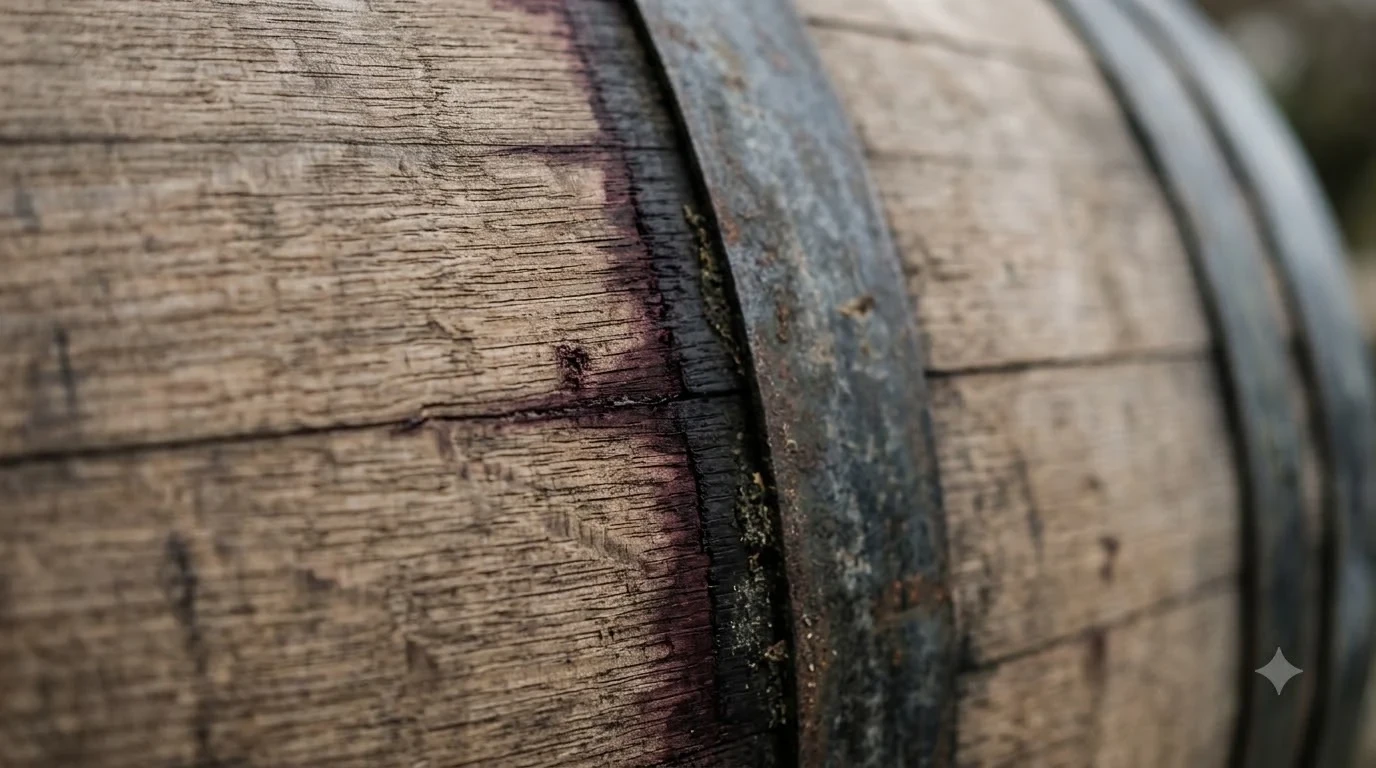
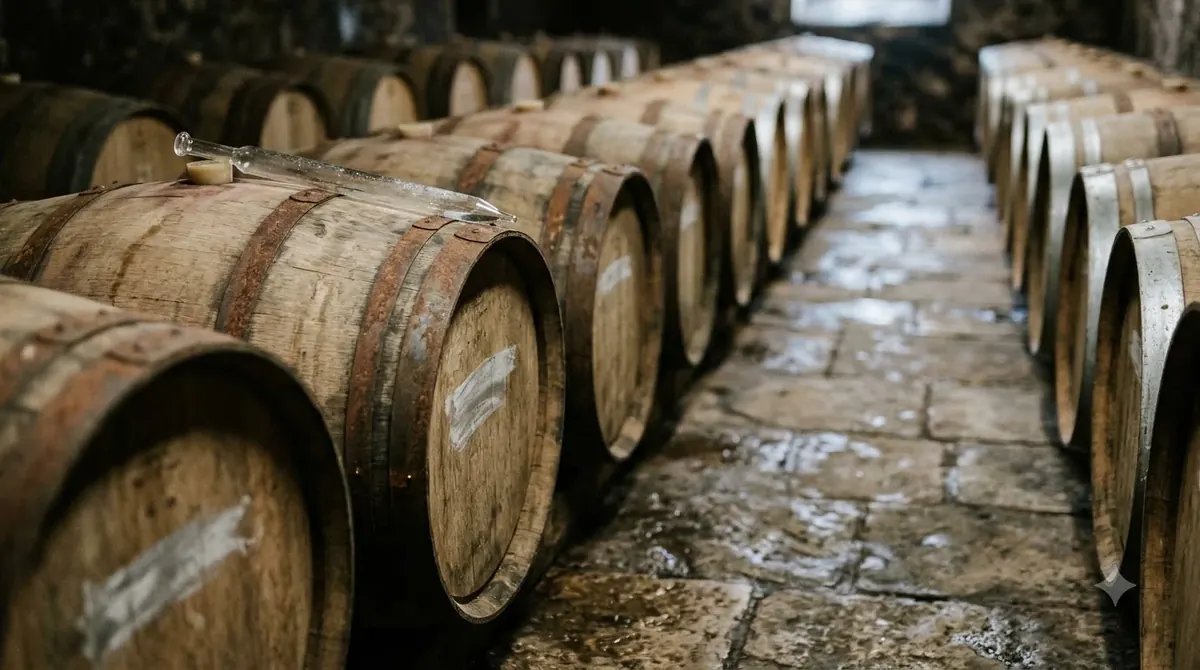
The winemaking is still rooted in barrels. The 2023 Chardonnay, according to the Napa Wine Project’s description, was fermented 89 percent in barrel and 11 percent in tank and did not go through malolactic fermentation. The wine was aged sur lie in French oak barrels, of which 45 percent were new and 55 percent were once used. Keeping malolactic fermentation out helps preserve the crisp acidity, while the mix of new and older oak adds structure without overpowering the fruit.
Oak, aging and the estate’s approach
The estate uses French oak exclusively for its Chardonnay and its Cabernet Sauvignon. Sur lie aging, where the wine rests on its spent yeast cells, adds texture and a creamy feel without making the wine taste heavy. Because the barrels are a mix of new and used oak, the wood contributes body and gentle spice rather than a strong vanilla or toast flavor.
Vintage variation still matters. Winemaking choices, such as the share of barrel fermentation and the proportion of new oak, change from year to year, so a recent bottle may taste slightly different from one released a few years earlier. The winery keeps a library of Chardonnay dating back to 1979, which reflects how closely it watches the style over time.
| Feature | What it means in the glass | Good with |
|---|---|---|
| Bright fruit | Citrus, pear and stone fruit with a clean finish | Grilled fish, lemon chicken, crab |
| Barrel fermentation | Creamy, rounded body with gentle spice | Roast chicken, creamy pasta, mushroom dishes |
| No malolactic fermentation | Crisper acidity and a sharper edge | Shellfish, fresh salads, soft cheeses |
| French oak aging | Subtle wood structure, not heavy toast | Pork tenderloin, roast vegetables, hard cheeses |
Tip: Chill the wine to about the temperature of a cool refrigerator shelf, not ice cold, so the fruit and the creamy texture can both come through.
The style also changes how the wine behaves over an evening. A bottle opened at the start of dinner will show its fruit first, then open into a rounder, creamier texture as it warms slightly in the glass. Many drinkers find that the wine holds its balance well through a long meal, which is one reason Chardonnays built on acidity are favored for multi-course dinners.
How to serve and pair Far Niente Chardonnay
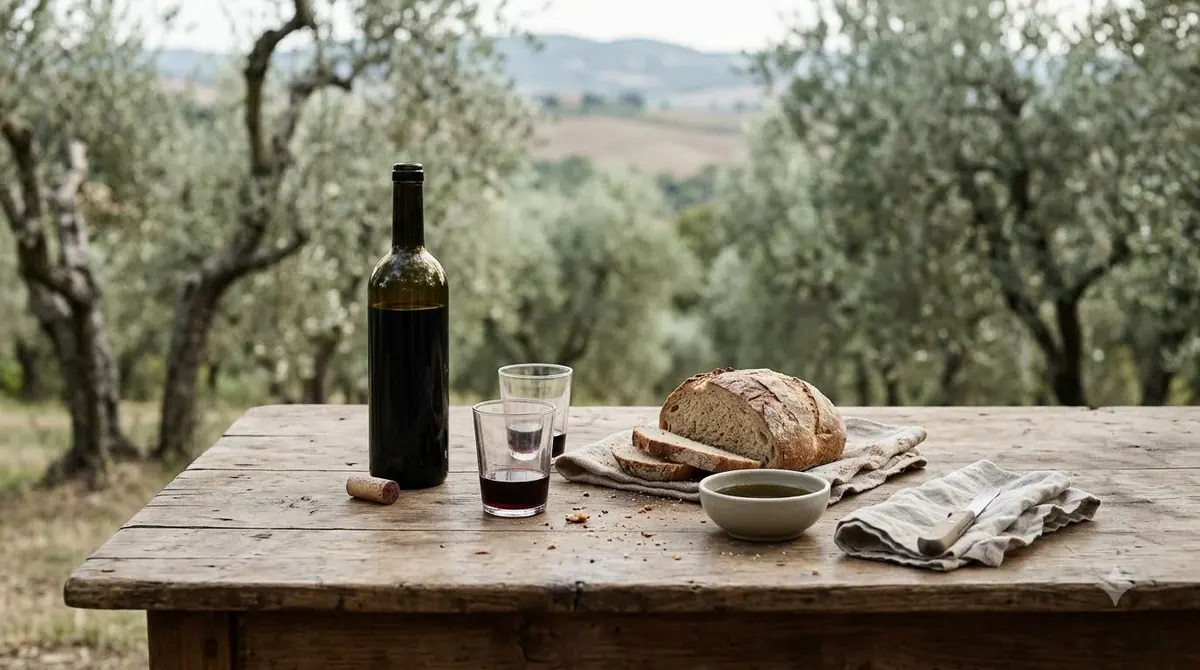
Serve this Chardonnay in a glass with a moderate bowl that concentrates aromas without trapping them. Give it a few minutes out of the refrigerator if it has been chilled hard, because a little warmth reveals the fruit and texture. Its acidity makes it a good match for food that has some richness or salt, such as roast poultry, shellfish and creamy sauces.
Avoid pairing it with very spicy food or heavily sweet desserts, which can make the wine taste thinner. Hot chili, strong curry and sugary sauces tend to overwhelm a delicate Chardonnay, while lightly seasoned seafood, herbs and butter-free vegetable dishes let the fruit come through. Pork tenderloin with roasted vegetables and a light cream sauce is a dependable match, and a mild aged cheese works well on a cheese board.
How to choose a Far Niente Chardonnay
Start by deciding how you like your Chardonnay. If you prefer a lean, fresh style, look for a bottle that describes itself as fruit-driven and lightly oaked. If you want a richer, more buttery wine, you may prefer a different Napa producer that uses more malolactic fermentation. Reading the back label or the winery’s technical notes for the vintage will tell you how much barrel and tank work went into the bottle.
When you compare with other premium Chardonnays, the Rombauer Chardonnay page offers a useful contrast in style, and the Kendall-Jackson Chardonnay profile shows how a different producer approaches the same grape. For a wider view of how wine brands differ, the wine brands guide is a good next step.
Frequently Asked Questions
Is Far Niente Chardonnay oaked?
Yes, the wine is barrel fermented and aged in French oak, but the winery describes the result as bright and fruit-driven rather than oaky or buttery. The oak adds texture and structure while keeping the fruit in front.
Does Far Niente Chardonnay go through malolactic fermentation?
According to the Napa Wine Project’s description of the 2023 vintage, it did not. Skipping that step keeps the acidity crisp. Other vintages can differ, so check the technical sheet for the bottle you plan to buy.
Where is Far Niente located?
The winery is in Oakville, in the heart of the Napa Valley. The estate’s historic stone winery dates to 1885, and the modern operation was founded in 1979.
How long can I keep a bottle of Far Niente Chardonnay?
Most Chardonnays from this style are best within a few years of release, though well-made bottles can hold for longer. Store the bottle in a cool, dark place, keep it on its side if it has a cork, and check the producer’s guidance for the specific vintage. Once opened, a Chardonnay is best finished within a day or two, and re-corking it and refrigerating it slows the loss of freshness.
Far Niente Chardonnay is a good choice for drinkers who want a Napa white with clear fruit, balance and a restrained touch of oak. Pair it with simple, well-seasoned food and compare a couple of vintages to see how the style changes, and you will quickly learn whether this Chardonnay suits your table.
More in Wine Brands
 Underwood Wine Price: Compare Bottles, Cans, and Pack SizesUpdated Nov 21, 2026
 Zenato Wine Price: Compare Styles and Choose the Right BottleUpdated Nov 21, 2026
 Zuccardi Wine Price: Compare Bottles and Find the Right RangeUpdated Nov 21, 2026
 Yellow Tail Moscato Review: Taste, Sweetness and Serving TipsUpdated Nov 21, 2026
 Wolf Blass Yellow Label Review: Choose Your Best StyleUpdated Nov 21, 2026
 Wolffer Estate Rose Review: Choose the Right Bottle for Your TableUpdated Nov 21, 2026