

We may earn a commission when you buy through links on this page, at no extra cost to you. Learn more.
How to hold a wine glass comes down to one habit: grip the stem rather than the bowl, so the heat of your hand does not warm the wine. Clasp the stem between your thumb, index finger, and middle finger, and let your ring finger support the base. This grip also makes it easier to swirl without splashing, and it keeps your fingerprints off the part of the glass people look through.
Holding a wine glass looks like a small detail, but it affects temperature, aroma, and how comfortable a glass feels through a long dinner. Many people grip the bowl without thinking, then wonder why a white wine tastes flat by the second glass. This guide explains the correct grip, why it matters, and how to adjust it for stemless glasses and other styles.
Why the Stem Is the Right Handle
The main reason to hold a stemmed glass by the stem is temperature. Your hand is warm, and holding the bowl transfers that warmth into the wine over time. Riedel, the glassmaker that has written extensively about stemware, puts it plainly: holding the bowl can warm the wine in the glass, so the stem is the better place to hold it.
That matters most with white wine, which is served cool, and with sparkling wine, where a warm glass can make the bubbles seem flat. A red served at a comfortable cellar temperature also benefits from a grip that keeps the wine where it was poured.
The Basic Stem Grip, Step by Step
The correct grip is simple, and once you learn it, it feels natural. The steps below follow the method Riedel describes for stemmed glasses.
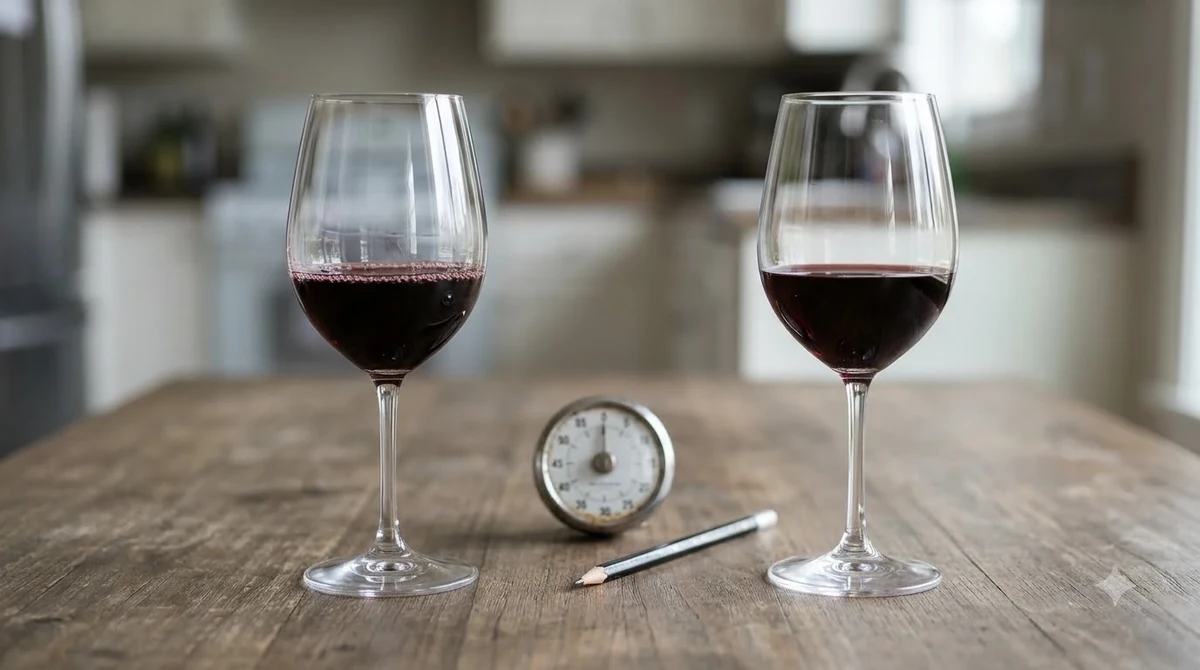
- Find the stem, the thin section between the bowl and the base.
- Place your thumb and index finger on the stem, just below the bowl, so they pinch it lightly.
- Place your middle finger on the other side of the stem, so the three fingers form a secure clasp.
- Rest your ring finger under the base to add support. The glass should feel balanced, not held tightly.
- Keep the base level with the table when you are not lifting the glass.
Do not grip the stem too hard. A tight squeeze can look tense and puts stress on thin crystal. The goal is a light, steady hold that lets the glass hang securely between your fingers. If you are still learning the basics of serving, the wine basics section covers opening and pouring in the same practical way.
Holding a Glass for Swirling and Sipping
Swirling is the step where a stemmed glass pays off most. Gently rotating the wine in the bowl exposes more of its surface to air, which releases aromas and softens harsh edges. A stem grip makes this easy, since you can rotate the glass with a small wrist motion while the base stays on the table.
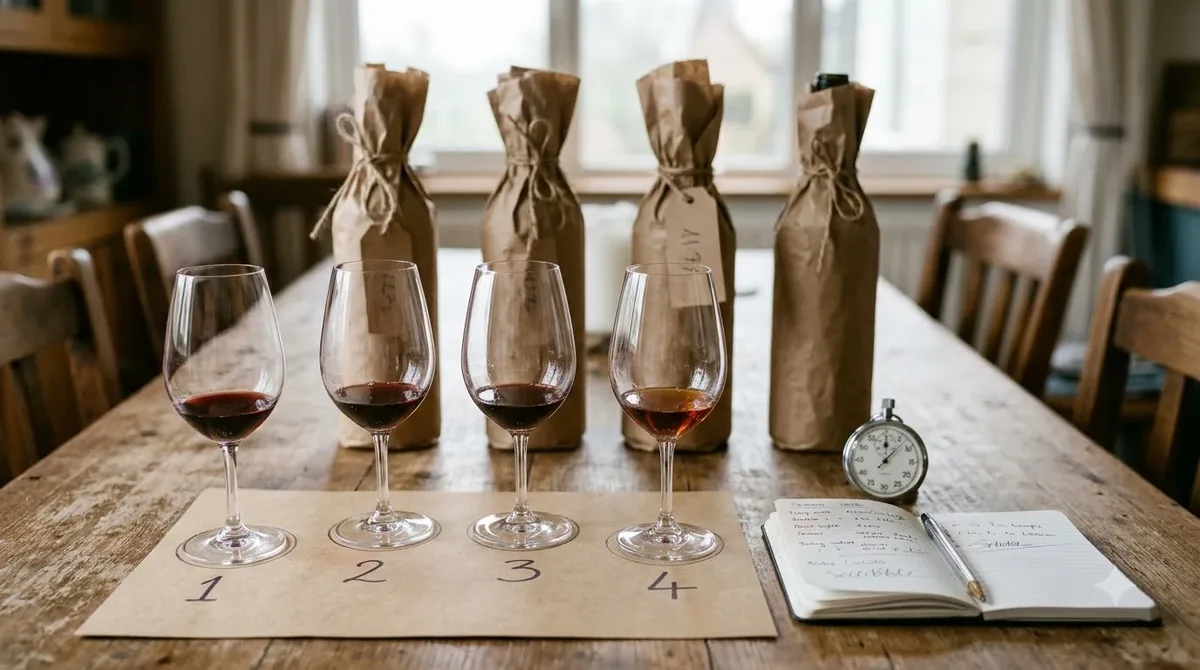
The same grip also helps when you sip. Lift the glass by the stem, tilt it toward your mouth, and drink without moving your hand up to the bowl. Over time, this becomes a natural habit that keeps the wine at the temperature the winemaker intended.
How much you pour also changes how easy the glass is to hold. A glass filled about a third of the way leaves room to swirl without spilling, while a glass filled to the brim forces a more cautious grip and makes spills more likely. Keep the same stem grip at any size, and let a modest pour do most of the work. If you are wondering how big a standard pour should be, our guide to how many ounces in a glass of wine explains the usual serving sizes.
How to Hold a Stemless Wine Glass
Stemless glasses are popular at casual gatherings, but they change the rules a little. Since there is no stem, the wine is in closer contact with your hand, so warmth is more of a concern. The advice is simple: hold the glass low on the bowl with your fingertips, and limit the amount of contact.
Riedel suggests that stemless glasses do not necessarily warm the wine if you keep hand contact to a minimum. In practice, that means holding the glass near the bottom of the bowl and avoiding a full palm wrapped around the sides. If you are serving a delicate white, it can help to pour a smaller amount so the glass stays cooler.
Grip Variations That Experts Use
Once the basic grip feels comfortable, you may notice that people hold glasses in slightly different ways. These variations are less important than the core principle of keeping your hand off the bowl.
| Glass type | Where to hold it | Main reason |
|---|---|---|
| Stemmed red glass | Stem, with ring finger under the base | Keeps the wine at its poured temperature |
| Stemmed white glass | Stem, lightly pinched | Protects the cool temperature of the wine |
| Champagne flute | Stem, close to the base | Helps the bubbles last longer |
| Stemless glass | Low on the bowl, fingertips only | Limits warmth from the hand |
Tip: If you are not sure whether a glass is stemmed or stemless, look at the base. A stemless glass has a solid bottom and no narrow neck, so hold it near the base of the bowl and keep your palm away from the wine.
The same basic grip works for red, white, and Champagne glasses, which is one reason the stem method is easy to remember. The details change slightly with the shape of the glass, but the principle stays the same.
Common Mistakes to Avoid
Several habits undermine an otherwise good grip. Most of them are easy to correct once you notice them.
The most common mistake is wrapping the whole hand around the bowl. It feels secure, but it warms the wine and leaves fingerprints on the glass. Another is holding the glass from the rim, which can cause the wine to spill or leave a mark. A third is gripping too hard, which makes the hand tense and can stress thin crystal.
Some people also swirl with the base lifted off the table, which makes the glass more likely to tip. Keep the base on the table or in a relaxed hand while you swirl, and move your wrist rather than the whole arm. Small, controlled movements are easier to manage than large ones.
Frequently Asked Questions
Why do people hold wine glasses by the stem?
Holding the stem keeps the warmth of your hand away from the wine, so it stays at the temperature it was poured. It also keeps fingerprints off the bowl and makes swirling easier without splashing.
Is it wrong to hold the bowl of a wine glass?
It is not a serious error, but holding the bowl can warm the wine over time. For a white or sparkling wine, that difference is more noticeable. Holding the stem is the better habit whenever the glass has one.
How do you hold a stemless wine glass?
Hold the glass low on the bowl with your fingertips rather than wrapping your palm around it. Keeping hand contact to a minimum helps the wine stay at its intended temperature.
Do I need to hold a Champagne flute by the stem too?
Yes. The stem grip works for Champagne glasses as well as red and white glasses. Holding the stem keeps the drink cool and helps the bubbles last longer in the glass.
Holding a wine glass by the stem is a small habit with a real payoff. It keeps the wine at the right temperature, makes swirling easier, and keeps the glass looking clean. Once the grip feels natural, you can focus on the wine itself. For a bottle-level view of how much each person will pour, see our guide to how many glasses in a bottle of wine.
More in Wine Basics
 Which Rose Is Best for Your Taste, Budget, and Food PairingsUpdated Nov 21, 2026
 Is Cheap Wine Bad? How to Find Bottles Worth DrinkingUpdated Nov 21, 2026
 What To Write On A Wine Gift Tag: Thoughtful Messages For Every OccasionUpdated Nov 21, 2026
 Which Wine Is Best For Weight Loss? Compare Lower-Calorie ChoicesUpdated Nov 21, 2026
 What Is The Best Wine For Mimosas? Choose Bubbly That Balances Orange JuiceUpdated Nov 20, 2026
 Which Prosecco Is Best for Your Taste and OccasionUpdated Nov 20, 2026