

We may earn a commission when you buy through links on this page, at no extra cost to you. Learn more.
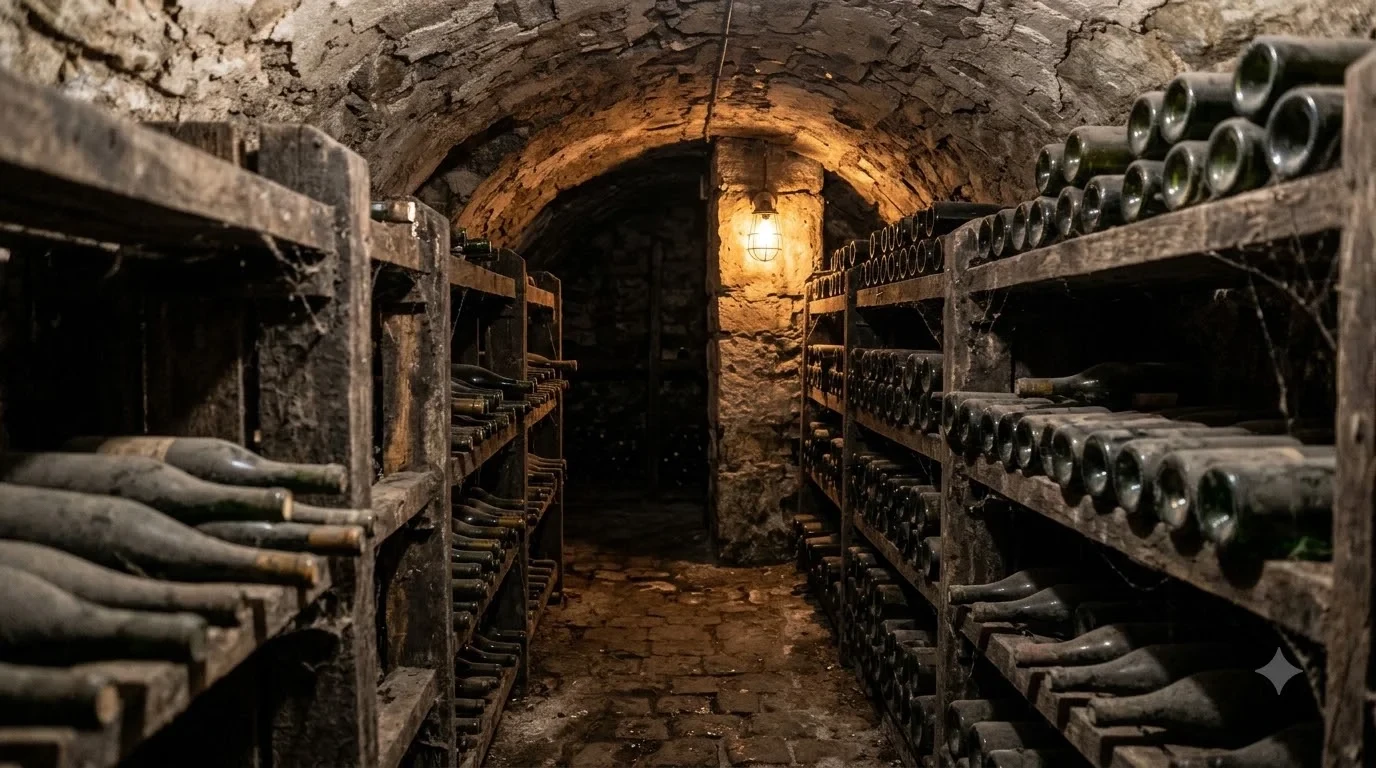
If you have ever wondered what is cuvee on a wine bottle, it is a French winemaking term translating literally to “vat” or “tank” that refers to a specific batch or blend of wine. Depending on the region and style, the label term can indicate a blend of multiple grape varieties, a specific selection of the finest barrels, or the purest first-press juice in Champagne production. Because the word has no single legal definition across most wine-producing regions, context on the bottle determines what the winemaker actually did in the cellar.
Walking down a wine aisle, you will see the word cuvée printed on everything from crisp sparkling bottles to rich red blends and everyday table wines. Understanding what the term signals—and when it is simply a branding choice—helps you decode labels accurately and choose bottles that match your palate.
What It Is and Where the Word Comes From
In French, cuvée derives from cuve, meaning a vat or fermentation tank, so the literal translation refers to the contents of a single tank. Over centuries of European winemaking, that practical cellar term evolved to describe a specific, intentional batch of wine crafted according to a producer’s recipe.
In modern wine production, winemakers ferment grapes from individual vineyard blocks, different harvest days, or distinct varieties in separate vessels. Once fermentation finishes, the cellar team tastes through those separate lots and combines specific portions to build a final wine. That resulting blend or designated lot is the cuvée, which is why the term frequently appears alongside words like French wine label terms such as assemblage (the act of blending).
Unlike regulated geographic designations such as Appellation d’Origine Contrôlée (AOC) or Grand Cru, the word cuvée is not legally protected as a quality tier in most of the world. Any producer can print it on a label, whether the bottle contains a rare barrel selection or a large-production house blend. Reading the rest of the label—such as grape varieties, vintage year, and region—remains essential to understanding what is inside.
The Four Main Meanings on a Wine Label
Because winemakers use the word differently depending on regional tradition, cuvée generally carries one of four distinct meanings when you spot it on a shelf. Recognizing which category a bottle falls into tells you whether the label highlights a blending recipe, a pressing technique, or a flagship tier.
First, in still winemaking across France, the United States, and Australia, cuvée most often denotes a specific blend of grape varieties or vineyard plots. A producer might craft a signature red cuvée by combining Cabernet Sauvignon, Merlot, and Cabernet Franc, or blend multiple hillside blocks of Pinot Noir to create a more balanced house style than any single parcel could deliver on its own. If you are exploring different wine styles and categories, you will find that many classic regional blends rely on this exact approach to achieve harmony.
Second, in Champagne and traditional-method sparkling wine production, cuvée has a strict technical meaning tied to the grape press. Under Champagne’s pressing regulations, 4,000 kilograms of grapes yield 2,550 liters of juice. The first 2,050 liters pressed gently from the fruit is called the cuvée, while the subsequent 500 liters extracted under heavier pressure is called the taille (tail). Winemakers prize the cuvée fraction for its high acidity, purity, and aging potential, and top houses often use only this first-press juice in their flagship bottlings.
Third, producers use phrases like Prestige Cuvée, Tête de Cuvée, or Cuvée Spéciale to designate their top-tier, flagship bottling. As Wine Enthusiast notes on cuvée meanings, sparkling and still producers alike use these phrases to identify their highest-selection blend. Fourth, in regions such as Germany and Austria—or on mass-market labels worldwide—winemakers sometimes apply cuvée simply as a proprietary name or marketing term for a special bottling, even when the wine comes from a single grape variety.
| Context or Label Phrase | Primary Meaning | What to Expect in the Glass |
|---|---|---|
| Still Wine Blend (e.g., Bordeaux, Rhône, New World) | A specific blend of multiple grape varieties or vineyard lots | Layered aromatics and balanced structure where no single grape dominates |
| Champagne Pressing | The first 2,050 liters of juice pressed from 4,000 kg of grapes | Crisp natural acidity, clean fruit purity, and strong aging potential |
| Prestige Cuvée / Tête de Cuvée | A winery’s top-tier flagship bottling or finest barrel selection | Greater depth, extended cellar aging, and complex secondary notes |
| Proprietary or Marketing Cuvée | A brand name for a house blend or special single-varietal batch | Consistent, approachable house profile designed for reliable drinking |
Cuvée vs. Vintage vs. Assemblage
Shoppers frequently confuse cuvée with vintage and assemblage because all three terms appear regularly on French and international bottles. While they overlap in the cellar, each word describes a completely different aspect of how the wine was made.
A vintage simply tells you the calendar year in which the grapes were harvested. A cuvée, by contrast, names the specific batch or recipe rather than the harvest year. That means a wine can be both a vintage wine and a cuvée—for example, a 2022 single-harvest blend of Merlot and Cabernet Sauvignon—or it can be a non-vintage (NV) cuvée, such as traditional non-vintage Champagne that blends base wines from multiple harvest years to maintain a consistent house flavor.
Assemblage is the French verb and noun describing the actual winemaking process of tasting separate base wines and blending them in precise proportions. In short, assemblage is the action the winemaker performs in the cellar, whereas cuvée is the finished batch that goes into the bottle.
Flavor Profile and Styles Across Regions
Because cuvée describes a winemaking method rather than a single grape, there is no universal flavor profile for every bottle bearing the word. Instead, the taste depends entirely on the regional grapes, climate, and cellar aging behind the blend.
In sparkling cuvées from Champagne or California, blending Chardonnay, Pinot Noir, and Pinot Meunier balances bright citrus and green apple acidity with red-berry weight and brioche richness. When a sparkling producer relies exclusively on the first-press cuvée juice rather than mixing in the heavier second-press taille, the resulting wine typically feels leaner, sharper, and more mineral-driven on the palate.
In still red cuvées, winemakers blend varieties to cover structural gaps. A classic Southern Rhône red cuvée pairs ripe, juicy Grenache with firm, savory Syrah and structured Mourvèdre. Similarly, white cuvées combine complementary grapes to balance texture and freshness—for instance, pairing crisp Colombard with aromatic Sauvignon Blanc in Southwest France, or blending floral Catarratto with bright Sicilian varieties in Italy. In regions like Tuscany, producers also craft red cuvées by blending Sangiovese with international grapes such as Merlot or Cabernet Sauvignon to soften tannins and deepen color.
How to Serve and Pair Cuvée Wines
Serving temperature and food pairing depend on whether your cuvée is sparkling, crisp white, or structured red. Matching the service to the wine’s body ensures the layered aromatics of a well-crafted blend open up properly in the glass.
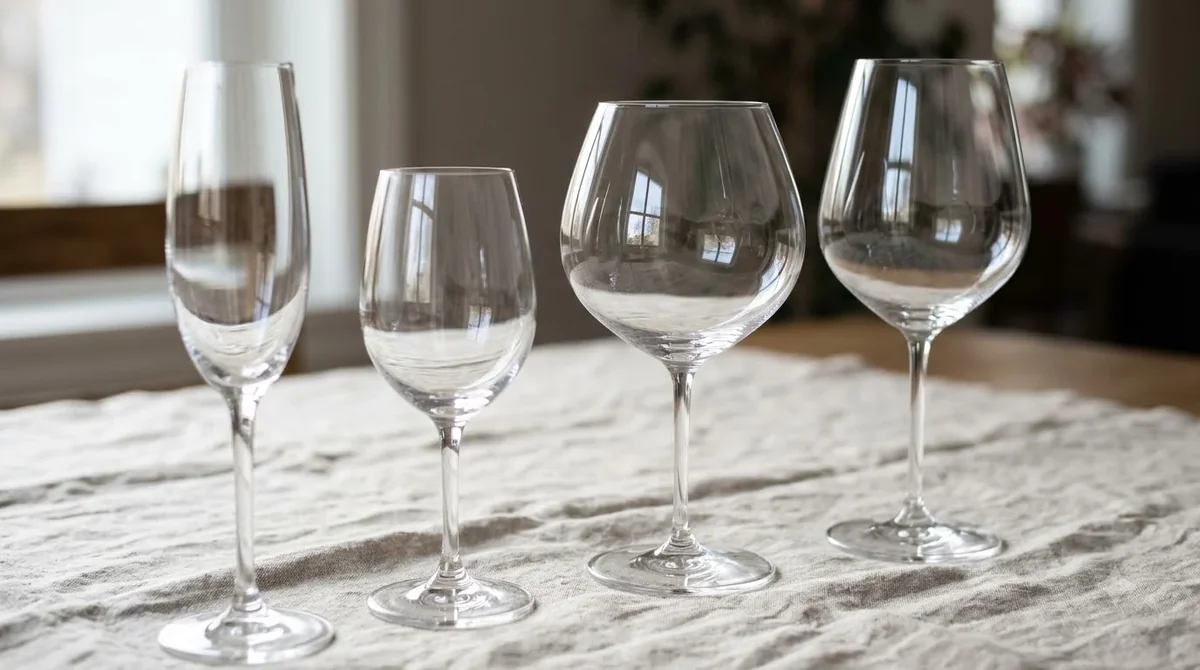
For sparkling cuvées and prestige Champagnes, chill the bottle thoroughly in the refrigerator or an ice bucket before serving, and pour into a tulip-shaped sparkling glass rather than a narrow flute so the complex yeast and orchard-fruit aromas can express themselves. Crisp white cuvées also benefit from a brisk chill and pair naturally with shellfish, goat cheese salads, herb-roasted chicken, and flaky white fish.
Full-bodied red cuvées show best at cool cellar temperature rather than warm room temperature, allowing dark fruit and spice notes to shine without alcohol feeling heavy. Decanting a young, tannic red cuvée for 30 to 60 minutes softens its grip and integrates the different grape components. At the dinner table, pair rich red cuvées with roasted lamb, braised short ribs, grilled steak, or aged hard cheeses.
Tip: When comparing two bottles from the same winery where one carries the word cuvée on the front label, flip both bottles over and read the back labels. If the cuvée lists specific vineyard blocks, reserve barrel aging, or distinct grape percentages, it represents a special selection; if it offers no extra detail, the word is likely just a proprietary name for the entry-level house blend.
How to Choose a Quality Cuvée
Since cuvée is not a regulated guarantee of superior quality, smart shopping comes down to looking for specific clues on the bottle. A few quick checks separate thoughtfully selected cellar lots from generic marketing labels.
First, look for transparency about the blend. Reputable producers proud of their assemblage usually list the exact grape varieties—and often their percentages—on the back label, alongside notes on oak aging or lees contact. Second, check for regional appellation rules. A cuvée bottled under a strict regional appellation such as Châteauneuf-du-Pape, Bordeaux Supérieur, or Champagne must meet defined viticultural standards regardless of what proprietary name appears on the front.
Finally, pay attention to producer reputation rather than relying on adjectives like “Grande” or “Spéciale” alone. A trusted estate uses its cuvée bottling to showcase its best blending work and house identity, delivering balance and complexity that exceed the sum of the individual grapes.
Frequently Asked Questions
Does cuvée always mean a blend of different grapes?
Not always. While cuvée most commonly refers to a blend of multiple grape varieties, it can also describe a blend of different vineyard sites, a combination of multiple vintage years, or a single-varietal wine made from a specially selected tank or barrel lot.
Is a cuvée wine better quality than a regular bottle?
Not automatically, because the term has no legal quality standard in most regions. Top wineries use phrases like tête de cuvée or prestige cuvée for their finest reserve selections, whereas budget brands sometimes print cuvée on standard house blends as a decorative label term.
How do you pronounce cuvée correctly?
Cuvée is pronounced “koo-VAY,” with the stress on the second syllable. In native French, the first vowel is formed with rounded lips closer to “kü-VAY,” though “koo-VAY” is standard in American wine shops and restaurants.
Why does cuvée appear so often on Champagne and sparkling wine?
In Champagne production, cuvée has a specific technical meaning: it refers to the first 2,050 liters of juice gently pressed from 4,000 kilograms of grapes. Sparkling winemakers prize this first-press juice for its crisp acidity and purity, and they also use the word for their blended base wines before secondary fermentation.
Whether it refers to first-press Champagne juice, a carefully balanced regional red blend, or a winery’s flagship barrel selection, cuvée ultimately points back to the winemaker’s craft in the cellar. Once you look past the word itself to check the grapes, region, and vintage details on the label, choosing the right bottle becomes straightforward.
More in Wine Types & Grapes
 Zinfandel Sugar Content: Dry Red vs. White Zinfandel GramsUpdated Nov 21, 2026
 Best Zinfandel Substitute Options for Sipping and CookingUpdated Nov 21, 2026
 Zweigelt Food Pairing: Best Dishes, Cheeses, and Serving TipsUpdated Nov 21, 2026
 Zinfandel Tannins Explained: How Structure Shapes Every BottleUpdated Nov 21, 2026
 Zinfandel Sweetness Level: Dry Red vs. Sweet White Zin ExplainedUpdated Nov 21, 2026
 Xinomavro Food Pairing: Best Dishes, Styles, and Serving TipsUpdated Nov 21, 2026